A Tale of Two Heatwave Experiences
The climate crisis and growing inequality may be responsible for over 100,000 deaths annually in Europe, a warning sign for policymakers.
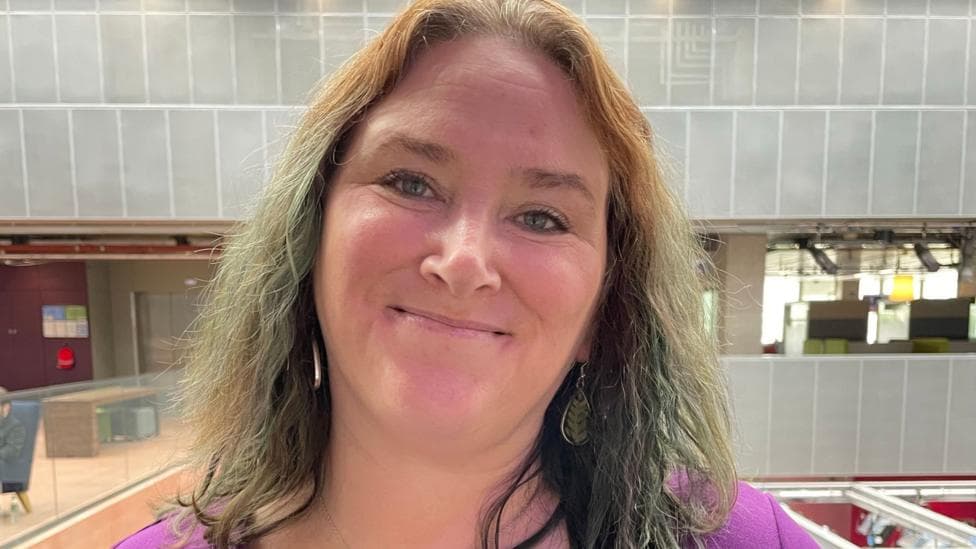
As much of western Europe endured brutally hot conditions, experiences of the heatwave varied dramatically. An American writer living in Paris described the heat as "not nearly as apocalyptic" as media reports suggested. He had not purchased a fan, instead relying on closed shutters, misting sessions, and open windows at night to keep his ground-level flat cool.
Less than 20km away, in a southern suburb of Paris, 60-year-old Aboubakar wept as he recounted temperatures reaching 40°C inside his fourth-floor flat.
“I’m suffocating,”he said.
“I can’t afford to buy a fan. There are no shutters on my flat. At night I can’t sleep, it’s like a furnace.”
This stark contrast highlights a disparity that researchers in Europe and beyond have increasingly emphasized as the climate crisis worsens. As extreme summer temperatures become more frequent, those living in poverty bear a disproportionate burden.
Disparities in Heat Exposure and Coping Mechanisms
Julio Díaz Jiménez, a professor at Madrid’s Carlos III health institute, explained the difference:
“It’s common sense. A heatwave is not the same when you’re in a shared room with three other people and no air conditioning, as when you’re in a villa with access to a pool and air conditioning.”
This disparity became evident during the recent record-breaking heatwave that affected up to 150 million people across Europe, from Bordeaux to Budapest, enduring days of extreme heat.
With temperatures surpassing 40°C at times, people adopted various strategies: Parisians suffering from the heat used water sprays, police in Berlin deployed water cannons to cool crowds, and households in Amsterdam hung wet sheets outside windows to block sunlight.
However, it quickly became apparent that not everyone was equally exposed or able to utilize such coping strategies.

In the UK, hotels reported a surge in bookings from people seeking air-conditioned rooms. In affluent areas west of Paris, some towns restricted access to municipal swimming pools for visitors from other neighborhoods. In Germany, a public swimming lake reportedly denied entry to visitors who did not speak German.
Meanwhile, many residents living in half of French homes with inadequate protection from heat had little choice but to endure the conditions. Some reside in heat-trapping homes or concrete-heavy neighborhoods with limited green spaces and rely on crowded, overheated public transport.
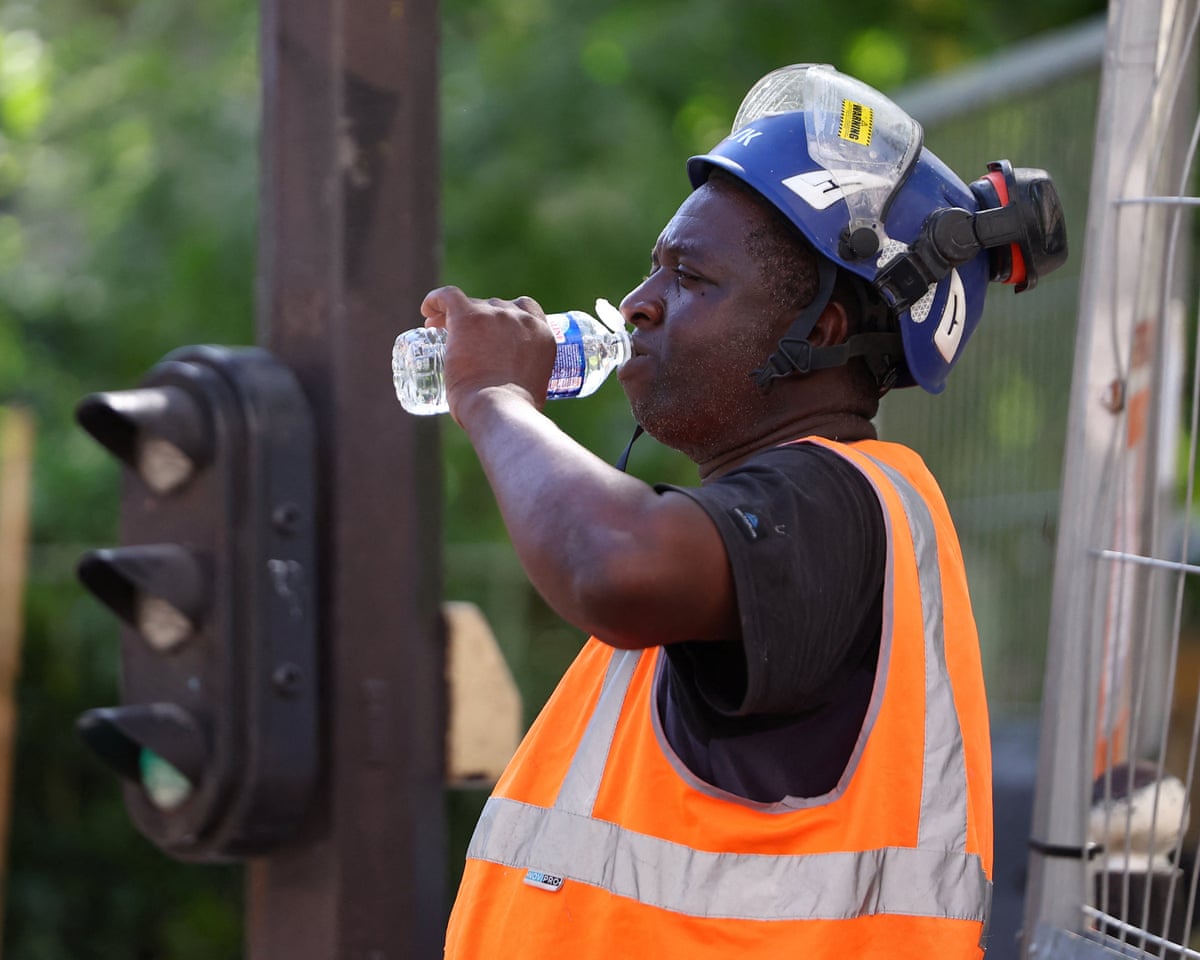
Many also face challenges accessing adequate healthcare, increasing their vulnerability to heat-exacerbated conditions or working in sectors regularly exposed to high temperatures, such as construction and agriculture.
As Asad Rehman, chief executive of Friends of the Earth, noted,
“The heat throws a grenade into every vulnerability you already have.”
Policy Implications and the Human Toll
The stark differences in heatwave experiences should alarm policymakers across Europe. As Ajit Niranjan, a colleague, pointed out,
“Each year heat kills 10 times more people than murderers in Europe.”
Recent studies suggest that the combination of extreme temperatures and inequality could be responsible for over 100,000 deaths annually in Europe.
Despite this, the heatwave exposed how unprepared much of Europe is for extreme heat, leaving most individuals to manage on their own. Emerging data reveals the severity of the recent heatwave’s impact: France’s national public health agency reported excess deaths between 24 and 27 June, while a Spanish public institute estimated the heatwave caused over 600 deaths.
Climate Crisis as a Class Issue
The left-wing Democracy in Europe Movement 2025, founded by Greece’s former finance minister Yanis Varoufakis, highlighted the social dimensions of the crisis in a social media post:
“This heat is not only a climate emergency, but it is also a class war. The rich burn the planet, then buy air conditioning, private pools and second homes while workers are left in overheated flats, unsafe jobs, failed public services and burning cities.”
To receive the full version of This Is Europe every Wednesday, for the newsletter.