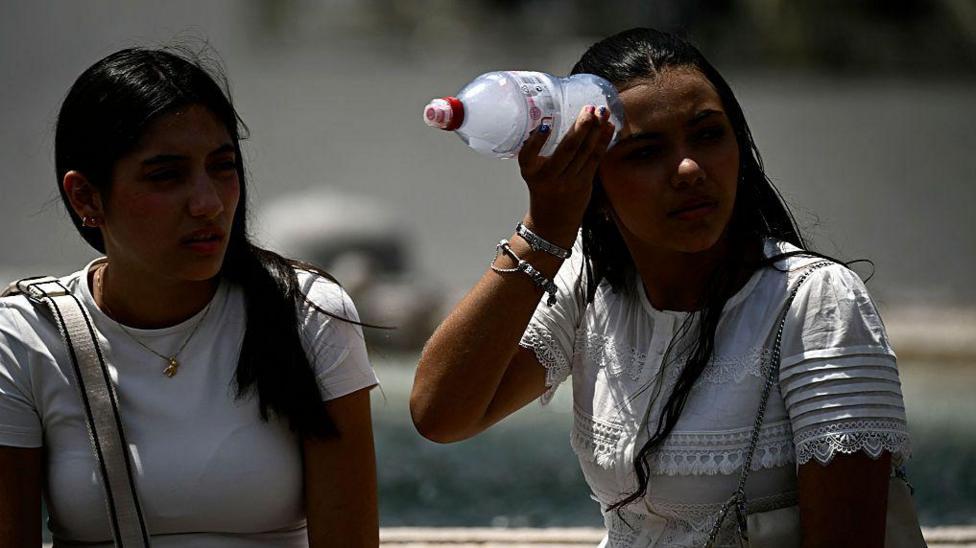
Heatwave Shifts East Across Europe
Heatwave conditions that have affected Spain, France, and the UK for several days are now expected to move eastward. Forecasters in Germany and the Czech Republic have issued warnings about extreme heat conditions.
Temperatures in Germany could reach 40°C in some western and southwestern areas on Thursday and spread across the country on Friday. An extreme weather warning has been issued for much of the Czech Republic.
France Raises Health Alert to Highest Level
In response to the ongoing heatwave, French Prime Minister Sébastien Lecornu announced that the health alert level has been raised to its highest tier. This measure aims to increase hospital staffing and safeguard vulnerable populations.
Health Minister Stéphanie Rist reported that deaths linked to extreme temperatures are now occurring among both young people and the elderly.
Climate Change and Europe's Heatwave
United Nations climate change chief Simon Stiell stated that
"Europe's savage heatwave has the fingerprints of the climate crisis all over it"and urged for
"a faster shift to renewables, protecting forests and boosting climate resilience".
Record Temperatures in France
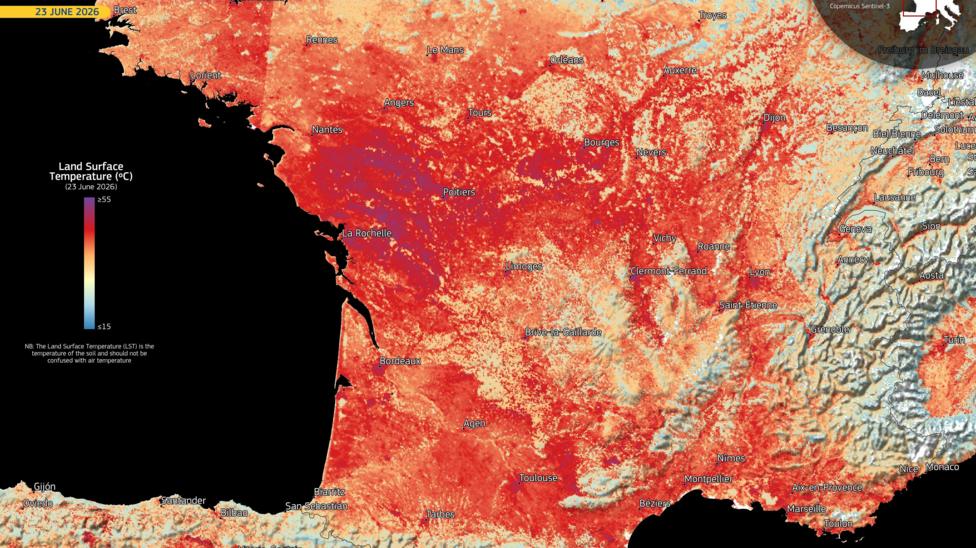
France recorded its hottest day on Wednesday for the second consecutive day, with records continuing to be broken. Météo-France reported that the average minimum temperature reached 22°C on Wednesday night. Nantes experienced 27.2°C in the northwest.
Rising Mortality and Public Warnings in Paris
Paris mayor Emmanuel Grégoire noted an increase in the mortality rate in the city amid sustained high temperatures. He cautioned the public, particularly young people, about the risks of exercising outdoors during the heatwave.
"We must not believe ourselves to be invulnerable,"he said on French television.
"I am thinking especially about the youth... At about 19:30 last night... I saw 100 or so joggers on the street. Frankly, that's irresponsible."
"It's fine to take a couple of days off from exercising,"he added.

Heat-Related Deaths and Emergency Responses
Tragically, a three-year-old child was found dead in a car in the Paris region, following the deaths of two young children in a family car in the southern town of Carpentras days earlier.
In Rennes, Professor Louis Soulas, head of the Accident and Emergency department, linked the deaths of five or six individuals in their homes to the extreme temperatures. Emergency services discovered these cases after welfare calls went unanswered. He emphasized that the victims were not only very elderly but also people aged 60 and above.
Record Temperatures and Strain on Healthcare in Rennes
Rennes recorded a temperature of 40.6°C on Monday, which was surpassed by 41°C the following day, breaking the previous record from 2022. The region's intensive care units are reported to be saturated, with Professor Soulas warning,
"We are truly at a peak of activity."
Prime Minister Lecornu stated that France's Orsan health emergency plan has been elevated to level three to enable the health system to
"withstand the strain over time and protect the most vulnerable".

Impact on Infrastructure and Weather Forecasts
Three nuclear plants in France have been taken offline due to the heat. Some western regions of France are preparing for severe thunderstorms starting Thursday afternoon, with gusts up to 110 km/h (68 mph) expected along the Atlantic coast.
The first day of the Garorock festival in the Lot-et-Garonne region has been cancelled, where temperatures could reach 42°C.
Climate Change Effects Across Europe
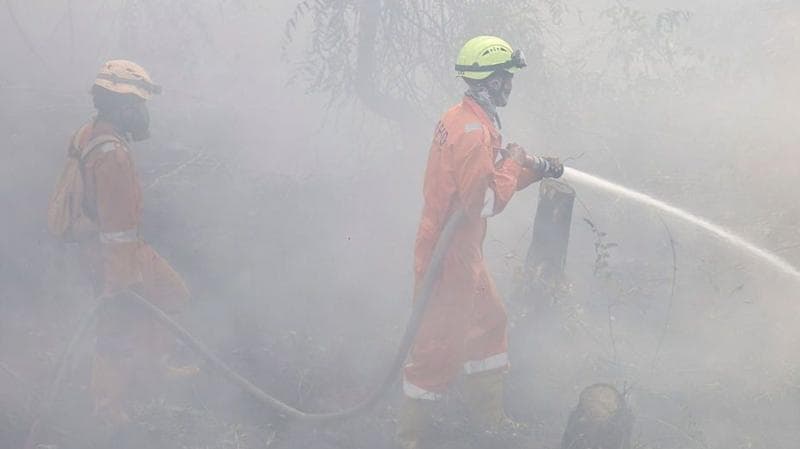
Climate change is driving temperature increases worldwide, particularly in Europe, which is warming twice as fast as the global average according to the Copernicus climate service. This trend is causing more frequent summer heatwaves, increased pressure on water supplies, and more intense wildfires. Last year, Europe experienced a record 1 million hectares burned, with Spain notably affected.
Spain and Cooling Atlantic Air
Although Spain is expected to see temperatures peak at 38-39°C in some areas on Thursday, forecasters indicate that a cooler mass of Atlantic air is approaching. This follows the highest June temperatures recorded this week, including 45.1°C in the southern town of Andújar on Monday.
Germany's Heat Records and Warnings
In Germany, the southwestern town of Bad Bergzabern recorded overnight temperatures that did not fall below 26.2°C on Wednesday night, matching a national heat record set in 2019. The German Weather Service (DWD) reported widespread "heat stress" and meteorologist Oliver Reuter suggested the heatwave could be considered historic.
Luxembourg and Travel Disruptions
Luxembourg recorded its highest June temperature of 38.3°C in Wormeldingen on Wednesday. The country has extended a red alert for "extreme thermal stress" until Saturday night.
In Germany, Hamburg's half marathon scheduled for Sunday has been cancelled. National train operator Deutsche Bahn is offering free ticket cancellations for travelers wishing to avoid the extreme heat. Czech Railways have advised passengers to consider postponing non-essential trips.
Heatwave Intensifies in the Czech Republic and Austria
Temperatures in the Czech Republic reached the 30s on Thursday, with the ČHMÚ Hydrometeorological Institute forecasting intensification on Friday and weekend highs up to 40°C. Vienna, Austria, is also expected to experience temperatures reaching 40°C over the weekend.
UK Extends Extreme Heat Warning
The UK's Met Office has extended its red extreme temperature warning until Friday evening for parts of London and southeastern England.
Italy Prepares for Peak Heat
Florence's Uffizi museum has suspended ticket sales until 28 June, allowing entry only to visitors with prior bookings. Management cited the air conditioning system's inability to cope with the high visitor flow and extreme temperatures, which reached 32°C inside the museum on Wednesday.
Italians have experienced high temperatures since the start of the week, with the peak expected on Monday when temperatures may exceed 40°C in northern regions. Nighttime temperatures in these areas may not fall below 29°C.
"Gone are last century's June days of 32C daytime temperatures and cool 17C nights,"forecaster Lorenzo Tedici told Italian media.
"We have become so accustomed to excess that, paradoxically, today we welcome a forecast of 34C as good news."