Disabled man 'rotting' on a hospital ward despite being fit to go home
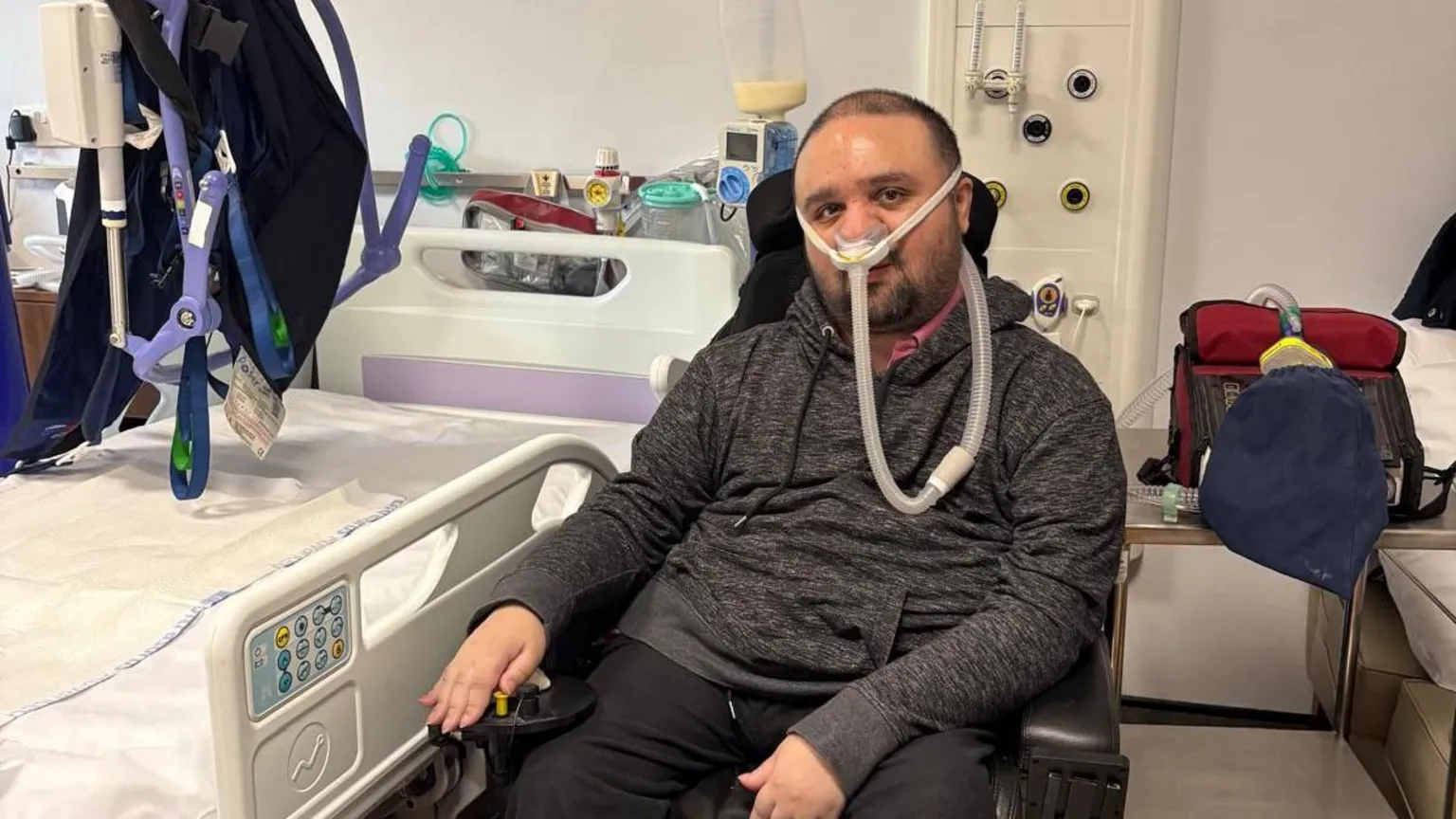
A disabled man reports being left "rotting away" in hospital for eight months after his local NHS board discontinued his 24-hour home support.
Ravi Mehta, who has a life-limiting disability, was admitted to hospital in September 2025 for a routine appointment to adjust his ventilator settings.
He was expected to return home three days later; however, months later, he remains on a hospital ward.
The 36-year-old, diagnosed with Duchenne muscular dystrophy, states he was informed "from the beginning" that he was medically fit to leave the hospital. Nevertheless, the budget allocated by his local NHS integrated care board (ICB) to fund the staff required to support him at home has since ended.
Mehta requires two healthcare assistants around the clock and describes each unnecessary day on the ward as precious time "fading away."
'My life has essentially stopped'
Previously, Mehta had a personal health budget (PHB), an NHS funding mechanism designed to provide individuals with more flexibility to arrange the support they need to live their lives. This budget was terminated by the ICB responsible for planning and funding local health services.
Mehta believes the care board aims to have him accept a care model that is either less costly or more restrictive than what he requires.
"I feel like they see me as the person that needs too much care and support - more than they want to give."
He told the BBC he is currently being "pressured" by the NHS to move into a care home instead of returning to his family home, where he previously worked, attended football matches, and socialized with friends.
The support he would receive in a care home, he says, would significantly limit his life.
NHS South East London ICB stated they "strongly refute any suggestion that decisions in this case have been driven by cost."
The BBC has also heard from other disabled individuals who report being "stranded" in hospital due to prolonged disputes over their NHS-funded care outside hospital settings.
Campaigners and patients believe care boards are increasingly scrutinizing complex care packages, such as Mehta's, to reduce costs.
This scrutiny reportedly pushes patients toward more traditional, risk-averse options, such as agency care or care homes, according to complex care experts.
Although Mehta's ICB denies cost considerations influenced their decisions, the BBC has reviewed a letter from NHS South East London's lawyers to Mehta's representative citing "cost-effectiveness" as a reason why some home care packages might be refused.
Frances Tippett, a former NHS leader, commented that for some disabled people requiring extensive support, "it feels like the clock is being turned back" from personalized support toward more restrictive care types.
Before his hospital admission, Mehta, a business management graduate, worked part-time for a charity supporting others with Duchenne muscular dystrophy.
He now describes feeling as though he is "rotting away for no reason" in a hospital room.
Mehta reports that his physical condition has deteriorated during his hospital stay; he is weaker, more dependent on his ventilator, and finds it harder to operate his wheelchair.
Mental health-wise, he experiences isolation, anxiety, and depression.
"Instead of living my life, I'm stuck in hospital where my life has essentially stopped,"
he said.
Mehta states he is caught in a dispute with NHS South East London ICB over the type of support and budget necessary for a safe return home.
"It feels like I've been treated inhumanely,"
he added.
The BBC has seen correspondence suggesting that if Mehta does not accept a care home placement, he may be charged daily rates for hospital stay. If he self-discharges, he was told all his care would be terminated.
"I'm stuck between a rock and a hard place. There are moments when I genuinely fear I'll never leave,"
Mehta said.
NHS South East London ICB did not respond to these specific allegations when contacted by the BBC.
However, the ICB described the case as "longstanding and complex," acknowledging the distress caused by a prolonged hospital stay for Mehta and his family.
A spokesperson said the board's actions were "guided by clinical safety, governance responsibilities, and the need to find a viable long-term solution that meets Mr Mehta's assessed needs."

They added that the ICB had gone beyond usual arrangements to provide appropriate support, including funding above the agreed directly commissioned and personal health budget during the process of procuring another specialist provider identified by Mehta.
Dedicated staff have been recruited, trained, and risk-assessed to support his care needs upon hospital discharge.
"We remain committed to working with Mr Mehta, his family, and partners to reach a constructive way forward and to supporting a safe discharge as soon as can be enabled," the spokesperson concluded.
'Please get as much help as possible to rescue me'
Lucinda Ritchie is experiencing similar challenges.
She has complex clinical needs and requires an expensive care package that campaigners say ICBs scrutinize to manage budgets.
The BBC first reported on her case in February when the 33-year-old was moved from hospital to a nursing home against her will.
For eight years, Ritchie lived in her own adapted bungalow in West Sussex with 24-hour nursing support arranged and funded by NHS Sussex.
She was pursuing a master's degree in sustainability and has twice been recognized in the Disability Power 100 list as one of the UK's most influential disabled people.
After a prolonged hospital stay, Ritchie expected to return home but was relocated in February to a nursing home one hour from her home and family. Within two days, her condition worsened, and she was readmitted to hospital.
Ritchie has full mental capacity and was entitled to refuse the placement.
She states her electric wheelchair was powered off, and she was manually pushed into an ambulance while protesting.
NHS Sussex and Surrey ICB said they commissioned the nursing home placement for Ritchie's safety but have not explained how moving her without consent was legally justified.
When asked if the move was unlawful, the ICB said the hospital moved her. East Surrey hospital indicated the bed was needed for other patients and stated all such moves are thoroughly planned with the patient.
Following BBC coverage, Ritchie's case attracted wider scrutiny.
In early March, her situation was raised in the House of Lords, where crossbench peer Baroness Jane Campbell warned of a "backward slide from independence to dependency and exclusion" for disabled people.
Three months later, Ritchie remains in Tunbridge Wells Hospital, occupying one of nine intensive care beds in the unit.
In a social media video recorded from hospital, she pleaded for help, stating:
"This is akin to torture. What is the point of my life?"
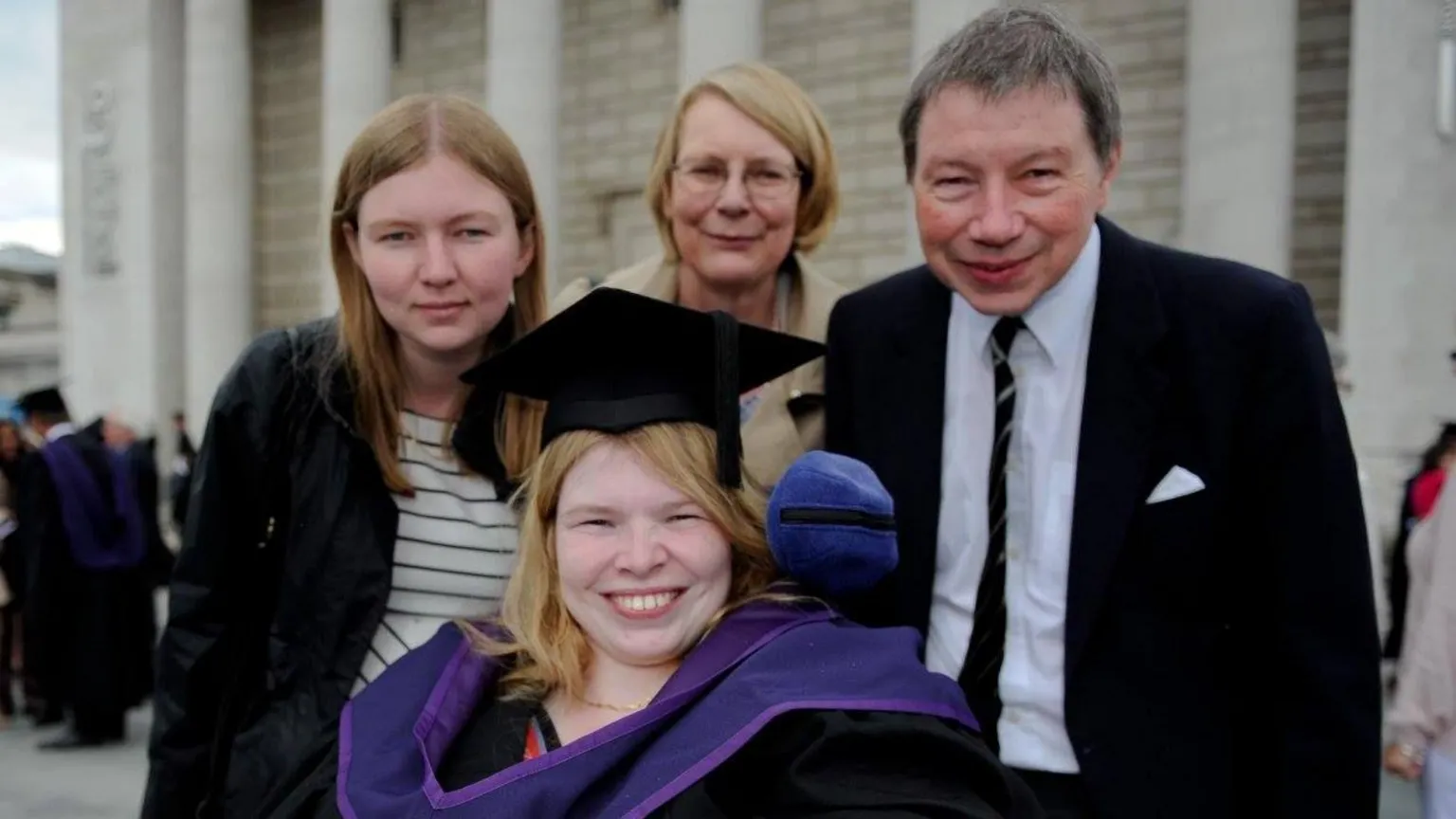
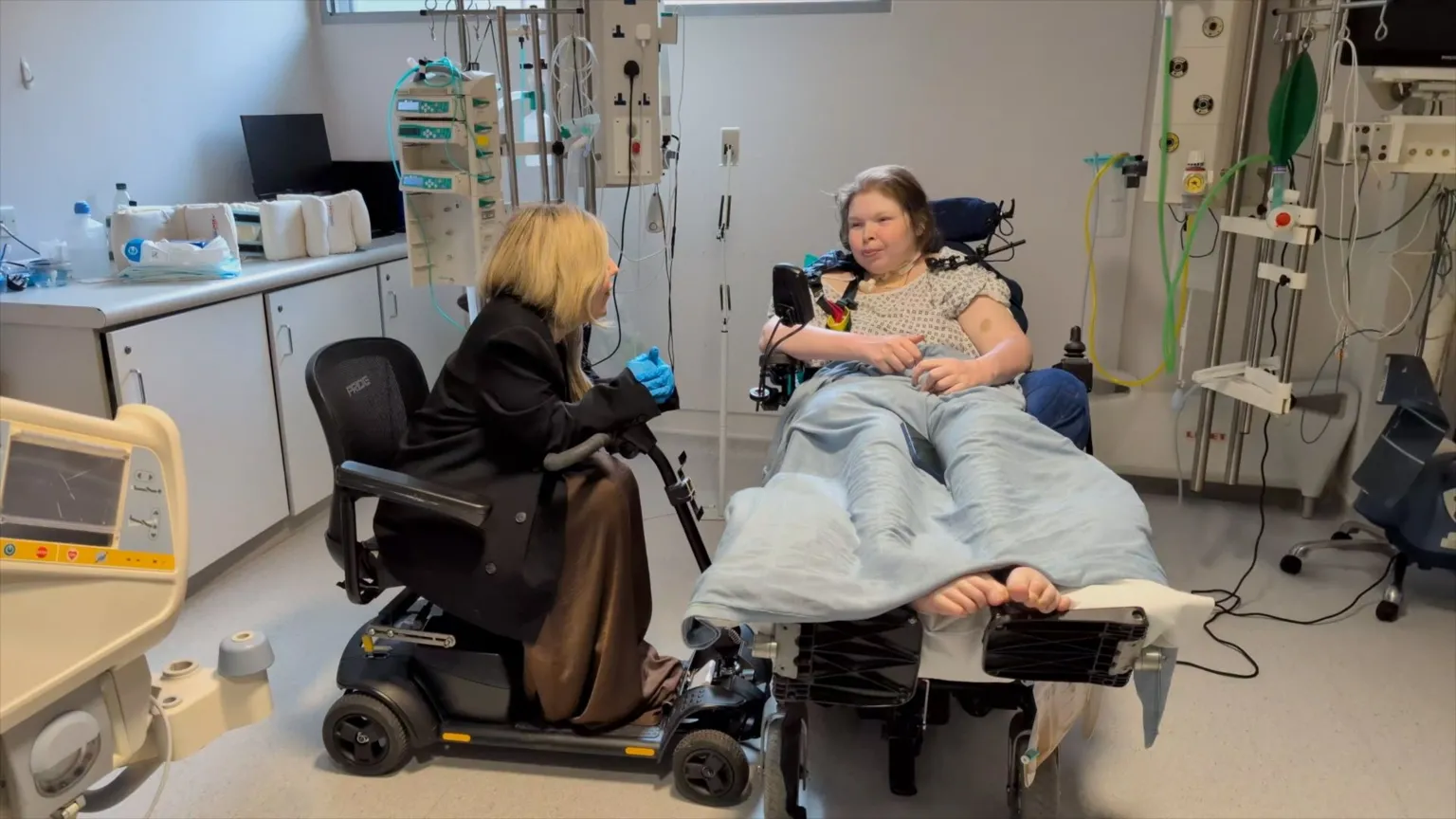
Frances Tippett, former NHS England leader who oversaw personalised care, described the situation as "despairing."
She said disabled people are having "their lives made wretched," hospital staff are "witnessing harm," and "taxpayers are footing the bill" for hospital beds needed by others.
NHS Sussex and Surrey ICB responded:
"We are deeply sorry to hear that Lucinda and her family have ongoing concerns about her care.
Our priority is to ensure that there are plans in place for Lucinda to leave hospital, and she is able to receive safe, high-quality support that meets her needs.
We are working with our partners, and will ensure we involve Lucinda and her family, to plan together for her long-term care at home."
A system under pressure
NHS England policy emphasizes care focused on "what matters to people and their individual strengths and needs."
Care plans are expected to be "co-created with patients," providing individuals with "significant choice and freedom."
However, Tippett, who now chairs the charity Coalition for Personalised Care, states the reality is moving in the opposite direction.
She explains that since an NHS restructure in 2022, integrated care boards have faced intense pressure to balance budgets while losing staff with the skills and knowledge to design complex, person-centred care packages.
Additionally, care packages are among the few NHS expenditures where individual costs are highly visible.
Tippett notes that when budgets are tight, "high-spend" individuals become particularly noticeable.
She adds taxpayers end up funding costly, unnecessary hospital care with no party benefiting.
An NHS England spokesperson said:
"We do recognise that on occasion, delays do occur and sometimes we don't meet the expectations of our patients, service users, and carers. Whenever this does go wrong for individuals, there are clear processes for appeals to be made to ICBs."