

Charly's Battle with Leukaemia and Hospital Concerns
Charly Bisset remains alive due to a stem cell transplant performed by doctors at Glasgow's Queen Elizabeth University Hospital (QEUH), which enabled her to overcome leukaemia.
However, six years later, the 14-year-old expresses a lack of trust in the hospital.
She continues to have unresolved questions regarding life-threatening infections she contracted during her treatment at QEUH and the serious health complications she will face indefinitely.
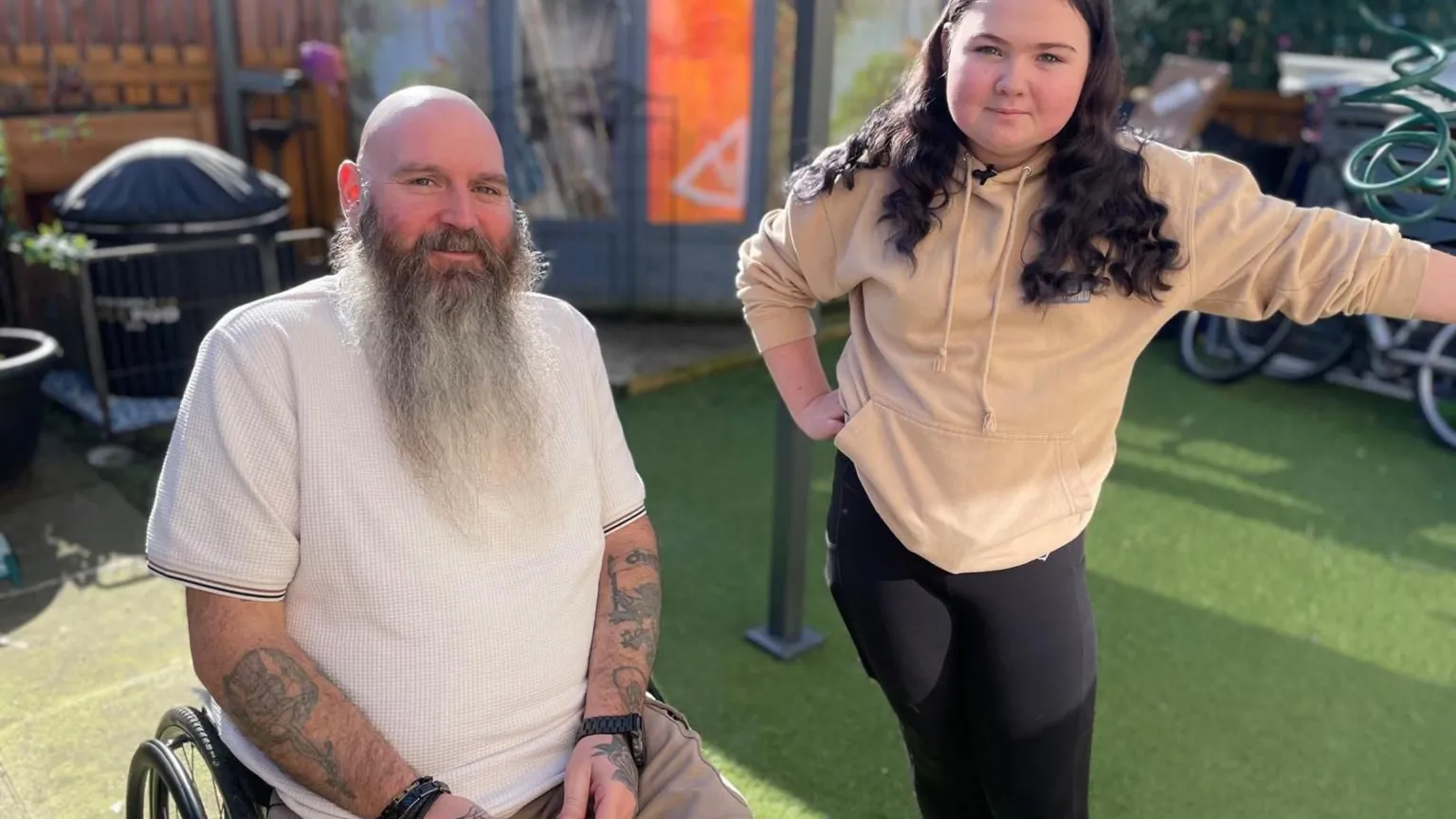
Charly's father, Mark, asserts that the public inquiry investigating issues at the hospital will not provide patients and families with the answers they seek.
The £840 million QEUH campus, opened in 2015, has been at the centre of prolonged controversy concerning claims that bacterial and fungal infections were linked to the hospital environment, especially its water and ventilation systems.
Families of child cancer patients who contracted infections during treatment at QEUH are scheduled to meet First Minister John Swinney on Thursday.
Swinney has stated he will "urgently" consider calls to investigate the long-term effects of medications administered to patients due to water and ventilation problems at the hospital.
Charly, from Peebles, was diagnosed with acute lymphoblastic leukaemia in 2019, three weeks before her seventh birthday.
Following the failure of initial treatment in Edinburgh, she was transferred to QEUH in Glasgow.
She was admitted to the adult hospital because the children's cancer wards were closed after a series of infections.
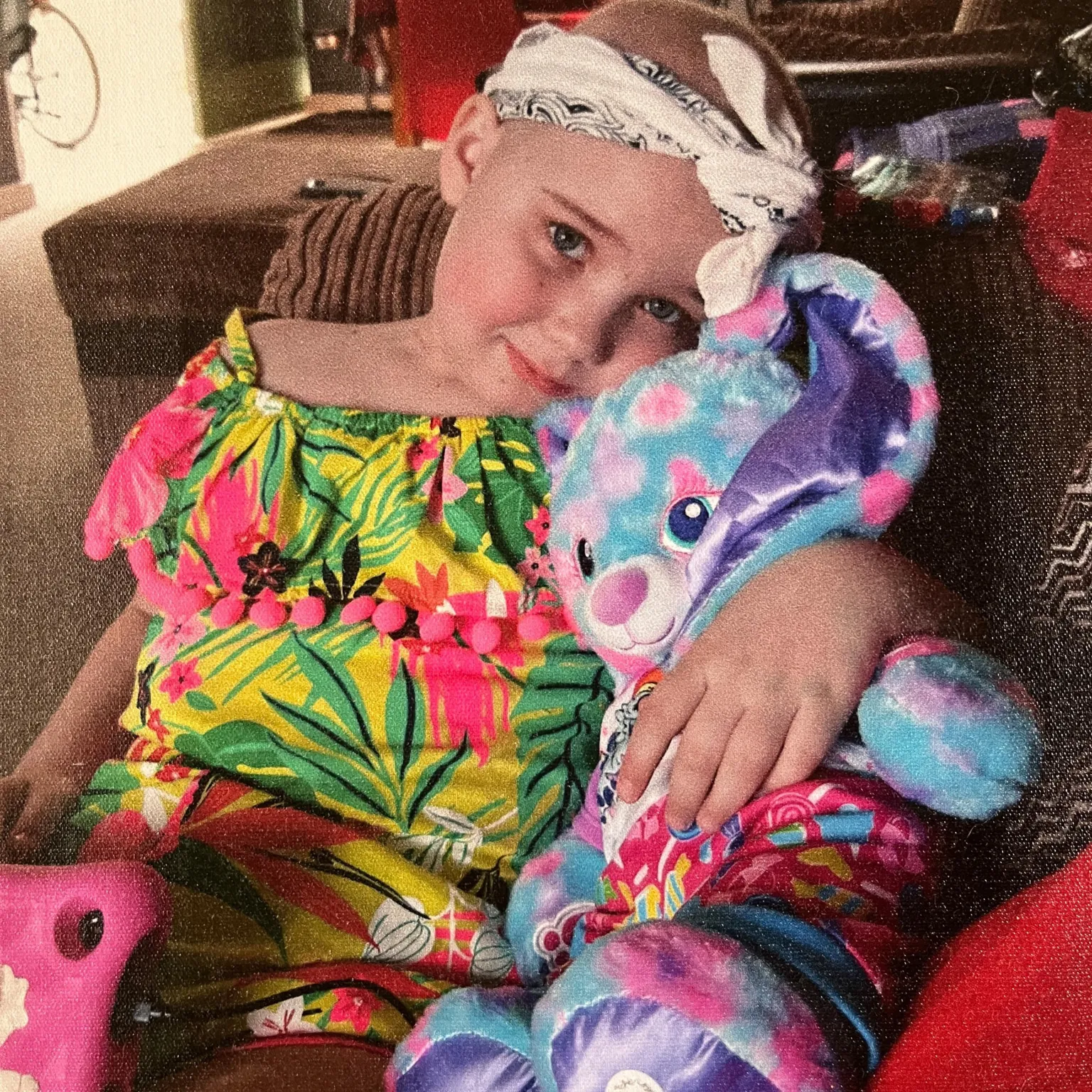
Charly recalls being placed in strict isolation before undergoing total body irradiation – radiotherapy across her entire body – to suppress her immune system prior to a bone marrow transplant from a donor.
"I would wake up, take my meds, take my blood, hook me up to IVs, drips, you name it," she says.
"I was hooked up to everything. You just think, yep, this is normal."
Precautionary Measures and Medication Challenges
The public inquiry has heard testimony that children, including Charly, were administered precautionary antibiotics due to concerns that the hospital's water and ventilation systems posed an increased infection risk to immunocompromised patients.
"I remember I was on a lot of meds," Charly states.
"It was about 50 meds in the morning and it was so hard to keep them down because you were so sick you just couldn't keep them all down at once.
"You weren't allowed to drink the water, you had filters on the taps. But you just think that's normal because you don't know."
Although Charly's stem cell transplant was successful, she developed life-threatening sepsis in the days following and was admitted to intensive care.
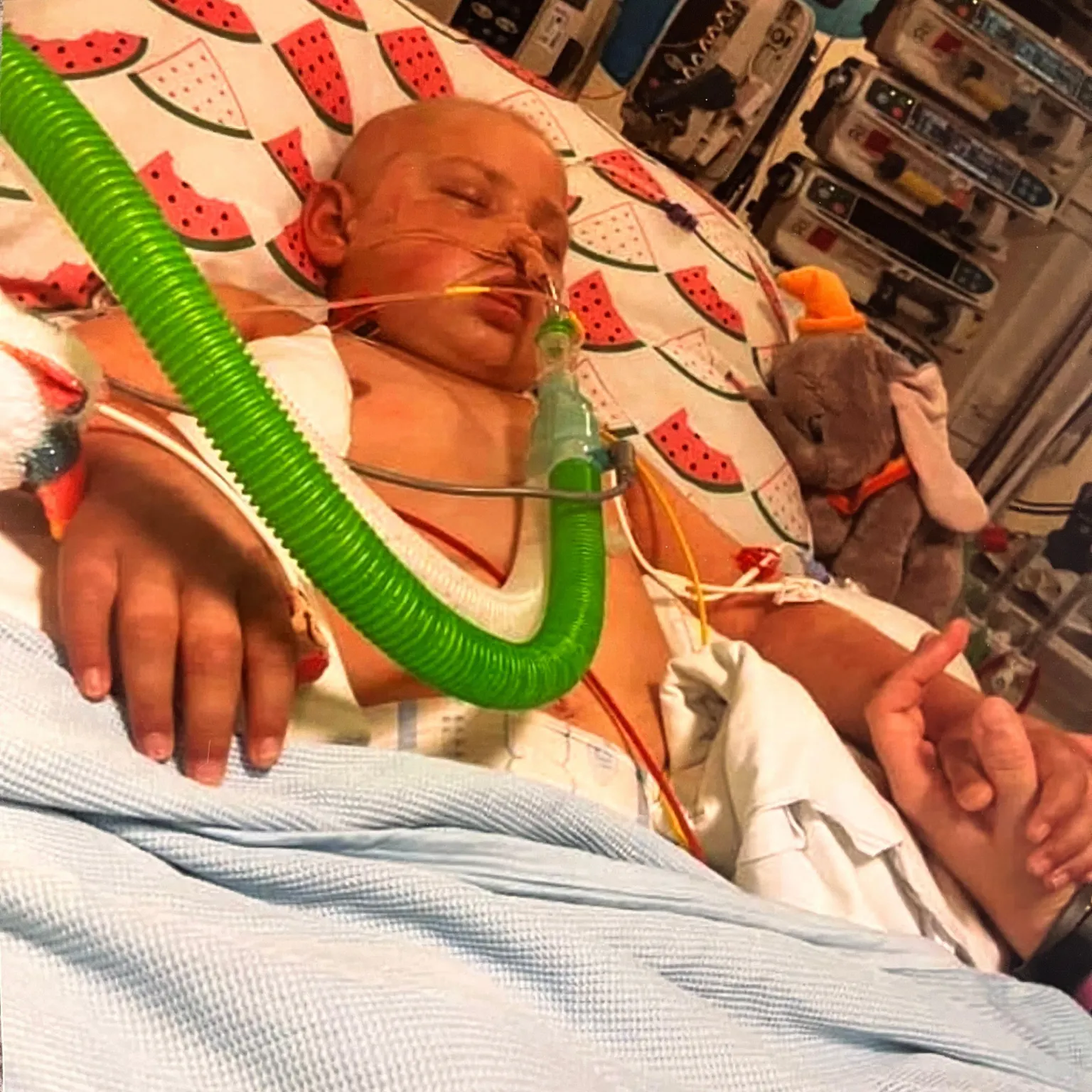
"It's a nightmare," Mark says. "It's a living hell.
"I said the worst ever news is getting told that your kid has cancer but then to be watching their life fading away in front of your eyes is even worse.
"It wasn't just once or twice, it was four times we were sitting there and called the family in to say goodbye."
In addition to treatment for a severe viral infection in her bloodstream, Charly was administered potent anti-fungal medications after tests indicated aspergillosis – a fungal lung infection caused by mould spores in the air.

Mark explains that this was not clearly communicated to them at the time.
"It was always referred to as fungal infections," he says.
"And then when she ended up in intensive care I heard the nurse saying on a handover to the evening shift that Charly has got high levels of aspergillus.
"I just questioned the nurse about, 'she's got what'?"
Mark recounts researching aspergillus and its mode of contraction after hearing this.
"After I read what it was, that it come from mould and building work, I'm like, 'well that can't be happening in a hospital'."
He suspects that spores may have originated from the hospital's ventilation system.
In Ward 4B, where Charly was treated, Mark photographed the adjacent empty isolation room, which was sealed off for repairs.
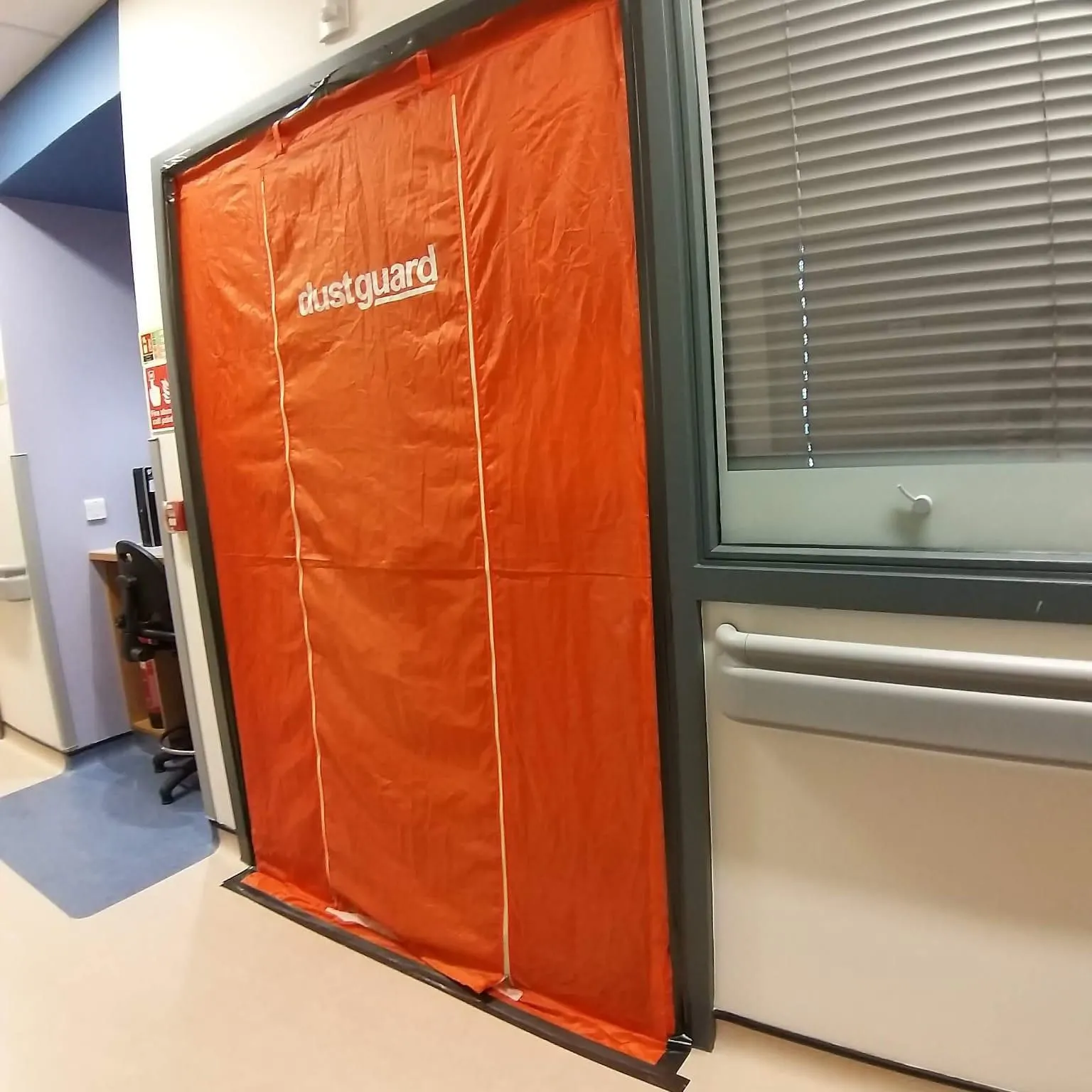
In 2024, the public inquiry received evidence from microbiologist Dr Christine Peters that aspergillus mould had been detected in air samples from Ward 4B and the children's cancer wards as early as 2015.
After spending seven weeks in intensive care, Charly was transferred back to Ward 4B and eventually discharged home in November 2019. Doctors maintained her on anti-fungal medication until March of the following year.
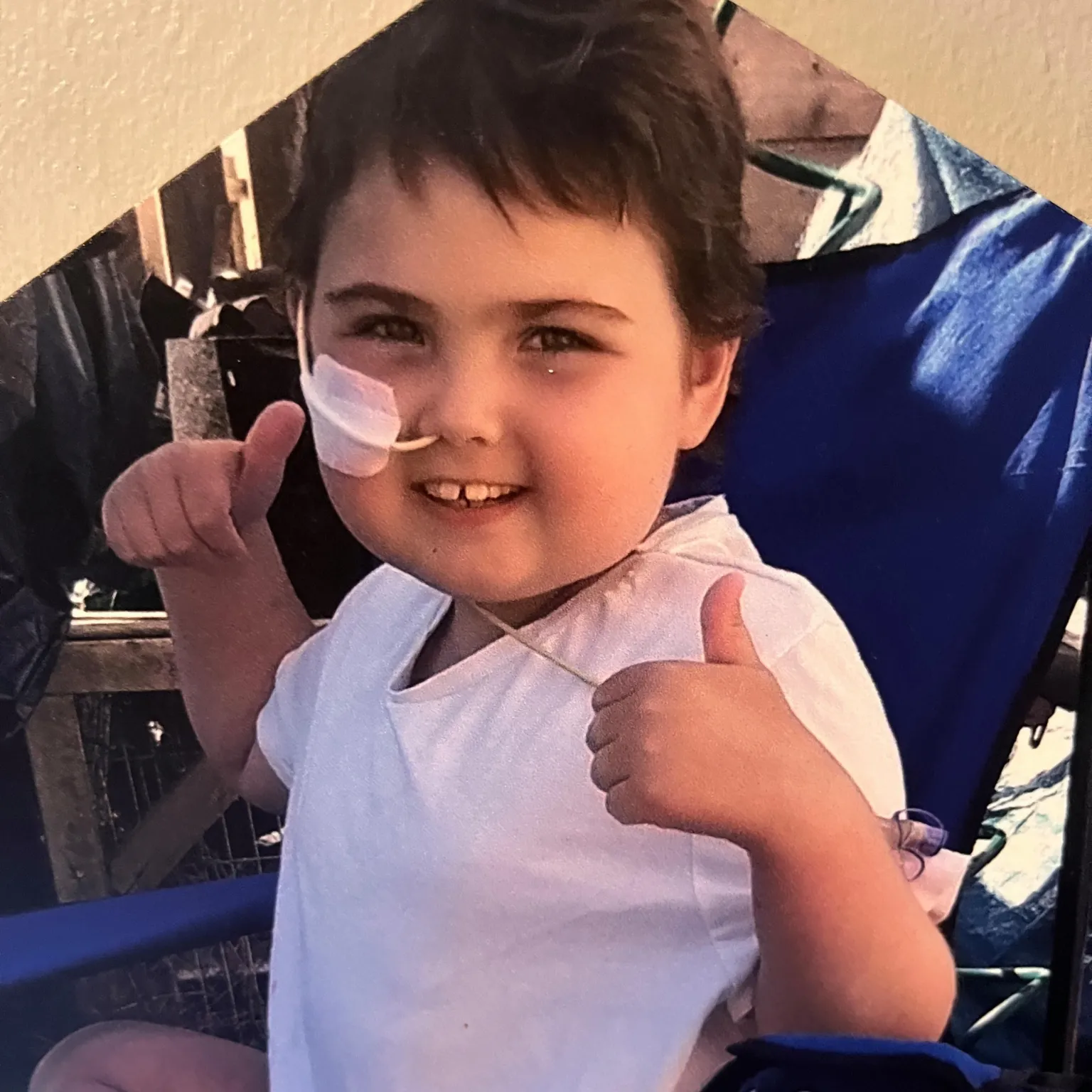
Mark expresses concern that the extended use of these medications may have had lasting effects on Charly's health.
"It's not a long-term drug yet Charly was on them for months," Mark says.
Long-Term Health Impact and Ongoing Fears
Charly, who was seven during her hospital stay, describes the impact on her as she grows older as "really overwhelming."
Although she is now cancer-free, she suffers from adrenal insufficiency, which Mark believes may be linked to the anti-fungal treatment.
This condition means her body cannot produce essential hormones, affecting her daily life.
"If I fall over, if I hit my head, pass out or break a bone, I need this injection within half an hour or my body starts to shut down and it can kill me," she explains.
While unaware of the hospital's issues when younger, Charly now dreads returning for check-ups.
"I hate going there because I just don't feel safe," she says.
Mark notes that although the public inquiry is investigating the hospital's ventilation and water system problems, it will not examine individual patient cases like Charly's.
"I couldn't be any more grateful for the transplant doctor and intensive care staff that brought her back to life," he says.
"But the people running that hospital are putting lives at risk on a daily basis."
Hospital Response to Building Challenges
A statement from NHS Greater Glasgow and Clyde acknowledged challenges related to the hospital's build quality since its 2015 opening and recognized the impact on patients.
"Where historical issues have been identified, comprehensive programmes of remediation and assurance have been undertaken. Safety is actively managed everyday and we continue to monitor performance including the use of approved equipment to ensure wards remain safe for our patients," the statement said.
"This includes thorough testing of the water and ventilation to provide additional safety assurance, particularly for our vulnerable patients.
"While we cannot comment on individual patient cases due to confidentiality, consultants are always transparent with families about medication provided.
"As part of the ongoing Scottish Hospitals Inquiry, a number of matters are being investigated, and we are fully committed to supporting the inquiry in its considerations of the planning, design, construction, commissioning and maintenance of the QEUH/RHC."
NHSGGC emphasized its continued focus on delivering safe, high-quality care for all patients and encouraged anyone with concerns to come forward.


