Personal Experience with Hyperemesis Gravidarum
BBC journalist Linzi Kinghorn sought to understand why a medication for pregnancy sickness is not easily accessible to all who need it.
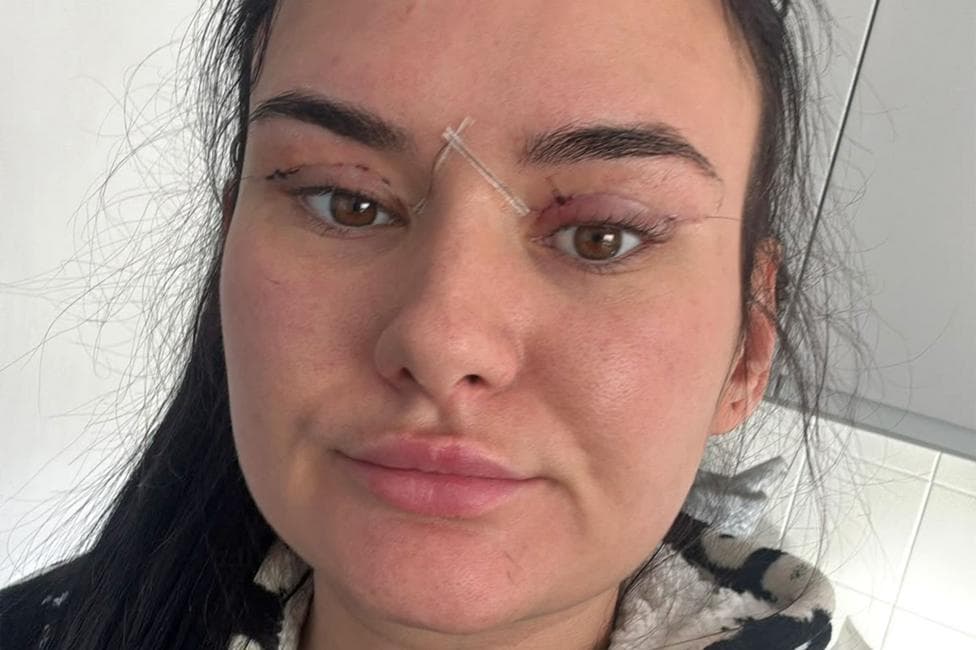
Upon discovering she was pregnant, Linzi visited her local GP due to severe sickness. She felt extremely unwell, struggling to get out of bed and unable to keep food down, initially assuming it was typical morning sickness that would subside.
Her GP diagnosed her with Hyperemesis Gravidarum (HG), a severe form of pregnancy sickness, which prompted her to explore treatment options.
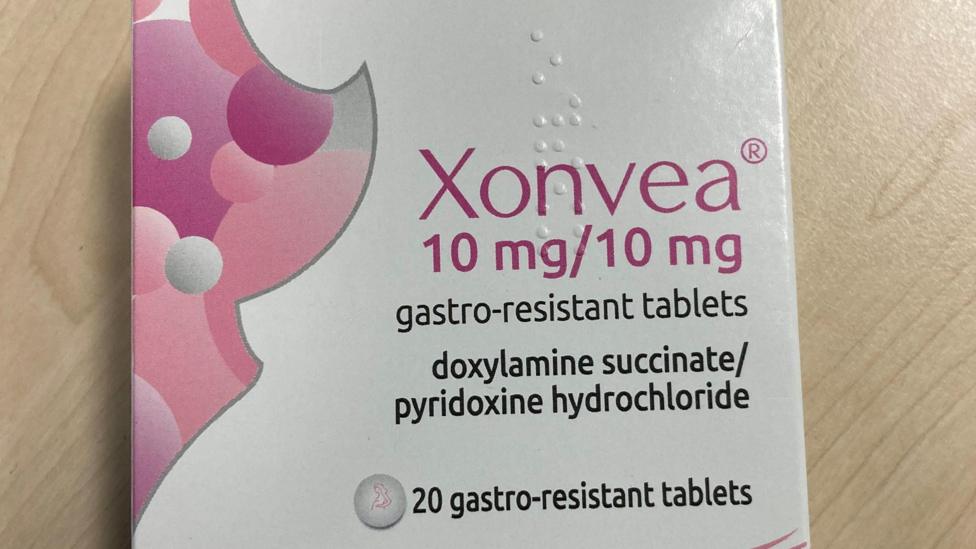
She was informed that several first-line drug treatments are available on the NHS, including Doxylamine Succinate and Pyridoxine Hydrochloride, marketed as Xonvea in the UK.
Linzi found Xonvea effective and easy to access, but was surprised to learn that other pregnant women encounter difficulties obtaining it.

Jasmeen Basi’s Struggle for Access
Jasmeen Basi, a mother of three from Southampton, described the challenge of obtaining the drug as "life-changing."
"I felt really hideous. It did get to a point where I went to the doctor and said: 'I am feeling really off and I am being sick about 10 times a day'.
"You can't eat anything. I would smell water and I would vomit.
"I would hit my head so hard against the wall in my house, that my head would throb and I would have relief from the sickness. It's really hard to explain how utterly horrific it is."
She was initially prescribed one of the first-line treatments, but it was ineffective:
"It nowhere touched the sides. I was still being sick every day.
"But it was slightly less. Maybe I was vomiting six times rather than 10."
After spending much of her second pregnancy in A&E, Jasmeen researched and requested Xonvea during her third pregnancy.
"As soon as I got that positive test result, I was on the phone to the GP and said I've got a really severe history of HG. I want to be put on to Xonvea. I've tried all the other drugs," she explained.
"There seemed to be this red tape, where the GP couldn't prescribe it and so she was having to get it approved by a consultant.
"I was on the phone almost every day chasing up."
After limited progress, Jasmeen paid for a private GP appointment and prescription.
"I had a call with a private GP. It was less than four minutes long.
"And within about two minutes of me finishing that phone call, I had that prescription in my inbox.
"It was completely life-changing. I could function."

Access and Effectiveness of Xonvea
Marianne Eldridge from the Pregnancy Sickness Support charity highlighted that access to Xonvea is inconsistent across the UK.
"We did a survey about this last year because we wanted to gather some data about it.
"And actually the vast majority of women who'd had this medication said that they found it effective and actually more effective than other medications that they tried."
Despite its effectiveness, Xonvea is not always the first medication prescribed.
Professor Catherine Nelson-Piercy, Lead Developer of national guidance for managing Hyperemesis, stated:
"Of all the drugs that we use to manage nausea and vomiting in pregnancy, Xonvea is the only one that has a specific label for use to treat nausea, vomiting and hyperemesis."
"That means the Medicines Health Regulatory Authority (MHRA) has said this drug is safe, this drug is effective, we've reviewed all the evidence.
"Because of the different costs of Xonvea as opposed to these other first-line antihistamine anti-sickness drugs, it is actually unlikely to be the drug she's offered first if she goes to a general practitioner in this country.
"It costs about £28 per packet, whereas the older drugs, they are about £3 or £4, something like that.
"Xonvea isn't put above or below any of the others.
"It's an equally effective drug, or equally safe drug, as all the others, so the guideline doesn't specify use Xonvea before a different anti-histamine, or use it after, it's just equal place, it's one of the first line treatments."
Cost and Regional Variations in Prescribing
Professor Nelson-Piercy noted that cost could influence prescribing decisions for anti-sickness drugs.
In the UK, access to Xonvea depends on local Integrated Care Boards (ICBs). For example, in Hampshire and the Isle of Wight, Xonvea is included in the official formulary of approved prescription medications.
Jasmeen Basi was prescribed Xonvea by her GP in this region, though it took seven weeks to obtain.
Marianne Eldridge stated:
"Getting hold of Xonvea in the UK at the moment is really difficult. It's a postcode lottery drug.
"It's great that it is on the formulary now in Hampshire, however, it's one of these areas where they've added a few little criteria on to their prescribing list. So they've suggested that women who are not suitable for other antiemetics can try it.
"We are calling for equality of access to this medication for women in the UK who are suffering with pregnancy sickness and would like to try it, so we just want it to be an option for everybody if they would like to have it."
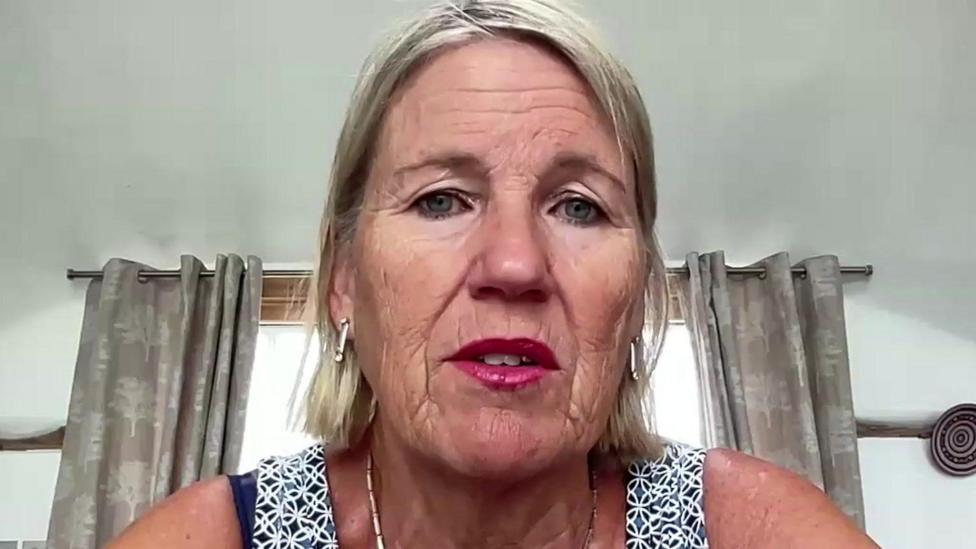
Neil Hardy, Chief Pharmacist for NHS Hampshire and Isle of Wight, commented:
"Xonvea is included on the local formulary as an option for treating nausea and vomiting in pregnancy.
"Following evidence review, it is not currently the preferred first-line treatment option, but it can be considered for women who have not responded to, or are not suitable for, other established treatments.
"We recognise that experiences of accessing medicines can vary, and we welcome the move towards a national formulary, of which we are an early adopter site, and aims to support greater consistency across the NHS."
National Efforts and Official Statements
A Department of Health and Social Care spokesperson said:
"Decisions about what medicines to prescribe are made by the doctor responsible for the patient's care" and that includes "Xonvea for nausea and vomiting in pregnancy."
"Work is already underway to move towards a Single National Formulary for medicines, as committed in the 10 Year Health Plan which is being designed to improve equitable access to medicines across all parts of the country."
You can follow BBC Hampshire & Isle of Wight on Facebook, X, or Instagram.
- 'I lost 3st and was sick 40 times a day during pregnancy'
- Mum, 26, 'wants to be sterilised' due to problems accessing sickness drug
- 'Women like me with severe sickness have to end our pregnancies'
- Pregnancy sickness: 'I thought I was dying'