Complex Allergies Lead to US Treatment
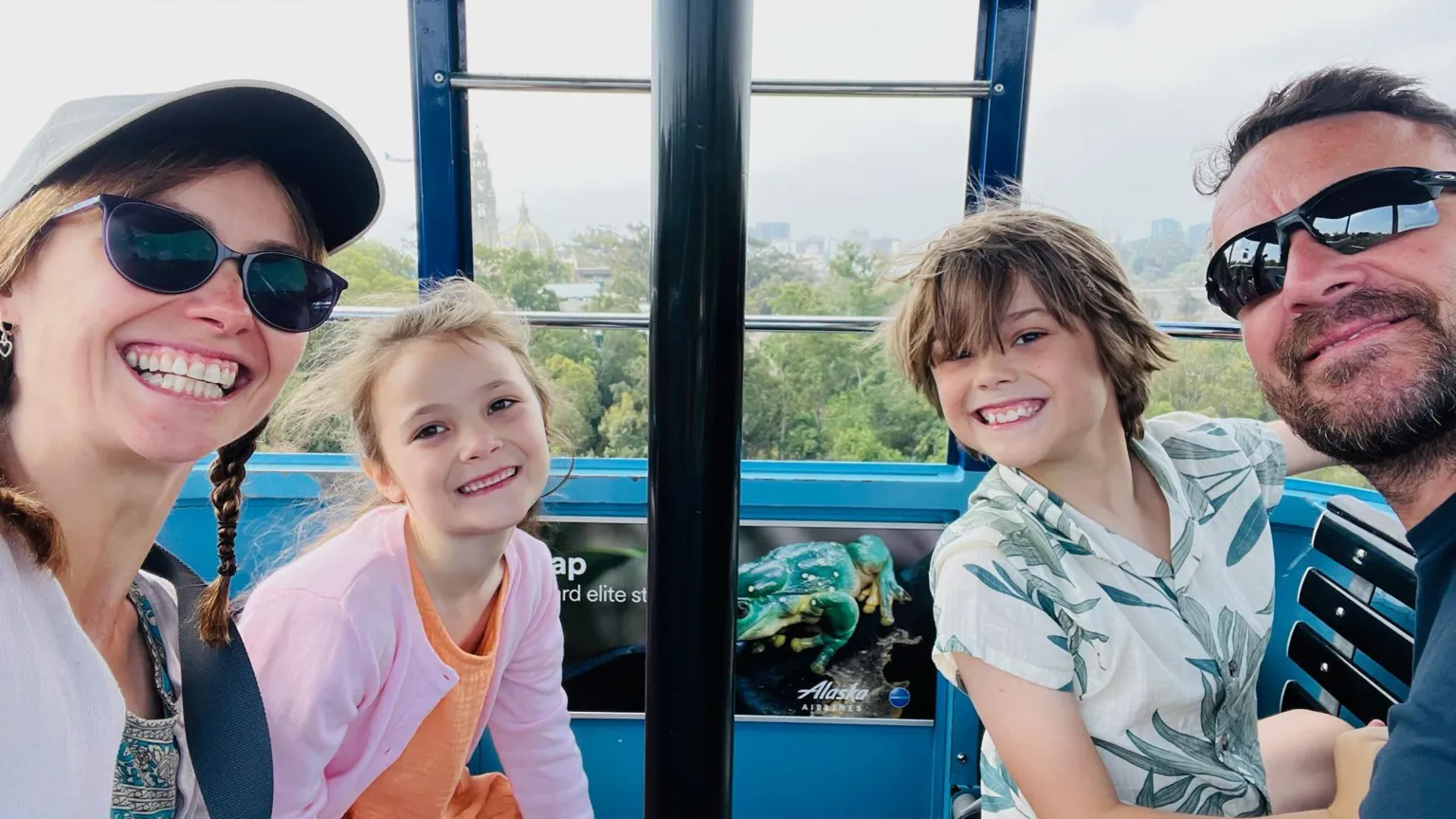
A 10-year-old boy, Yann Jennings, suffers from 20 complex allergies, including seafood, coconuts, and cats, requiring regular visits to the United States for specialized treatment.
For the past 18 months, Yann has traveled 5,000 miles (8,046 km) every 12 weeks, progressing from not being able to have nuts in the house to consuming some types daily.
His mother, Katie Hutt, 46, hopes Yann will achieve remission by the time he enters secondary school after enrolling him in an allergy elimination programme in California, which costs approximately £30,000 annually.
Katie stated that the NHS in the UK could not provide adequate support for Yann's "complex" allergies, while the Welsh government affirmed that all individuals "deserve timely access to the services and support they need."
Yann is expected to miss a total of 18 months of school during his four-year treatment plan in the US.
The family stays in California for about a week every three months, with Katie and Yann's sister Mai, eight, educating him themselves during school absences.
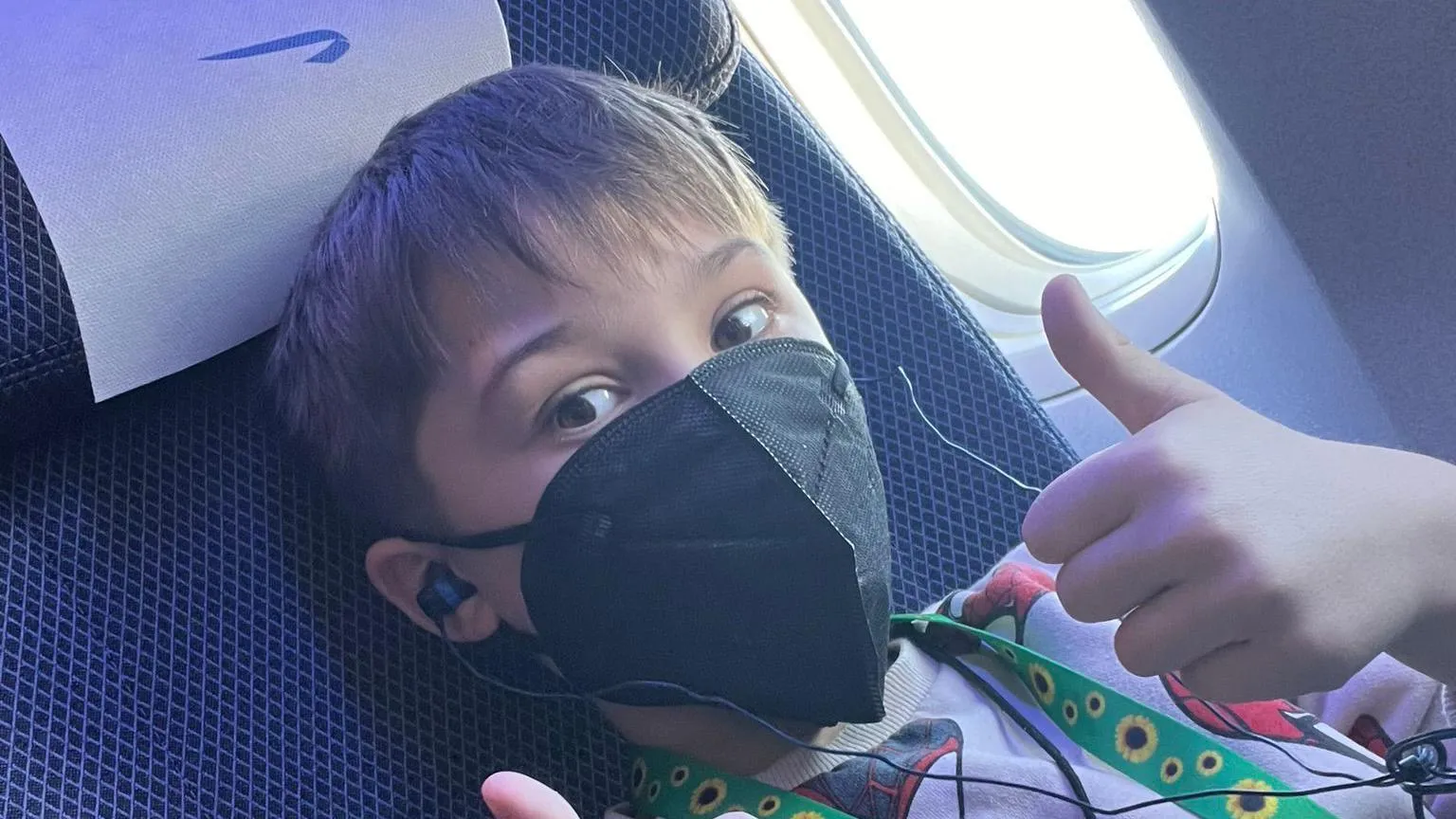
Some experts note that similar treatments may be available privately in the UK but acknowledge that NHS provision requires improvement.
"I learned from joining allergy groups on Facebook and learning from other parents whose kids already had anaphylaxis [allergic reactions], what it could potentially look like," Katie said.
Early Allergies and Diagnosis
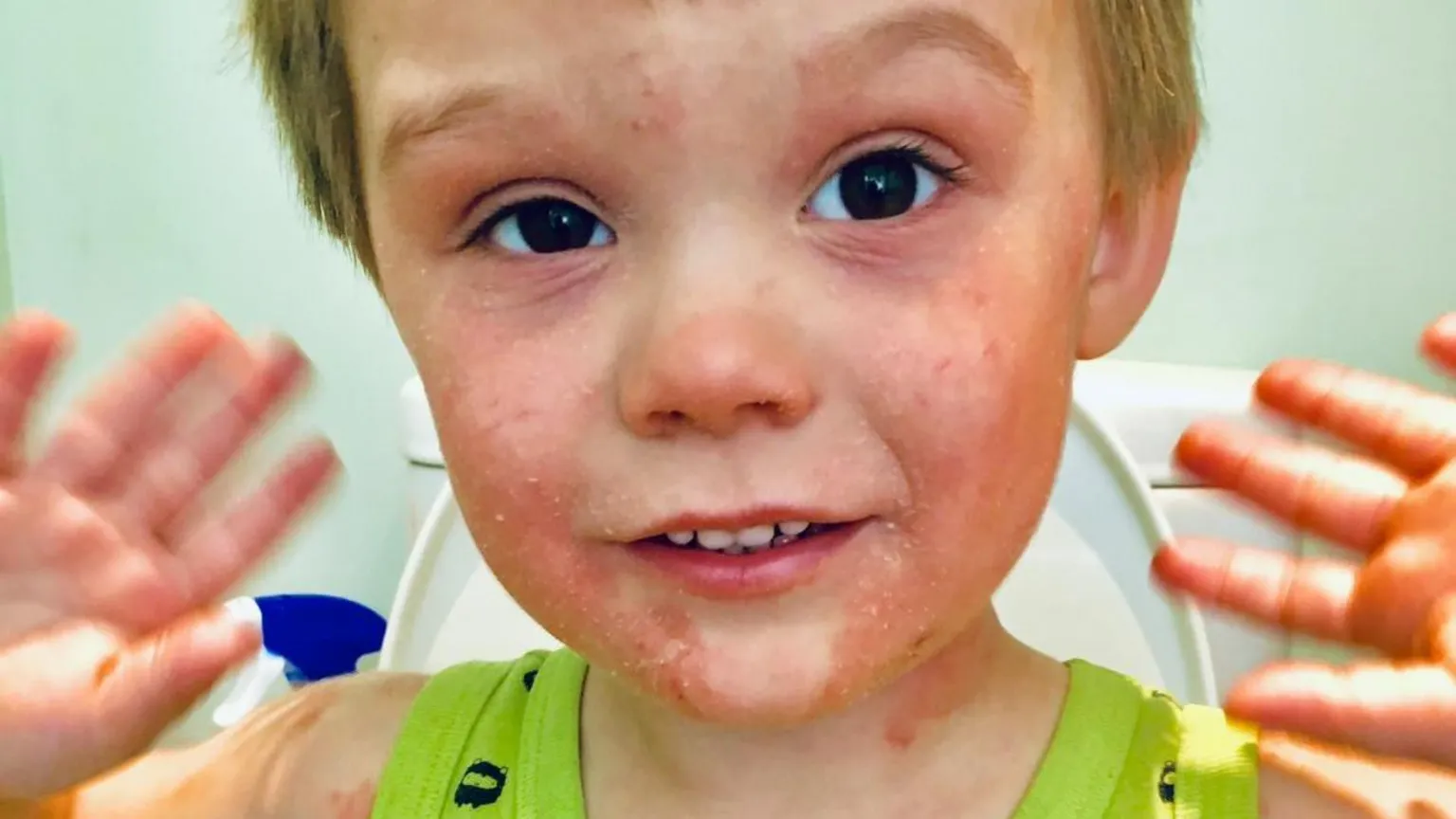
As a baby, Yann experienced severe eczema, and at six months, blood tests revealed allergies to milk, peanuts, and eggs.
Through "some trial and error experiences," the family identified many additional allergies, including dairy, wheat, tree nuts, coconut, seafood, red fish, pulses and beans, kiwi, sesame, dogs, cats, horse, pollen, flaxseed, chia, poppy seed, buckwheat, millet, peas, chestnut, quinoa, rye, oats, and pumpkin.
Katie described how Yann would "flare up" if exposed to any of his allergens in a room and felt safer outdoors or with windows open.
Regarding treatment options, Katie said,
"By the time he was three, we'd exhausted all options in Wales. We were told he's too complex, he's too high risk."
Understanding Anaphylaxis
Anaphylaxis is a potentially life-threatening allergic reaction that can occur suddenly and rapidly, according to the NHS.
It happens when the immune system mistakenly identifies a food or substance as a threat, triggered by food, medicine, or insect stings.
Symptoms can appear within seconds and include throat swelling, wheezing, coughing, and difficulty breathing.
UK-wide data indicates over 25,000 hospital admissions annually for allergies and anaphylaxis in England—double the number from 20 years ago—with about 1,000 admissions in Wales.
Up to 4% of preschool children and 2.4% of UK adults live with food allergies, according to the charity Anaphylaxis UK.

While hospital admissions for severe allergic reactions have increased, fatalities remain "exceptionally rare," occurring in less than 0.001% of cases.
Previous Treatments and Current Programme
Katie, a businesswoman from Cardiff, and her husband Neil Jennings, 49, enrolled Yann in a medical trial in London for peanut allergy in toddlers when he was three. Although Yann improved, the trial ended.
Yann then began oral immunotherapy treatment, which caused complications, leading doctors to discontinue it.
In August 2024, the family visited a not-for-profit clinic in California offering a pioneering allergy elimination programme.
Yann received a bespoke treatment plan expected to take four years, aiming to render him allergy-free.
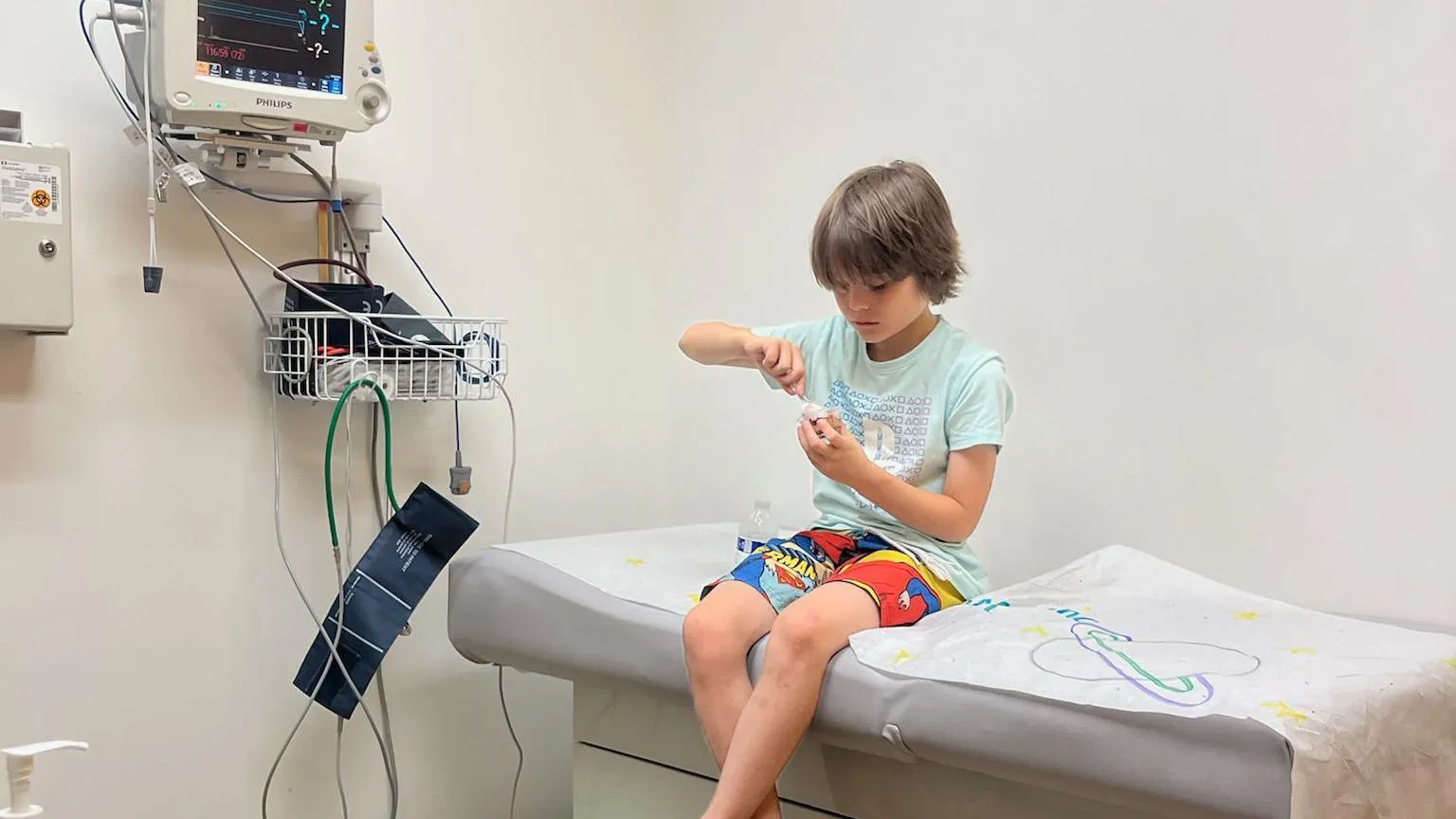
The treatment involves administering tiny amounts of a protein closely related to the allergen, with doses adjusted every 12 weeks by doctors. Yann continues daily small doses to maintain progress, increasing his tolerance over time.
"It's quite full-on, it's a huge commitment in terms of time and effort but it's incredible having seen him go into shock so many times [before]," Katie said.
Since starting treatment 18 months ago, Yann's allergies are no longer airborne, meaning they cannot be inhaled, allowing him to interact safely with friends at school.
"He can actually sit next to people eating other things and it's completely fine," she added.
Yann now enjoys life, holds a grey belt in jiu-jitsu, and participates in swimming, golf, and cycling.
"He's now able to live much more than he ever has been able to," Katie said.
Expert Opinions on Allergy Treatment in the UK
Professor Adam Fox from the National Allergy Strategy Group noted that management of food allergies "has advanced tremendously in the last 10 to 20 years."
"Sadly, NHS provision of these options is extremely limited so in the UK, very few people will have access to these and when they do, it is often through clinical trials rather than regular clinical practice," he said.
"However, all of these options are fully available in the UK in the private sector. Some families choose to travel to the US, often because they do not realise that such treatment is available privately in the UK."
Dr Douglas Jones, co-founder of the Food Allergy Support Team, a nonprofit collaborative of hundreds of allergists across the UK, Europe, and beyond, stated,
"Treatment in the US has evolved substantially beyond strict avoidance alone. Evidence-based options now include oral immunotherapy (OIT), sublingual immunotherapy, and biologic therapies such as Omalizumab, though access still varies significantly based on geography, specialist availability, and financial resources."
Katie explained that while OIT can be effective for some severe allergies, it is unsuitable for high-risk "complex" children like Yann, who has a history of anaphylaxis across many foods as well as severe asthma, hay fever, and eczema.
She believes there is no "viable alternative" in the UK for Yann.
Costs and Support
Most of the £30,000 annual cost for the US treatment relates to travel expenses. The family aims to raise £20,000 of this amount through fundraising efforts.
The UK government has expressed commitment to improving allergy care, mandating that schools in England stock life-saving allergy pens starting September.
"The move will also see compulsory training for teachers and a requirement for each school to have a dedicated allergy policy," a government spokesperson said.
The Welsh government stated that local health boards are responsible for planning and delivering allergy services, emphasizing that residents "deserve timely access to the services and support they need."
All schools have received statutory guidance covering record keeping, storage and administration of medicines, emergency procedures, and staff training to support children and young people with healthcare issues, including allergies.
Cardiff and Vale health board and Public Health Wales have been approached for comment.