

Remembering Oisin Johnston
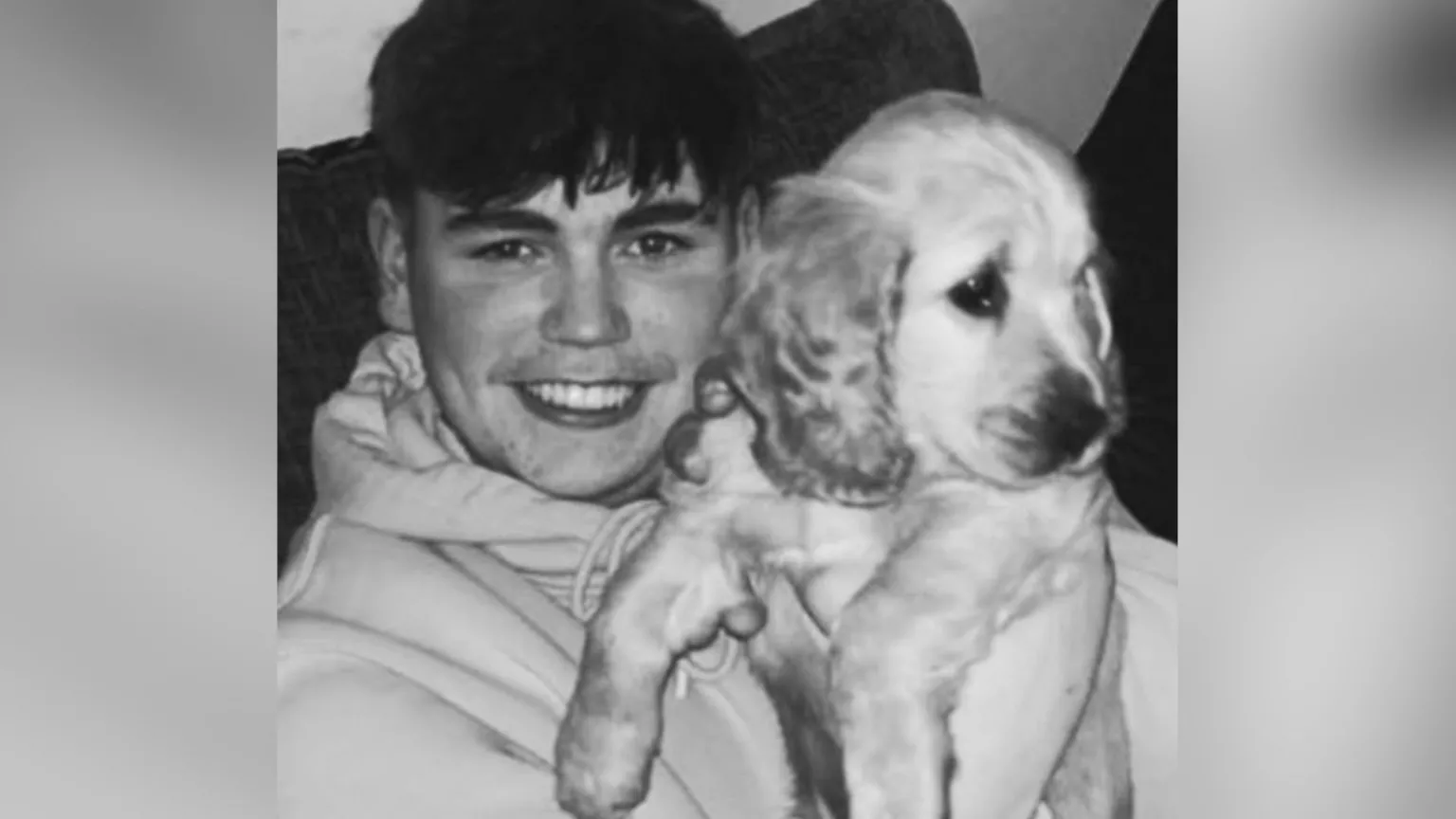
Oisin Johnston was the youngest of four children in his family, born nearly two decades after his oldest sibling. His parents affectionately referred to him as "the icing on the cake."
"He was a great wee fella, very thoughtful but also full of fun and he just loved the craic,"his mother, Denise Johnston, recalls.
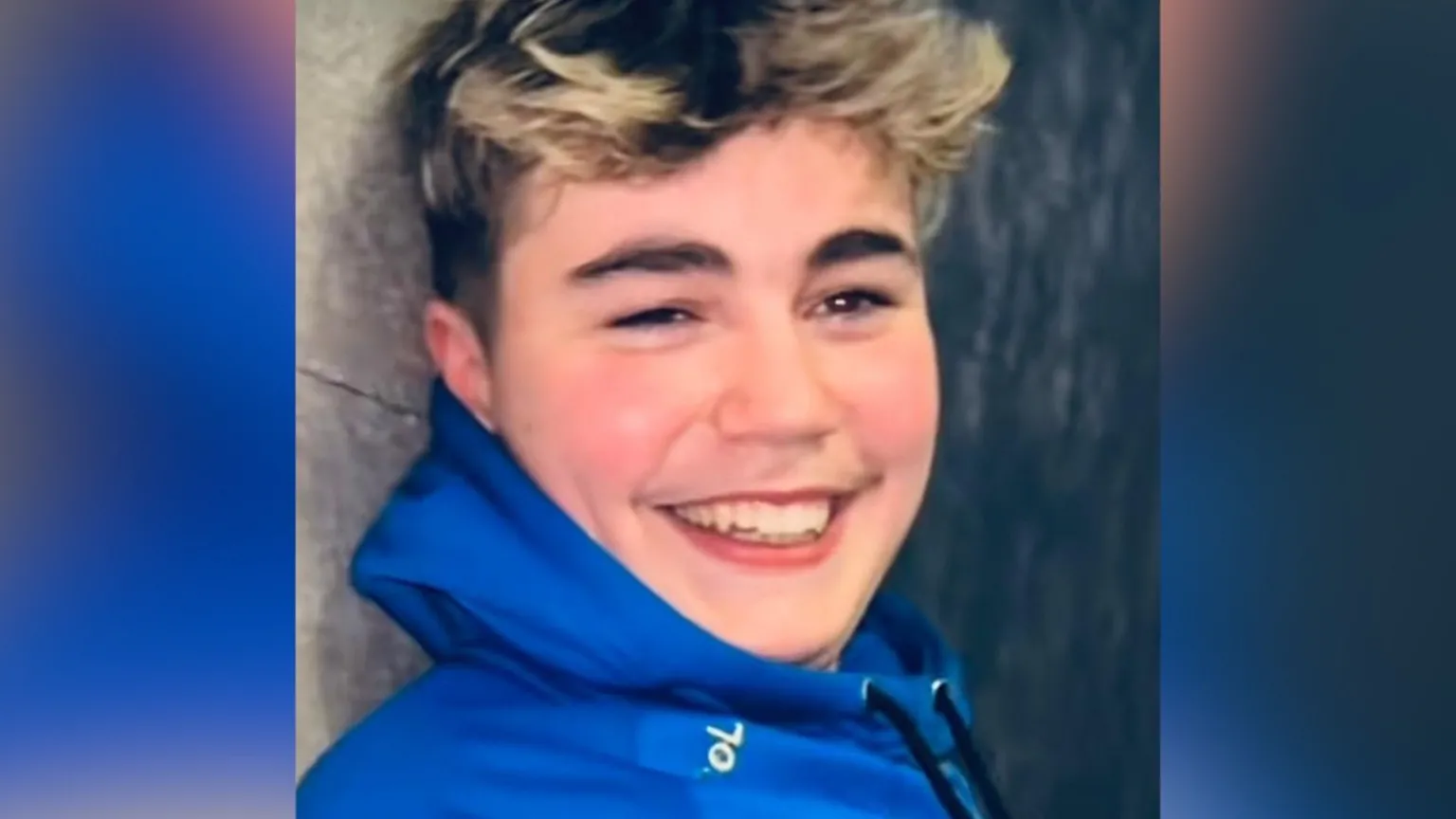
However, in September 2025, the Johnston family experienced a devastating loss when Oisin died by suicide.
"I am a bereaved parent; words I never really thought I'd hear myself say because we had absolutely no indications that Oisin would ever consider ending his life.
When I think about what happened, I just believe that unfortunately Oisin wasn't thinking rationally and in that moment had no more control over his brain at that time, than someone having a fatal heart attack has over their heart.
But my message is that suicide is never the solution and I wish I could have told him whatever he was feeling was temporary and we could have helped him get through it."
Context of Suicide in Northern Ireland
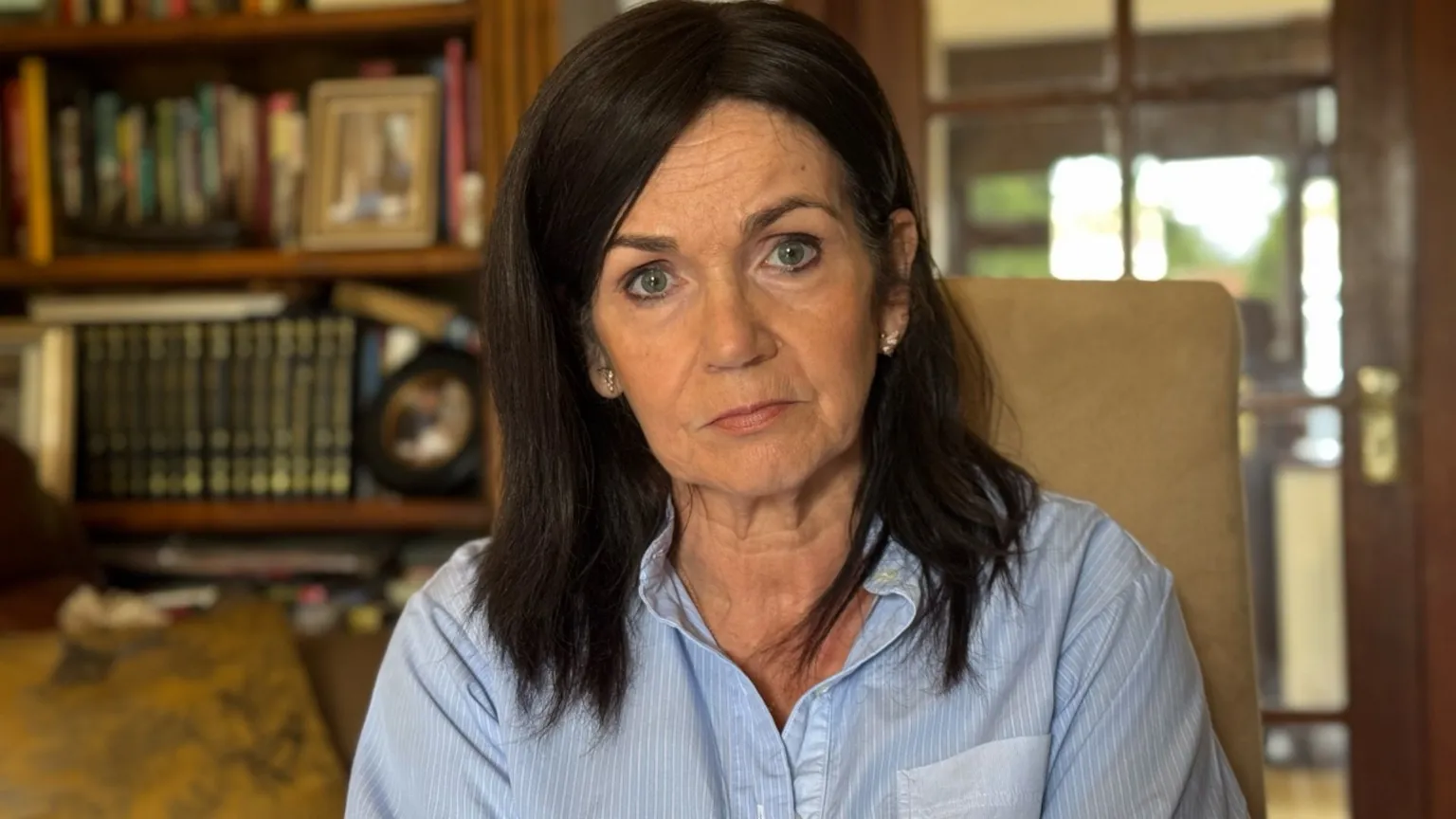
Suicide remains the leading cause of death among men under 50 in Northern Ireland. Denise, who serves as an SDLP councillor for Mid Ulster District Council, had recently attended suicide prevention training just days before Oisin’s death.
"The scary thing is that there was nothing in that training that would have raised alarm bells for me personally,"she said.
Denise is determined to use her experience as a cautionary message for other parents.
"It's so important to me that I get the message across to speak to your children about their mental health, even if there are no warning signs.
I also think it's important as someone who has suffered this type of loss and is in public life, to speak out about this issue and try to tackle some of the myths and stigma that still surrounds it."
She hopes that sharing Oisin’s story will encourage parents to engage in conversations about mental health with their children.
"Recently I was at my local shop and within the space of a few minutes I spoke to three different people whose families had all been impacted by suicide.
That's a terrifying indictment of the high rate of people ending their lives here in Mid Ulster."
Statistical Overview
According to the Northern Ireland Statistics and Research Agency (NISRA), there were 290 suicides recorded in Northern Ireland in 2024. This figure is notably higher than the average annual number of 205 suicides recorded between 2014 and 2017.
The southern health trust area reported the joint highest number of suicides in 2024, with 65 cases registered.

In the Mid Ulster Council area, the number of suicides has been increasing steadily, rising from 12 in 2015 to 21 in 2024.
Expert Insights and Mental Health Strategy
Professor Siobhan O'Neill, Northern Ireland's mental health champion, emphasized the importance of sharing lived experiences to aid suicide prevention.
"It's so impressive and important when people can talk about their own lived experience and particularly when people can recognise the difference that talking makes when it comes to suicide and suicide prevention,"she said.
"Suicidal thoughts are actually quite common, it's really important that people know that these thoughts can pass and that they can ask for help.
Suicidal thoughts are not always related to mental illness and it can sometimes be something that's happened to them."
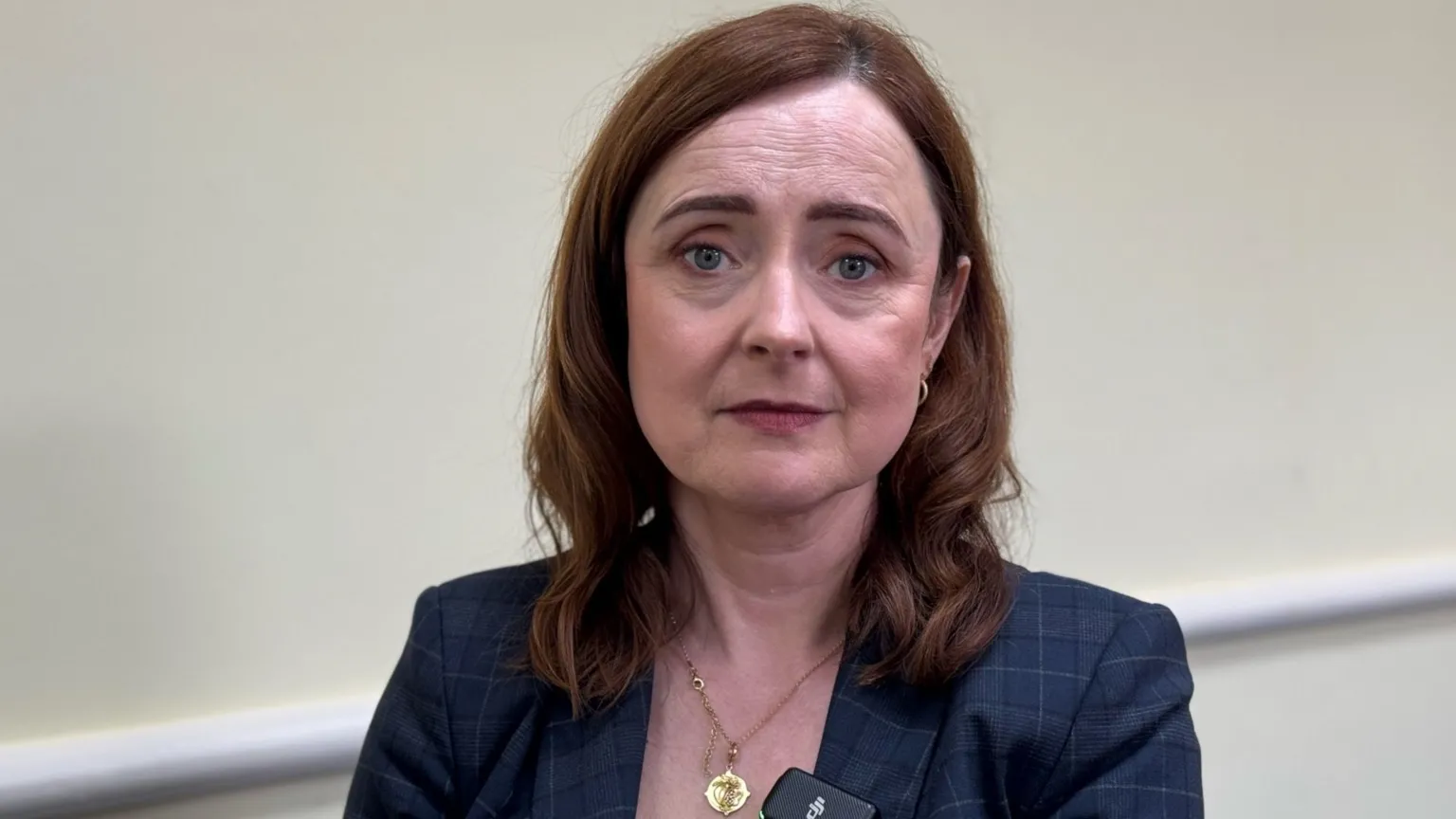
Professor O'Neill has expressed concerns regarding the funding of mental health initiatives. The Department of Health has stated it invests approximately £12 million annually in suicide prevention.
A department spokesperson noted:
"The minister has been clear that delivering the Mental Health Strategy requires sustained and additional investment and he will continue to make the case for mental health until the ambition so clearly set out in 2021 is fully realised."
Earlier in 2025, a new cross-party inquiry was announced to review funding for suicide prevention services in Northern Ireland and to develop strategies to address the increasing numbers.
Calls for Action and Ongoing Advocacy
Denise Johnston stressed the urgency of addressing suicide prevention as a government priority.
"Whatever we as a society are doing it's not enough, it's not working and it should become a government priority from this minute on.
They could start by committing the necessary funding to the Mental Heath Strategy and I will spend the rest of my life fighting for suicide prevention."
She plans to continue sharing Oisin’s story to promote more effective suicide prevention strategies.
"My hope going forward is, as I carry on for my son, that we collectively work towards more effective suicide-prevention strategies. It's my life's mission.
I will continue to need some support from time to time, as there is no end to it, there is no end date to the grief of having lost what was so precious to us and no parent should bury their child."
For those seeking support or more information on emotional distress, help is available through the BBC Action Line.


