

From Childhood Tests to Lifelong Brain Research
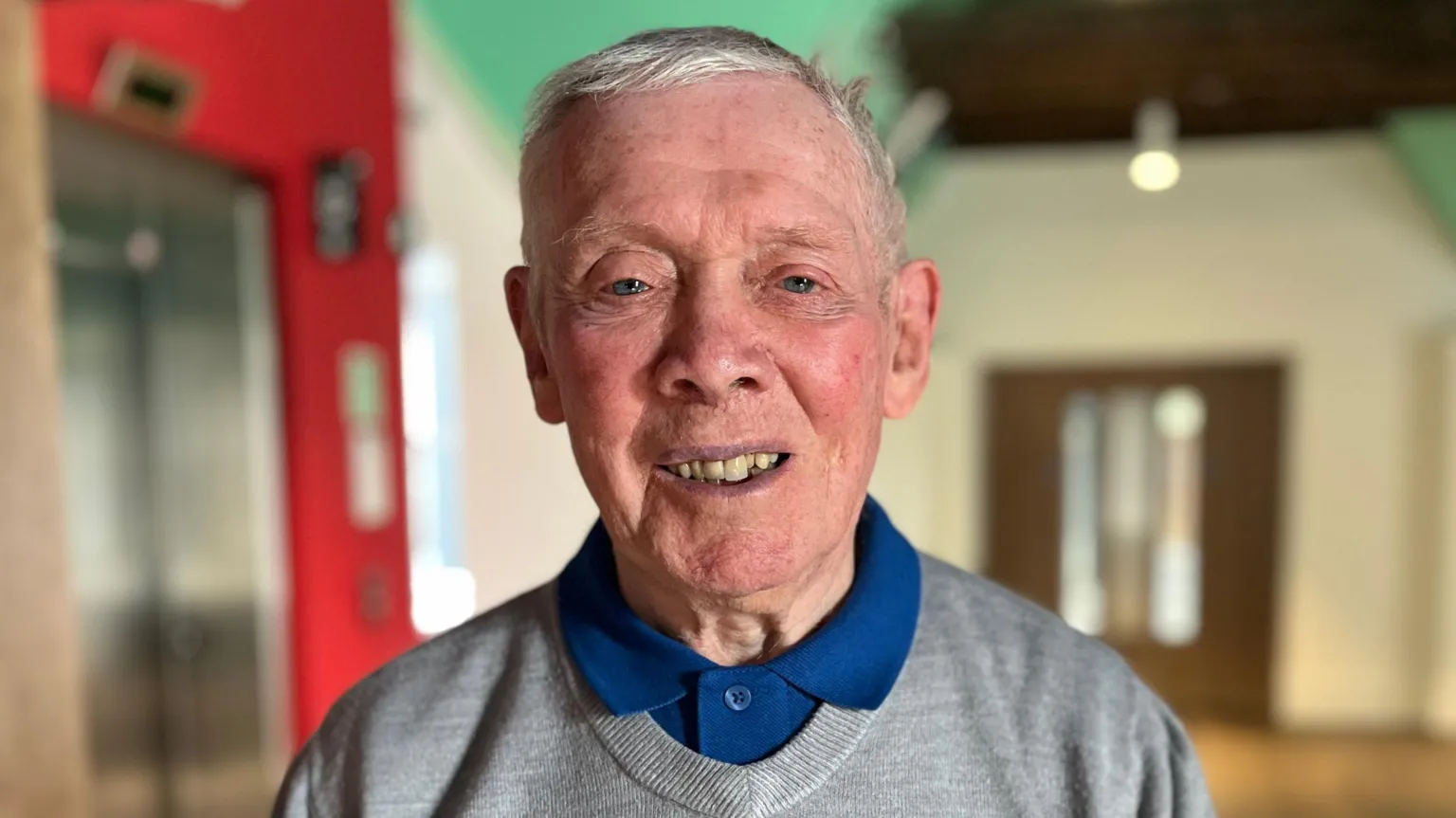
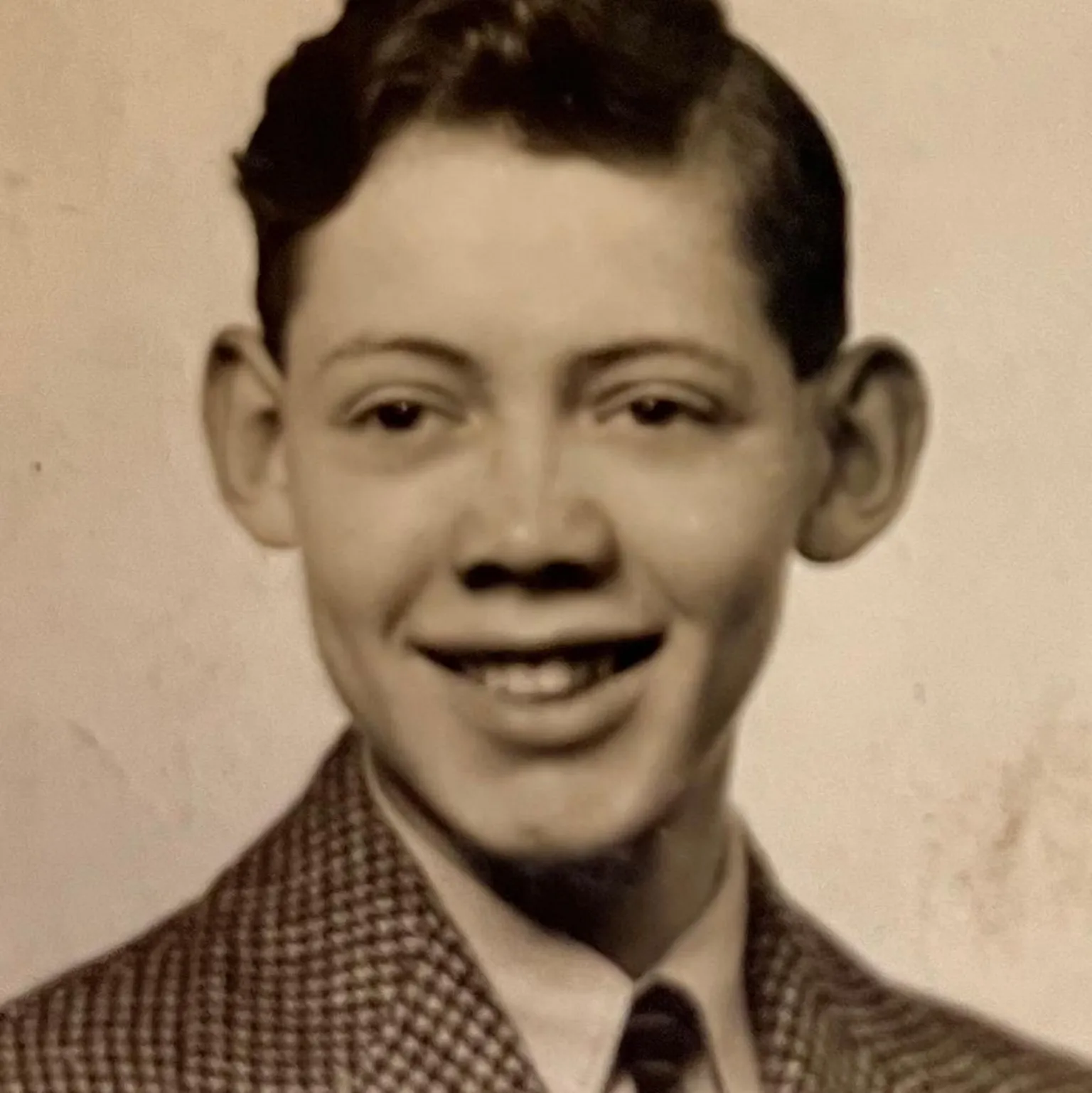
When Hamish McKenzie took an intellectual performance test in 1947 as part of a study on Scottish children, he could not have anticipated that his cognitive abilities would still be assessed 80 years later.
Hamish, then a pupil at George Watson's College in Edinburgh, was among more than 70,000 11-year-olds who participated in the Scottish Mental Survey that year.
Now, as Hamish and his contemporaries reach the age of 90, 150 of them are involved in the latest phase of a project examining brain ageing.
These individuals were originally part of the 1936 Lothian Birth Cohort study, conducted by the University of Edinburgh.
Hamish recalls the initial test vividly, which involved tasks such as identifying the final element in a four-item pattern.
"We were quite competitive," he says. "We didn't want to get left behind."
The 1947 test results were significant at the time but were largely archived and almost forgotten until University of Edinburgh researchers recognized their value in tracking cognitive changes over time.
Consequently, the study was revived in 2004.
Original participants from the Lothian area were located as they neared 70 years old and continue to be monitored as they reach 90.
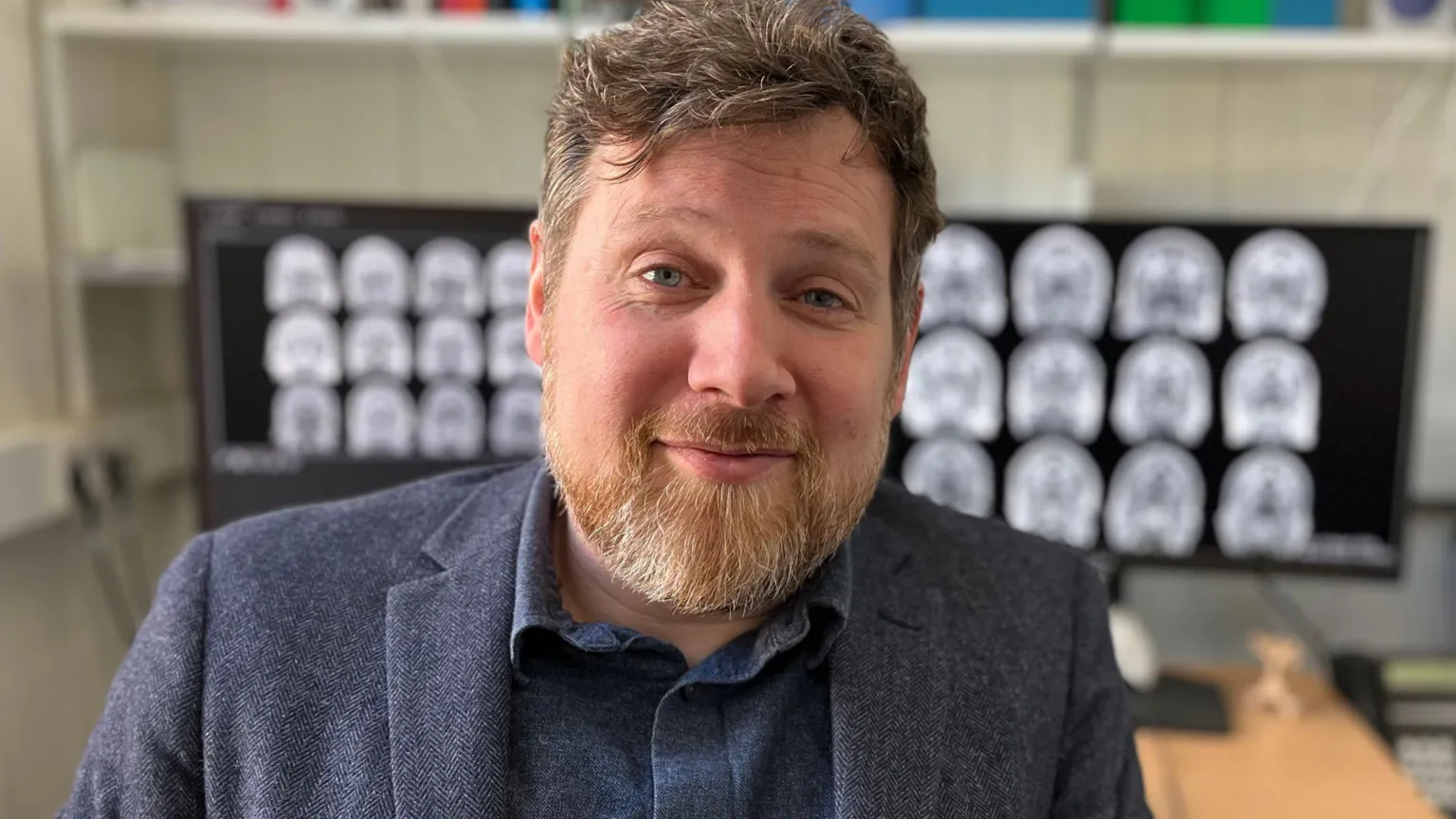
Their responses over the decades have provided some of the most comprehensive data on brain ageing, according to the study's director, Professor Simon Cox.
"Being able to track their brains from 11 to 90 is extremely unusual and incredibly valuable," Prof Cox states.
Insights into Cognitive Stability and Ageing
Prof Cox highlights one of the study's most compelling findings: the correlation between cognitive test scores at age 11 and those at age 70.

"Cognitive scores were relatively stable and so what that means is that people who were doing pretty well at age 11 were still those doing pretty well in older age.
"A lot of the signals that we were getting when we measure cognitive functioning in older adulthood is actually attributable to differences that were pre-existing and present at childhood and that motivates the question, what else?"
Participant Perspectives on the Study's Impact
Iain Bruce, who recently celebrated his 90th birthday, expresses satisfaction in contributing to an important scientific endeavour.
"I think what can be achieved is for the next generations and generations to come, because the mind to me has not been investigated enough," he says.
"If we can avoid people getting dementia and Alzheimer's because of information that's been accumulated through this cohort, that's wonderful.
"It won't do me any good, but I can look back down and say it was partly due to me that these people are now having a better life."
Scientific Contributions and Multifactorial Findings
The study has inspired hundreds of international academic publications.
Prof Cox notes that while no single solution for ageing has emerged, the research points to multiple contributing factors including lifestyle, genetics, and activity levels.
"Each individual effect that we look at or each individual candidate predictor of cognitive ageing on its own really doesn't explain a huge amount of the differences that we see," he explains.
"But if you add them all up together there's an incremental additive effect whereby lots and lots of small effects would add up to explain quite a lot of the differences in cognitive ageing.
"So, it's more marginal gains and less magic bullet."
Educational Outreach and Youth Engagement
Current teenagers are also benefiting from the 1936 Lothian Cohort study.
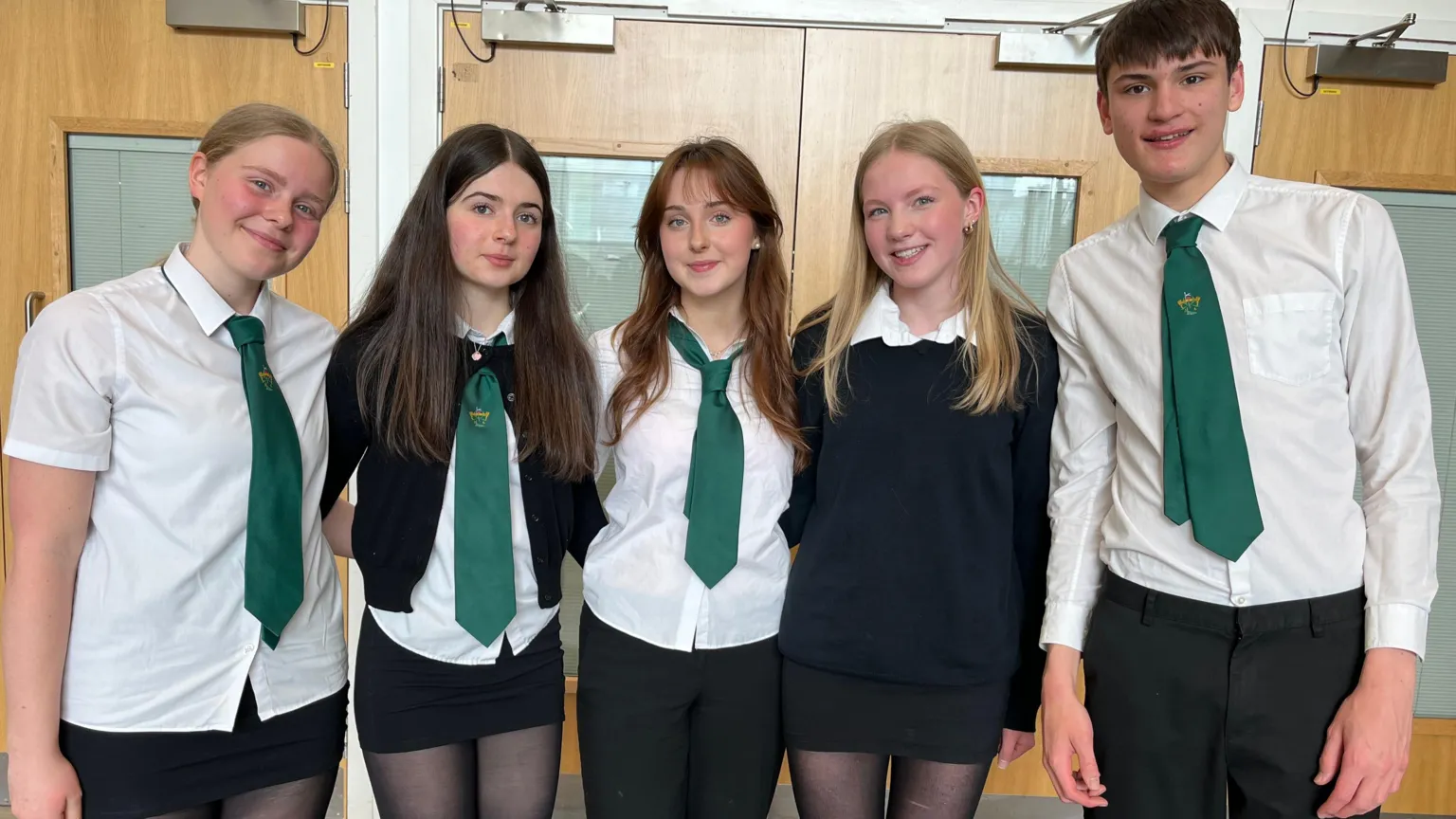
Students from Boroughmuir High School have utilized the research to develop their own projects focused on brain health and have shared advice with younger pupils.
S6 pupil D'arcy describes their activities:
"We made a powerpoint and activities to take out to a P1 class, just teaching them general simple facts about the brain.
"We also spoke to them about how they could keep their brain healthy by eating healthy and physical exercise.
"We also talk about neurons and what happens in the brain, and we look at scans from the births cohorts, looking at healthy and not so healthy brains."
Participant Experiences and Lifestyle Tips
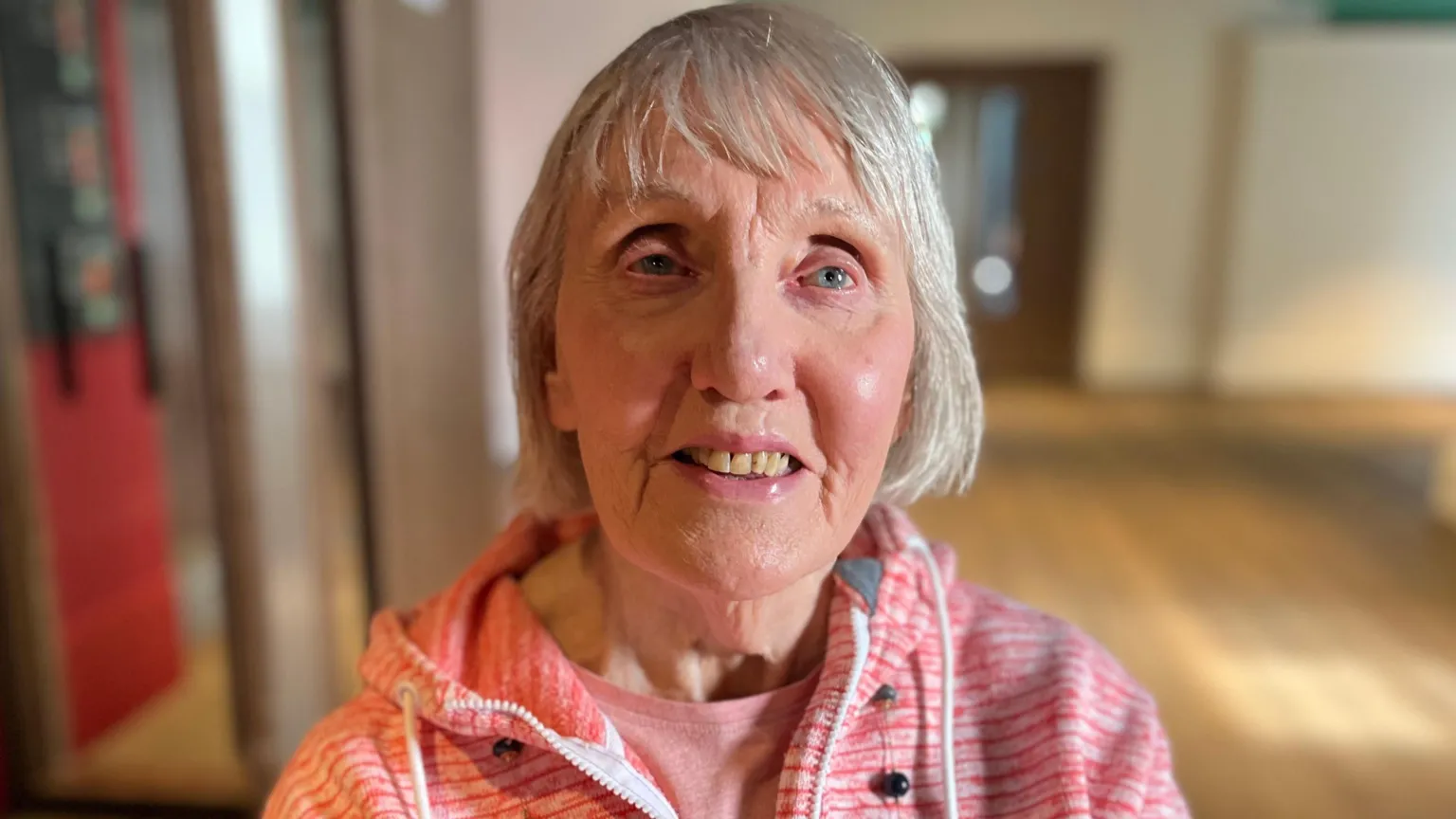
Ninety-year-old Mary Groat, who took the test in 1947 and continues to participate, advocates for maintaining brain health and shares her lifestyle habits.
"I do code words which is just like a crossword," she says.
"I don't watch a lot of television. I go out to the community centre for a little game of bingo and then my family comes around so they keep me busy."
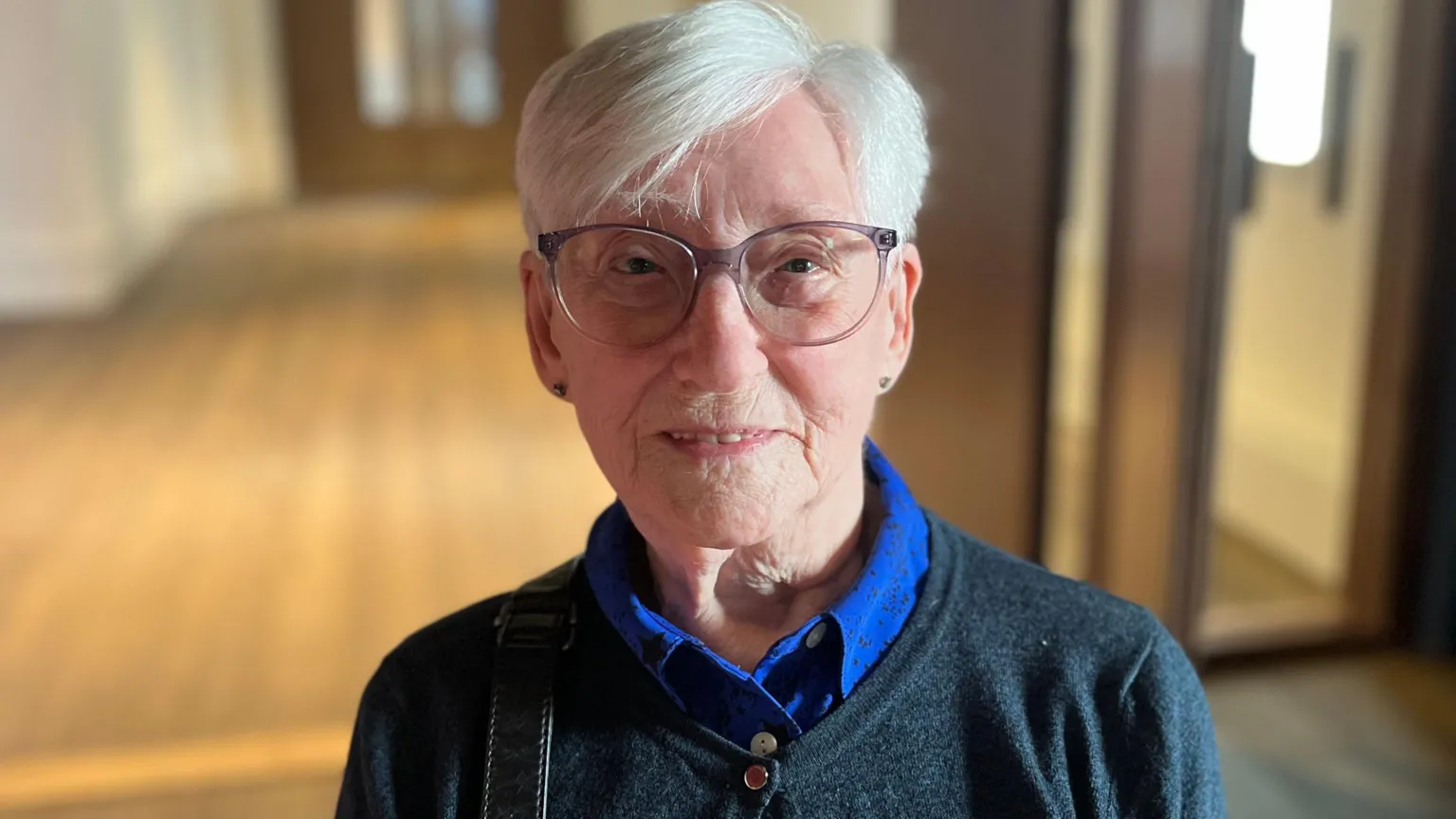
Another participant, Margaret Dryden, expresses appreciation for being part of the research.
"You were welcomed, you felt as though you counted," she says.
"It mattered and that's not always the case, especially when you get to 90.
"But it was a delight to have these conversations and learn more about yourself and other people."
Ongoing Research and Legacy
After decades of involvement, the participants have begun another series of tests.
Prof Cox remarks on the enduring value of the data collected.
"This study has led to many more studies, discoveries and contributions to broader scientific questions about ageing and beyond, which we could never have imagined at the beginning," he says.
"When you ask the participants 'Why do you take part?' they say 'This is for future generations'."
He adds:
"It's my job to ensure we realise the potential of the data."


