

Scientific Consensus vs. Oil Company Actions
The scientific consensus confirms that burning fossil fuels is a primary driver of the climate crisis, yet the world's largest oil companies are planning to increase production.
As temperatures rise dangerously across much of the northern hemisphere, with records being broken daily, children dying in locked cars, hospitals overwhelmed with heat-related illnesses, and emergency services battling wildfires, a critical question arises: why are oil companies allowed to increase fossil fuel output instead of bearing the costs of their environmental impact?
It is clear that oil, gas, and coal companies bear a disproportionate share of responsibility for climate disruption, yet they continue to have financial incentives to exacerbate the problem. These incentives will persist unless their substantial government subsidies are replaced with windfall taxes.
Evidence of Climate Change and Industry Response
There is overwhelming evidence that increased fossil fuel combustion leads to higher global temperatures. The latest scientific assessments conclude that the "most severe and widespread heatwave to have ever affected this large a region of Europe" could not have occurred without human-induced climate change.
Despite this, major oil companies are preparing to worsen the situation because higher fuel consumption translates into greater profits. A recent surge in earnings, driven by elevated oil prices due to conflicts in the Middle East, including Iran, is expected to lead to increased investment in new oil wells.
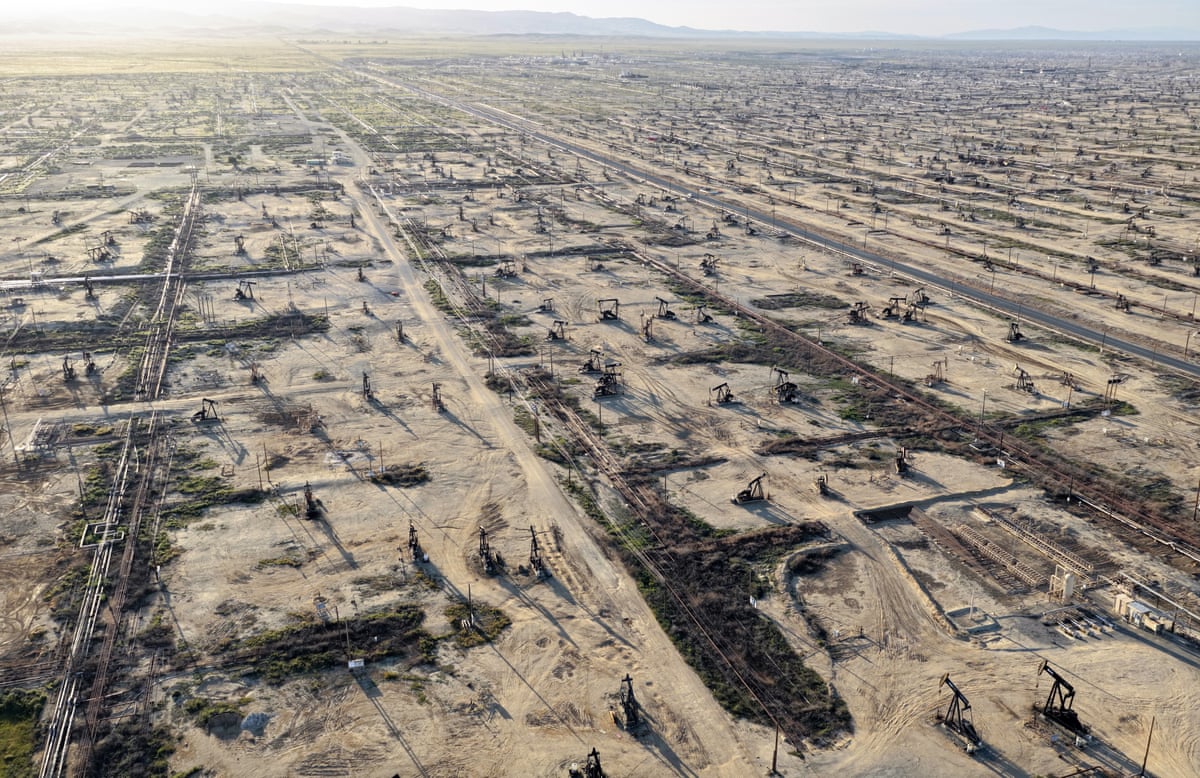
A report indicates that petroleum companies are competing to extract more oil and gas. Shell, ExxonMobil, Chevron, and seven other publicly traded firms plan, on average, to increase production by 14% between 2024 and 2030, according to the TPI Global Climate Transition Centre at the London School of Economics and Political Science (LSE).
Contradiction with Climate Goals
Increasing fuel production is counterproductive in an already overheated world. It contradicts the objectives of the Paris climate agreement, which many of these companies have pledged to support. To limit global warming to between 1.5°C and 2°C by 2100, oil output must decline this decade. The planned expansion far exceeds the International Energy Agency’s (IEA) pessimistic scenario, which anticipates a 5.9% increase in oil and gas production this decade, potentially leading to a catastrophic 2.9°C rise in global temperatures by century’s end.
The IEA’s Net Zero Emissions by 2050 report states that to align with the Paris agreement’s goal of keeping global warming well below 2°C, no new long-term oil and gas exploration or development projects can be undertaken.
Corporate Priorities and Industry Dynamics
So why do fossil fuel companies plan to increase production? Their executives operate within a framework prioritizing maximization of shareholder value over planetary habitability. This misalignment is maintained by investors and media supporters who influence the global climate discourse.

The Shift in Climate Advocacy and Industry Position
Six years ago, the petroleum industry was on the defensive. Climate activists like Greta Thunberg and global climate strikes challenged fossil fuel dependence. OPEC leaders described these protests as the "greatest threat" the industry had faced, noting that oil executives were feeling pressure even in their own homes. Momentum for change was growing, with many governments setting net zero decarbonization targets and financial institutions committing to ambitious environmental governance.

Some oil companies, primarily in Europe, aligned themselves with the Paris agreement. BP was among the most ambitious, pledging a 40% reduction in oil and gas production and a tenfold increase in renewable energy investment. Then-CEO Bernard Looney promised BP would become "a net zero company as well as a provider of competitive returns."
These pledges, while well-intentioned, were insufficient to fully meet the Paris goals of limiting warming to 1.5°C, relying heavily on unproven technologies like carbon capture and storage. They served to appease public opinion until climate activism subsided. When concrete measures were required, many companies began to retreat.
BP’s Backtracking and Industry Trends
BP exemplifies this trend. Looney was ousted in 2023, the same year the company reduced its fossil fuel cut target from 40% to 25%. Two years later, BP announced a revised strategy, cutting renewable energy investments by $3 billion and increasing oil and gas spending to $10 billion annually. Current CEO Meg O’Neill has continued this shift, emphasizing shareholder value over environmental responsibility, effectively returning to traditional petro-business practices. Meanwhile, BP’s profits rose in the last quarter despite global crises.
Other companies show similar patterns. The largest oil firms increased combined profits by 43% in the same period, reaching $22 billion, the highest since 2022. Many have scaled back green energy commitments and expanded production plans. Norway’s state oil company, Equinor, raised its oil and gas output target by 6% by 2030. Brazil’s Petrobras aims to increase oil supply by 21% by 2030. This trend appears nearly universal among countries and companies.
US Industry and Political Context
In the United States, the world’s largest oil and gas producer—surpassing Saudi Arabia and Russia combined—many companies never made low-carbon commitments. Under the Trump administration, which favored fossil fuel interests, companies have political support to increase production—Exxon plans a 25% increase and Chevron 15% by 2030—and to expand markets by any means. Investors and media allies are also influencing Europe toward similar directions by opposing net zero policies.
Factors Driving Increased Production
Combining higher oil prices, shifting corporate priorities, political influence, and financial support for anti-net zero campaigns, the petroleum industry is set to increase fuel production, exacerbating global warming. This creates a perfect storm for more extreme weather events.
Impending Climate Impacts
With a new El Niño confirmed—the strongest in decades—this approach is dangerously reckless. The Amazon faces increased fire and drought risks, still recovering from the 2019-2020 fires that turned clear skies smoky grey, dried major rivers, and caused widespread wildlife mortality.
Polar regions will experience accelerated melting of snow and ice, which normally reflect solar heat, while other critical components of Earth's life-support systems will deteriorate. Catastrophic consequences are increasingly likely.
Conclusion and Call for Change
This trajectory was avoidable and remains so. Values must shift, incentives must be realigned, and fossil fuels—once vital to human progress—must be recognized as harmful. Petroleum companies must be held accountable for reneging on promises and prioritizing shareholder dividends over planetary health and human wellbeing.


