Exploring Taiwan’s Tallest Trees and Their Ecological Significance
The island’s largest tree, known as Heaven Sword of the Da’an River, is a colossal carbon-storing organism that supports diverse wildlife communities. However, this and other giant trees face significant threats.
The taller one climbs the ancient, millennia-old trees in Taiwan’s forests, the more distinct habitats and life forms become apparent. On the forest floor, ferns flourish in the moist shade. Flying squirrels and owls rest inside hollow trunks. Yellow bell-shaped rhododendron flowers bloom in the lower canopy. Higher up, dense lichen cover the branches. In the cloud-soaked upper branches, a rare and resilient orchid species, Bulbophyllum ciliisepalum, can be found.
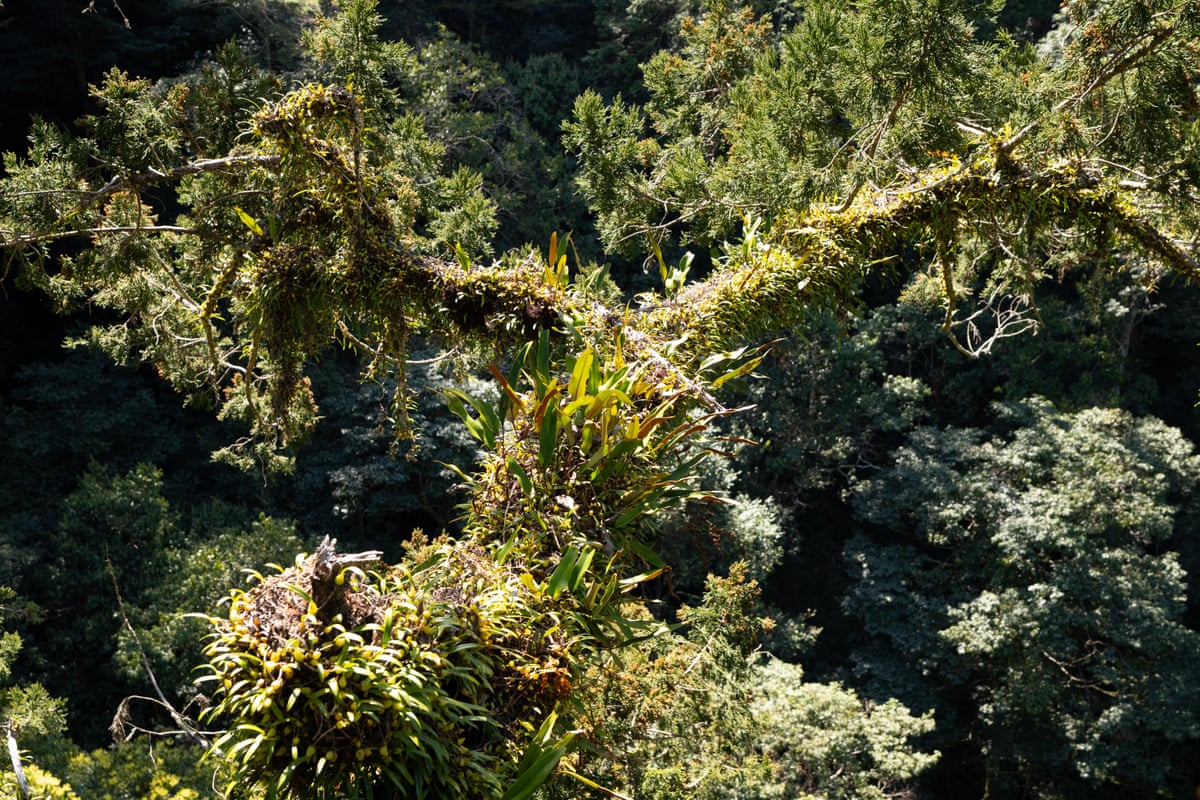
“In one tree, every species has their preferred location,”says Dr Rebecca Hsu, assistant researcher at the Taiwan Forestry Research Institute.
“Every metre the temperature, the wind, the sun, the light is different.”
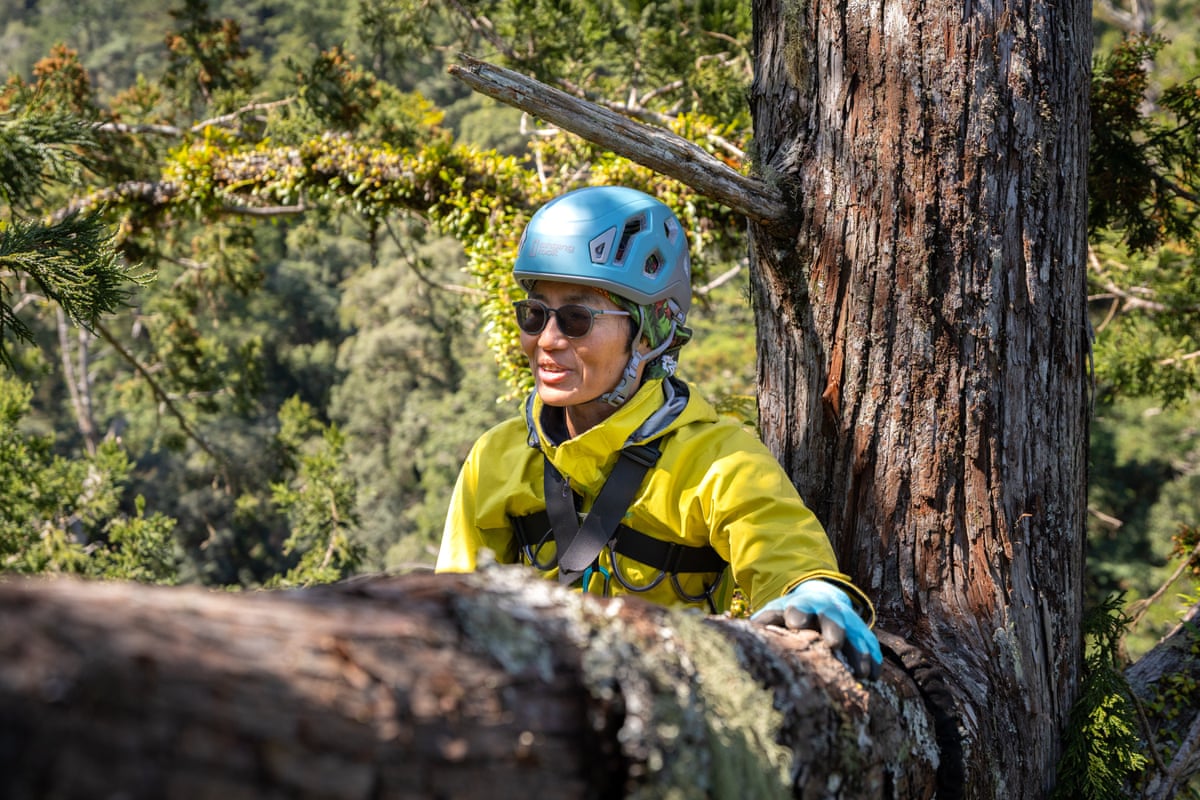
Hsu and her team have dedicated over a decade to mapping Taiwan’s tallest trees, initially scanning forests from aerial perspectives and then trekking through challenging terrain to measure these towering giants directly.
Heaven Sword: Taiwan’s Tallest Tree
In a recent study published this month, Hsu’s team identified Taiwan’s tallest tree, a Taiwania cryptomerioides, which reaches 84.1 metres—taller than an average 20-storey building.
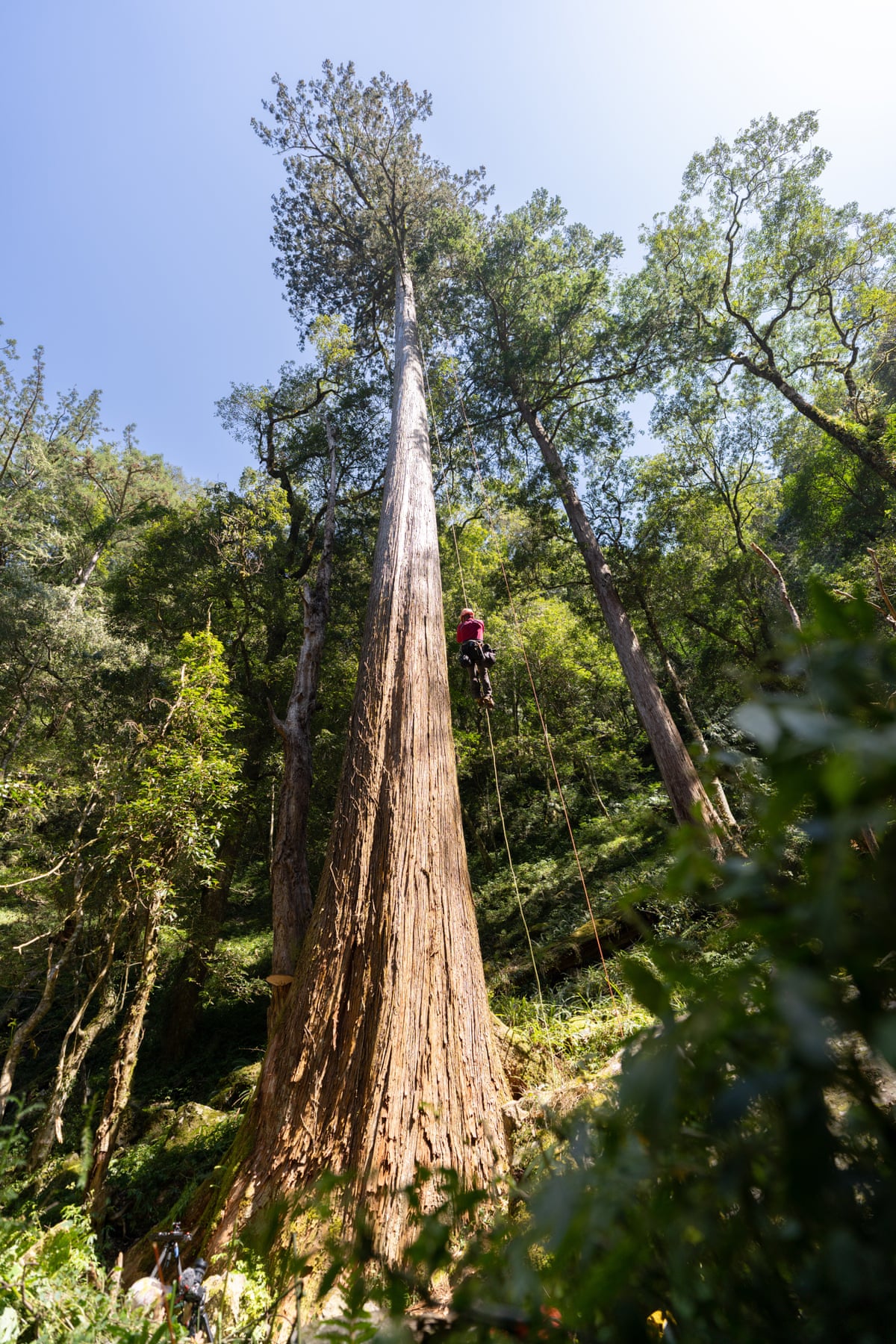
This conifer, characterized by a straight trunk soaring skyward, was named “Heaven Sword of the Da’an River” and is estimated to be around 1,000 years old.
Heaven Sword joins a global list of ancient giant trees. The tallest living tree recorded is a coast redwood (Sequoia sempervirens) located in Redwood National Park, California, measuring 115.6 metres. For comparison, this is taller than London’s Elizabeth Tower (Big Ben), which stands at 96 metres.
Height as a Driver of Biodiversity
Height is more than a record; it plays a crucial ecological role. Chris Swanston, director of science for the Save the Redwoods League, a nonprofit dedicated to protecting coast redwoods and giant sequoias (Sequoiadendron giganteum), explains:
“Height is an engine for biodiversity,”he says regarding coast redwoods.
“In a single 2,000-year-old tree you could have dozens of generations of species developing ecologically within the canopy.”Swanston, who was not involved in the Taiwan study, adds,
“When you’re thinking about massive trees like old growth redwoods, their branches aren’t just branches like normal trees, they’re neighbourhoods.”
These tall trees also play an essential role in mitigating the climate crisis through their capacity to absorb carbon dioxide, a major greenhouse gas.
Threats to Ancient Giants
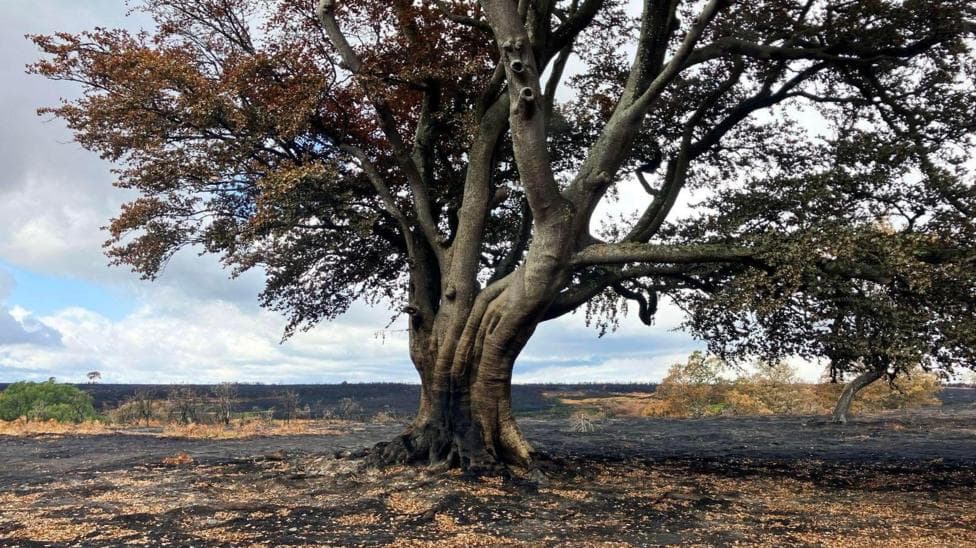
Despite their longevity, tall trees are increasingly vulnerable. Many ancient giants have succumbed to intense wildfires and the impacts of global warming. In California, it is estimated that thousands of giant trees have died since 1984, with the majority perishing in 2020 and 2021. Similarly, fires in Tasmania in 2019 destroyed a significant portion of the state’s largest trees.
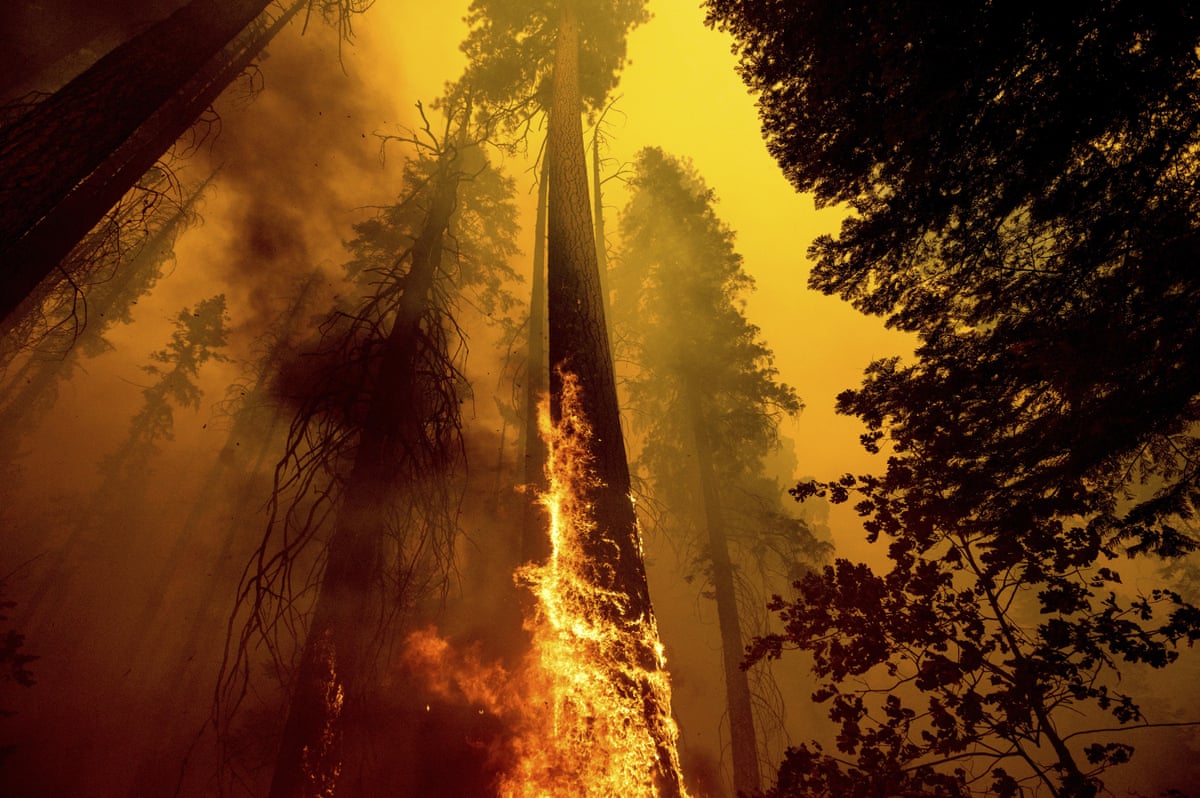
The climate crisis exacerbates drought conditions and elevates the cloud base that these tall trees depend on for moisture. Extreme weather events are becoming more frequent, further endangering these ecosystems.
Researchers in Taiwan have observed a decline in tall tree populations over the past decade, a result that Dr Hsu described as
“beyond our imagination.”
Globally, conservationists are exploring strategies to protect these ancient trees, including forest thinning to reduce wildfire risk and studying threats from pests such as bark beetles. However, many tall trees likely remain undiscovered in remote forest areas.
Technological Advances in Tree Measurement
Lidar technology has revolutionized forest research and the identification of tall trees. It creates 3D maps by emitting laser pulses and measuring the time taken for light to reflect back.
However, lidar has limitations, particularly in uneven terrain like Taiwan’s steep forests. In Hsu’s study, 93% of lidar-based tree height measurements reviewed by citizen scientists were found to be inaccurate.
Accuracy varies significantly depending on deployment methods. Matheus Henrique Nunes, assistant research professor at the University of Maryland studying tropical forests’ responses to human and climate pressures, notes:
“The further [away] you go, you decrease resolution.”
He explains that lidar from aircraft or drones provides broad overviews but is less precise than handheld or backpack-mounted devices.

Based on previous lidar surveys, Nunes believes many tall trees remain unrecorded in the Amazon. A 2019 airborne lidar survey identified an 88-metre tree, but it covered only 282,750 hectares (700,000 acres), approximately 0.05% of the Amazon. This tree was measured by drone rather than tape. Nunes adds:
“I would not be surprised if we had trees in the Amazon that are more similar in height to the dipterocarps of Borneo, reaching 100 metres.”
Challenges in Measuring Remote Trees
Measuring trees in the steepest and most inaccessible forests is extremely demanding. To reach Heaven Sword, researchers had to hike for several days and cross a river swollen by a recent snowstorm.
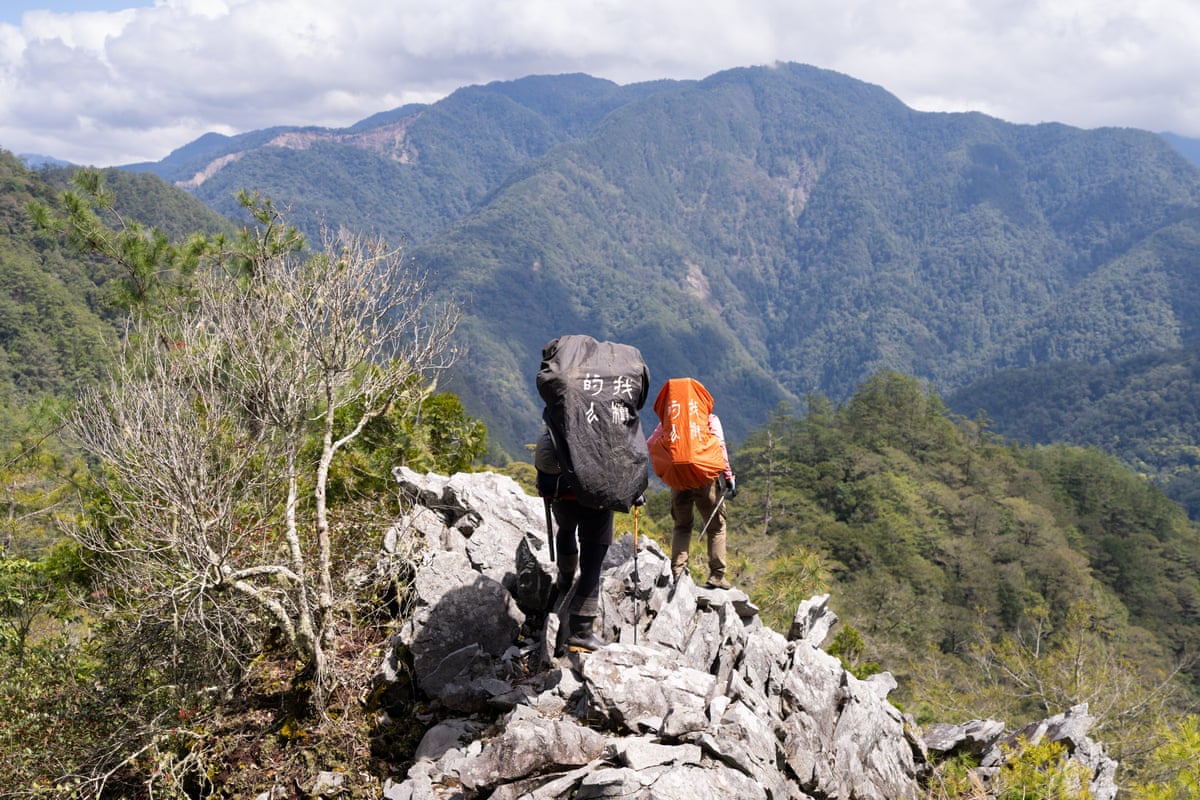
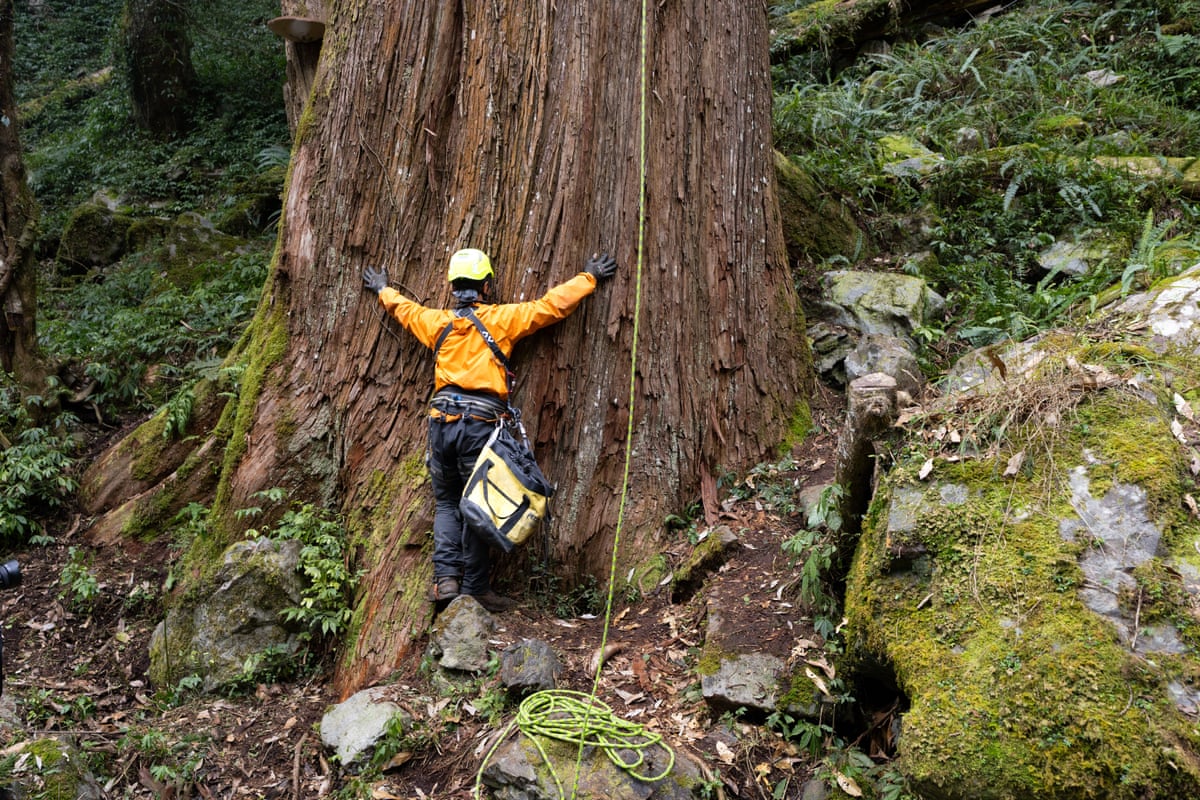
“The most accurate way to measure is the old-fashioned way,”says Hsu, who personally climbed the trees with her colleagues.
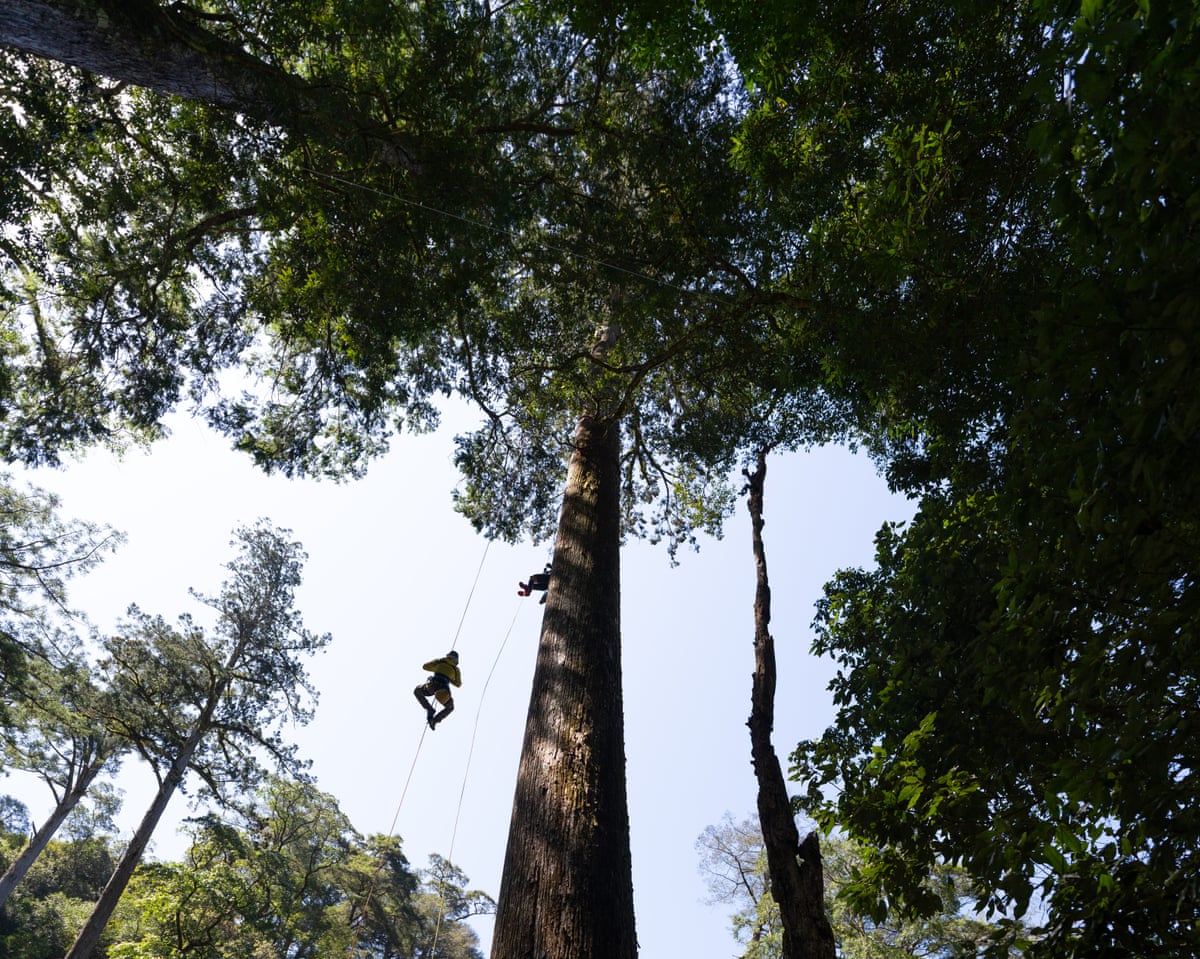
To ascend, a fishing line is fired from an air cannon into the tree branches, then replaced with a rope for climbing. Climbers use ascenders—mechanical devices attached to their feet—to aid their upward movement.
Physical Characteristics of Heaven Sword
For the first 45 metres, Heaven Sword’s trunk is straight and branchless, according to Steve Pearce, naturalist and director of a conservation organization in Australia, who joined the team to climb and photograph the tree.
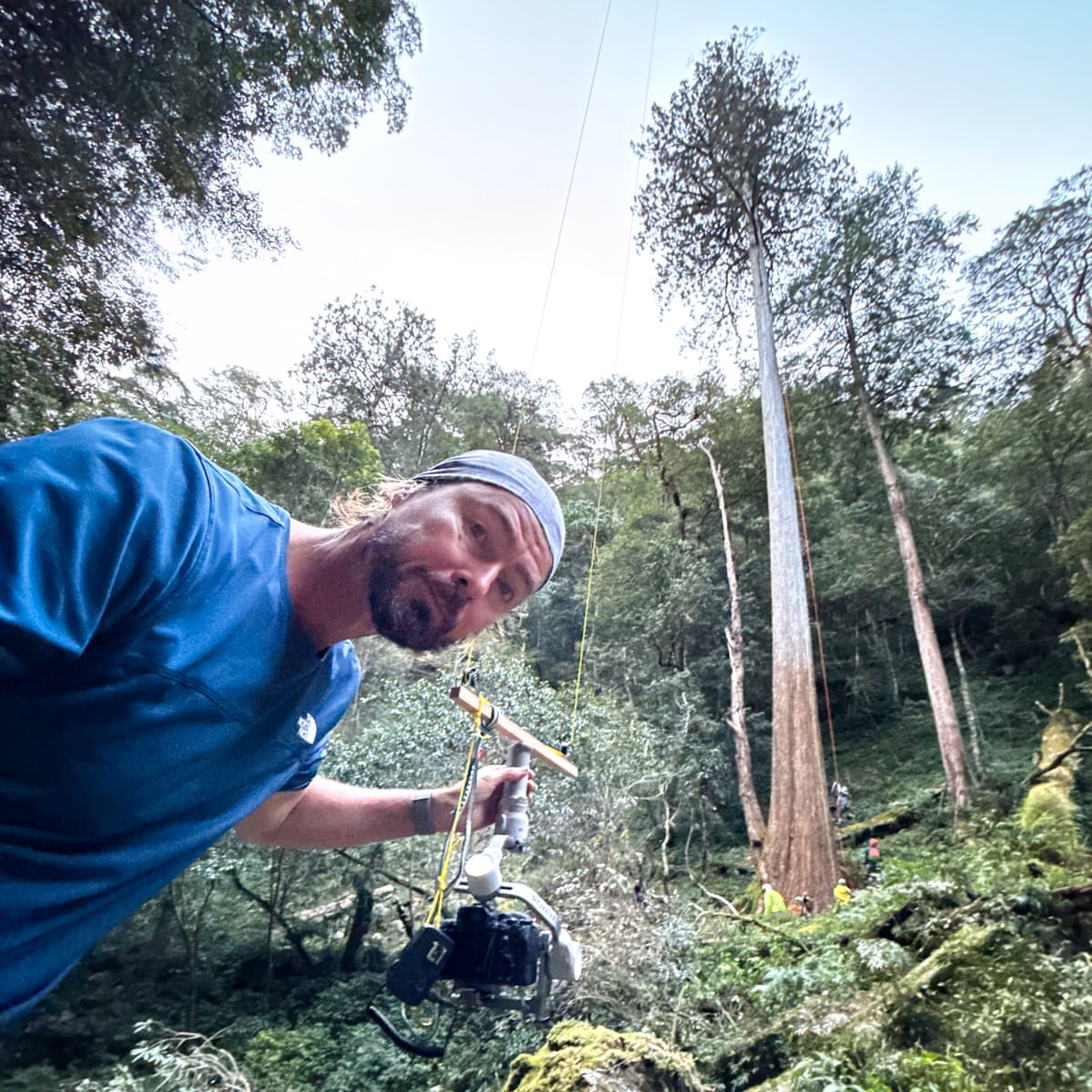
Pearce explains that the tree has adapted over the past millennium as its environment changed:
“It probably grew up in an environment where there were other tall trees around it and really raced for the sky,”he says.
“Once those lower branches got superseded and shaded out, they died and fell off.”
The tree is a gymnosperm and does not produce flowers but instead produces pollen and cones, which impart an orange hue to its leaves when present.
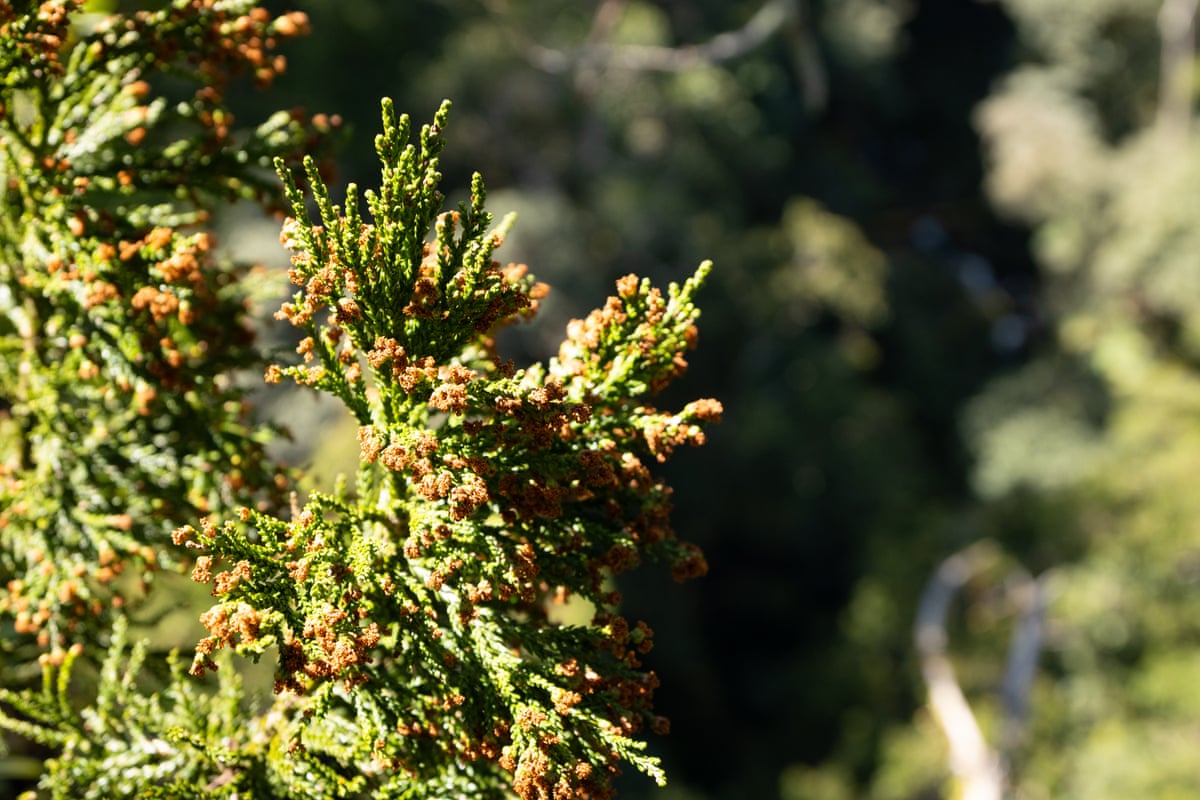
The upper part of the tree, though sparse, remains healthy and continues to grow. At over 80 metres in height, one can hear a gentle whirring or whooshing sound as the wind passes through Heaven Sword’s leaves.
Hsu attributes the Taiwania fir’s impressive height to a combination of fortunate genetics and resilience to storms, despite its precarious rooting in steep valleys:
“Nearby they have many fallen trees. So the surviving trees, they depend on their luck. I think they are lottery winners.”
Environmental Challenges and Future Research
Taiwan’s increasingly severe weather events pose further challenges. Research indicates that typhoons have intensified over the past 40 years, bringing stronger winds and heavier rains. Most giant trees grow on steep slopes in upper river regions, making them vulnerable to floods and landslides.
Hsu’s upcoming research will focus on the habitat preferences of these trees and the reasons behind their distribution. She notes:
“We recently found that Taiwania seedlings grow after landslides. They prefer that new landslide area.”
The underlying causes of this preference remain unclear.
For now, Hsu hopes her work will serve as a record of these remarkable trees’ existence.
“I want to send these great trees’ images to the public,”she says.
“To let people know how lucky we are to have these beautiful trees.”
Note: This article was amended on 23 June 2026 to correct an earlier error in a picture caption that incorrectly stated Taiwania cryptomerioides produce spores. In fact, these trees produce male and female cones that generate pollen and seeds respectively.
For further information and updates, readers can find more coverage and follow biodiversity reporters through app.