

Community Concerns and Support for Wind Farms in Wales
From a hillside above Abercarn in Caerphilly county, Grace Lloyd points across the moorland visible from her home.
"We're sort of surrounded by where the wind farms are going to be,"
she said.
Electricity pylons are already scattered across the common, but Grace notes that the planned wind turbines would be approximately five times taller.
"It would break my heart to see this covered in concrete and bulldozed,"
she added.
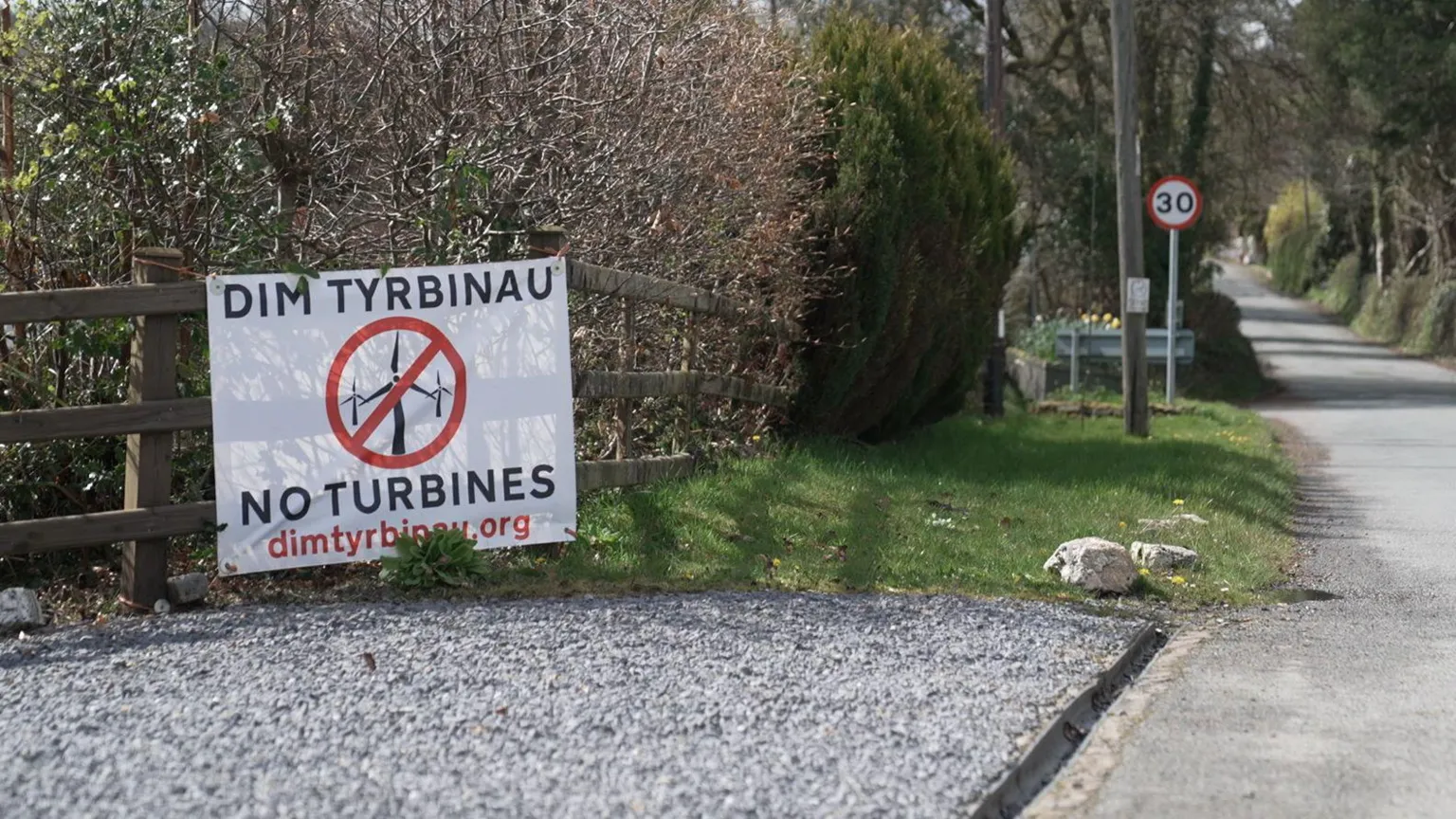
Numerous individuals have reached out to BBC Your Voice expressing their views on proposed onshore wind farms across Wales, particularly in the lead-up to the Senedd elections on 7 May.
In March, the Welsh government, led by Labour, signed a new agreement with the energy sector aimed at accelerating progress toward the goal of meeting 100% of electricity consumption through renewable energy by 2035.
While some residents express concerns about the potential effects of wind turbines on their communities, recent polling by YouGov on behalf of Friends of the Earth Cymru indicates broad public support for renewable energy, with 65% favouring onshore wind.
Grace, 67, a retired geologist, has lived on the outskirts of Abercarn for over 20 years, where residential areas transition into open moorland.
She contacted BBC Your Voice to share her apprehensions.
"I saw this house and I just utterly fell in love,"
she said.
"You can walk and you're away from the world."
Grace supports renewable energy and already has wind turbines in her view.
"Out of my window I can see eight turbines,"
she said.
"I'm not a 'nimby' by any means."
Her concern lies with the scale of the proposed developments, which could include up to 20 new turbines, three of which might reach 180 metres (590 feet) in height.
"It's so hard to imagine something that size until you've seen them,"
she explained.
Grace worries that the landscape she cherishes, which provides habitat for nesting birds and amphibians, will be permanently changed.
"We must have renewable energy,"
she said.
"But we're also supposed to be protecting natural habitats. I don't see much effort to find a compromise."
She often takes her granddaughter, who is nearly five years old, onto the moor.
"It's her heritage,"
Grace said.
"The thought that she would grow up surrounded by an industrial energy park is heartbreaking."
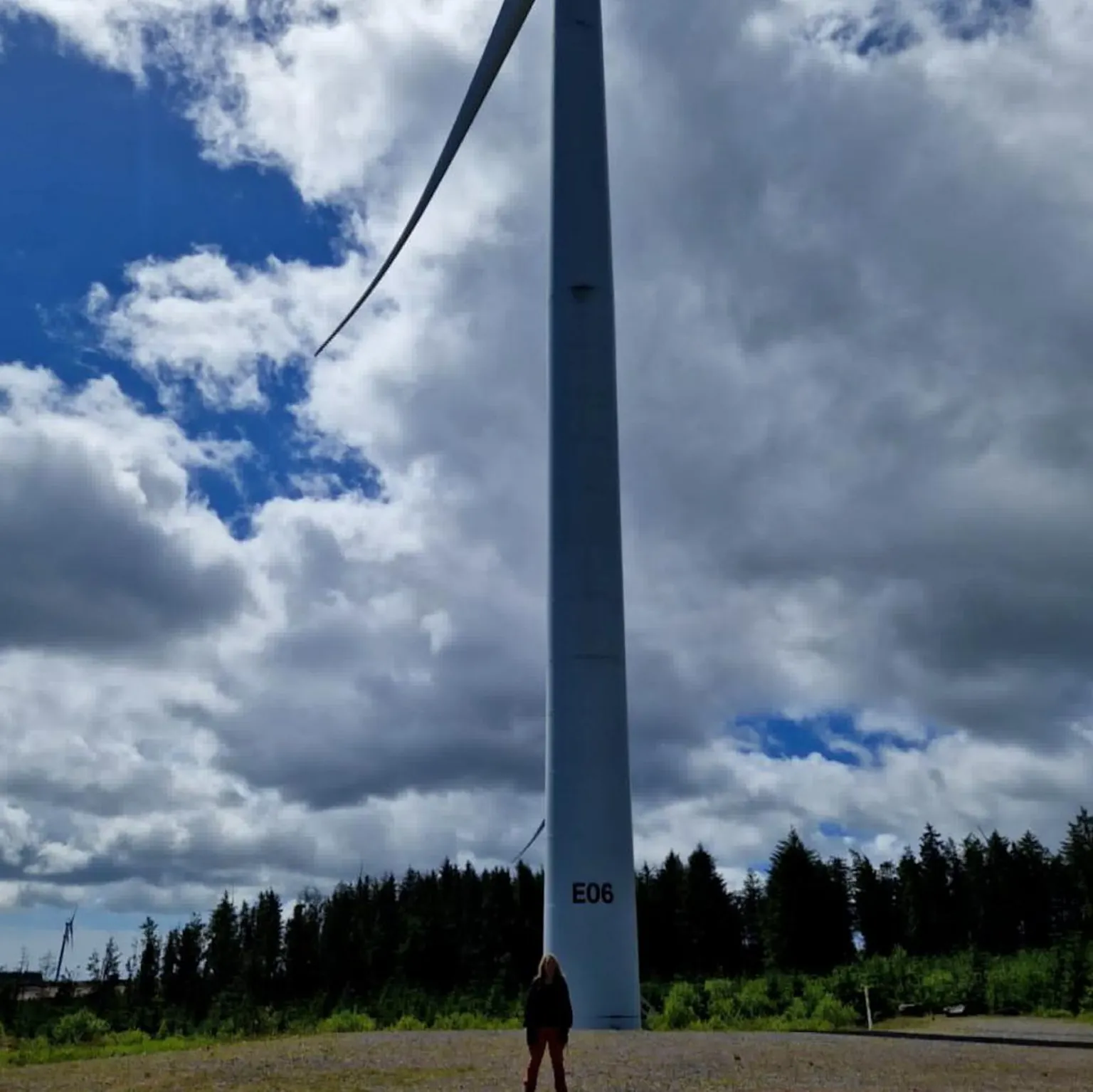
James Robson from RES, the company proposing 13 turbines in the area, stated their project "considers the local landscape, the environment and local communities" and could bring "£26.3m investment into the Welsh economy," along with a "community benefit package worth £9.5m."
A spokesperson for Pennant Walters, proposing three turbines, said their development would provide green energy to "just over 13,000 homes annually" and offer "significant community benefits," including "potential for local ownership."
'This is meant to be our forever home'
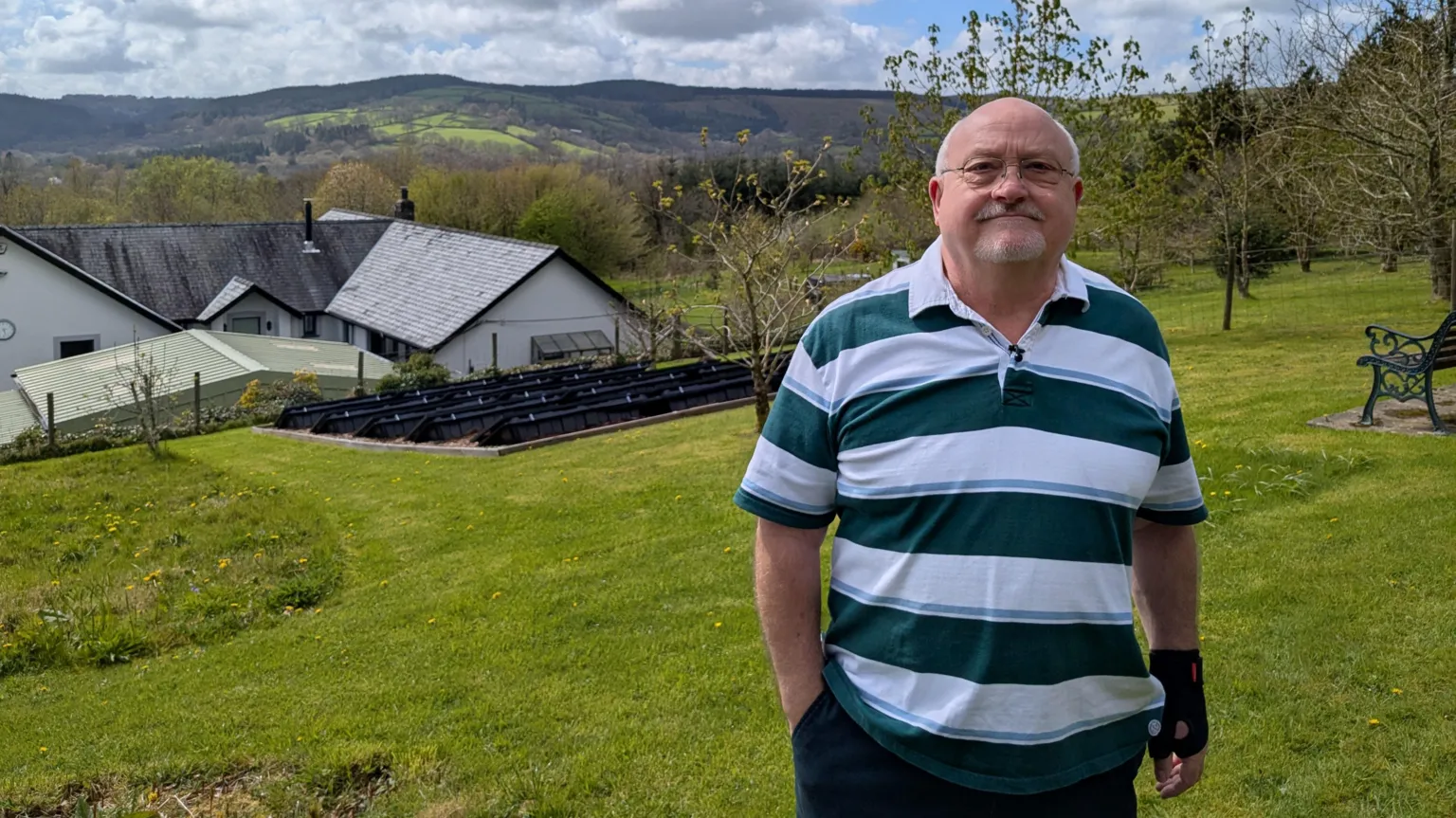
Further west, Bob Horton contacted BBC Your Voice expressing concern about much larger turbines.
Bob, 67, retired to Rhydcymerau, a small hamlet in Carmarthenshire, three years ago after living in major cities for decades. He described the local community as "so accommodating."
"There's not a whole lot in the village apart from that community spirit,"
he said.
Within one kilometre of his home, Bob said turbines up to 230 metres (754 feet) tall have been proposed as part of the Glyn Cothi wind farm development, which would include 27 turbines.
"That's twice the height of St Paul's Cathedral in London,"
he noted.

This site is one of three announced by Trydan Gwyrdd Cymru, a new publicly owned renewable energy developer in Wales, with similar projects planned in Rhondda Cynon Taf and on the Conwy-Denbighshire border.
Bob said he is "more than worried" about the potential effects on his quality of life from having large turbines nearby, but his primary concerns relate to possible impacts on nature and the local economy.
"These aren't the pretty ones you see on the side of a hill. These are monsters that you'll be able to see from 10 or 15 kilometres (six or nine miles) away."
Simon Morgan, development director at Trydan Gwyrdd Cymru, which is wholly owned by the Welsh government, said the design of Glyn Cothi is still at an "early stage." He added they "look forward" to further local discussions that will help "refine" the designs.
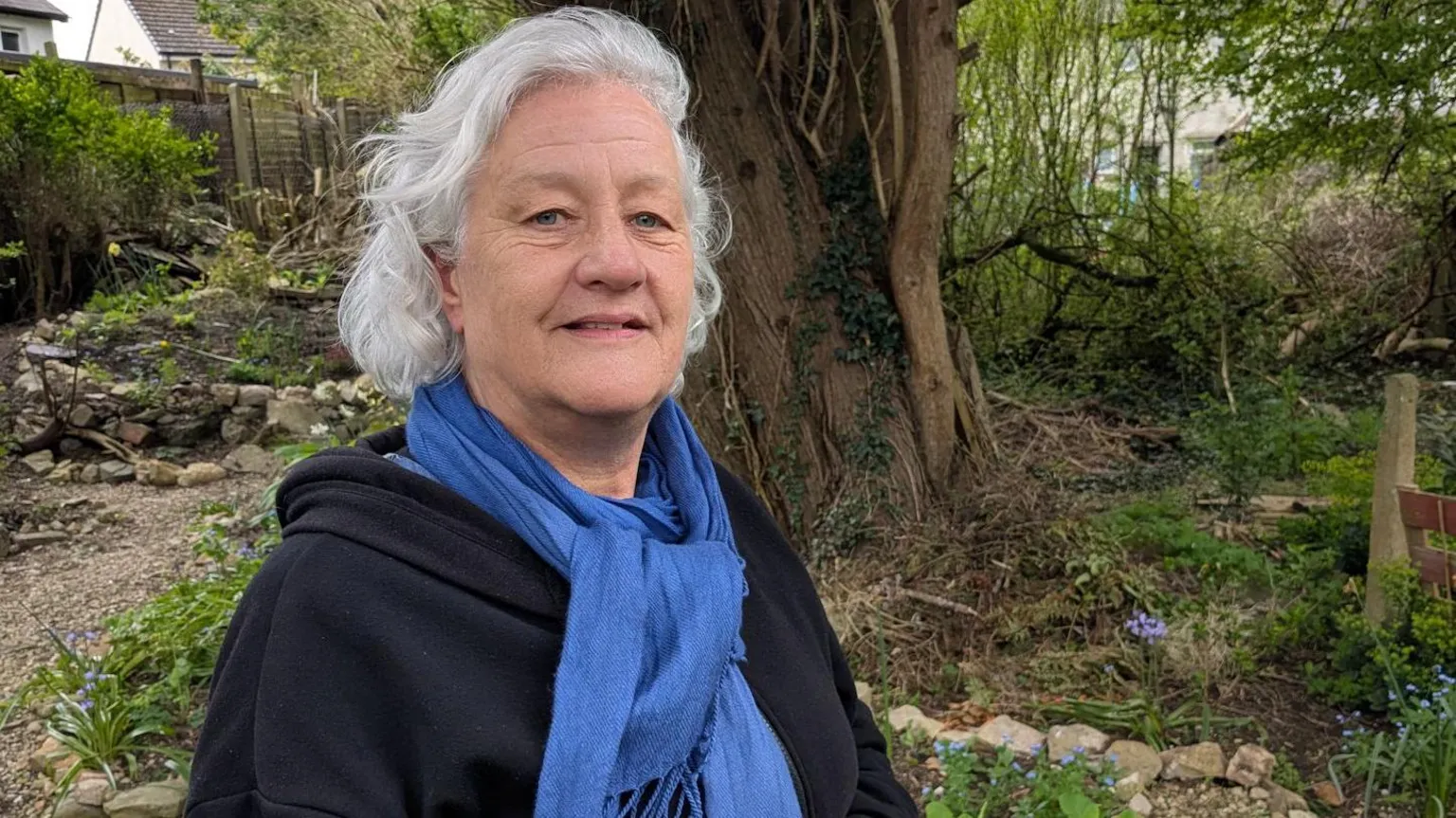
In west Cardiff, Cathy Alder contacted BBC Your Voice offering a different viewpoint.
Now in her mid-60s, Cathy works as a support worker and supports large-scale wind energy.
"We consume an enormous amount of power,"
she said.
"Almost everything depends on electricity."
Cathy emphasized the need for Wales to generate significantly more of its own energy to address climate change and reduce dependence on imported fossil fuels.
"Wales used to have coal mines everywhere,"
she said.
"If not wind turbines, then what?"
She challenged the perception that turbines are unsightly.
"I've seen wind farms overseas,"
she said.
"They can be quite majestic."
Wind farms operate by using turbines to convert wind into kinetic energy, which is then transformed into electricity and fed into the National Grid to power homes and businesses.
Currently, Wales has 45 onshore wind farms with turbines ranging from 50 to 150 metres (164 feet 1 inch to 492 feet 2 inches) tall.
Polling by YouGov for Friends of the Earth Cymru indicates that most people in Wales hold favourable views toward renewable technologies, with strong support for policies enabling communities to generate and benefit from their own energy.
Why are more wind farms being proposed?
In 2021, the Welsh government adopted Future Wales: The National Plan 2040, which prioritizes renewable energy nationally.
The plan designated pre-assessed areas where large wind farms are strongly supported and removed fixed regulations on turbine height and distance from homes, instead applying case-by-case assessments.
Large projects are often decided by Welsh ministers rather than local councils—a change supporters argue speeds up implementation, while critics contend it reduces local influence.
According to the Campaign for the Protection of Rural Wales, 73 applications have been submitted since the National Plan's introduction.
Abi Beck from RenewableUK Cymru, representing the renewables industry, stated that Wales "actually hasn't built an onshore wind farm for six years." She added that people in Wales tend to believe the country is "doing better than we are," but "the truth is that we're behind."
With the Senedd elections approaching in May, the topic has gained increased significance.
A Welsh Labour spokesperson described the party's vision as an "energy-independent Wales" to protect the nation from "unstable global markets," ensuring projects "benefit the communities that host them."
A Plaid Cymru spokesperson said Wales could become a "world leader" in renewable energy by harnessing its natural resources, emphasizing the need for a "just transition" to green energy that provides communities with "greater ownership" and benefits.
Reform Wales expressed opposition to the "industrialisation of the countryside," arguing that rural land should prioritize food production, habitats, and local communities.
A spokesperson for the Wales Green Party stated that renewables are the "cheapest form of energy," but added they "must be developed responsibly" to protect "sensitive ecosystems."
The Welsh Conservatives said they support renewable energy but would introduce a moratorium on industrial-scale onshore wind and solar projects.
Welsh Liberal Democrats MP David Chadwick criticized Labour's approach to onshore wind and pylons as a "free-for-all" driven by speculative developers, warning that large schemes risk "damaging rural landscapes" and tourism.


