

Air Conditioning Essential for UK Homes Amid Rising Temperatures
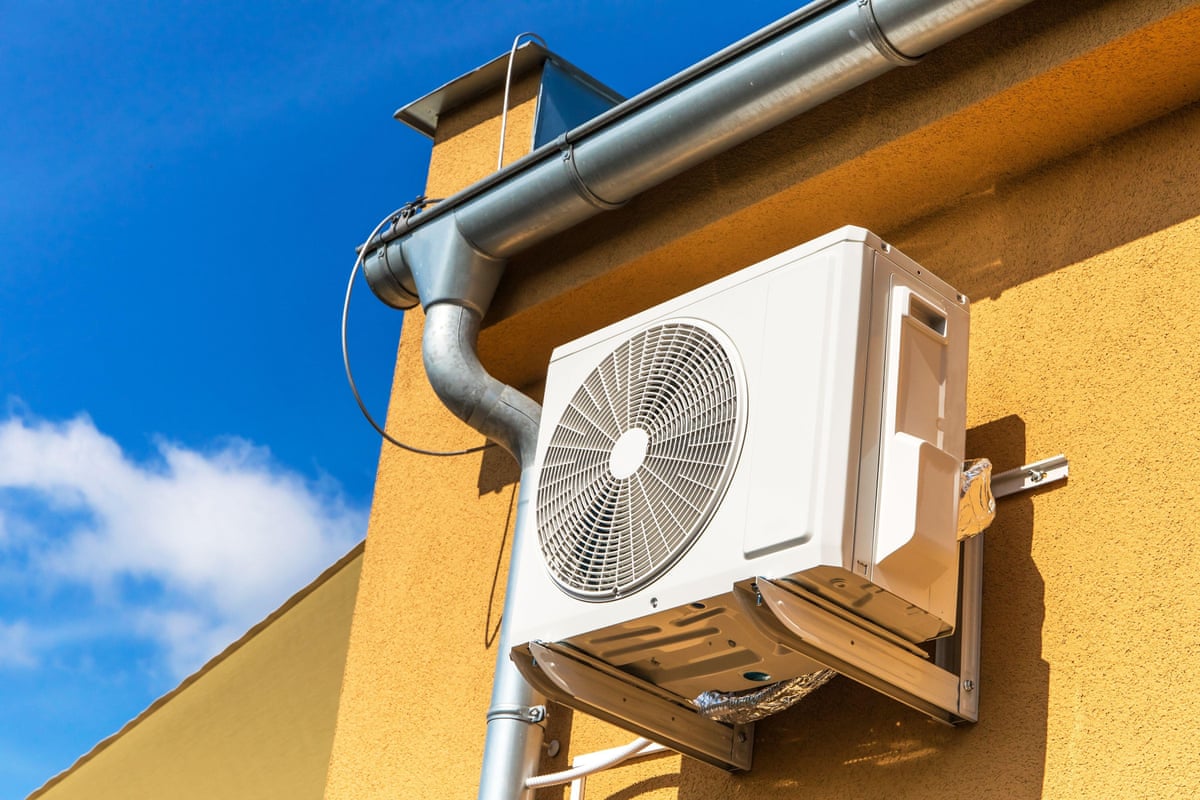
British homes will require air conditioning to cope with anticipated levels of global heating, according to the government’s climate advisers. The Climate Change Committee (CCC) cautioned that traditional measures such as drawing curtains, opening windows, and planting trees for shade will likely be insufficient.
The CCC’s report, published on Wednesday, recommends installing air conditioning in all care homes and hospitals within the next decade, and in all schools within 25 years. The committee also advised the government to establish heat safety standards for working both indoors and outdoors.
The UK is expected to experience 2°C of global warming by 2050, as efforts to limit temperature increases to 1.5°C above preindustrial levels under the Paris Agreement appear unlikely to succeed. Heatwaves exceeding 40°C are projected across all regions of the UK by 2050, with longer periods of hot weather potentially causing an additional 10,000 heat-related deaths annually. Currently, approximately nine in ten homes lack adequate cooling systems.
Extreme Heat Poses Immediate Risk to Life
Julia King, chair of the CCC’s adaptation subcommittee, emphasized the urgency of addressing extreme heat, describing it as the most deadly climate threat facing the UK.
“Extreme heat is certainly the most deadly of the climate impacts on the UK, so we need to see cooling rolled out at scale,”
“Sometimes [cooling] will mean opening windows, but sometimes it will mean air conditioning. And either way, we’ve got to get serious about cooling in hospitals, in care homes, and in schools.”
In 2022, temperatures exceeding 40°C resulted in approximately 3,000 excess deaths, with extreme heat events expected to become increasingly common. The report suggests that instead of cooling entire homes, individuals could designate a single cool room for use during heatwaves.
However, air conditioning is energy-intensive and contributes about 4% of global greenhouse gas emissions. More efficient systems, such as those using heat pumps—which are currently subsidized by the government to replace gas boilers—are rarely installed at present.
Sam Alvis, head of energy security at the IPPR thinktank, advocated for the increased installation of solar panels alongside air conditioning systems.
“We are going to have to get used to being a hot country, which is quite a mindset shift for the UK,”
“Air conditioning is actually a great pair for solar from an energy system point of view because it matches supply and demand, and your aircon is only going to be needed above certain temperatures.”
Emma Howard Boyd, professor in practice at the London School of Economics, highlighted the insufficient attention given to heat-related mortality.
“Heat resilience cannot continue to be treated as an afterthought,”
“It belongs alongside flood preparedness and water security at the very top of the national resilience agenda and the wider prosperity of the UK.”
Economic Costs and Infrastructure Challenges
The climate crisis currently costs the UK approximately £60 billion annually, equating to around 2% of GDP. This includes damages from flooding and agricultural losses. The report states,
“The UK was built for a climate that no longer exists today and will be increasingly distant in years to come.”
The number of UK properties at risk of flooding, currently estimated at 7 million, could increase by 40% by 2050 without intervention. River peak flows may rise by 45%, sea levels are projected to increase between 20cm and 45cm, threatening coastal areas, and heavy rainfall intensity could increase by 60%. If temperatures rise by 4°C by the end of the century, storm surges that presently occur once every 100 years could become annual events.

Natural flood defenses such as wetlands and river restoration will be insufficient, necessitating more engineered flood defenses.
Water Shortages and Wildfire Risks
Water scarcity is expected to worsen, with river flows likely to be about one-third lower in summer compared to 20 years ago. By 2050, the daily water supply shortfall could reach 5 billion litres, equivalent to roughly 2,000 Olympic swimming pools or a small reservoir. The construction of additional reservoirs is essential to prevent severe water shortages.
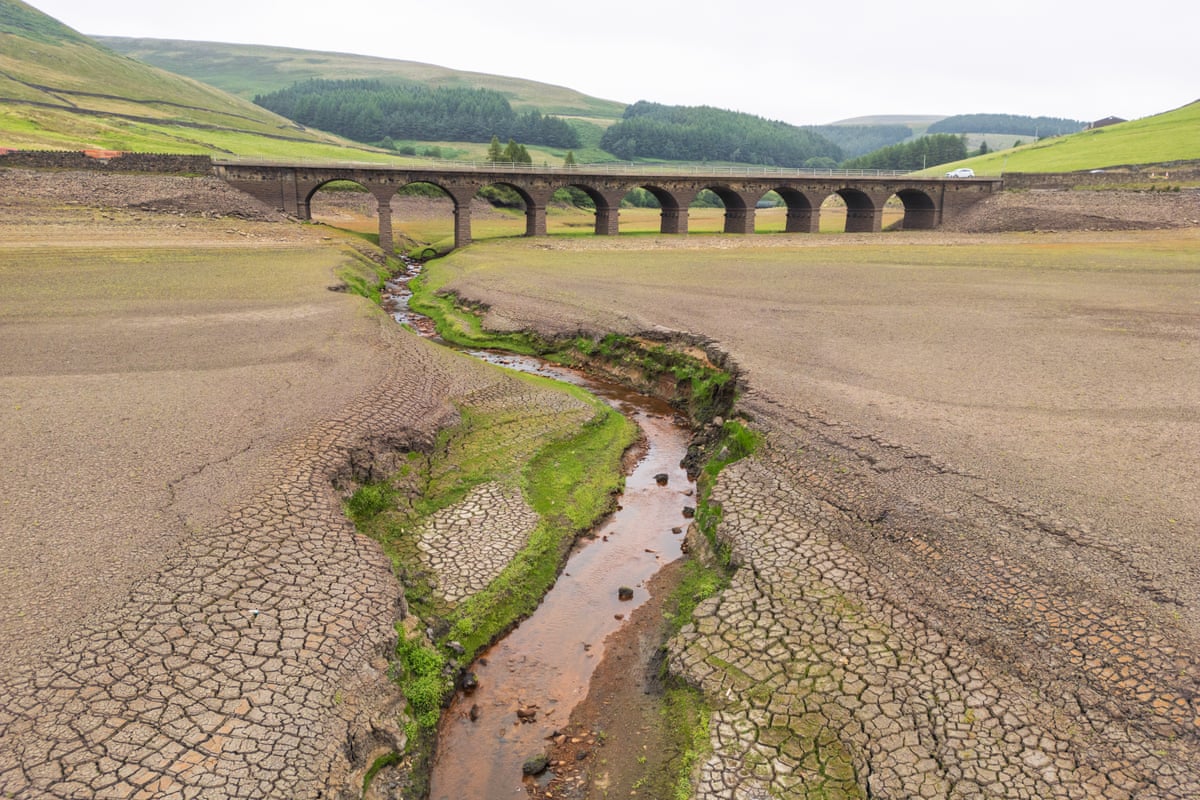
By 2100, summers similar to that of 1976 are expected to become the norm. Even by 2050, the number of high-risk wildfire days is projected to double, with the wildfire season extending into early autumn.
Impact on Education and Food Security
Schools should consider the effects of heat on students during examinations, including not only classroom temperatures but also the impact of elevated nighttime temperatures above 20°C on sleep quality.
Domestic food production faces threats from climate change, and the government is urged to ensure that at least 60% of the UK’s food continues to be produced domestically. Crop yield reductions and international agricultural challenges are expected to drive food price increases.
Investment and Policy Recommendations
The CCC estimates that protecting people and infrastructure will require approximately £11 billion annually, with about half of this funding coming from the private sector. Every £1 invested is projected to yield £5 in benefits. However, the UK currently invests 50 times this amount each year, some of which funds infrastructure that exacerbates climate vulnerability.
The cost of inaction is rising, currently at around £60 billion annually and potentially reaching £260 billion within just over two decades.
The CCC found that none of the UK’s existing national adaptation plans, developed by devolved governments, are adequate. Preparing for climate impacts and reducing greenhouse gas emissions should be treated as national security priorities.
“With the right decisions, we can protect the people and the places we love,”
“So, the strong message is that decline is a choice, it’s a political choice, it’s not inevitable. We can do something about it.”
Water supply requires urgent attention. Julia King warned,
“We are facing a potential world where in 2050 you could turn the tap on and nothing would come out.”
“We need more new reservoirs. We need to be able to move water around the country. We need to address leaks, and we need to address water efficiency.”
Government Response
Emma Reynolds, the secretary of state for the environment, did not announce new financial commitments following the CCC’s advice but stated that the government is already taking action.
“We have invested a record £2.65bn to repair and build flood defences, protecting tens of thousands of homes and businesses, and have deployed the largest nature-friendly farming budget in history to support sustainable food production and security,”
she said.


