

UK Should Set Maximum Workplace Temperatures, Advisers Recommend
The UK should establish a maximum temperature limit for workplaces to safeguard people as heatwaves become more frequent and severe due to climate change, according to the government's advisory body.
The Climate Change Committee (CCC) emphasized that implementing air conditioning and other cooling technologies in schools and hospitals must be a top government priority.
It cautioned that increasingly extreme heatwaves, droughts, and floods threaten the British "way of life," affecting events ranging from sports matches to music festivals.
The government stated it would carefully consider and respond to the committee's recommendations, noting ongoing investments in flood defences.
However, Baroness Brown, chair of the CCC's Adaptation Committee, criticized the "woeful" performance of successive governments in addressing current and future climate threats facing the UK.
"We need to recognise that there are aspects of our British way of life which are now really under threat from climate," she said.
"It's not rocket science - we know what to do [… but] we haven't yet seen a government that's prepared to prioritise adapting to the change of climate [… and] protecting the people and the places that we love," she added.
Climate Change Impact on UK Weather and Lifestyle
The CCC warned that the "UK was built for a climate that no longer exists today," stating it is now undeniable that climate change is reshaping weather patterns.
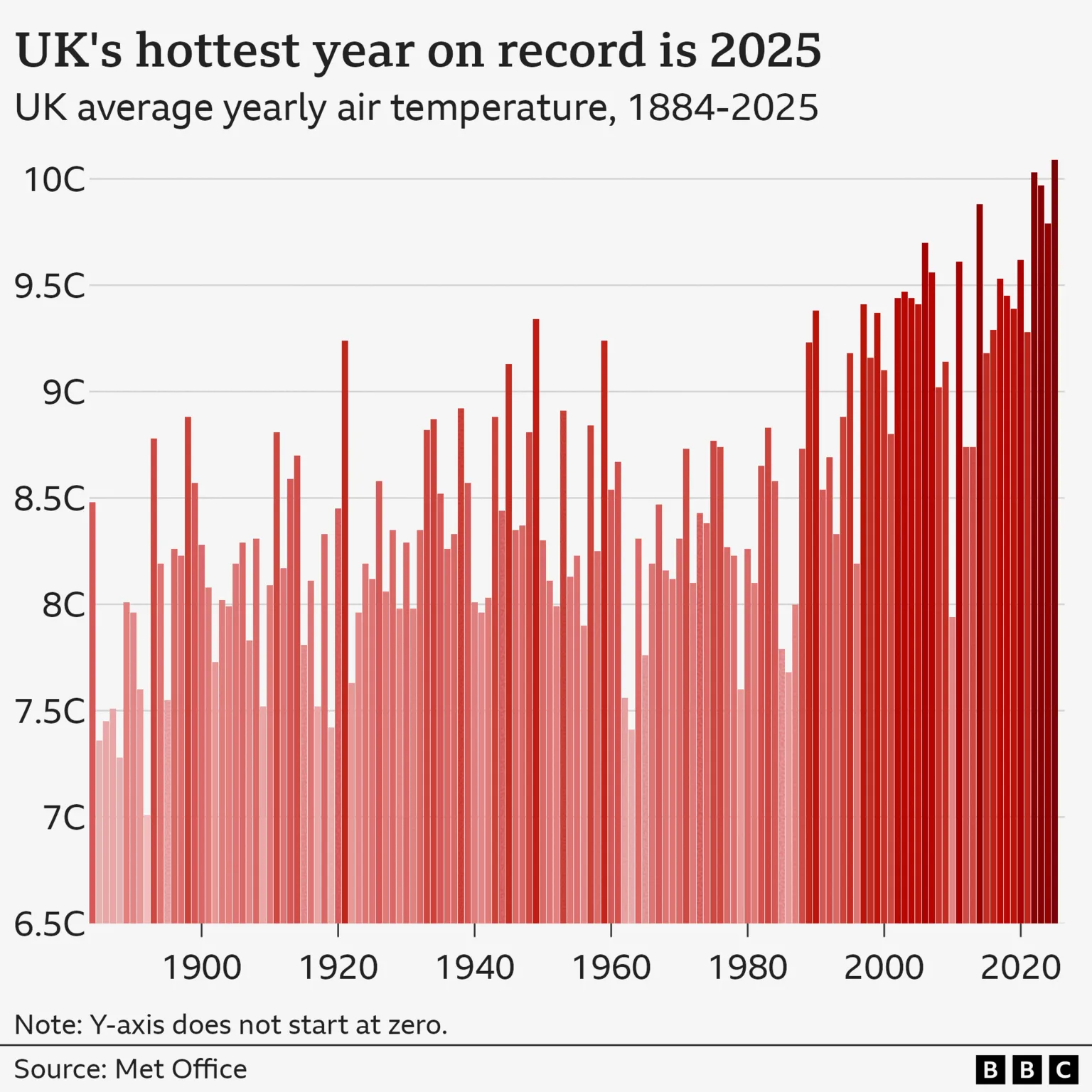
Last year was the UK's warmest year on record, with drought and low water levels impacting much of the country.
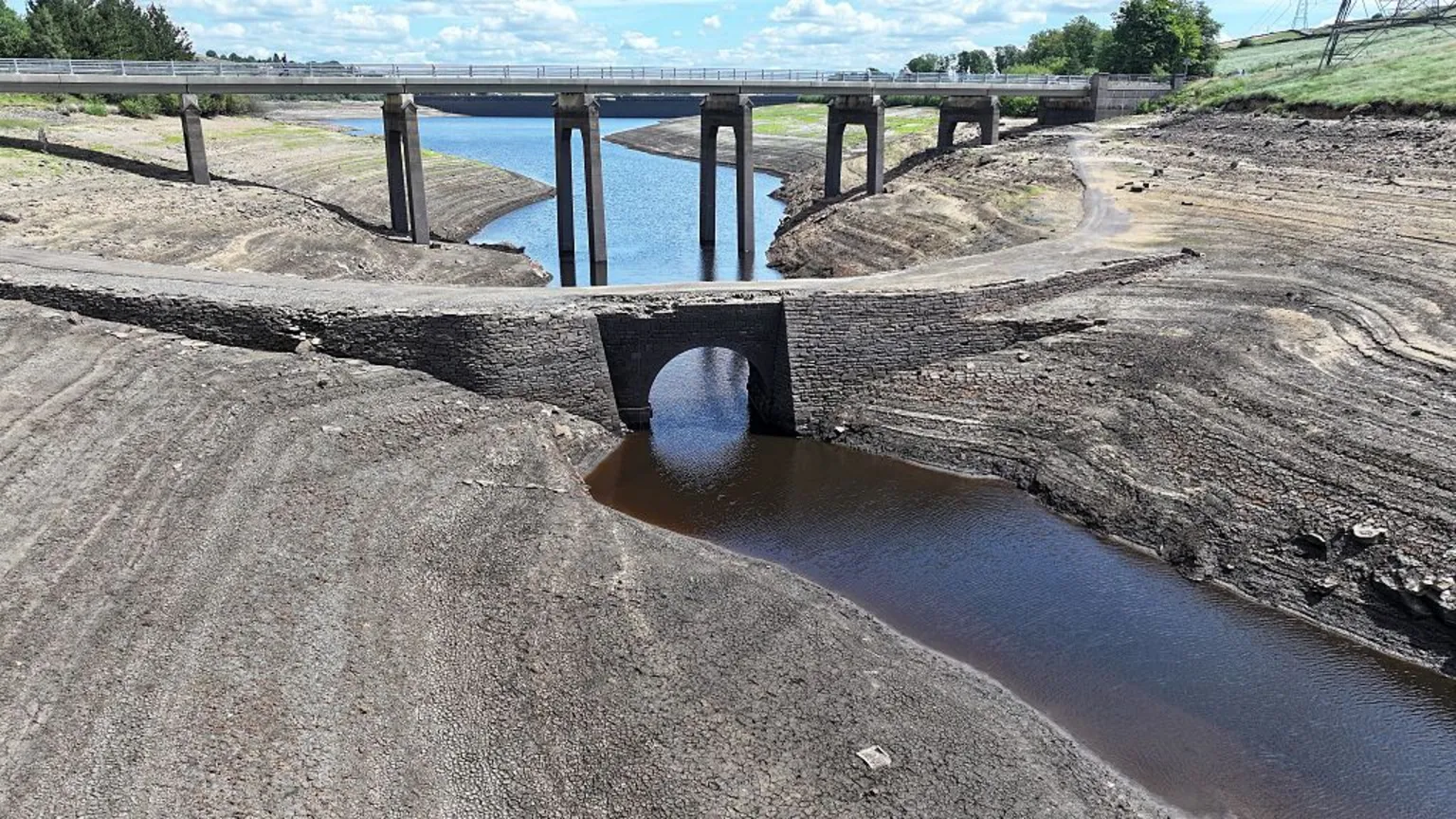
This followed one of the UK's wettest winters on record during 2023-24, which caused widespread flooding.
The CCC stressed that while reducing carbon emissions is essential to limit climate change, further impacts on the UK are inevitable.
The world has already warmed by approximately 1.4°C compared to pre-industrial times—before large-scale fossil fuel burning began—and global efforts to keep warming well below 2°C remain off track.
The committee highlighted the dual threats of winter flooding and summer droughts, with projections indicating increasingly wet winters and dry summers on average as climate change progresses.
By mid-century, peak river flows in some catchments could increase by up to 45% during periods of very heavy rain, the CCC warned.

Simultaneously, shortfalls in England's public water supply could exceed five billion litres per day without stronger action, driven by hot, dry summers and a growing population.
Extreme Heat: The Greatest Health Risk
The committee issued its strongest warning regarding extreme heat, identifying it as the greatest health risk from climate change facing the UK.
More than 90% of existing homes could overheat during more intense heatwaves, according to the CCC.
The committee recommends the government introduce maximum temperature regulations for workplaces to protect workers' health.
"It's a very sensible thing to do because we know that productivity drops very significantly when the weather gets very hot and we know that people become more prone to making mistakes and to having accidents," said Baroness Brown.
The CCC hopes such regulations would encourage businesses to adopt cooling technologies, including air conditioning, heat pumps—which can both cool and heat—and green shading.
While the CCC does not specify a maximum temperature, it references Spain's example, where the maximum legal indoor working temperature is 27°C for sedentary work and 25°C for light physical work.
Baroness Brown also reiterated her proposal to adjust the school calendar so that children avoid sitting exams during the peak summer heat.
Costs and Benefits of Climate Adaptation
Adapting to a changing climate carries an estimated annual cost of approximately £11 billion, shared between public and private sectors, according to the committee.
The CCC acknowledges this expense and cautions that the estimate may understate the funds required to prepare the UK for a warmer climate.
Nevertheless, it is confident that upfront investments would save the UK money over time, potentially tens of billions of pounds annually.
"It's very good value compared to the cost of the impacts of the climate that we're already seeing," said Baroness Brown.
Government Response
In response to the CCC's recommendations, Environment Secretary Emma Reynolds stated:
"We are acting to protect people and places from the impacts of climate change that are already being felt across the UK - from flooding to extreme heat and drought.
Robust, independent science is essential and we will carefully consider the Climate Change Committee's latest recommendations to drive further action."
Readers can for the Future Earth newsletter to stay informed on the latest climate and environment news with the BBC's Justin Rowlatt. Those outside the UK can to the international newsletter.



