Restoration of River Kemp Meander Completed
Sophie Bloor from Severn Rivers Trust described the restoration of the River Kemp's meander as an event that will lead to an "explosion" of nature.
An 18-month project to reinstate a natural meander in the River Kemp, which had been straightened for over a century, has been successfully completed, prompting emotional reactions and celebrations.
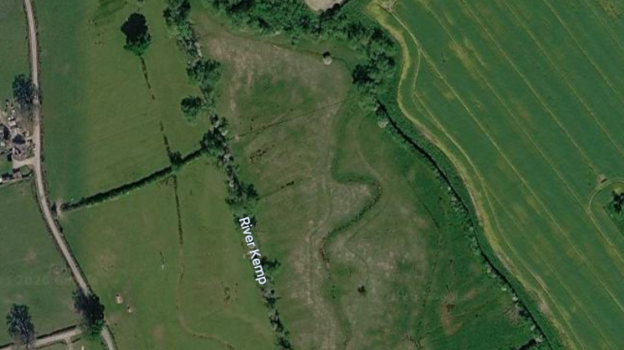
In the 1800s, landowners straightened a section of the River Kemp in south Shropshire, disconnecting it from its natural floodplain and diminishing biodiversity in the area.
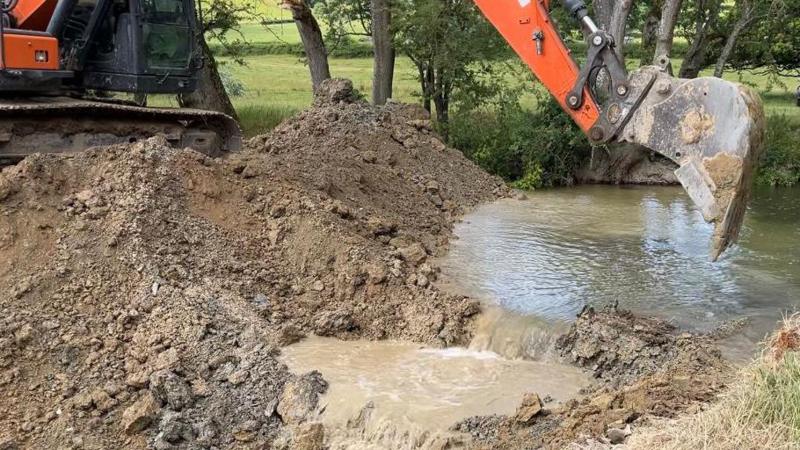
Water now flows through the restored meander following a project led by Severn Rivers Trust (SRT) in collaboration with local landowners.
"We're expecting an explosion in wildlife," said Sophie Bloor from SRT, adding, "because we've worked so closely with the farmers they are still able to graze [here]."
As the machinery removed the muddy barrier separating the river from the "Walcot Wiggle," Bloor expressed her excitement, stating she was "absolutely buzzing."
The project was developed in consultation with Catchment Sensitive Farming, the Environment Agency, and the Shropshire Hills National Landscape Team.
"Historically [the meander] would have just rocketed down," Bloor explained, adding, "because the channel is now wider [and] shallower, the river will interact with its floodplain."
The site, located in Little Brampton between Clun and Craven Arms, is expected to hold significant amounts of water, which will help reduce flooding downstream, Bloor continued.

"That ephemeral, wet-dry landscape - all the wading birds will absolutely love it, and you'll get insects... and all the really cool plants and flowers."
Local Farmer Reflects on Project
Rob Evans, a local arable, beef, and poultry farmer, is part of the Walcot Farm Partnership alongside his wife Lucy and son Will.
Evans described witnessing the new meander on his farmland as a significant moment, expressing that "it's nice to give something back."
The farm's involvement began through engagement with Catchment Sensitive Farming and the government's Farming in Protected Landscapes (FiPL) programme.
"It started with a few wildlife ponds, seeing what we can do for enhancing grasslands, and then it came to, 'Shall we reroute the river?'" Evans explained.
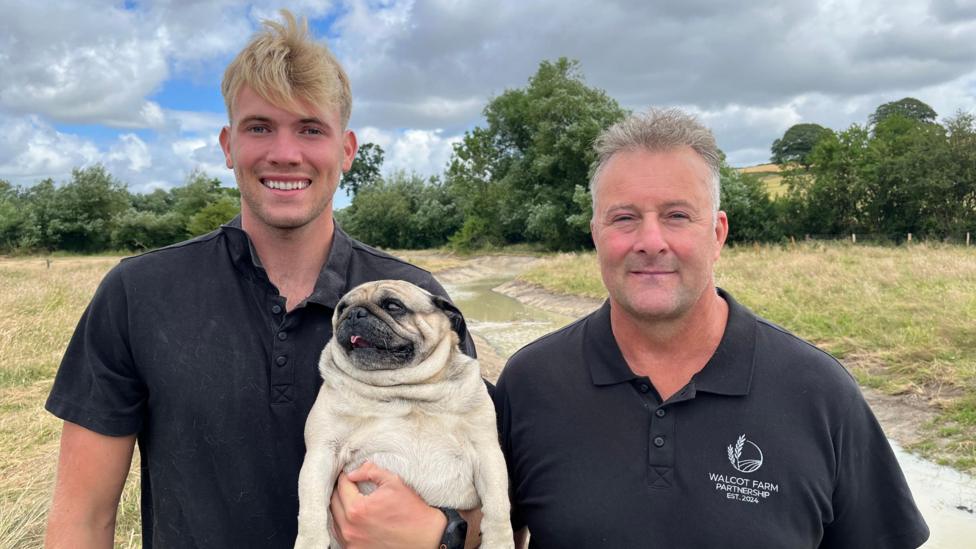
Watching water flow through the channel was a proud moment for Evans.
"My wife, Lucy, and my son Will, we've all been part of it and seen it from start to finish," he added.
Impact on Biodiversity and Species
Although the current channel appears somewhat sparse, the team anticipates significant ecological changes over time.
"You'll expect to see species that had been in the old channel, but they'll have more space," said Rachel Glover from the Shropshire Hills National Landscape Team.
"Especially species that rely on more natural gravels and variation within the channel - that's the benefit of the meander."
The "Walcot Wiggle" restoration is situated within the headwaters of the River Clun, which supports internationally important species such as the freshwater pearl mussel.
"There'll be a real variety of species," Glover added, explaining that the "wetter and boggier" landscape will attract "more wading birds."
"Nature restores and reestablishes itself very quickly," she said, noting that although the freshly disturbed ground looks harsh, it will soon "become more natural."
Community Engagement
Residents are encouraged to share which stories they would like covered in Shropshire.
Follow BBC Shropshire on , Facebook, X, and Instagram for updates.
- 'Our nature project has been amazing for wildlife'
- Beaver family 'healthy and busy building dams'
- How do you restore the wild spaces in a corner of England?