Bycatch Impact on British Marine Life
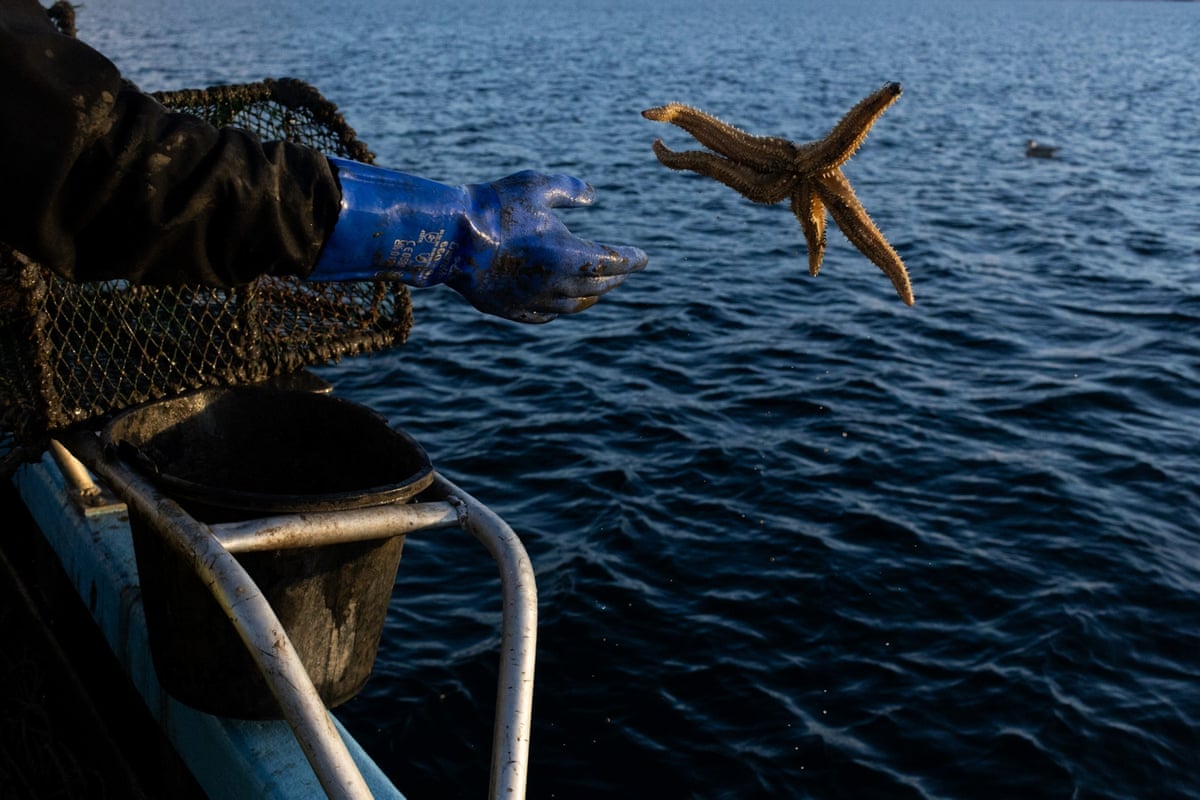
Thousands of Britain’s most iconic and protected marine species, including whales, porpoises, dolphins, seals, and seabirds, are killed annually as unintended victims of fishing operations, according to the first comprehensive analysis of bycatch data.
The study, conducted by Wildlife and Countryside Link (WCL), a coalition of voluntary conservation organizations, highlights the significant impact of bycatch—the accidental capture and mortality of non-target species by fishing vessels—on marine biodiversity.
Scale and Scope of Bycatch Deaths
The report describes the annual death toll as "shocking" and suggests it likely represents only a fraction of the true extent, given that only a small portion of the UK fishing fleet actively monitors bycatch. Specifically, just 0.05% of dredging vessels report bycatch data. These vessels, along with bottom trawlers identified in the investigation, drag heavy equipment across the seabed, disturbing habitats and capturing unintended species. It is important to note that data from non-UK vessels operating in UK waters were not included in this analysis.
Based on extrapolations from available datasets on bycatch and discard numbers, the report estimates that annually more than 1,000 harbour porpoises and common dolphins, 10,000 seabirds, and 500 seals are killed as bycatch. Additionally, six humpback whales and 30 minke whales were found dead entangled in creel ropes in Scottish waters. The report also estimates over 1,000 endangered Atlantic salmon and 120 tonnes of protected sharks, skates, and rays are caught and killed each year as bycatch by commercial fishing vessels.
Calls for Government Action and Mitigation
Richard Benwell, Chief Executive of Wildlife and Countryside Link, emphasized that most of these deaths could be prevented through the implementation of various mitigation strategies. He urged the government in England to fulfill its commitments regarding bycatch reduction for protected species.
“From razorbills and dolphins to endangered salmon and sharks, the scale of destruction exposed in this report is shocking, with animals dying in awful and unnecessary ways.”
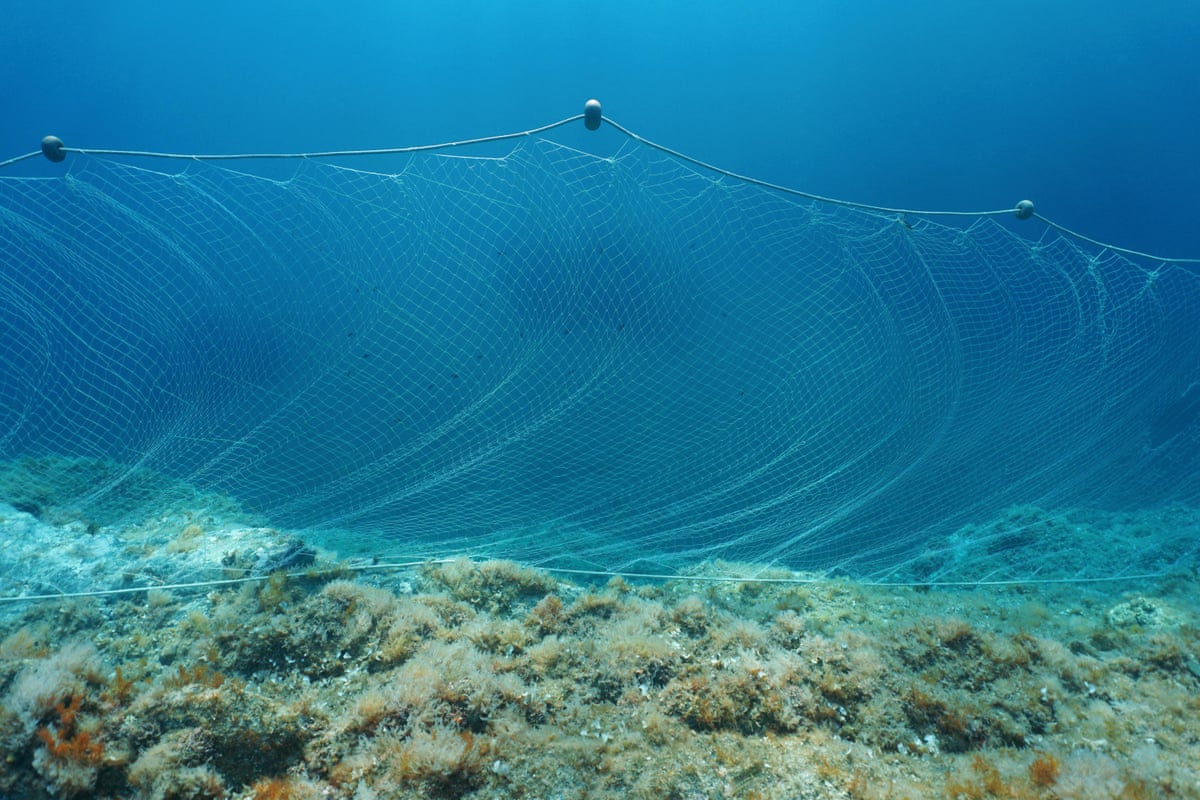
In English waters, gillnets—static nets suspended vertically in the water column—pose the highest risk for seabird bycatch. Species such as puffins, gannets, and razorbills become entangled and drown while diving for food. Research by BirdLife International has identified gillnets as a major cause of seabird mortality.

“The government mustn’t let these terrible losses continue. To protect marine wildlife, Ministers must finally deliver strong bycatch action plans, backed by strict mandatory monitoring and enforcement, before more wildlife is pushed closer to extinction.”
“We need to support fishers to move to more modern methods and not cause collateral damage.”
Legal and Environmental Implications
The report notes that cetacean deaths due to bycatch are a significant factor in the UK’s failure to meet legal obligations aimed at achieving good environmental status in certain British sea areas.
Ruth Williams, Head of Marine Conservation at the Wildlife Trusts, remarked on the issue’s impact on marine ecosystems.
“For many in the fishing industry, bycatch is a distressing and unwanted outcome – these species are critical to the health of our seas, and their deaths will have serious consequences on marine ecosystems.”
Williams also criticized successive governments for neglecting this largely invisible crisis.
Recommendations and Industry Solutions
The coalition advocates for mandatory remote electronic monitoring on all fishing vessels operating in English waters, including small vessels under 10 metres, which are responsible for a significant portion of bycatch.
Although the study focuses on UK waters, its recommendations primarily target the UK government in England, utilizing expertise from WCL’s English members.
The report highlights successful mitigation efforts already underway. For example, small-scale fishers in Filey Bay, Yorkshire—home to the UK’s largest mainland seabird colony—collaborated with conservationists to reduce seabird bycatch from approximately 700 to four or five annually by experimenting with heavier nets and other methods. In Scotland, research identified floating ropes between creels as the main cause of whale entanglements. Trials of weighted creel ropes have demonstrated effectiveness in reducing whale entanglement risks.
Government Response
A spokesperson for the Department for Environment, Food & Rural Affairs (Defra) stated:
“This government is committed to restoring our oceans to good health and we are taking action to reduce the bycatch of marine species.”
“Our flagship programme, Clean Catch, uses electronic monitoring to collect bycatch data and evaluate the effectiveness of mitigation measures, and our new Seabird Bycatch Action Plan will look to reduce seabird deaths in and around English waters.”