The Emergence of Blouge Wine
Blouge wine, a blend of white (blanc) and red (rouge) grapes, is gaining popularity in bars worldwide as a light, fresh alternative to rosé and orange wines.
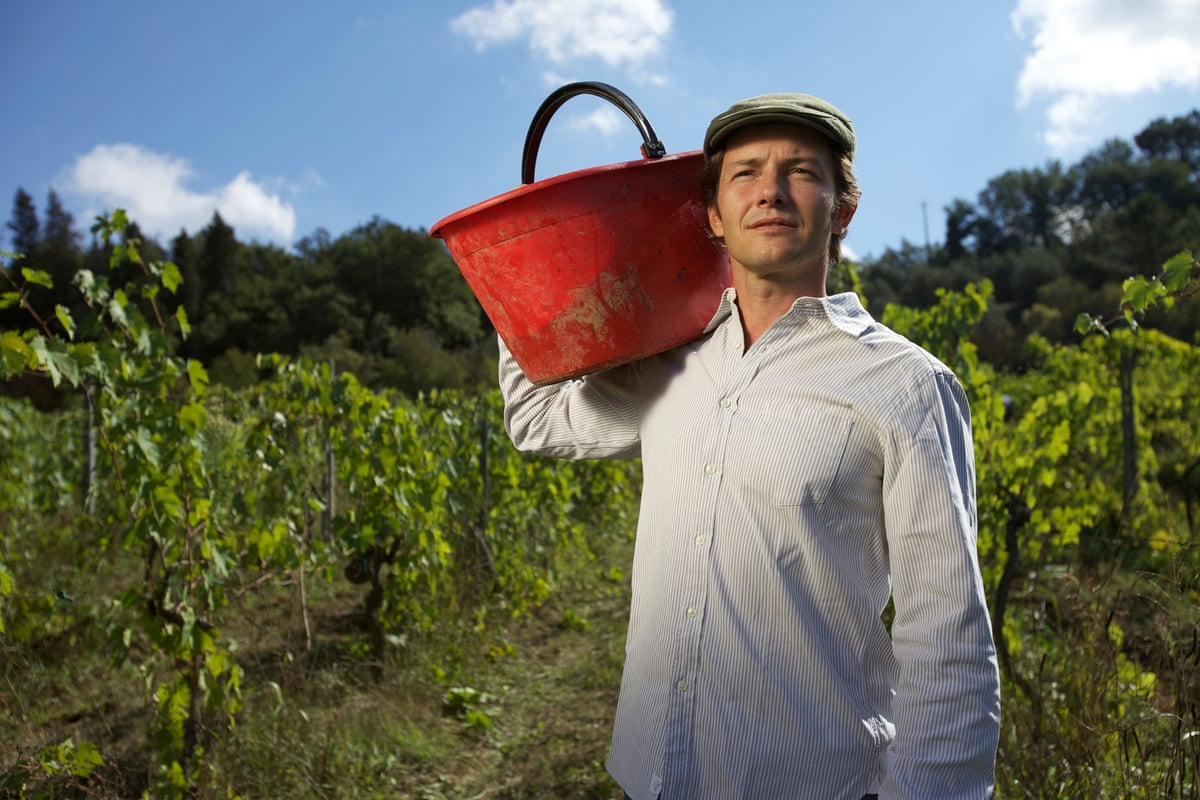
Konrad Pixner, a northern Italian winemaker who established Domaine de L’Accent in Languedoc in 2019, notes that two decades ago, wineries typically succeeded with one white and two red wines. However, today, importers and bars frequently inquire,
“Do you have something new?”This demand has led Pixner, working amid the hills, gorges, and limestone plateaus, to continuously experiment with his wines.
Following a successful 2023 harvest, Pixner discovered at 4 a.m. that his largest vat of white wine, pressed from carignan blanc grapes, had overflowed during fermentation. With no additional space available, he swiftly transferred the white juice into a tank containing whole bunches of carignan noir grapes, allowing them to ferment together for ten days. This process, distinct from rosé production—which involves brief skin contact with red grapes before pressing—resulted in the creation of "blouge," a chilled, light, and fresh wine blending white and red grapes. This style has since attracted interest among innovative winemakers globally.
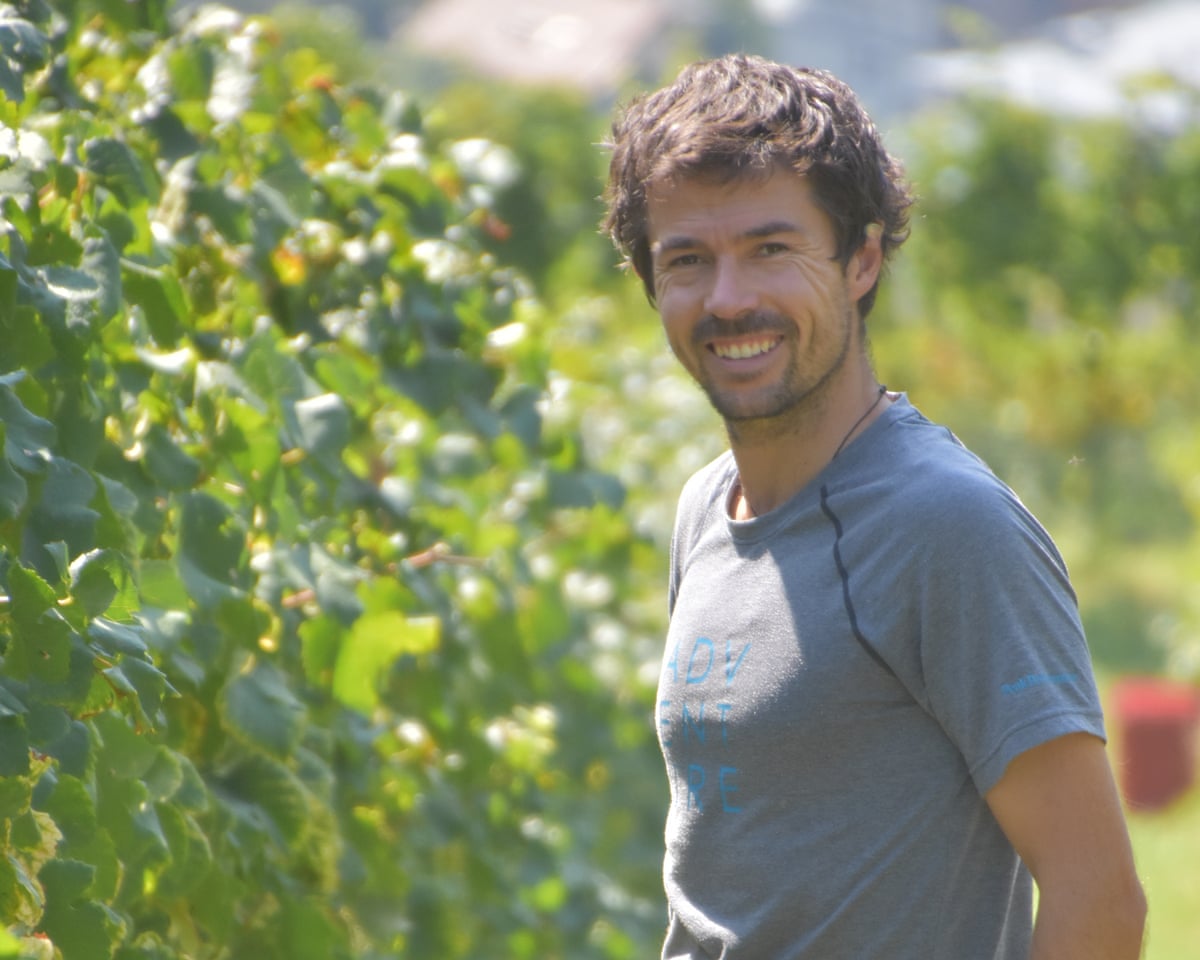
“The blouge is more for the bar and for apéro, 5pm or 6pm after work, in the sun,”explains Lucas Madonia, a French winemaker based in Switzerland. His 2024 Blouge, arriving in London in April, combines chasselas white grapes and gamay red grapes, offering a fruity, aromatic profile with notable acidity derived from the high-altitude, organically farmed south-facing slopes of Valais. Madonia is among the few natural wine producers in the region, crafting wines with minimal intervention and no added sulphites or additives. Unlike most Swiss vintners, who export only a small fraction of their production, Madonia exports his wines internationally.
“Lucas’s wines have been popular in a lot of the natural wine bars in London,”says Joel Wright, owner of Wright Wines in south Wales, an importer of small-brand natural wines to the UK. Wright observes that natural wine appeals to customers in their 30s who have the means and curiosity to explore new wine styles.
“Blouge is probably for that kind of customer, who wants something more juicy and fresh.”The grapes’ high-altitude cultivation results in cooler conditions, limiting sugar accumulation and thus producing wines with slightly lower alcohol content (Madonia’s is 10.7%), which suits this demographic.
Over the past decade, the natural wine movement has spurred the emergence of new-style wine bars, popularizing orange wine—white grapes fermented with skins and seeds—and fostering more approachable wine discussions. In cities like London, Cardiff, Manchester, and Edinburgh, staff use playful descriptors such as "natty," "crunchy," "hectic," "skinsy," and "turbo-chilled" to characterize wines. Blouge producers similarly describe their wines as "fresh," "vibrant," and "juicy."
Blending grapes is not a novel practice; champagne typically combines white chardonnay with red pinot noir or pinot meunier, and Châteauneuf-du-Pape is a blend as well. In Florence, Daniele Dzieduszycki, a fourth-generation owner of Fattoria di Sammontana, continues a centuries-old tradition of mixing trebbiano and sangiovese grapes.
“It gives the wine more freshness,”Dzieduszycki states, resulting in
“a red that is also good to have in summer.”Unlike newly marketed blouge wines, these blends are usually categorized as either red or white.
Changing Preferences and New Generations
Blends such as beaujolais, gamay, and grenache, often served chilled, are increasingly preferred over fuller-bodied reds like cabernet sauvignon. The rise of lighter, natural wines has encouraged consumers to enjoy red wines year-round. Anthony Aubert, 36, co-founder of Aubert et Mathieu, notes,
“People want to drink more chilled beverages.”He adds,
“My generation grew up with a bottle of soda and Coca-Cola in the fridge, and everything we drank since we were alive was cold.”

Aubert et Mathieu launched their blouge in 2023, selling 20,000 bottles last year and aiming for 30,000 by 2026. Their wine will be available in the UK starting May. Aubert comments,
“The wine industry is super-traditional, particularly in France. We bring something new.”
The growing popularity of natural wine blends reflects a shift away from the formality traditionally associated with wine. Scott Sampler, a film industry veteran whose Scotty Boy wines are featured in Los Angeles’ trendiest restaurants, draws inspiration from rustic countryside wines
“made in neighbourhood garages and served at the local cantina in large carafes.”His blend, El Sandweeech!!!, combines pinot noir and chardonnay grapes.
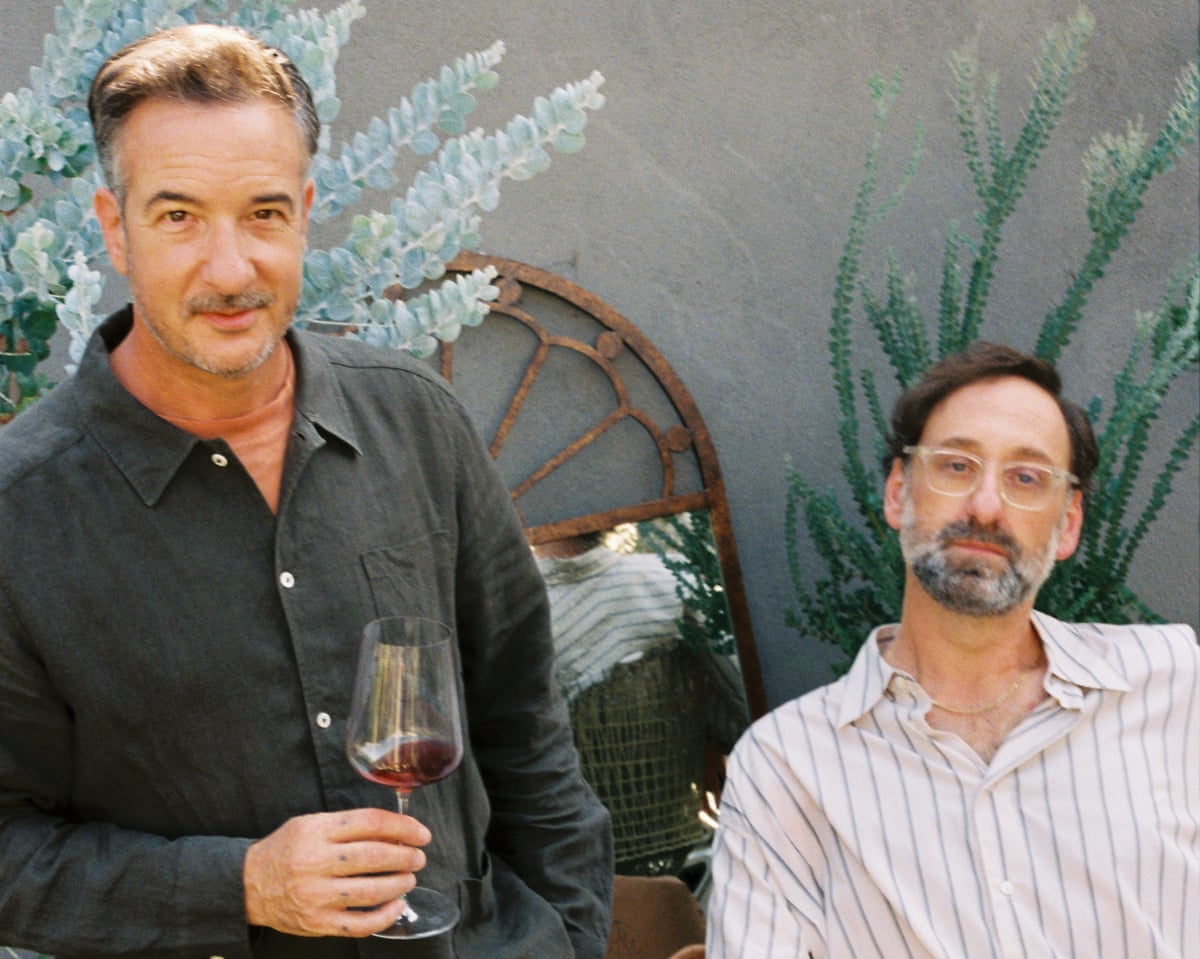
In Sonoma, California, Joel Burt and Eric Wareheim of Las Jaras Wines have created Superbloom by blending white chenin blanc and viognier with red carignan and grenache noir. Superbloom, described as a "Californian table wine," originated from the Parisian natural wine bar scene where co-fermentation is popular. Burt notes that these blends produce
“a lot of really interesting flavours,”with Superbloom exhibiting notes of grapefruit, watermelon, white tea, and spice.
These lighter, fresher, and lower-alcohol wines embody a "European sensibility" but were once considered fringe in the US when Las Jaras was founded 15 years ago. Burt observes,
“Now it’s definitely in the mainstream.”He adds that younger generations seek enjoyment in wine drinking,
“They’re not going to light up a cigar while they’re drinking a cabernet.”
Best of Blouge
Bobo Wines (France/UK), £49 per 2.25 litres
Blouge is the second bestselling wine after orange wine for Chris Wawak of Bobo Wines, an American based in London focused on destigmatizing boxed wines since launching three years ago. Wawak states,
“It tastes exactly the same as a bottle and is slightly better value.”He highlights environmental benefits:
“It takes seven trucks to move the same amount of wine in bottles as one truck of ours.”Wawak discovered blouge through Claude Straub in France, who blends 85% pinot gris white grapes with 15% pinot noir. Straub macerates the skins for three weeks and ages the wine in stainless steel tanks for two years, producing a light drink with blackcurrant flavors and hints of cherry and rose petals.
Lucas Madonia (Switzerland), £40 per 75cl bottle
Madonia’s vineyard is located on steep mountainsides in the Swiss Alps of Valais, where organic farming is challenging. While most nearby vineyards use chemicals to control vegetation, Madonia is committed to producing high-quality natural wines. His blouge is a fruity, aromatic blend of chasselas white and gamay red grapes with a clean, lively finish. Madonia recommends serving it chilled on sunny afternoons to highlight flavors of juicy strawberries and raspberries.
BoogieWoogie (France), £10.98 ex VAT per 75cl bottle
BoogieWoogie is a light, juicy blend of red and white grenache grapes, ideal for pairing with tapas, pizza, and picnics. Aubert describes the concept as
“to make wine, but less conventional and with more fun.”He notes that young consumers
“don’t want to have too much explanation, they want to drink something easy to understand, like a beer or a cocktail, in a moment shared with your friend or your family.”
Konrad Pixner (France), €13 (£11) per 75cl bottle
At 39, Pixner is the oldest person working on his estate, surrounded by many young collaborators who keep the environment dynamic. His 2023 Blouge is a fortunate outcome of this lively atmosphere: an easy-drinking, fresh, and food-friendly wine made from carignan blanc juice and unpressed carignan noir. Although only 600 bottles have been produced so far, Pixner has attracted interest from importers in New York.