

Introduction to Micro-Restaurants
The trend of downsizing in the restaurant industry has evolved beyond smaller portion sizes and condensed menus. Now, micro-restaurants, typically accommodating fewer than 20 guests, are becoming increasingly popular across the UK.
These intimate dining spaces focus on communal tables that foster social interaction among diners. Gwen, a Michelin-starred restaurant in Machynlleth, Wales, exemplifies this with its 3-metre-wide table seating just eight customers per night, often turning strangers into friends.
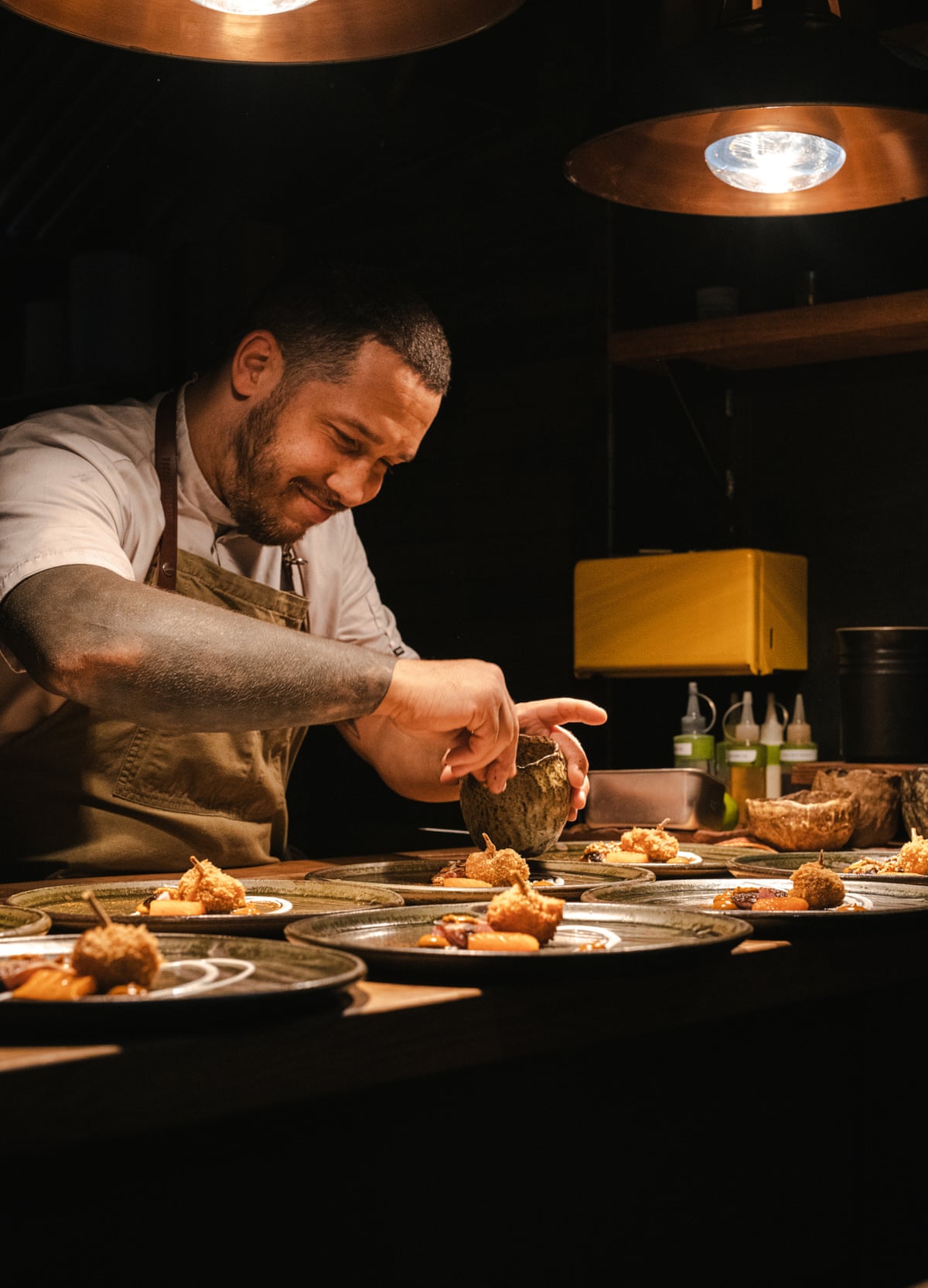
“We’ve had people come as two couples and book four seats as they come out with people they just met. We’ve had people who ended up booking holidays together,”says Jake Nutt, the owner of Gwen.
Solo Dining and Communal Atmosphere
Micro-restaurants also cater well to solo diners. The Table, a 10-seat restaurant featuring a 7-metre-long communal table, reports that single seats are the most popular reservations.
“We’ve had six single dinners in an evening, that’s over half the restaurant,”says Sean Clark, the owner.
“We get a lot of single diners because it’s an inclusive, convenient atmosphere.”
The Table is one among several micro-restaurants in Edinburgh, including others that utilize the city’s compact spaces efficiently.
Private Dining Experiences
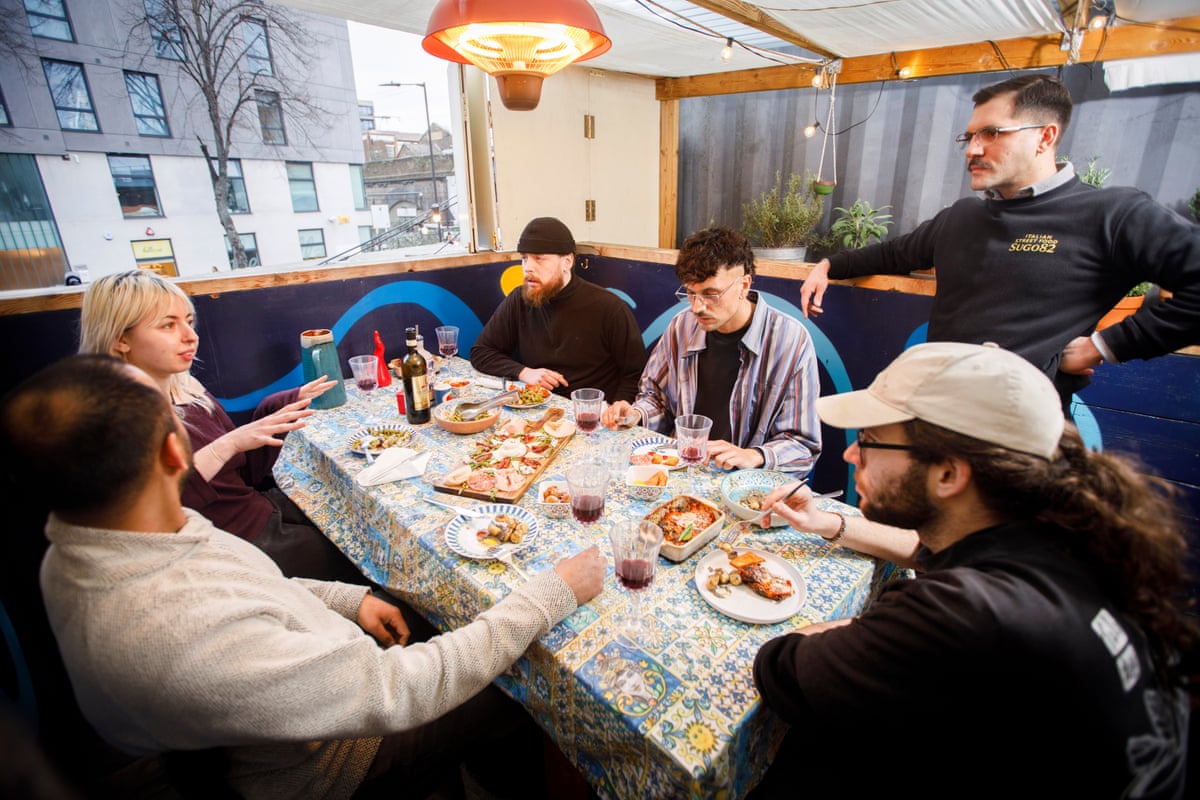
Some micro-restaurants operate as private dining venues. Sugo82, an Italian "family kitchen" located in east London, offers a table for five surrounded by traditional Italian memorabilia just above its takeaway counter.
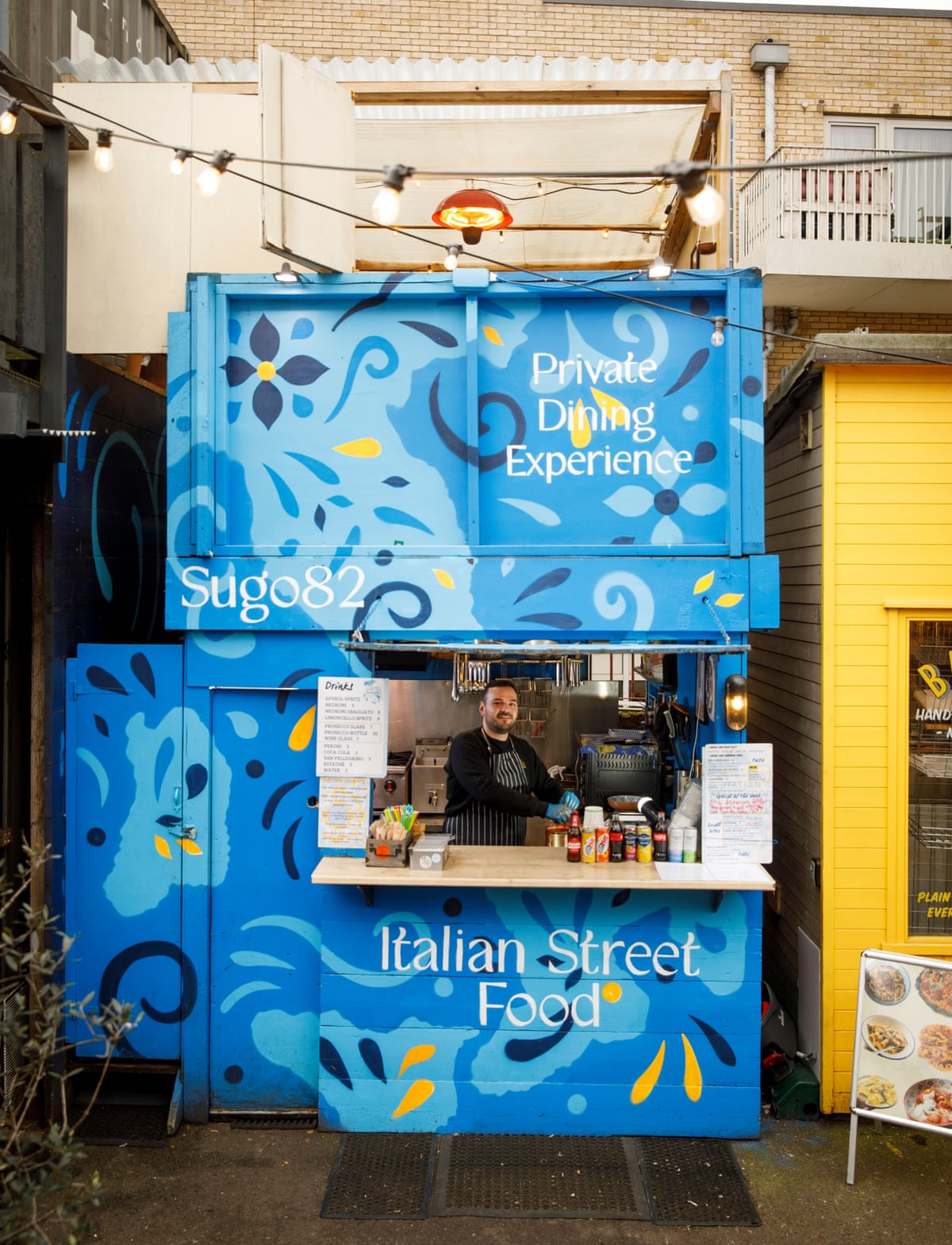
“For me, this is like my house, if you come in my house you have the same treatment,”explains Stefano Pianese, the owner originally from Naples.
“They call us upstairs to have a drink because they feel the love.”
Chef-Customer Interaction
The close proximity between chefs and diners creates an intimate and engaging atmosphere. At Gwen, the chef is merely a metre away from customers, eliminating the usual barriers found in traditional restaurants.
“In a typical restaurant, there’s a barrier between a chef and customer, for us that’s gone, we’re a metre away from you,”says Nutt. This closeness allows chefs to witness diners’ reactions firsthand, which Nutt finds highly rewarding.
“It’s almost like a cheat code for us,”he adds.
“I imagine that in a normal restaurant, a chef will send out a plate of food and never hear about that plate of food ever again.”
Exclusivity and Challenges of Small Spaces
While many micro-restaurants began due to limited available space, their size has become a unique selling point, offering an exclusive and special experience to guests.

“The size has really turned into one of our most unique selling points. It gives it this feeling of people being included in something unique and special,”Clark notes.
However, operating a kitchen in such confined quarters presents challenges. Nutt describes the environment as a "micro pressure cooker" where mistakes are immediately noticeable.
“It can be like a micro pressure cooker at times, there’s nowhere to hide. If a glass breaks or you drop a plate everyone knows. You’ve got to just take it on the chin,”he says.
Financial Pressures and Market Trends
Despite their small size, micro-restaurants face significant financial pressures. Sam Betts, owner of the Small Canteen in Sandyford, Newcastle, a 15-seat restaurant measuring 7 by 3 metres, highlights rising costs compared to when he opened five years ago.
“When I started, the staff costs and the rates were low, the rent was quite low. So it was suitable with less risk involved,”Betts explains.
“Now it’s just increasingly expensive.”
Betts also observes a decline in customer visits. A report released last October found that 38% of people were dining out less frequently than the previous year.
In response to reduced demand, many restaurants have downsized capacity. However, smaller venues have limited options to increase revenue through volume.
“In a larger venue, you can always try and get more people in, but up here we can’t do that,”Clark says.
Maintaining a full house each night is crucial for micro-restaurants, which often require pre-paid bookings to mitigate cancellations and financial losses.
“A risk of it is if you get a cancellation of two, that’s 25% of the restaurant, we’ve lost the revenue for that night,”Nutt states.
Pricing and Dining Experience
Dining at micro-restaurants often comes at a premium. At Gwen, the 10-course tasting menu costs £135 per person, while The Table offers a seven-course tasting menu for £110.
Sugo82 charges up to £75 per head. Despite limited space, these establishments emphasize attentive care and storytelling about the food.
“If you eat in a big restaurant, you just go there, have your food, then you go,”Pianese says.
“If you come here, we explain every plate, the history, where it comes from.”


