Introduction
Our expert undertook extensive testing to identify the top wine coolers that effectively maintain wine temperature, suitable for hosting, picnics, or stylish storage.
The best no- and low-alcohol wines for when you’re off the booze
I admit to being somewhat skeptical about wine coolers, especially for home use. While I enjoy a crisp, chilled glass of wine as much as anyone, I am cautious about adding unnecessary gadgets to my already crowded kitchen. Moreover, wine coolers are often misnamed; most do not actively cool wine but rather maintain its temperature. This function is useful in restaurants to keep a bottle at a consistent temperature during a meal, but for casual home drinking, repeatedly returning the bottle to the fridge suffices. However, with picnic season approaching, wine coolers become more relevant to prevent warm wine outdoors and to demonstrate a serious approach to alfresco dining.
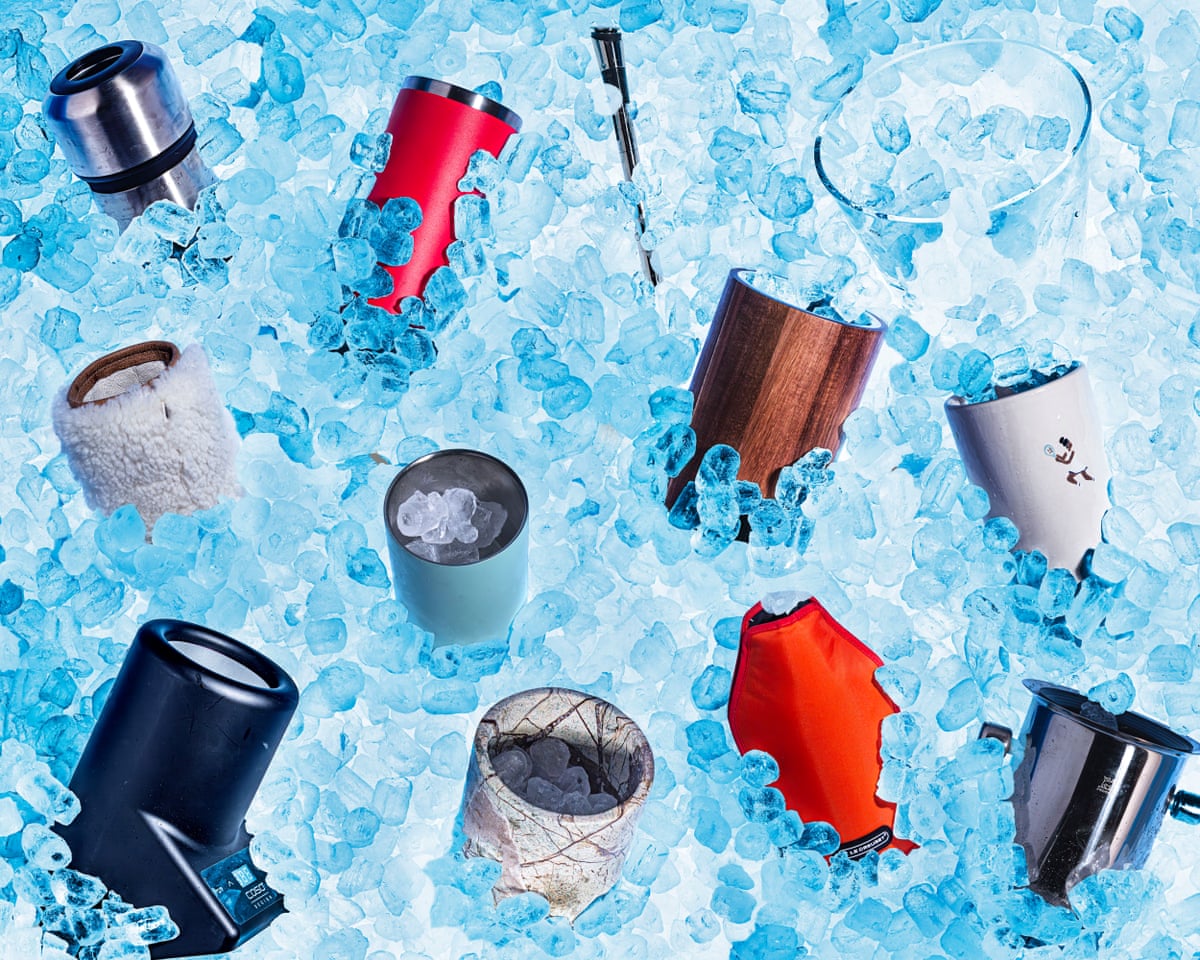
With these considerations, I tested a dozen different wine coolers over several weeks using a bottle of fridge-cold wine. The coolers varied widely in design and function, some emphasizing style, others practicality, and some both or neither. My goal was to determine which, if any, could change my opinion of wine coolers, which maintained temperature best, and which were aesthetically pleasing.
As a skeptic who usually drinks wine with companions who finish bottles quickly, I was well positioned to evaluate not only performance but also the necessity of owning a cooler. I assessed each cooler’s efficacy in temperature maintenance, practicality, aesthetic appeal, and additional functions such as doubling as an ice bucket.
At a glance
- Best wine cooler for hosting and overall: Peugeot Equilibreur
- Best wine cooler for a picnic: Le Creuset sleeve
- Best wine cooler for garden dining: Yeti Rambler
- Best cooler for wine enthusiasts: Caso Design VinoCase
Why you should trust me
In brief, I drink a lot of wine. More specifically, I am a food and drink writer with over 15 years of experience and serve as this paper’s wine columnist. I have also curated wine lists for restaurants and hold Level 3 qualifications from the Wine & Spirit Education Trust. I value a perfectly chilled glass, especially in summer, and while I am not obsessive about exact temperatures, I prefer not to drink lukewarm wine. Both I and the wine deserve better.
How I tested
I evaluated 12 coolers that differed significantly in appearance and technology, ranging from vacuum insulation to traditional sheepskin. While I generally avoid unnecessary kitchen gadgets, I found the simpler options, such as the marble cooler from H&M or the woollen pouch, particularly appealing aesthetically.
However, effectiveness was paramount. I favored designs that were thoughtfully made, sturdy, and practical, like the Yeti, although I already owned and liked the Le Creuset sleeve, which set a high bar.
To test temperature retention, I measured the temperature of wine straight from the fridge, then after one and two hours in each cooler—two hours being a reasonable maximum for wine remaining in a bottle during drinking. The control was a bottle left without a cooler, which warmed by 7°C in two hours.
The wines tested were those I prefer in warm weather and like served chilled between 8 and 10°C, including Spanish varieties such as Basque txakoli and Catalan rosé.
Since the initial wine temperature varied slightly (fridge set at 8°C, but wine in the door often at 9-10°C), I focused on the rate of temperature increase rather than absolute values.
Testing occurred indoors in mid-April, with ambient temperature around 18°C, to maintain consistent conditions despite variable outdoor weather.
The best wine coolers
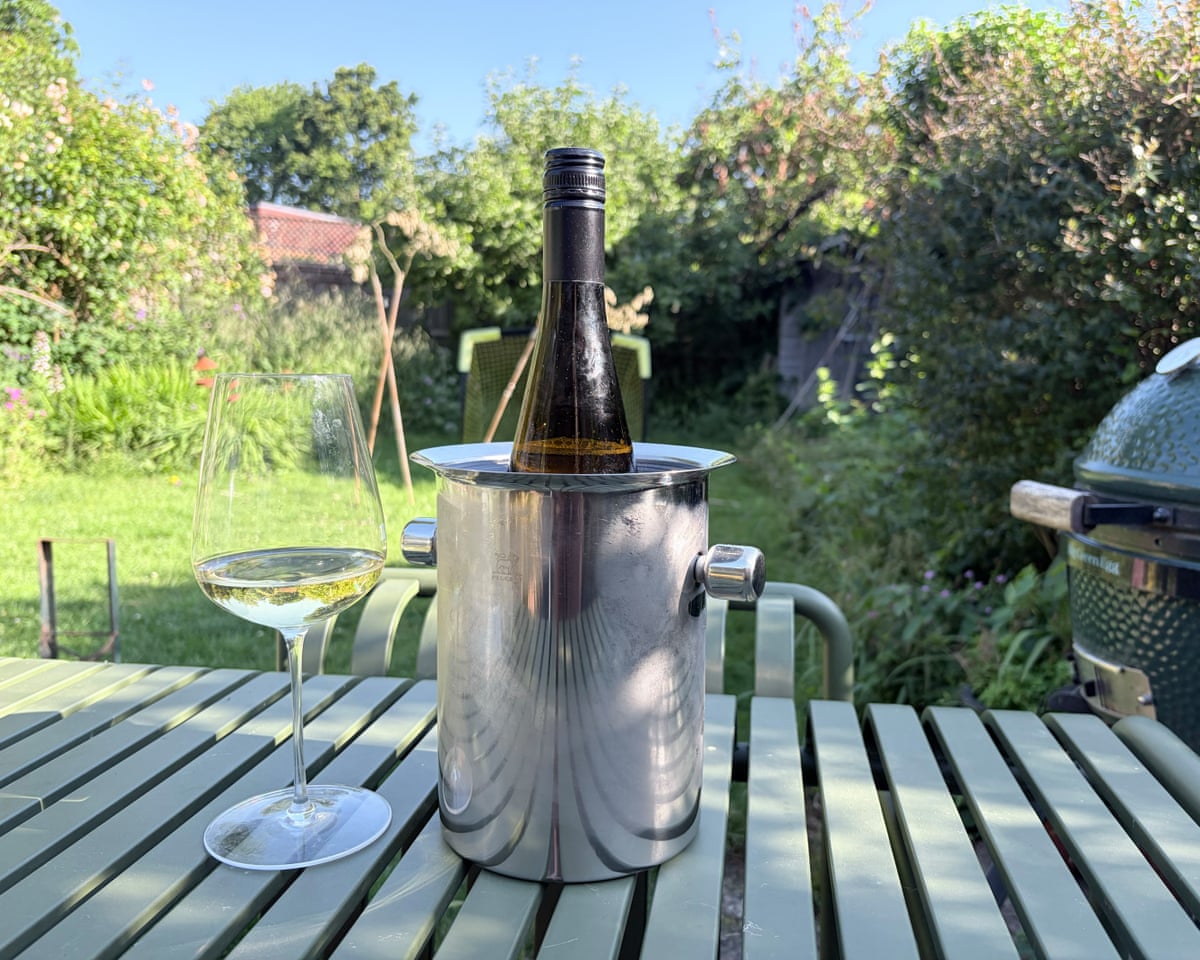
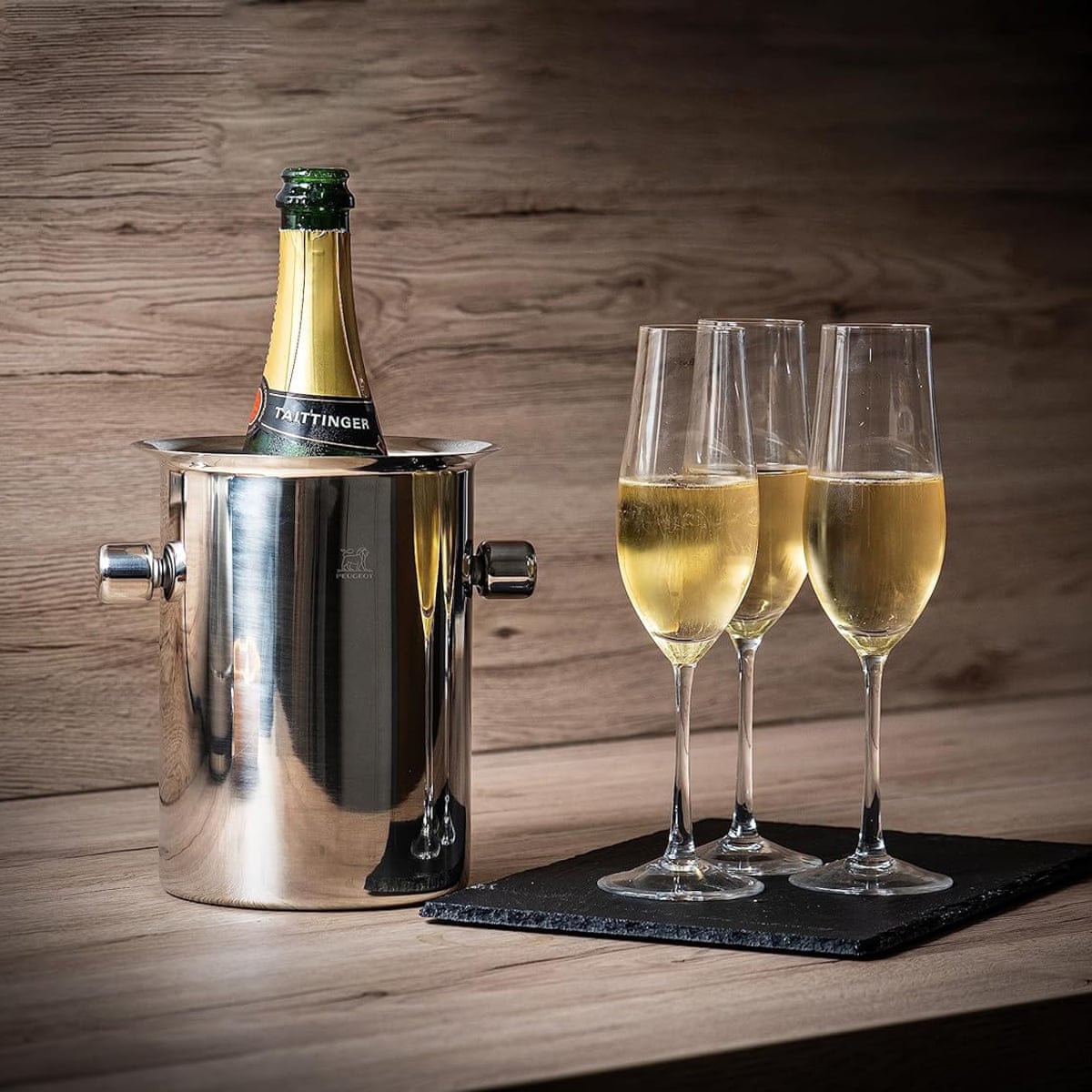
Best wine cooler for hosting and overall: Peugeot Equilibreur temperature-balancing wine cooler
This elegant cooler combines aesthetic appeal with clever functionality, performing excellently in temperature maintenance. Peugeot, better known for cars, demonstrates strong kitchenware design here.
"It might look like a fairly classic silver ice bucket – elegant and chrome-plated, gleaming in candlelight and with pleasingly ergonomic handles – but this cooler in fact has four hidden (and removable) ice packs built into the walls, which cool the wine indirectly. Between those ice packs and your bottle, there’s a liner, meaning the cooling is gentler."
It was the most consistent non-powered cooler tested, actually lowering the wine temperature by 2°C in the first hour indoors. This suggests it would perform even better outdoors in warmer conditions. Additionally, it is visually appealing, timeless, and easy to clean.
"It’s a shame that … you have to think ahead to freezing those inserts."
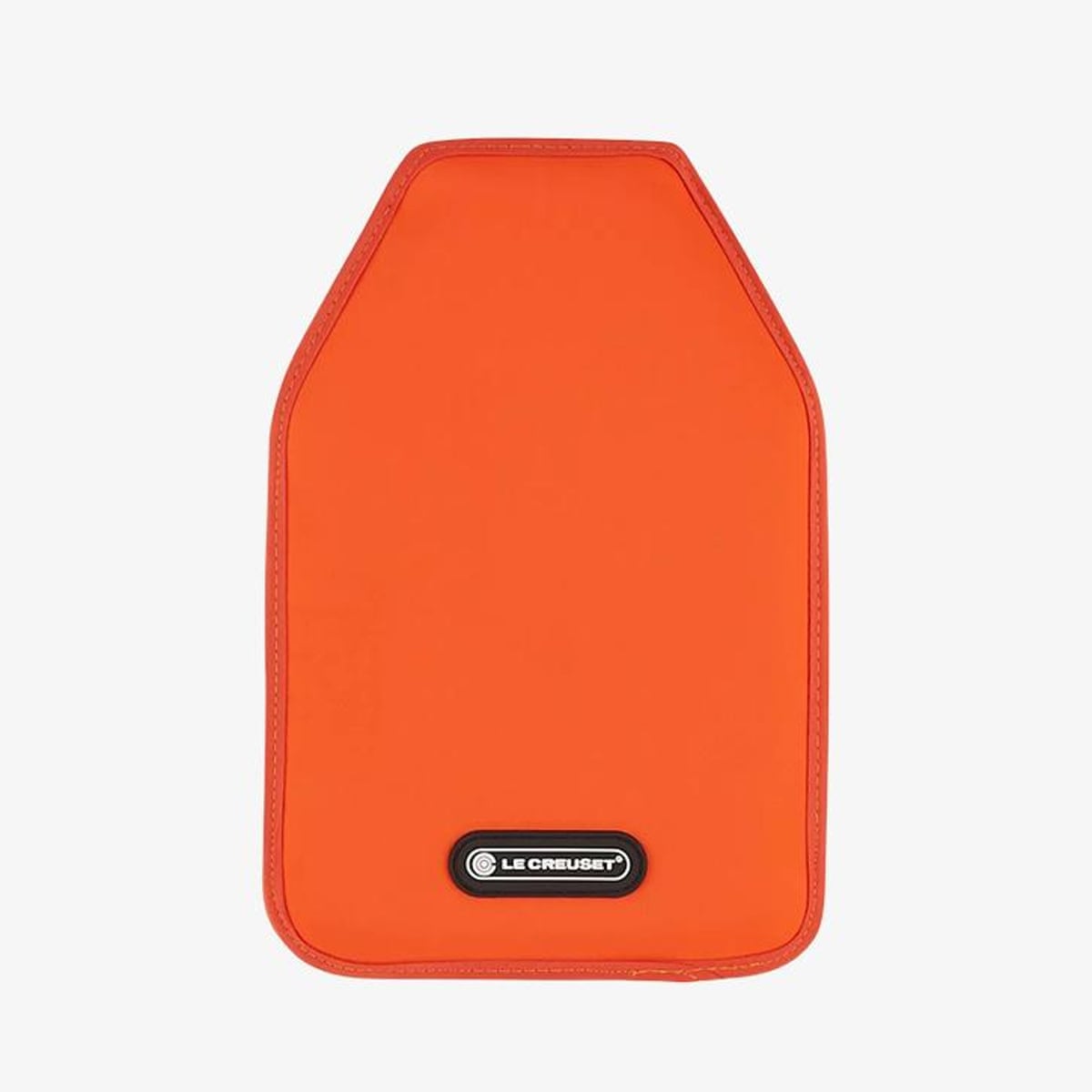
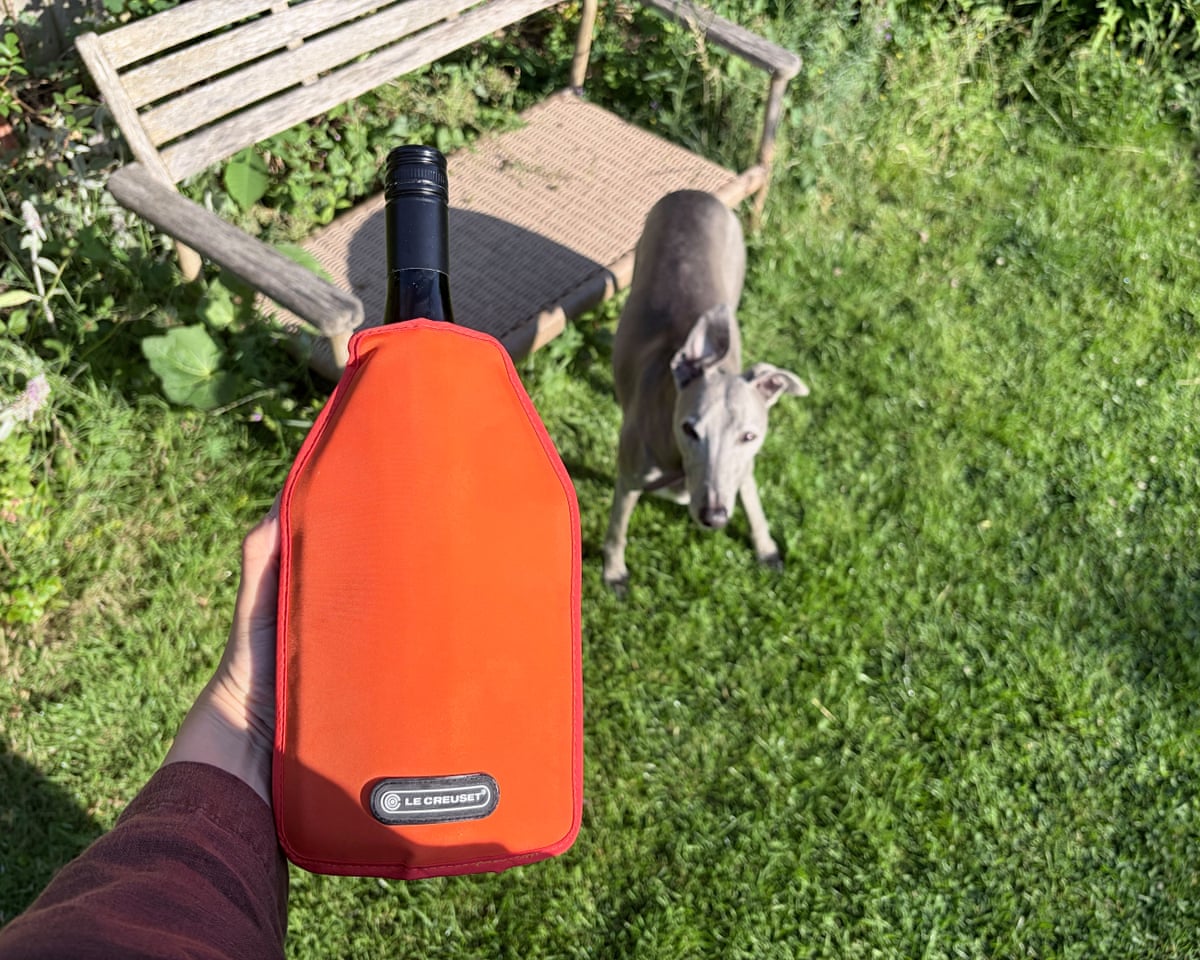
Best wine cooler for a picnic: Le Creuset wine cooler sleeve
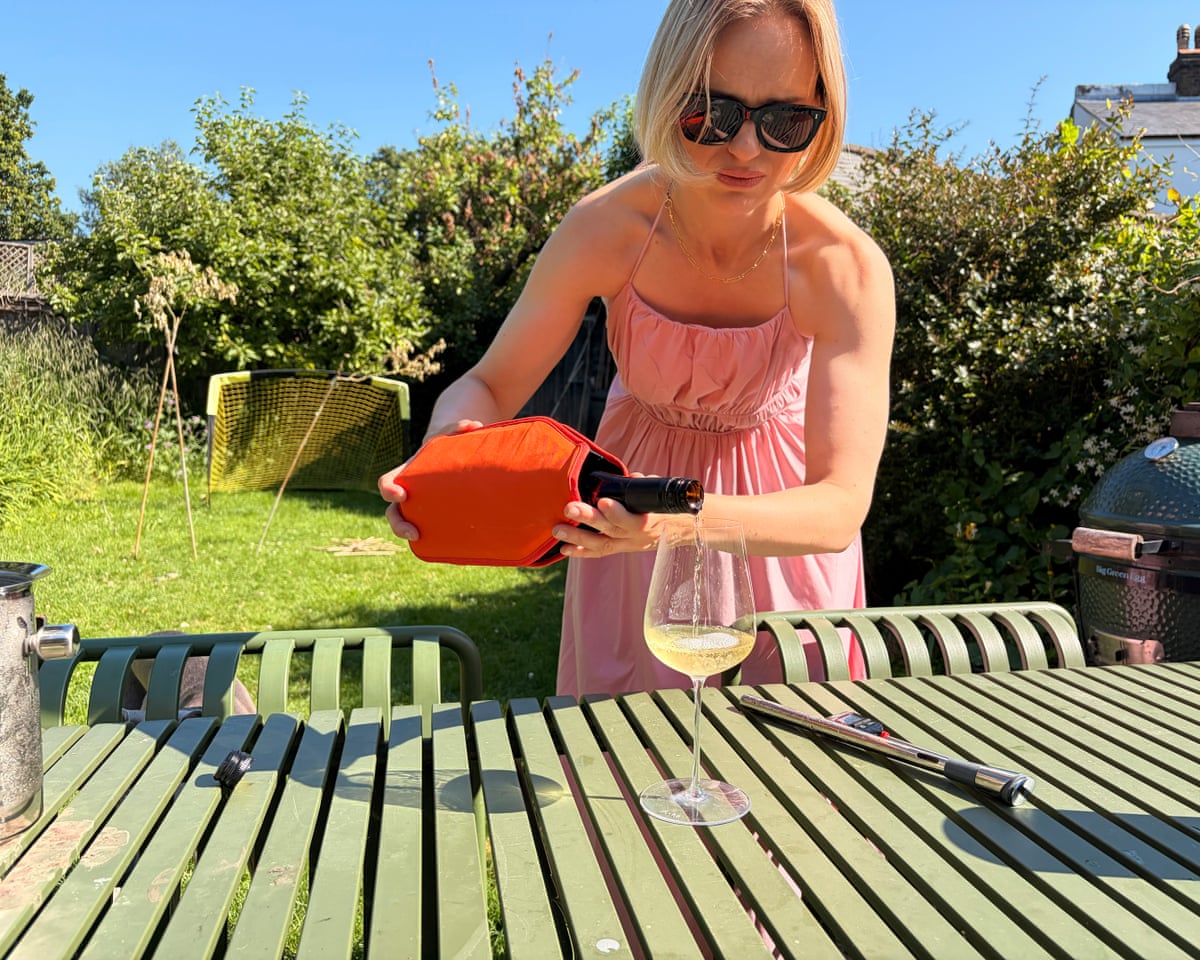
This was the only cooler I owned prior to testing. It is lightweight, compact, and effective at keeping wine cool for hours. It also serves well to rapidly chill a room-temperature bottle when stored in the freezer.
"Much like me, this one is padded and practical. Like my penchant for Crocs, it’s one of those things that heralds my move into motherhood and middle age, and I’m fine with that. If you’re unwilling to compromise on cool wine, and are looking for a no-nonsense cooler that (1) doesn’t take up loads of space, (2) doesn’t involve much planning (beyond shoving it in the freezer), and (3) reduces the temperature rather than just maintaining it, this one’s for you."
During testing, it maintained perfectly chilled wine for two hours, with only a 0.6°C increase in temperature. Its active cooling gel and tapered insulation, combined with elastic panels, allow it to fit various bottle shapes.
It also functions as a rapid cooler for warm bottles in the fridge, achieving ideal temperature within 30-40 minutes.
"It’s a shame that … it’s not more of a looker. If you’re into tablescaping, this is probably not the one for you. But if properly chilled wine – or making room-temp wine cold, fast – is your priority, you’ll be thrilled. I still think it’s the only cooler I need."
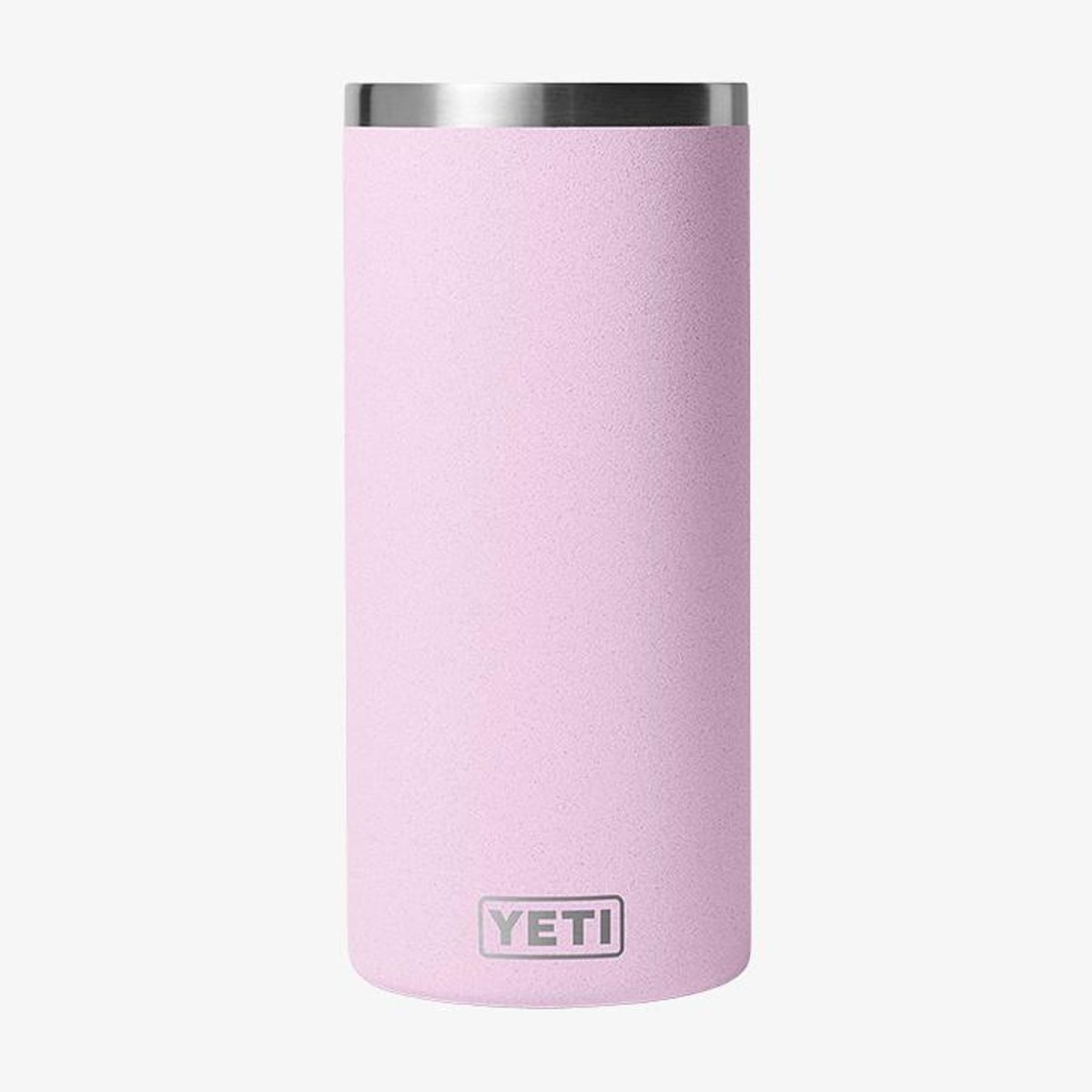
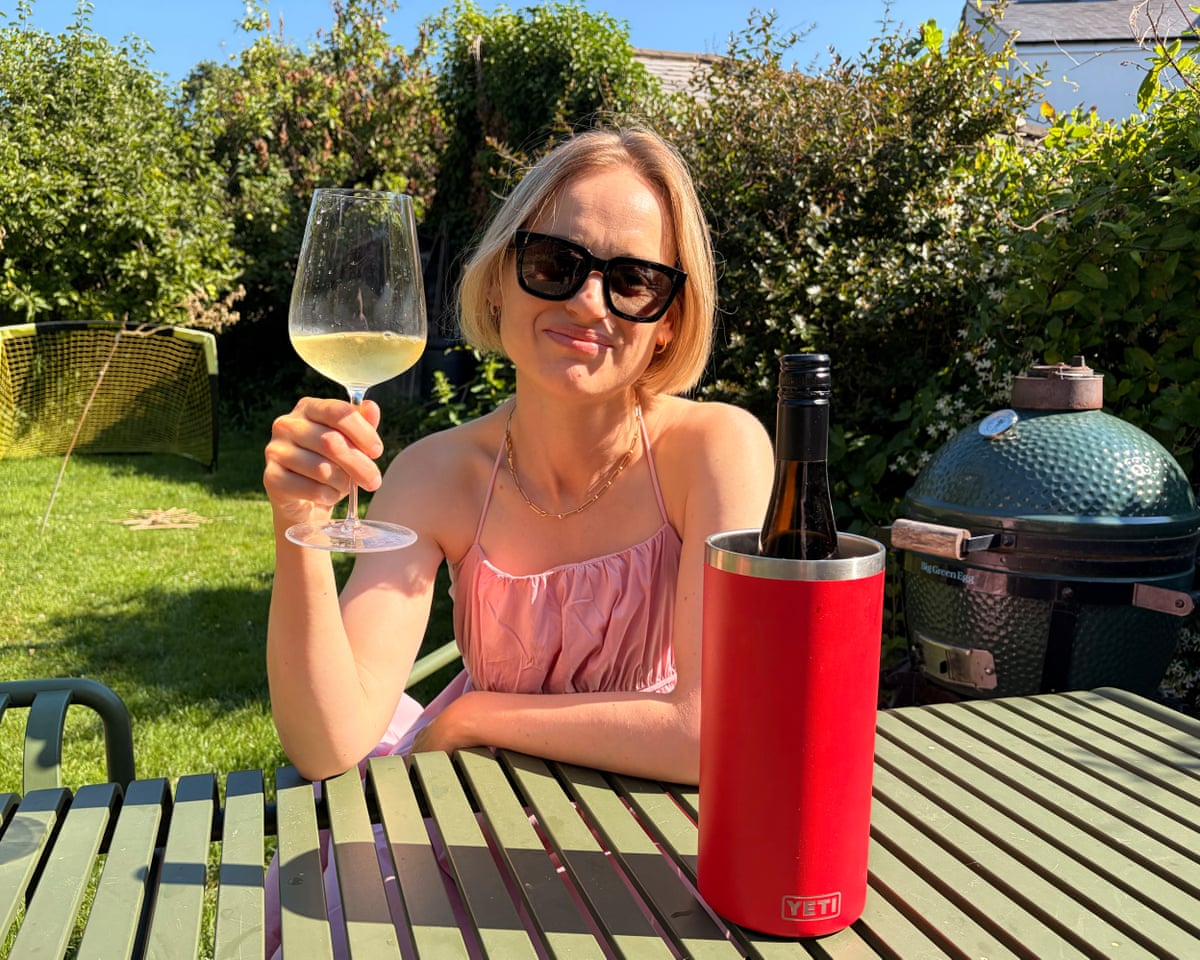
Best wine cooler for garden dining: Yeti Rambler wine chiller
I appreciated this straightforward, durable, and attractive vacuum-insulated cooler, which is also dishwasher safe.

"Consistent with my experience of Yeti products, this is really outdoors-friendly. Despite the deceptively simple design, there’s a lot of attention to detail, such as the ‘silicone landing pad’ that sits on its interior base and avoids wine bottle clatter and insulation that minimises condensation (and avoids a wet table). It also comes in various smart colours."
Using double-wall vacuum insulation, it minimized heat transfer effectively, resulting in only a 2.5°C temperature rise over two hours. Pre-chilling the cooler could improve performance further.
"It’s a shame that … it’s rather big, so hard to store – especially as outdoorsy coolers like this are hardly everyday pieces of kit. Yeti also commands hefty prices."
Best cooler for wine nerds: Caso Design VinoCase tabletop wine cooler
Although I personally dislike this plug-in, noisy device, it performed best in maintaining a consistent temperature.
"It’s easy to use: you plug it into the wall, switch it on and set the temperature to the one you want. This is a great option if you take an exacting approach to wine serving temperature – champagne at 8C, say, or burgundy at 11C – and want to maintain those bottles at those temperatures for the duration of drinking. The electronic nature of it probably precludes having the bottle on the dining table, however, and you may want to have a muzak playlist at the ready to drown out the cooling din."
Temperature changes were minimal: from 10°C initially to 10.2°C after one hour and 10.1°C after two hours.
"It’s a shame that … it looks awful, needs to be plugged in, and it’s noisy."
The rest of the test (from best to worst)
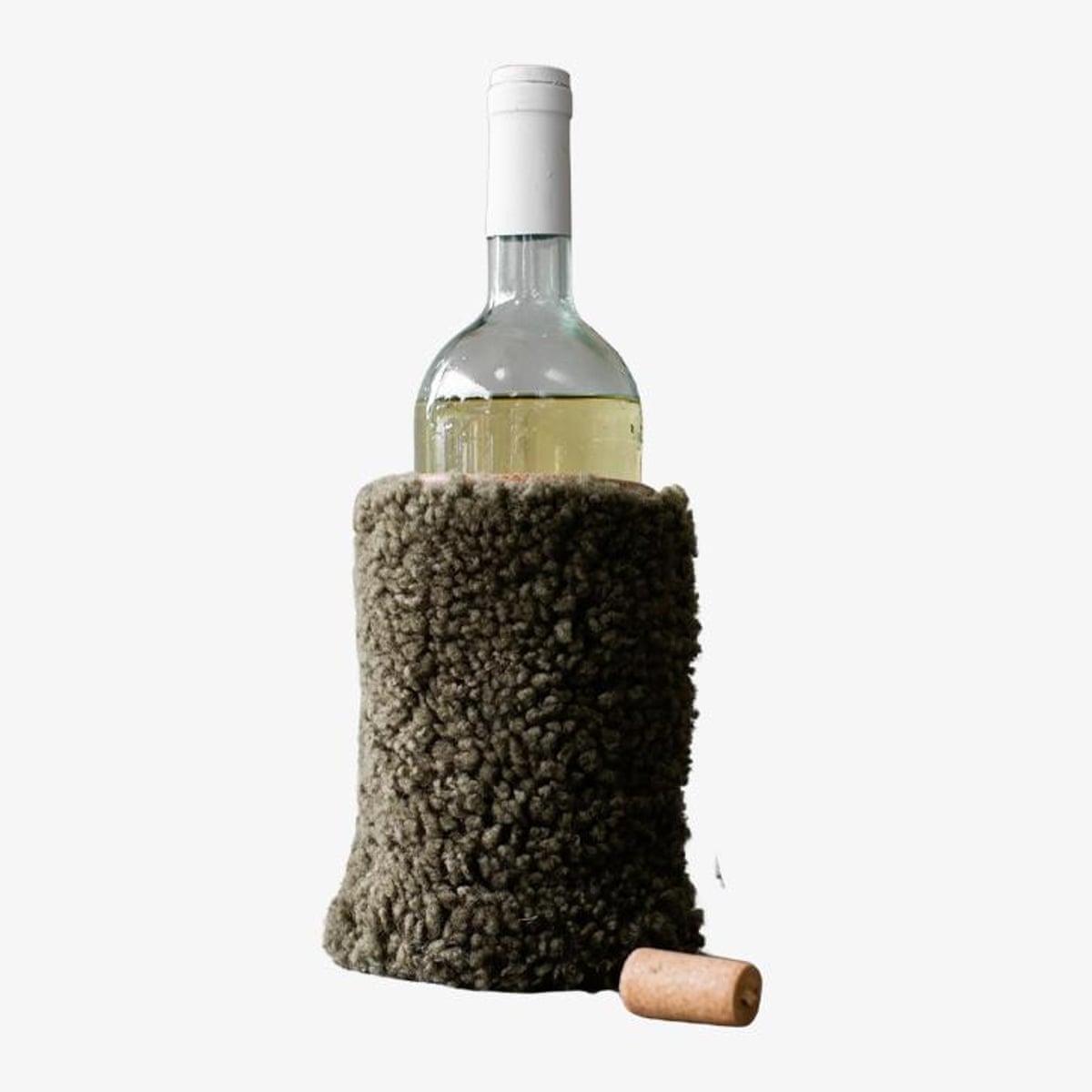
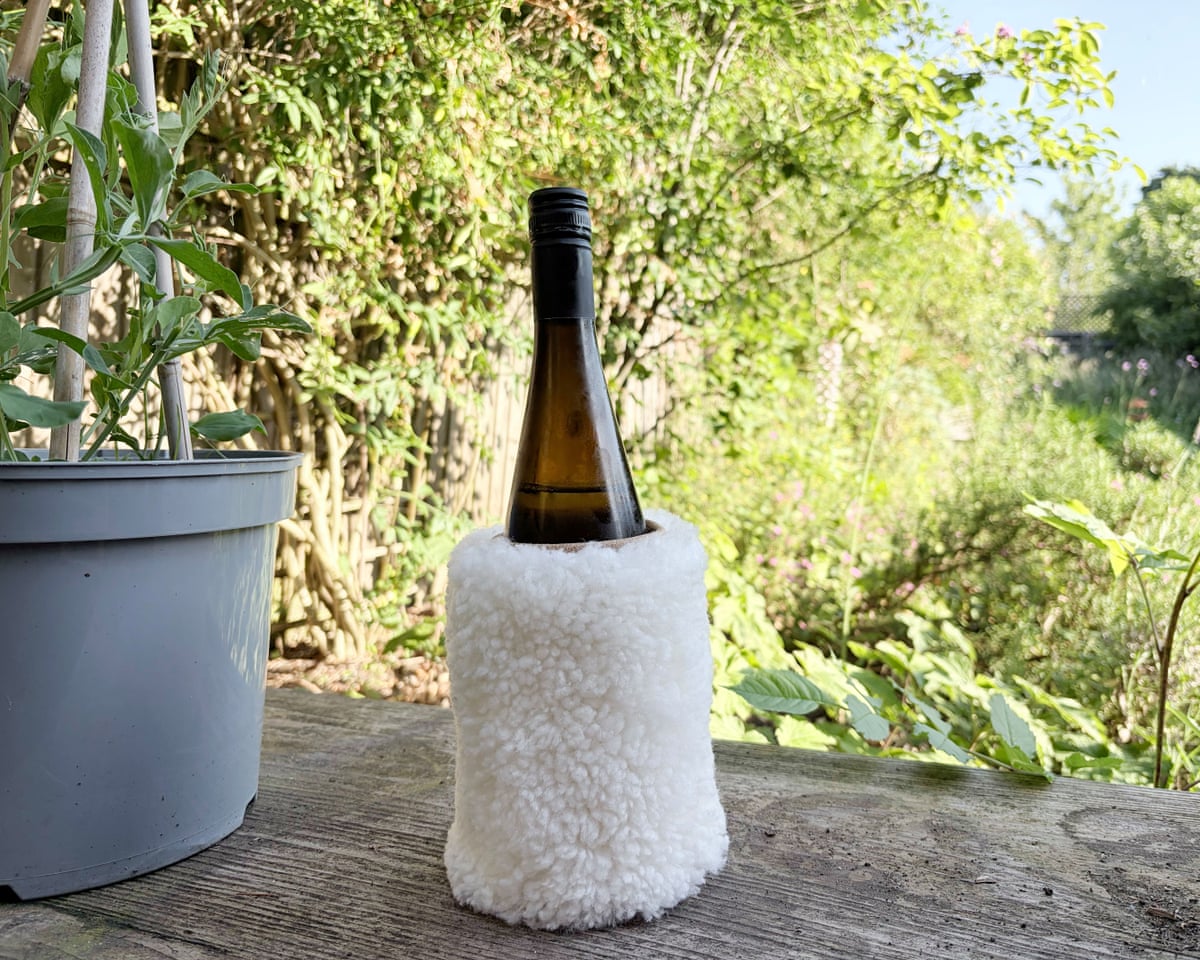
The Dartmoor Shepherd sheepskin wine cooler
This woollen pouch is charming and promises natural bio-insulation to retain cold air. While adorable and reasonably priced, it did not keep wine cool for the claimed four hours, with temperature rising 2.7°C in the first hour and 3.3°C in the second.
It does provide some protection during transport and slows temperature increase somewhat.
Nude glacier wine cooler
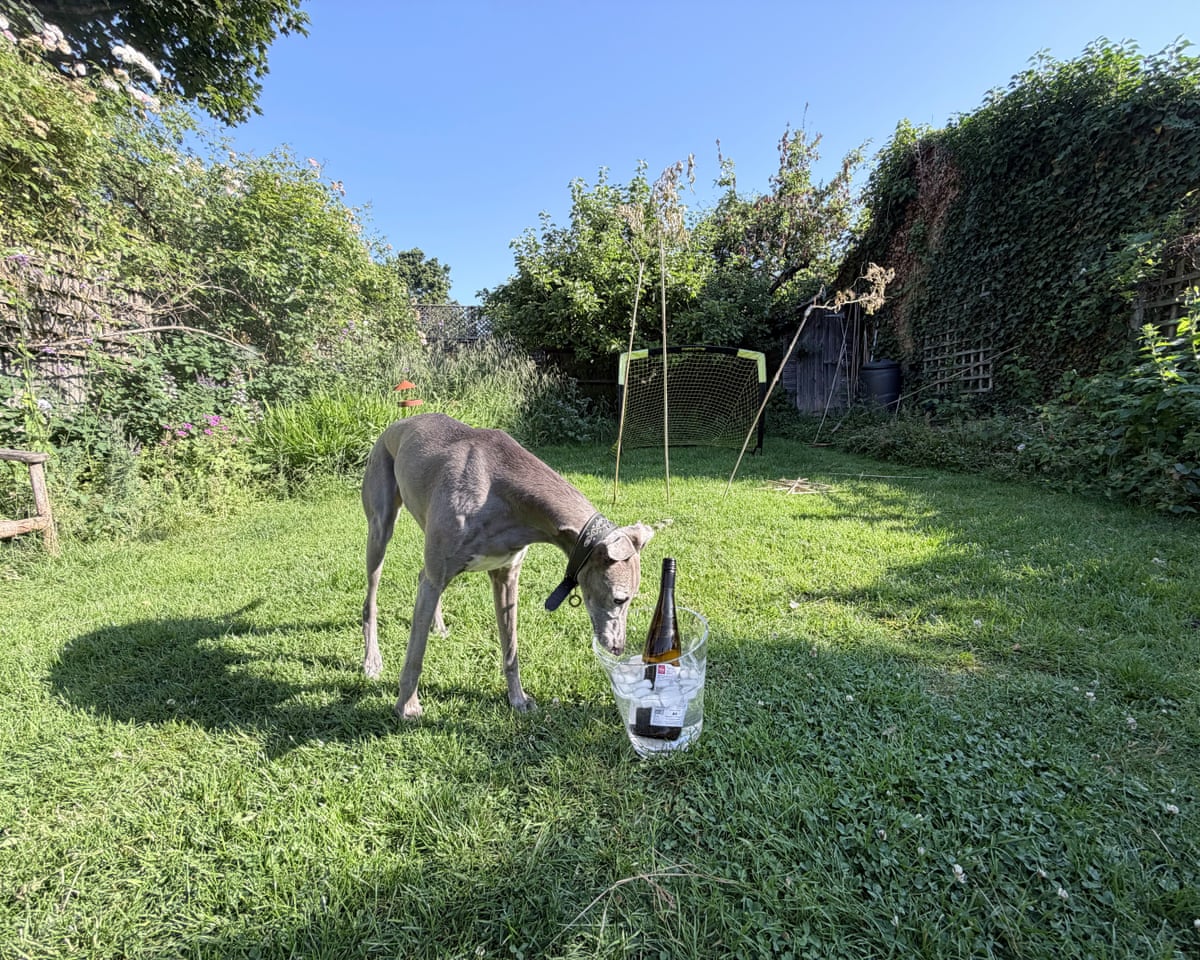
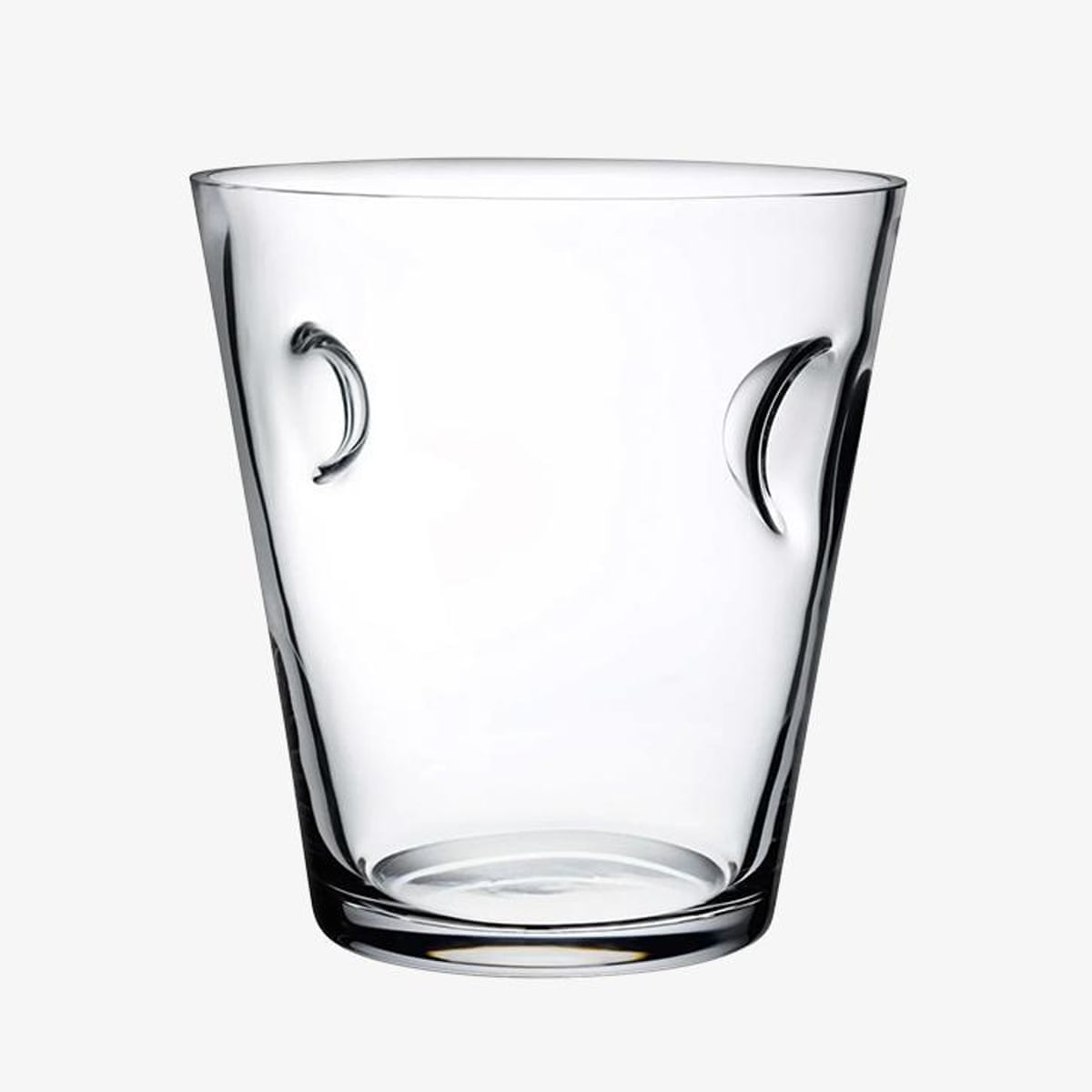
This glass wine bucket with curved handles is essentially a classic ice bucket. Testing revealed it over-chilled wine, dropping temperature by an additional 2°C from an already cool 8°C, which may be too cold for some.
While I admire the Nude brand’s glassware, this basic design does not justify its £65 price if used solely for chilling.
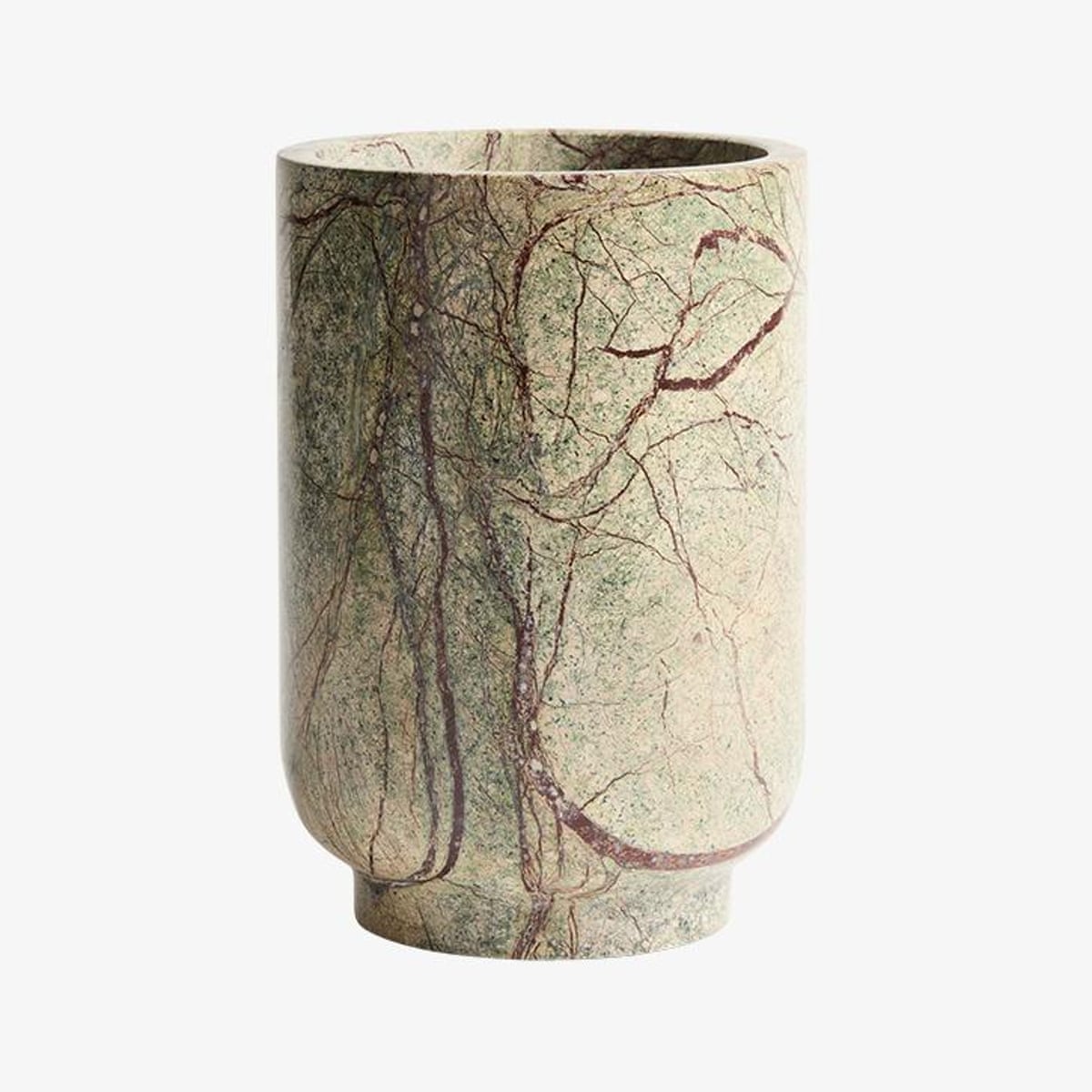
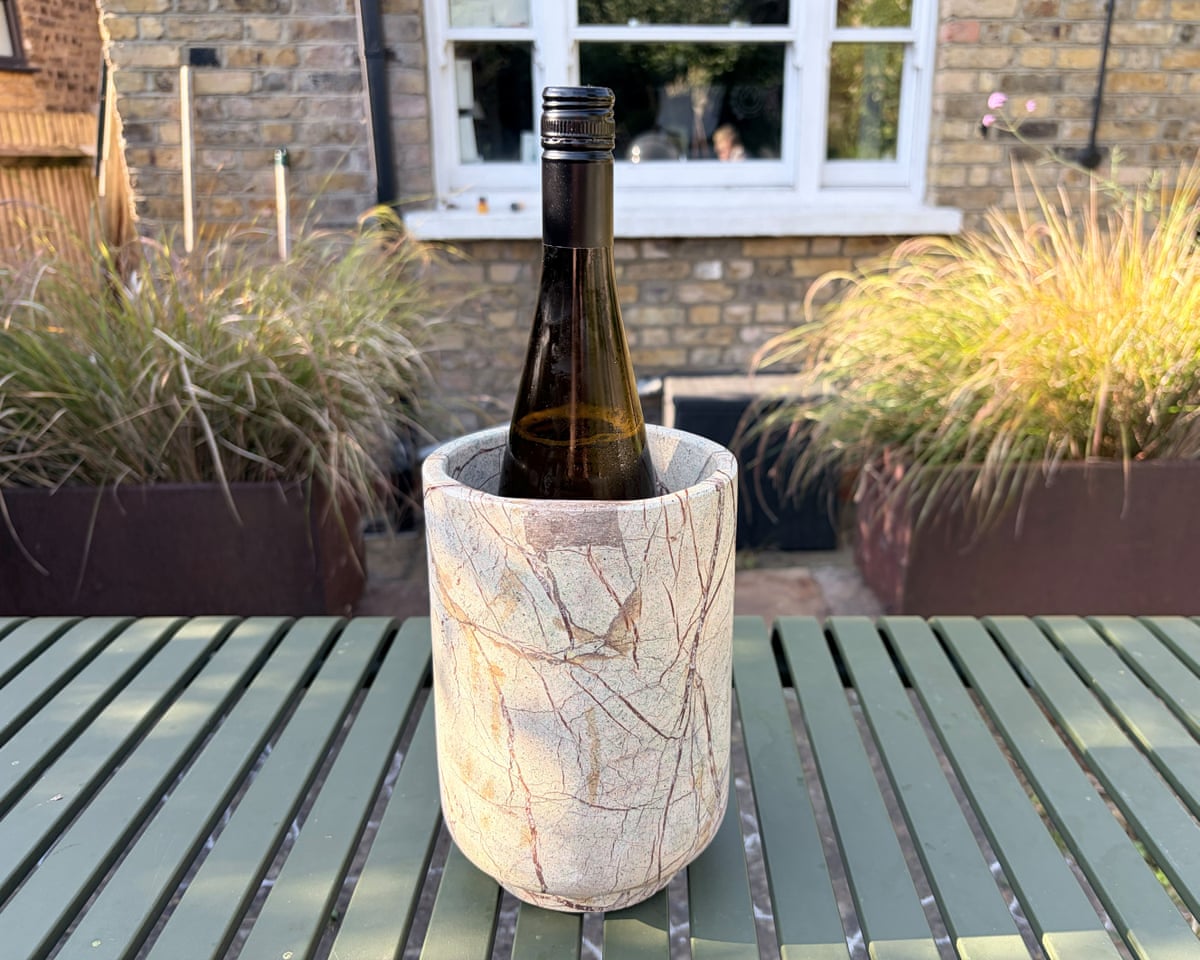
H&M marble wine cooler
This heavy, curved marble cooler is visually striking and affordable. It performed slightly better than the Alexandra Browne ceramic cooler, likely due to marble’s better conductivity and natural stone cellar effect, especially if pre-chilled.
However, it did little to slow temperature rise when used at room temperature.
Huski wine cooler
With triple insulation including a copper layer reflecting radiant heat, I expected this cooler to outperform others. However, it was less effective than the Yeti, with a 3.5°C temperature increase over two hours, which was disappointing given its design.
Design Letters wine cooler
Resembling a posh biscuit tin, this cooler doubles as an ice box. Despite vacuum insulation, it was less effective than the Yeti, with wine temperature rising 4.6°C in two hours.
AdHoc wine cooler
Made of acacia wood and stainless steel, this elegant double-walled cooler lacks vacuum insulation. It was ineffective in testing, with wine temperature rising from 10°C to over 14.5°C in two hours.
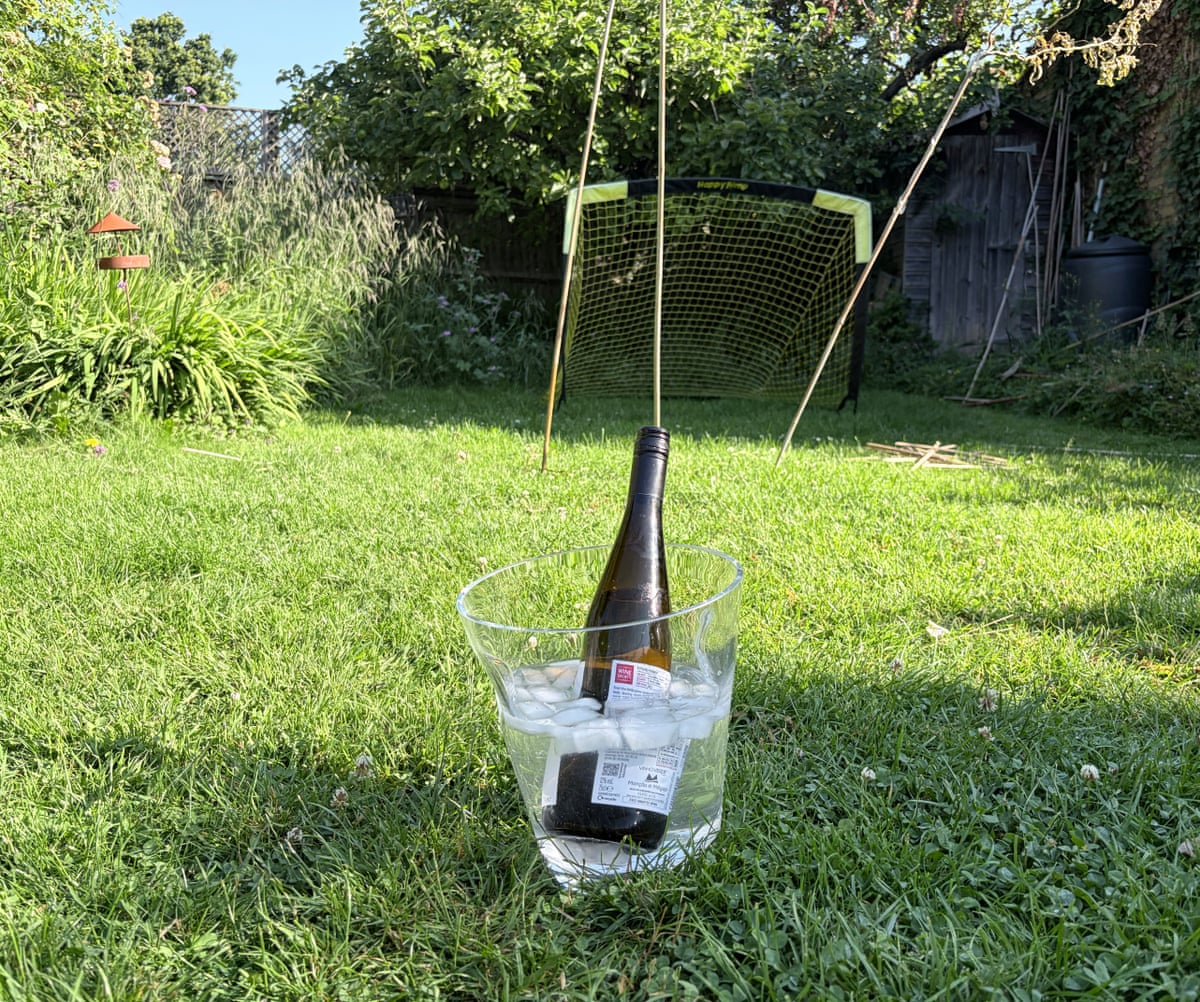
Alexandra Browne Wimbledon wine cooler
This ceramic cooler, decorated with tennis player motifs, is delicate and charming but did not maintain wine temperature, which rose more than 7°C in two hours. It makes no claims to temperature maintenance.
Uberstar wine chill stick
This frozen cooler, which also serves as a bottle stopper and pourer, was surprisingly ineffective, with temperature rising over 7°C in two hours. It did not appeal aesthetically and failed to meet expectations.
What you need to know
What is the ideal temperature for serving wine?
While this review focused on maintaining cool temperatures, it is important to note that many wines are often served cooler than necessary. For example, txakoli and other light whites are typically recommended at 7-10°C, which can mask flavor in less complex wines.
More complex wines, such as white Burgundy or vintage Champagne, benefit from slightly warmer serving temperatures of 10-13°C, as do fuller-bodied rosé, skin-contact wines, chilled reds, or oaked whites.
None of the coolers that allowed wine to exceed 13°C over two hours were considered among the best.
For those interested in low-alcohol options, see our guides to the best no- and low-alcohol wines.
Mina Holland is a London-based food and drink writer and editor.