The Unexpected Revival of Acid Bath
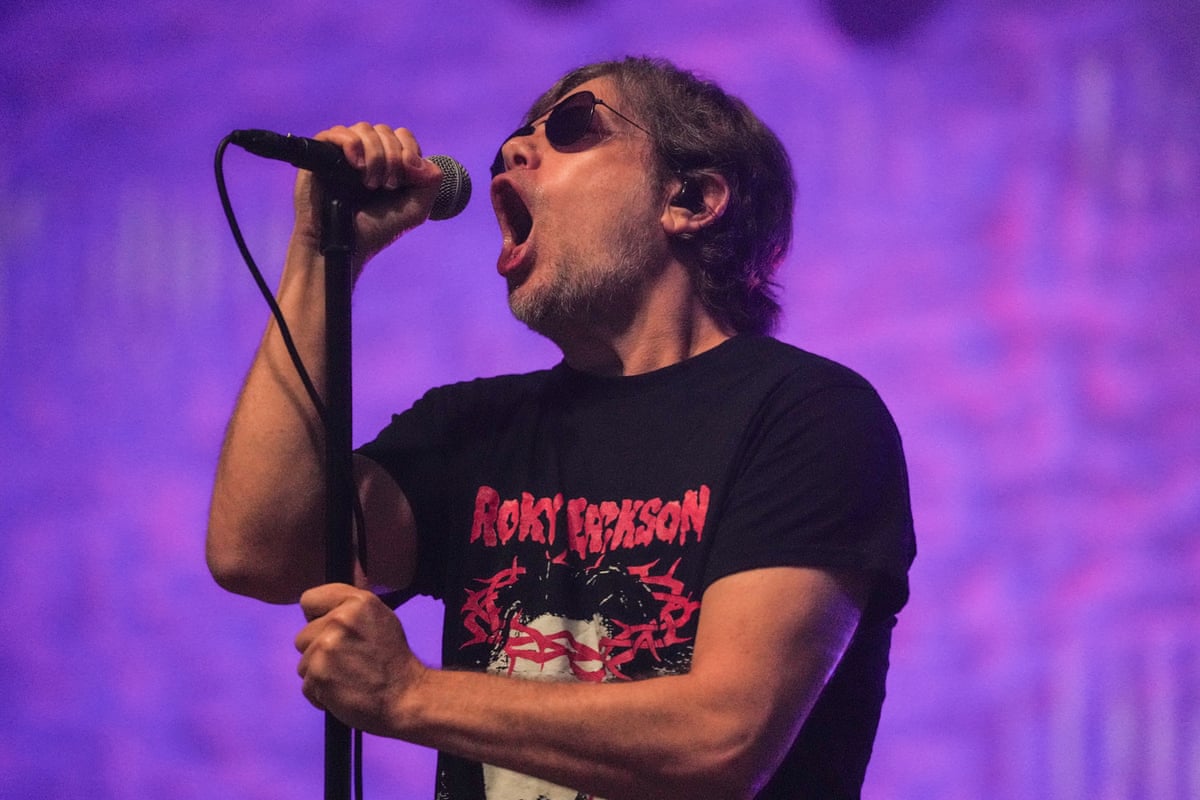
“It’s a mind-blower,”says singer Dax Riggs about the surprising resurgence of the 1990s psychedelic sludge metal band Acid Bath, driven by TikTok.
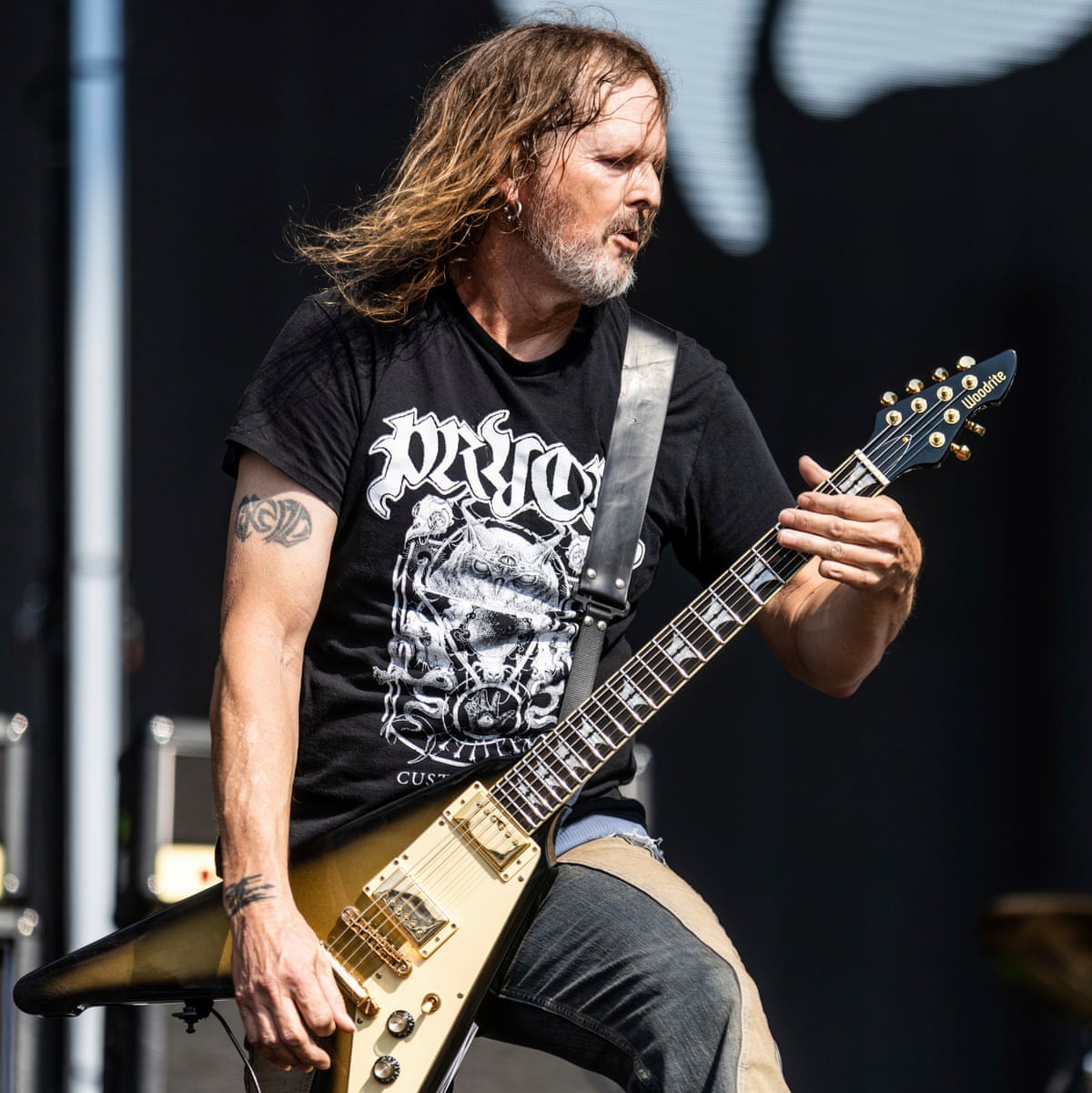
“In the front row you’ll see an old fan and next to them is a 13-year-old kid singing all the words,”adds guitarist Sammy Duet.
“What the hell is going on here?”
Acid Bath formed in 1991 in the Louisiana bayou, crafting oppressive, swampy soundscapes that accompanied dark themes of drugs, death, and decay. Their music blended treacly melodic grooves, bluesy licks, and fast thrash elements, sometimes within a single track. Reflecting on their environment, Riggs says,
“Society here was totally decrepit and unfair in a lot of ways, but the beauty of the landscape is supreme.”Their distinctive southern gothic style shone brightly until bassist Audie Pitre’s death in 1997 ended the band’s initial run.
Obstacles to Accessibility and the TikTok Surge
A revival seemed unlikely for years. Their longtime label, Rotten Records, withheld Acid Bath’s music from Spotify, reportedly due to disputes over royalties, and removed unauthorized videos from YouTube. This led fans to upload their albums to alternative streaming sites like Pornhub. However, in 2020, the band’s catalog was finally added to Spotify, resulting in millions of streams. Younger listeners, dubbed by Duet as
“the satanic e-girls of TikTok,”propelled Acid Bath’s dark aesthetic from obscurity to mainstream attention. Riggs observes,
“It’s the internet’s fault. On the internet, the future and the past are the same.”
Reunion and Upcoming Performances
Encouraged by this posthumous success, Acid Bath reunited in 2025. This year marks their first UK performances, including two nights supporting System of a Down at London’s Tottenham Hotspur Stadium, a venue seating 63,000—far from the small, sweaty rooms they played in their early days when drawing a modest crowd was a success.
The Chaotic 90s Era
The band’s original 90s tenure was marked by mayhem, fueled by extensive use of mind-altering substances. Incidents included being locked out of their tour bus while under the influence of magic mushrooms and crew members getting bitten by alligators during video shoots. Duet recalls,
“There was plenty of trouble to get into in New Orleans after dark,”where producer Spike Cassidy of DRI would often get blackout drunk and attempt to wrestle everyone. Riggs adds,
“He really wanted to wrestle you.”
“We were a little chemically enhanced in those days,”acknowledges Duet.
“Our whole life was chaos,”says Riggs.

Notorious Live Shows and Industry Encounters
An A&R executive from Roadrunner Records visited Louisiana after hearing buzz about the band. Riggs describes the scene:
“There was a lot of violence [at our shows]. It’d gotten out to the audience that Roadrunner was coming, so the fans went berserk, rushed the stage and grabbed the microphone and shit. They were like: sign this band!”The chaos included overturned tables and a waitress breaking her leg.
“Roadrunner wasn’t that impressed with the whole thing,”Riggs notes, and no deal was offered.
Despite the turmoil, the band remained focused on their music. Riggs says,
“We were happy if we got our Taco Bell chili cheese burrito at the end of the day.”Their goal was to create the darkest music possible, achieved through Riggs’ poetic yet psychotic lyrics about self-mutilation and murder, combined with menacing instrumentation.
Building a Following and Internal Struggles
Acid Bath’s unique style and intense, hallucinogen-fueled performances helped them build a loyal fanbase alongside Louisiana sludge metal peers Crowbar and Eyehategod. Although signed to a small independent label, they sold tens of thousands of records but never achieved national breakthrough. By their second album, 1996’s Paegan Terrorism Tactics, creative tensions emerged. Riggs reflects,
“It was a weird time, where we had a lot of big ideas, but we started to fracture, breaking off into our little factions.”
Tragedy and Disbandment
The band’s trajectory was abruptly altered when bassist Audie Pitre and his parents were killed by a drunk driver. Losing a close friend and creative contributor, Acid Bath performed a few more shows before disbanding. Duet went on to focus on his blackened thrash/death metal band Goatwhore, while Riggs pursued projects like Agents of Oblivion, emphasizing his vocal style.
Reunion Motivated by Loss and Legacy
While Pitre’s death ended Acid Bath’s initial chapter, the passing of keyboardist Tomas Viator in 2024 at age 55 helped inspire their reunion. When Las Vegas’s Sick New World festival invited Duet to consider a reunion, he reflected on mortality and contacted Riggs, who agreed it was time. Riggs comments on the responsibility,
“There’s a big weight to it, to make sure that you’re putting a shine on your friend’s name.”The reunion lineup, including Duet, Riggs, and original guitarist Mike Sanchez, decided not to record new music under the Acid Bath name out of respect for their deceased friends.
Unanticipated Success and Fan Connection
The band could not have predicted the scale of their post-breakup success. Duet admits,
“I had no idea that it was going to be to this magnitude.”Riggs adds,
“There’s a lot of psychic love that pours from the audience. It’s a wonderfully overwhelming sensation.”