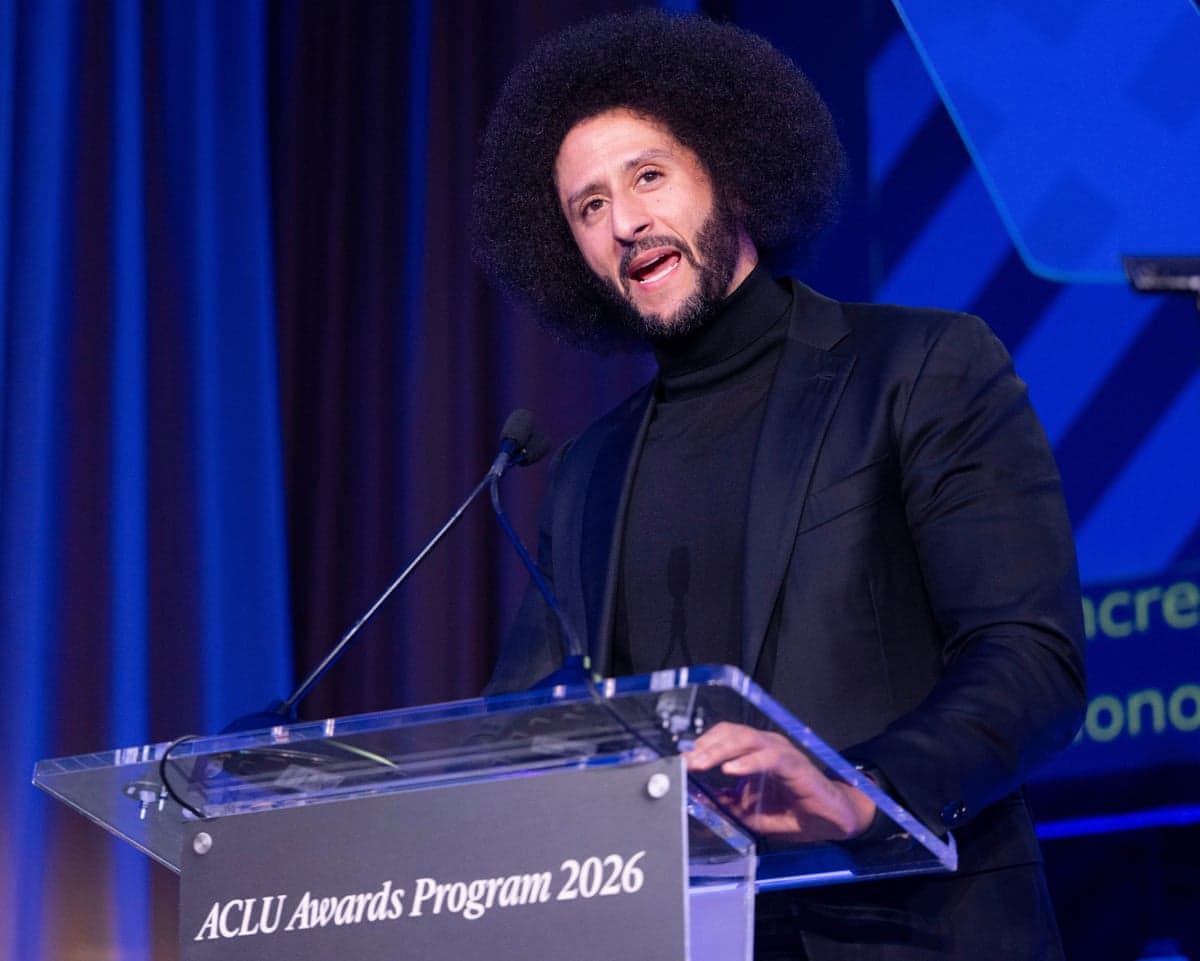
BTS 2.0: A New Beginning Amid Complex Challenges
BTS 2.0 is just getting started!J-Hope declared as he stood alongside the other six members of the world's biggest band.
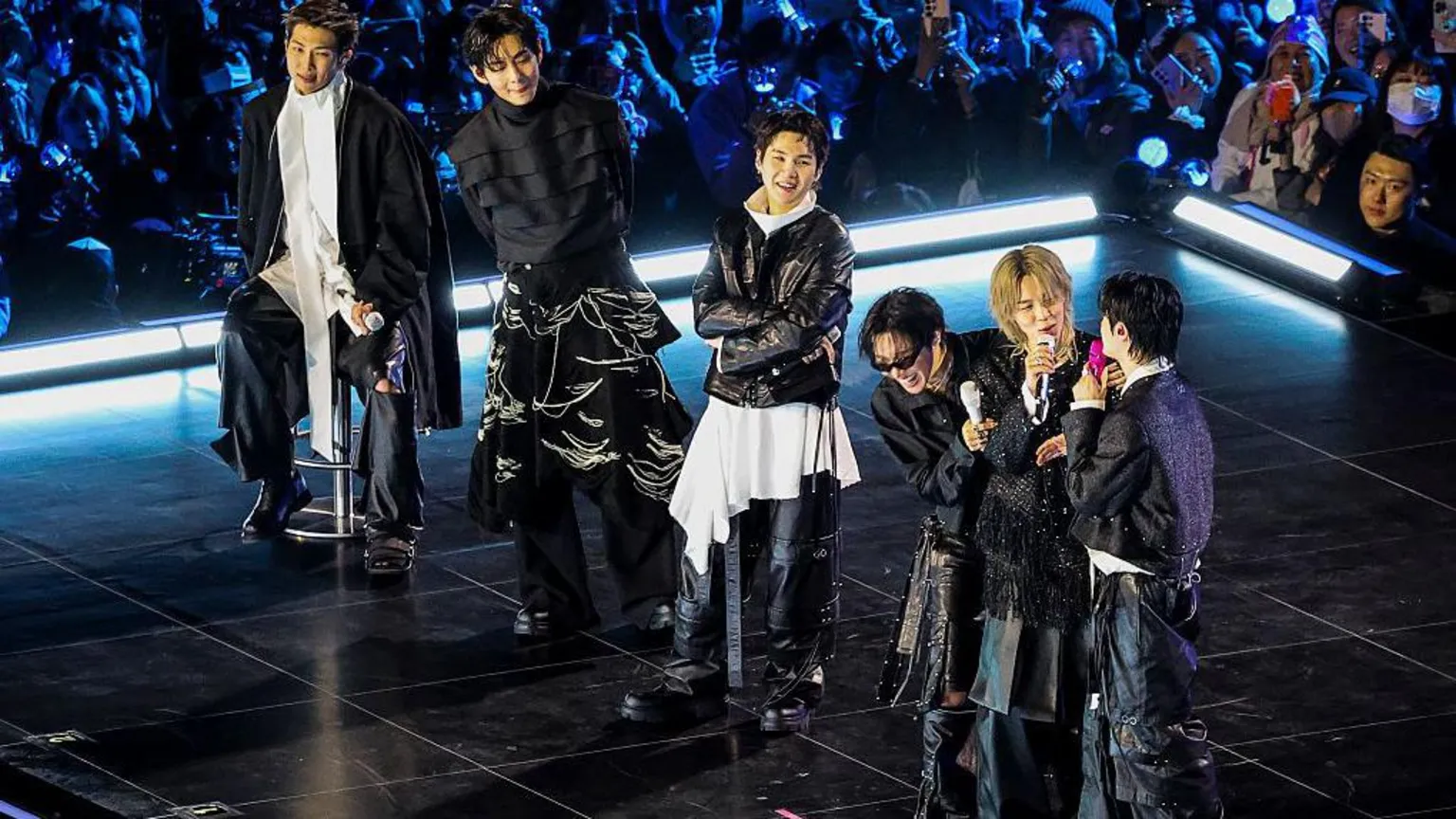
On 21 March, after a lengthy hiatus, J-Hope, RM, Suga, Jin, Jimin, V, and Jung Kook returned to the stage — their silhouettes framed by an arch of LED screens set against the historic gate to the royal palace in Seoul, as crowds of screaming fans stretched for blocks.
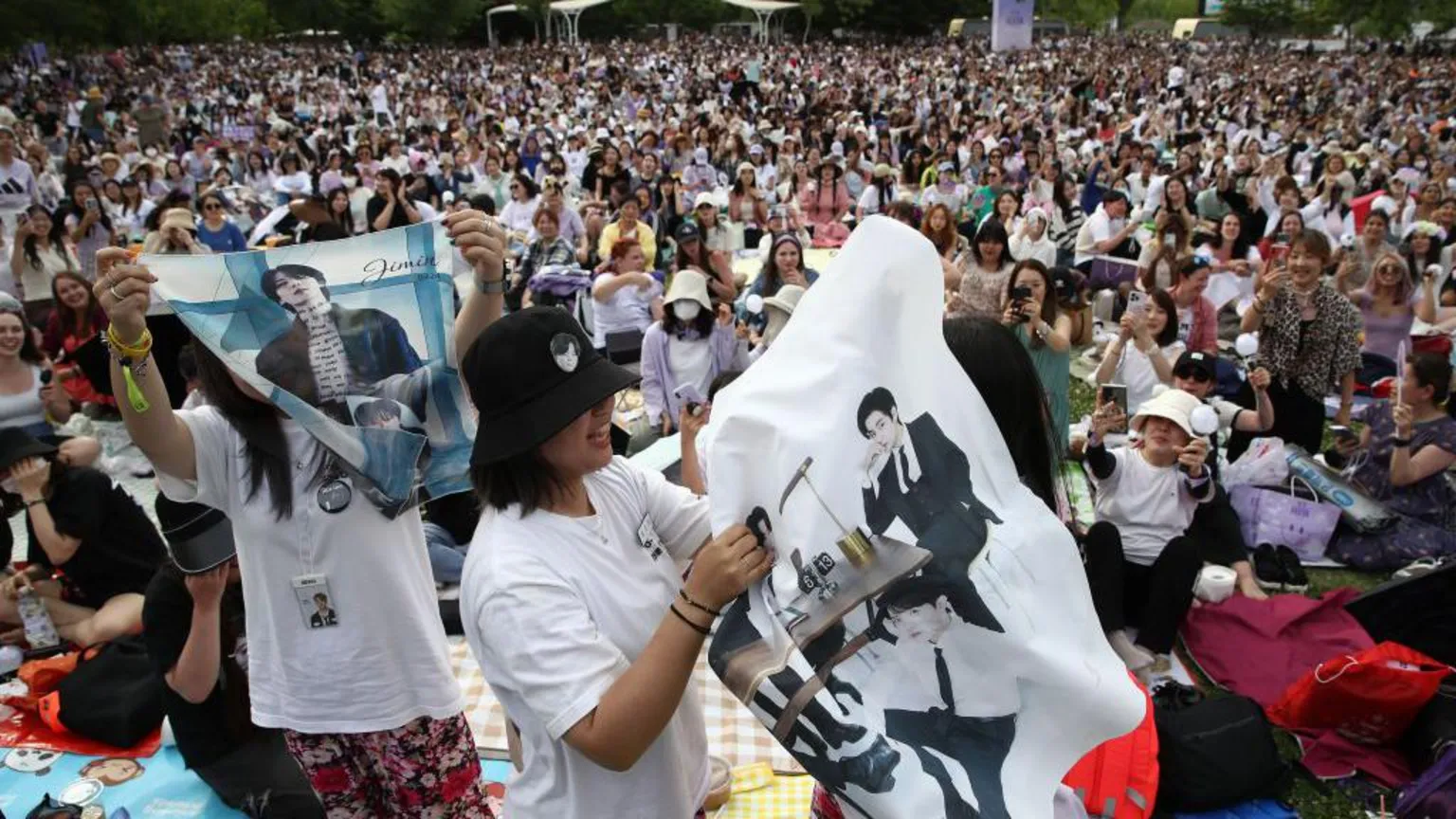
Tens of thousands gathered to witness the event, while over 18 million viewers live-streamed the one-hour performance — a polished preview of the upcoming BTS world tour. The group's effortless camaraderie was evident, as if they had not spent much of the previous three years apart due to mandatory military service and solo album releases.
However, in the days following, a more nuanced narrative surfaced, partly driven by a candid documentary detailing the creation of their new album. It revealed disagreements between the members and their influential agency, Hybe, concerning the musical direction and identity of BTS.
The group is navigating multiple tensions: between old and new fandoms, Korean and international audiences, artistic integrity and commercial demands, individual creative impulses and overarching strategic plans. Additionally, they carry the significant role of representing South Korean soft power.
At the core lies a challenging question: Is BTS moving too far from traditional K-pop in its pursuit of global appeal?
Debates Over Korean Identity and Global Appeal
Within South Korea, fans debate the Korean authenticity of the new album Arirang. Despite its title referencing a cherished folk song, which is sampled in the hip-hop-driven opener "Body to Body," opinions diverge.
Some fans appreciate the emphasis on rap, viewing it as a return to an earlier BTS style and a reaffirmation of Korean roots. Others criticize the extensive use of English lyrics and the involvement of international producers such as American DJ Diplo, Australian songwriter Kevin Parker, and Spanish musician El Guincho. They accuse Hybe and BTS of prioritizing Western markets at the expense of originality.
Internationally, fans appear less divided, and critics have generally welcomed the album's experimental nature. The BBC praised the rap-heavy track "Hooligan" as audacious and described the Jersey club-influenced "FYA" as "deliciously dark," calling the album a "genuine return to form."
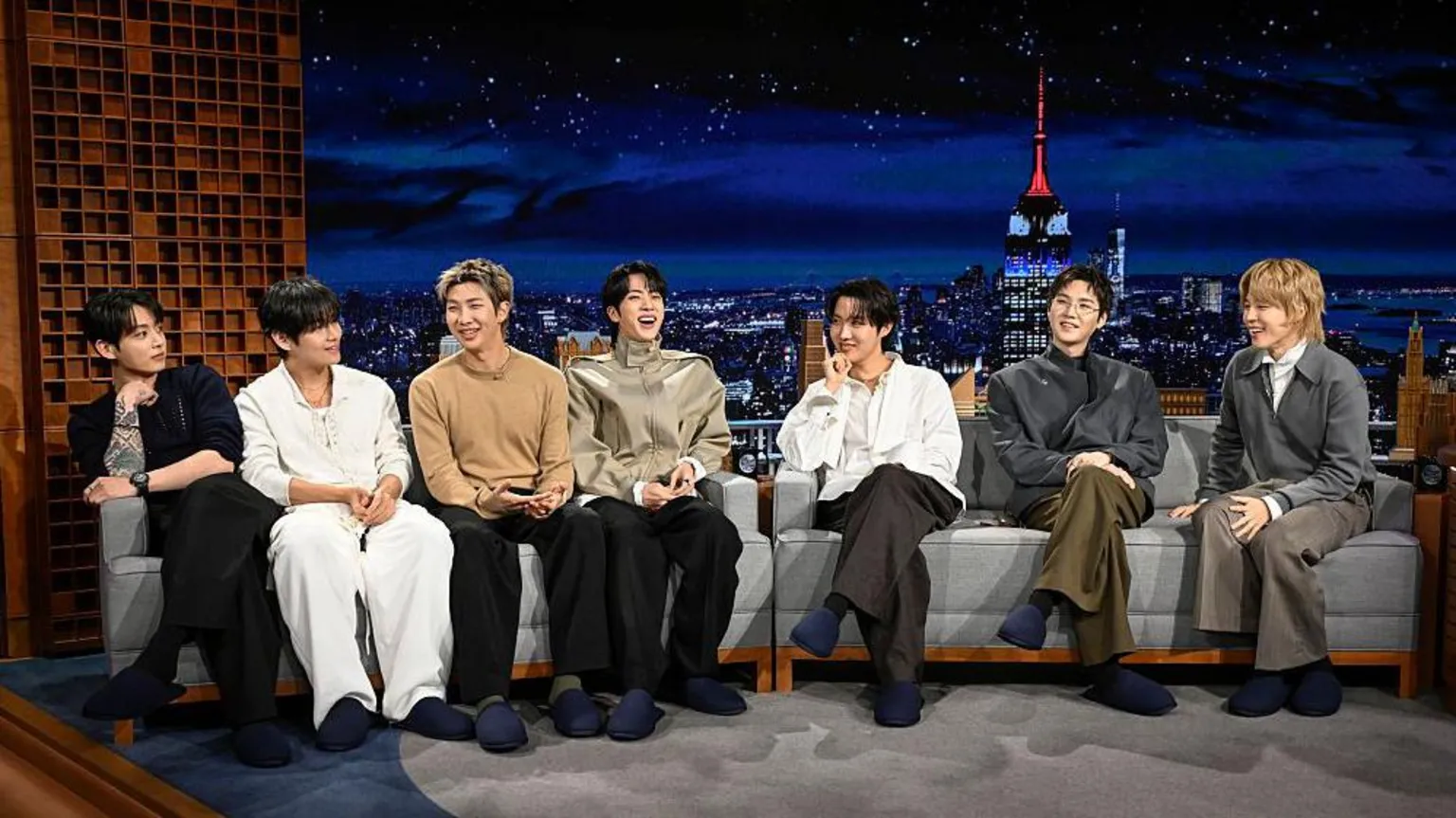
Arirang and its lead single "Swim" quickly climbed charts, breaking streaming records and dominating Billboard rankings. Hybe's public relations efforts have intensified, with BTS performing at the Guggenheim Museum, preparing a popular Korean noodle dish on GQ, and receiving enthusiastic applause on Jimmy Fallon's talk show — despite only RM speaking English fluently, while the other members primarily use Korean.
Language has never hindered their global fanbase, known as Army. RM raps in the playful track "Aliens," switching between English and Korean:
I am the only one who speaks English but that's how we kill.
This linguistic and cultural tension encapsulates BTS's current position as they embark on the largest world tour in K-pop history, spanning 85 dates across five continents over the next year.
The path ahead requires a delicate balance, even for a group as experienced and polished as BTS, with over a decade of near-flawless performances.
Missing the Dark & Wild Days
Starting Thursday, the opening concerts in Goyang are expected to attract more than 120,000 fans over three nights, having sold out almost immediately.
This marks a remarkable ascent since BTS's debut in 2013, when seven young men — three of them teenagers — were assembled by a then relatively unknown company, far from the spotlight of South Korea's leading entertainment agencies.
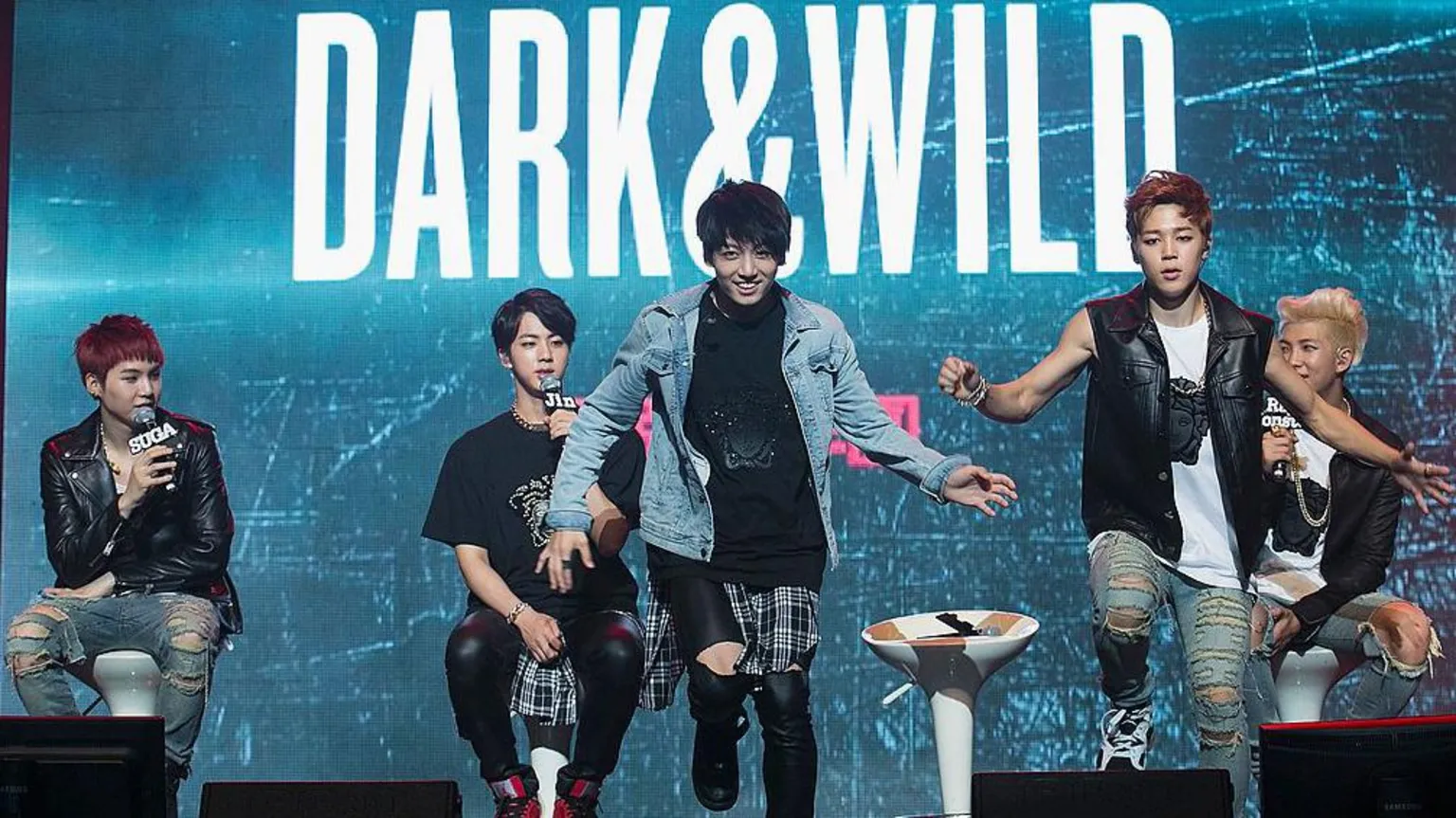
Their early music, exemplified by their first full album Dark & Wild (2014), was heavily influenced by hip-hop, featuring intense beats and Korean lyrics that resonated with young people facing societal pressures and fierce competition.
The members have consistently stated that their music has matured alongside them. Now mostly in their 30s, they address the relentless pressures of fame as adults in songs like "Normal":
Wish I had a minute just to turn me off.
Music critic Park Hee-ah observes:
There wasn't any other [K-pop] group quite like BTS. No-one else leaned into authenticity in their music to that extent. They've consistently told their own story - writing and producing their music, and sharing the journey that brought them to where they are today.
While Dark & Wild was recorded in a makeshift studio in Los Angeles during BTS's early days, Arirang was also produced in LA, inviting inevitable comparisons due to its hip-hop-heavy style.
Some listeners appreciate the polished and experimental sound of Arirang, co-created with American producers and engineers, while others feel it lacks the raw passion that characterized Dark & Wild.
One self-identified long-time fan wrote on Reddit:
Nothing about this comeback of theirs is bad necessarily, but it's getting pretty clear that they aren't really sure what BTS is any more, and they have no vision for what they want it to be.
Hybe Versus BTS: Creative Tensions
Ironically, for some Korean listeners, the album's emphasis on Korean heritage has complicated their connection to it. The choice of Arirang as a central motif struck some as overly deliberate.
This ambivalence is reflected in the documentary. Jimin expresses doubt after hearing an earlier version of the song with a longer Arirang sample:
I don't know if this is right, to be honest.Suga notes that the agency wants Arirang to be "in your face," while RM describes having a "physical reaction" to linking the band to such a monumental song.
Despite these reservations, Hybe chairman Bang Si-hyuk, who originally selected the seven members to form BTS, argues:
It's impossible to deny that you're a once-in-a-generation kind of icon. And we can't deny that you are Koreans. So your target audience is now more and more a global one, no longer just Koreans, and that's also undeniable.
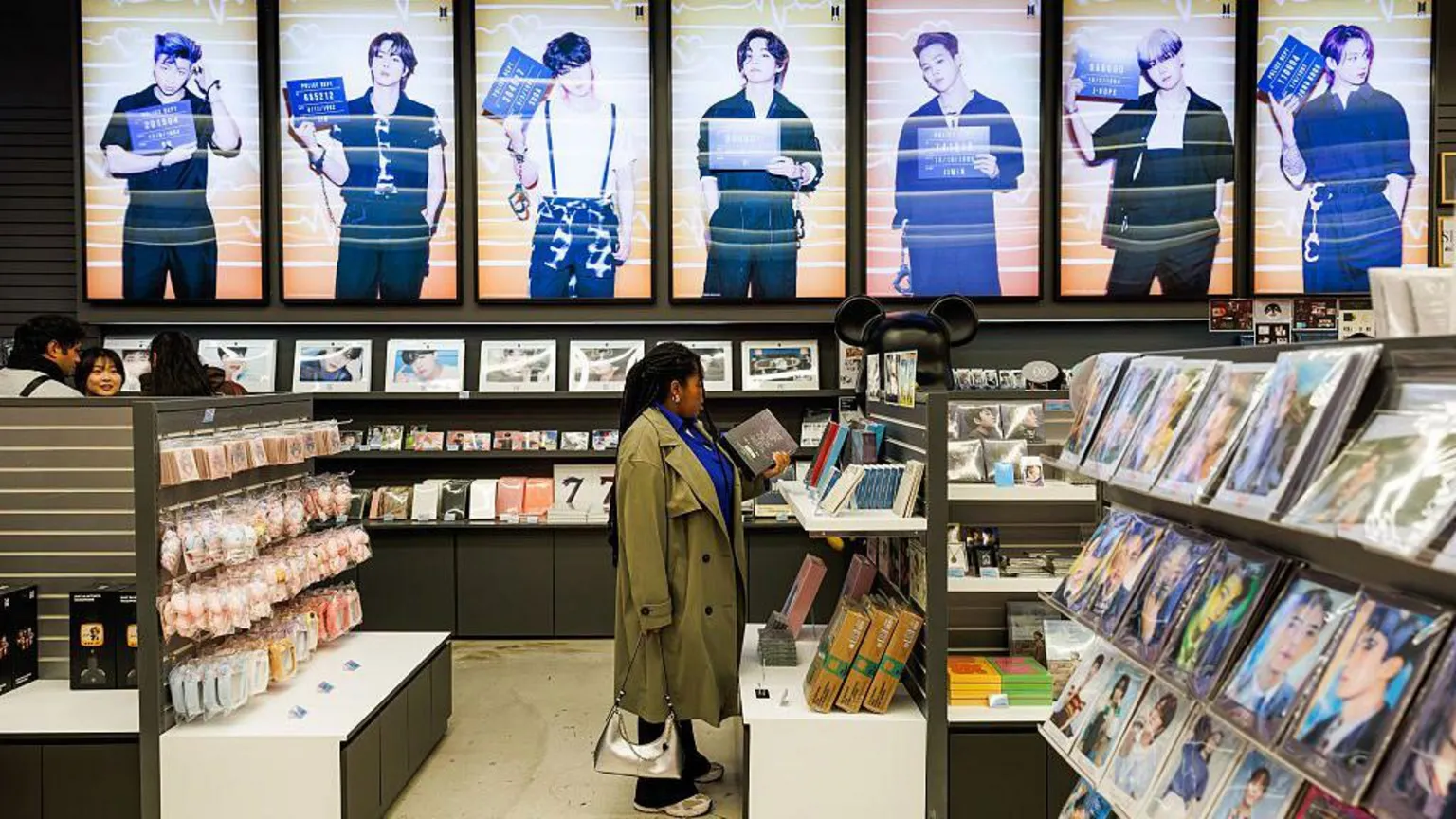
Hybe built BTS, but BTS transformed Hybe into a powerhouse. South Korea embraces their success as a form of diplomacy, with BTS often positioned as national and global ambassadors, appearing at the White House, United Nations, and high-profile state events.

BTS has generated billions in revenue through music, merchandising, endorsements, and extensive content creation, enabling Hybe's aggressive expansion and public listing.
In K-pop, where agencies typically exert strict control over artists, some attribute the album's direction to Hybe's influence, suggesting BTS acquiesced to corporate demands. Conversely, others interpret the album as evidence of complex negotiations captured in the documentary.
A fan attending the Goyang concert commented:
Personally, I didn't find the use of Arirang's traditional sound that weird. And there are still a few songs on the album that I find interesting, including Body to Body.
A K-pop blogger noted:
While I respect the musical evolution of BTS as they constantly take on new challenges, it is also true that we miss their unique and sincere Korean lyrics that used to comfort our hearts.
The Message for Army
For BTS, questions of authenticity and messaging remain central to maintaining their fiercely loyal fanbase, known as Army.
Music critic Park explains:
While the new album is great in terms of sound quality… the overarching message, such as Love yourself, of [earlier albums] doesn't come through as clearly. That may be why Korean listeners are finding it hard.
The Love Yourself series, focusing on self-love, mental health, and personal growth, resonated globally. BTS delivered this message at the UN during the pandemic, sharing their struggles with self-acceptance. Ami Ostrovskaia, a Russian university student living in Seoul, credits BTS songs with helping her avoid a mental breakdown.
From the beginning, BTS engaged fans through vlogs and direct communication. In 2015, they launched the popular series Run BTS, featuring games and candid moments.
Their relationships unfolded openly, both online and offline, allowing fans to see them as talented, awkward, and genuine individuals growing up in the public eye.
Park notes:
I've been watching BTS's social media content since early 2010s, when their Twitter followers were less than 1,000. They were the leading figure in the K-pop scene to make aggressive use of social content, perhaps as an alternative, as it was difficult for idols from smaller agencies to secure TV appearances.
As their fandom expanded, BTS sold out venues worldwide, including Wembley Stadium, where they were moved to tears as tens of thousands sang "Young Forever" in Korean:
Even if I fall, get hurt, and it aches, I keep running towards my dream.
Their fully English singles, "Dynamite" and "Butter," marked a bright, disco-inflected departure from their hip-hop origins, leading to Grammy performances and nominations — the first for a K-pop act.
With Arirang, BTS appears to revisit their Korean roots more explicitly, though the path involved individual artistic detours during their hiatus. RM and Suga explored experimental projects; Jung Kook and J-Hope emphasized performance-driven pop; Jimin, V, and Jin focused on emotive vocal work.
The fact that the seven members have remained together for over a decade is remarkable.
Rob Schwartz, formerly with Billboard, reflects:
It's hard to pinpoint one thing. Talents, looks, promotion… I think it's all of the things together. But I think really what it is is that they created this big movement for themselves and they've gathered so many fans. These passionate fans are continuing to push forward the BTS legend and popularity.
Challenges of Fame and Identity
Despite their success, the pressures of South Korean celebrity life, which rarely allows vulnerability, sometimes strain the group's image.
Earlier this year, Jung Kook, the youngest member, sparked controversy with a candid, intoxicated livestream during which he swore and said:
I just want to live as I want.When fans urged him to end the stream, he responded:
Please don't tell me what to do.
Months earlier, RM apologized profusely after an honest livestream expressing anxiety about reuniting and returning to the stage.
Park comments:
I wouldn't say the BTS members lack freedom. But as a group, they've become something like a national brand. That inevitably places them under enormous pressure - and it may be why some feel they've lost a sense of identity.
For devoted fans like Park Su-bin, the chance to see BTS perform again is thrilling:
Honestly, I wasn't that into the title song, Swim. It's good, but I was expecting stronger choreography and more Korean lyrics, something more like Idol.(Referring to the 2018 hit blending South African rhythms with traditional Korean music.)
She adds:
It's been a while since I watched BTS perform. I'm excited to be going to a BTS concert, but it still seems a bit surreal.
Another casual fan remarked:
I don't have many thoughts about it. I'm just excited for the concert.
As BTS returns to the stage and their platform Weverse, their fandom and performances will shape the reception of their comeback.
Critics agree their legacy is secure. Schwartz states:
I was covering K-pop before it was this gigantic world phenomenon. And you know, at that time it was a question mark. Will K-pop become like a gigantic world phenomenon? Now there's no question because of BTS.
The prevailing question is how much further BTS can extend their influence.