Welsh Flavours Arrive in South London
A menu featuring dishes such as the Swansea breakfast, Caerphilly Cheesesteaks, and Welsh rarebit might typically be expected in a cafe located in the Welsh valleys. However, Bara, which means "Bread" in Welsh, has recently opened its doors in Peckham, south London.
The owners described the enthusiastic response to some of Wales' most iconic dishes in England as "crazy," having sold out during their opening weekend.
Food content creator Gwen Matthews has observed a growing interest in Welsh cuisine both within Wales and beyond, often featuring contemporary adaptations of traditional recipes.
While Bara is based in London, its inspiration is deeply rooted in the heart of the Welsh valleys.
"I'd been cooking a lot of food from other countries, which I really enjoyed, but it felt like I needed do something true to me,"said co-owner Cissy Dalladay, originally from Aberdare, Rhondda Cynon Taf.
Her motivation was further inspired when she inherited her grandmother's 1950s cookbook titled "Croeso Cymreig - a Welsh Welcome," produced by the Wales Gas Board. The book focused on traditional Welsh recipes designed for gas appliances.
"It had these beautiful old recipes in them that were so simple and hearty,"Cissy added.
"It had lots of grandma's little notes in. It felt like a sign I should do something Welsh, and it felt really natural to me."
Cissy launched the cafe alongside Zoë Heimann, from Clapham, who remarked on the unexpectedly high turnout.
"We were both really pleasantly surprised by how many people came down. There's a lot of Welsh people in London who love seeing a taste of home. We had a lot of tables coming in speaking Welsh to each other, which was really cool to see."
Cissy believes Welsh dishes have the potential to stand out in the London food scene and appeal to a diverse audience by blending traditional elements with innovative twists.
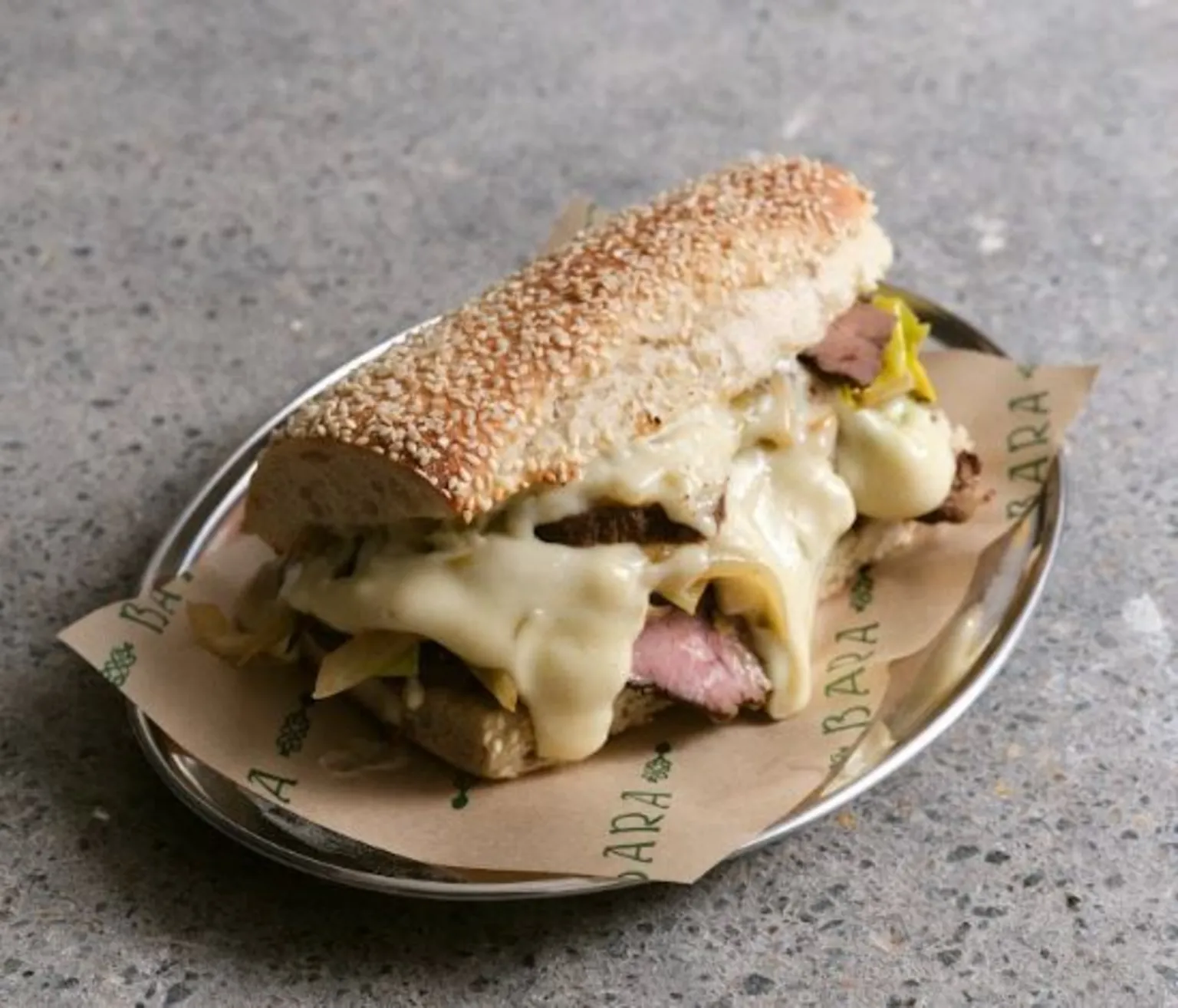
Ingredients such as laverbread, made from edible seaweed, along with leeks and Welsh beef, are incorporated into dishes like the Caerphilly Cheesesteaks.
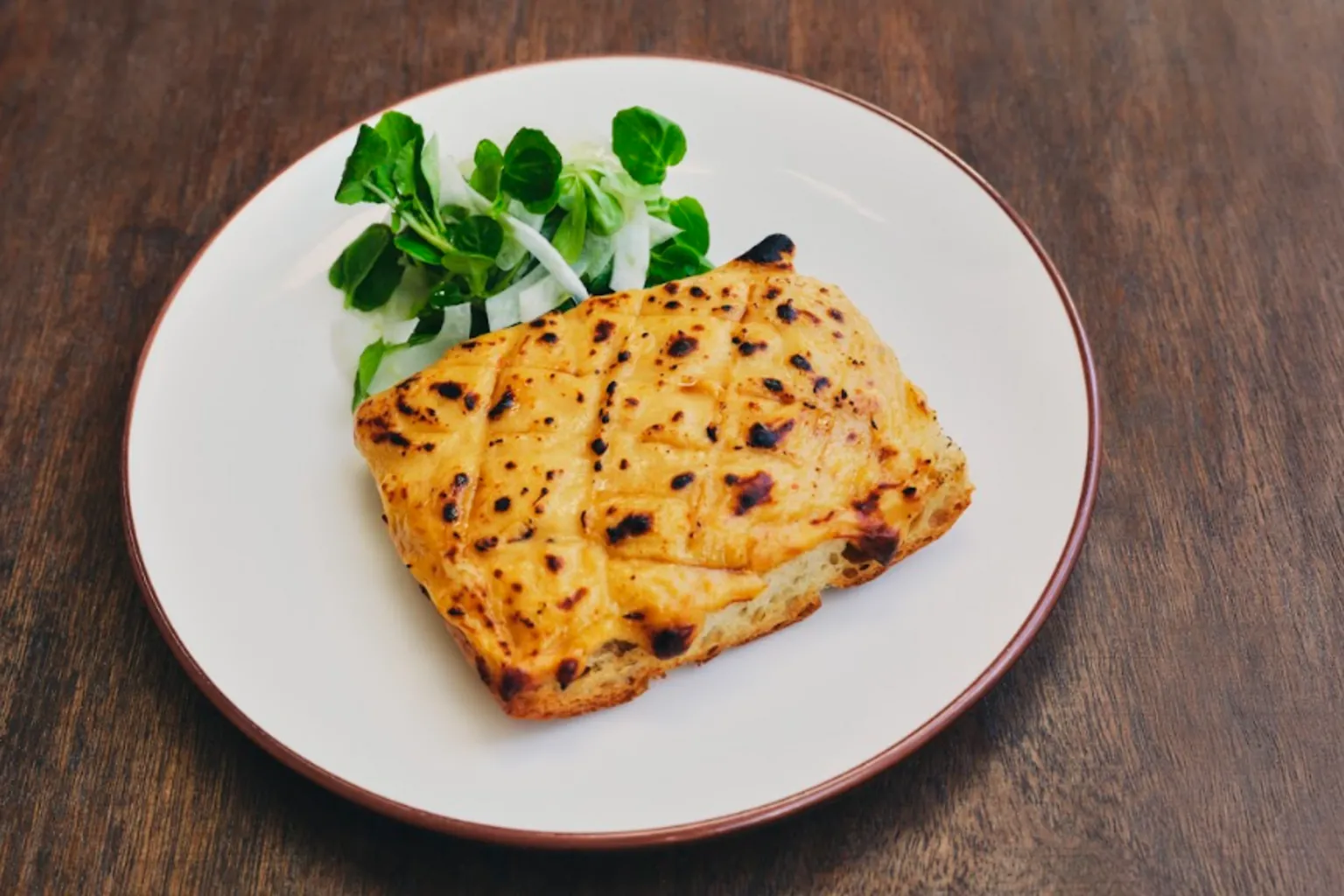
Another popular offering is Welsh Rarebit, a dish consisting of hot cheese sauce served on toast, known for being warm, hearty, and filling.
"It feels like everyone who has any connection to Wales has come to the café in the last weekend,"Cissy told BBC Radio Wales Breakfast.
"My babysitter from when I was two years old came in the other day, who I haven't seen in 30 years."

Growing Interest in Welsh Cuisine
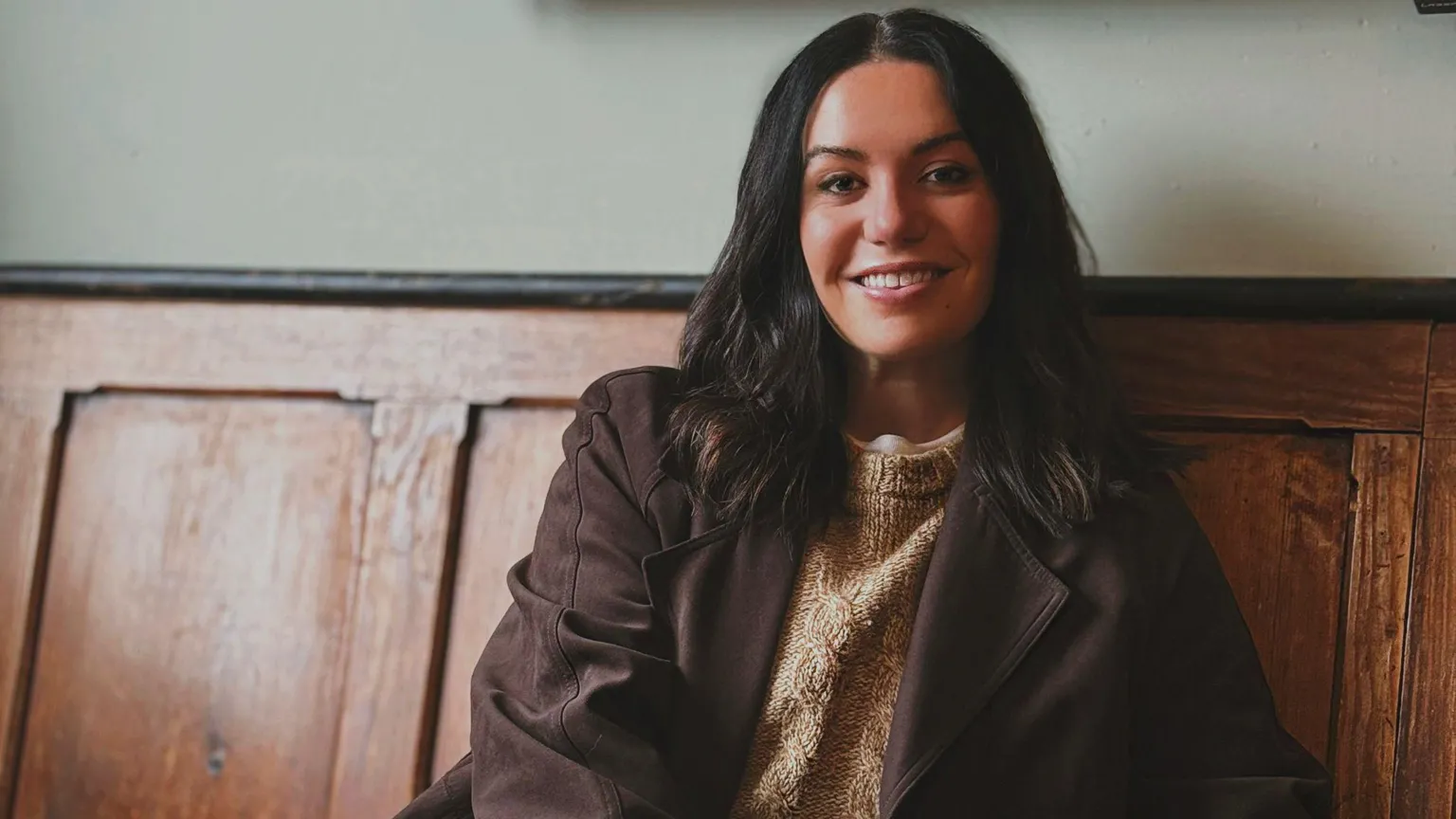
Gwen Matthews, from Fishguard, Pembrokeshire, who runs the Instagram account Oh, Get Stuffed, which reviews restaurants, cafes, and bars across Wales, has noted an increased demand for Welsh food.
"Welsh food is thriving on its own. It's influencing menus and shaping recommendations. It's now served with confidence and pride, with a bit of swag, but without losing its honesty and warmth."
Matthews emphasized the importance of modernizing traditional dishes like rarebit to ensure their continued relevance.
"If Welsh food is only framed through the nostalgic lens, it risks being boxed in. But when Welsh food is allowed to breathe a little, to exist outside of home comforts, it begins to pop up at pubs, restaurants, cafes. It can still do that without losing its identity."
Traditional Welsh Foods Remain Popular
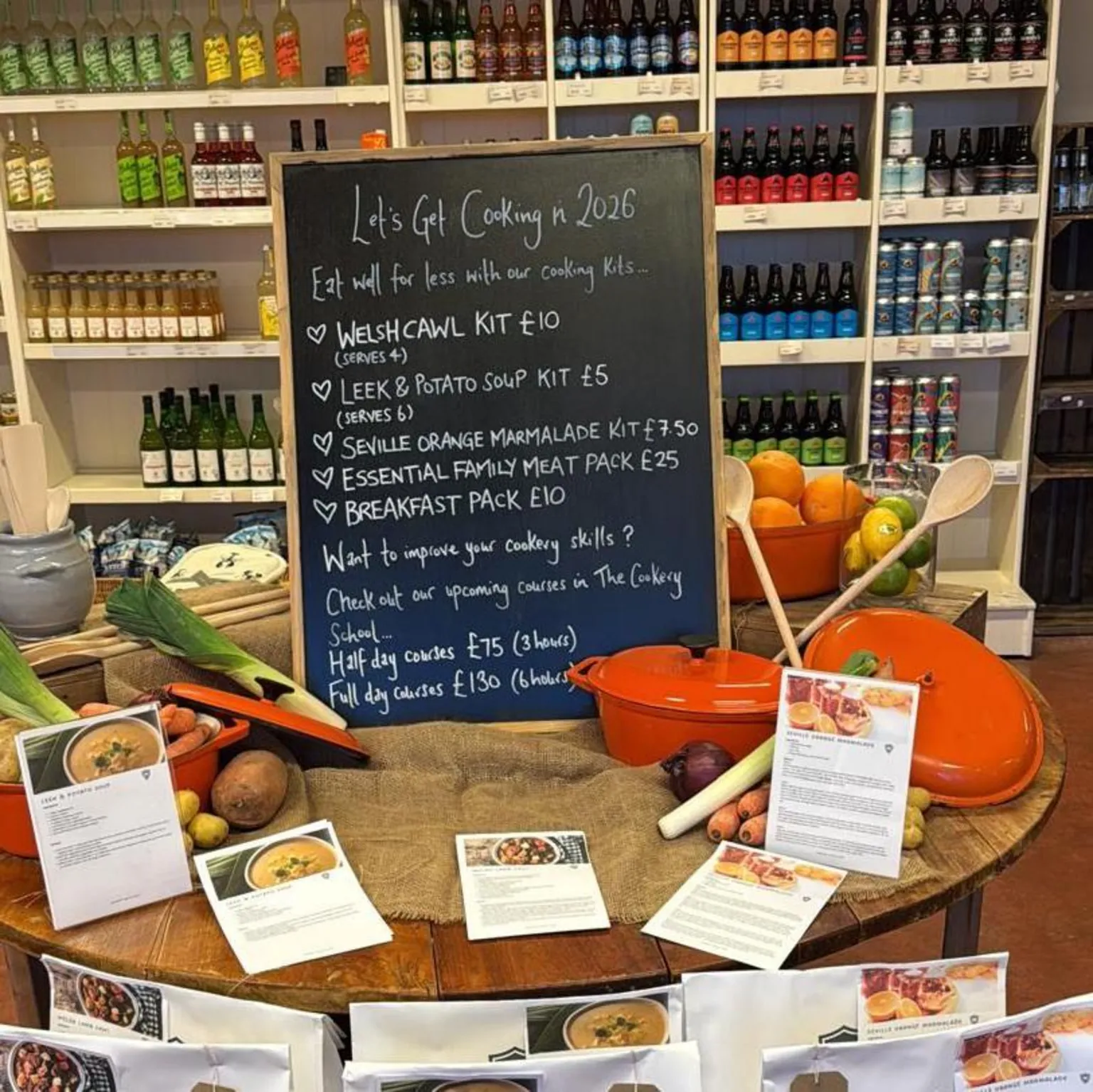
Not all businesses are witnessing a shift toward contemporary versions of classic Welsh dishes. Bodnant Welsh Foods, located in the Conwy Valley, reports that traditional recipes remain the most popular among customers.
Olivia Parsons, a director of the family-run company, noted that their recipe kits for various Welsh dishes, particularly Welsh Cawl, are top sellers.
"We sell recipe kits for all sorts of Welsh dishes, with Welsh Cawl top of the list."
Similar to Bara, Bodnant Welsh Foods has observed a strong interest in experiencing Welsh culture and hosts cookery classes attracting people from around the world.
"People come wanting to learn about Welsh food,"Parsons said.
"It's the same with Ireland and Scotland, people want to see how the classics are made."
Despite focusing on traditional dishes, the company has also adapted some products to appeal to broader audiences.
"We've brought out new chocolate orange Welsh cakes and bara brith shortbread, you've got to go with the times and make them a bit more exciting,"Parsons added.