

Financial Pressures Threaten South Scotland's Historic Common Ridings
Organisers have expressed concerns that the historic common riding festivals in the south of Scotland may be at risk due to escalating financial pressures.
In the Scottish Borders, a working group has been formed to protect the future of these ridings, as organising committees report that costs have become unsustainable.
Similarly, in Dumfries and Galloway, several towns that hold riding of the marches events are finding it difficult to recruit riders for principal roles because of the financial commitments involved.
What does the future hold for these longstanding events?
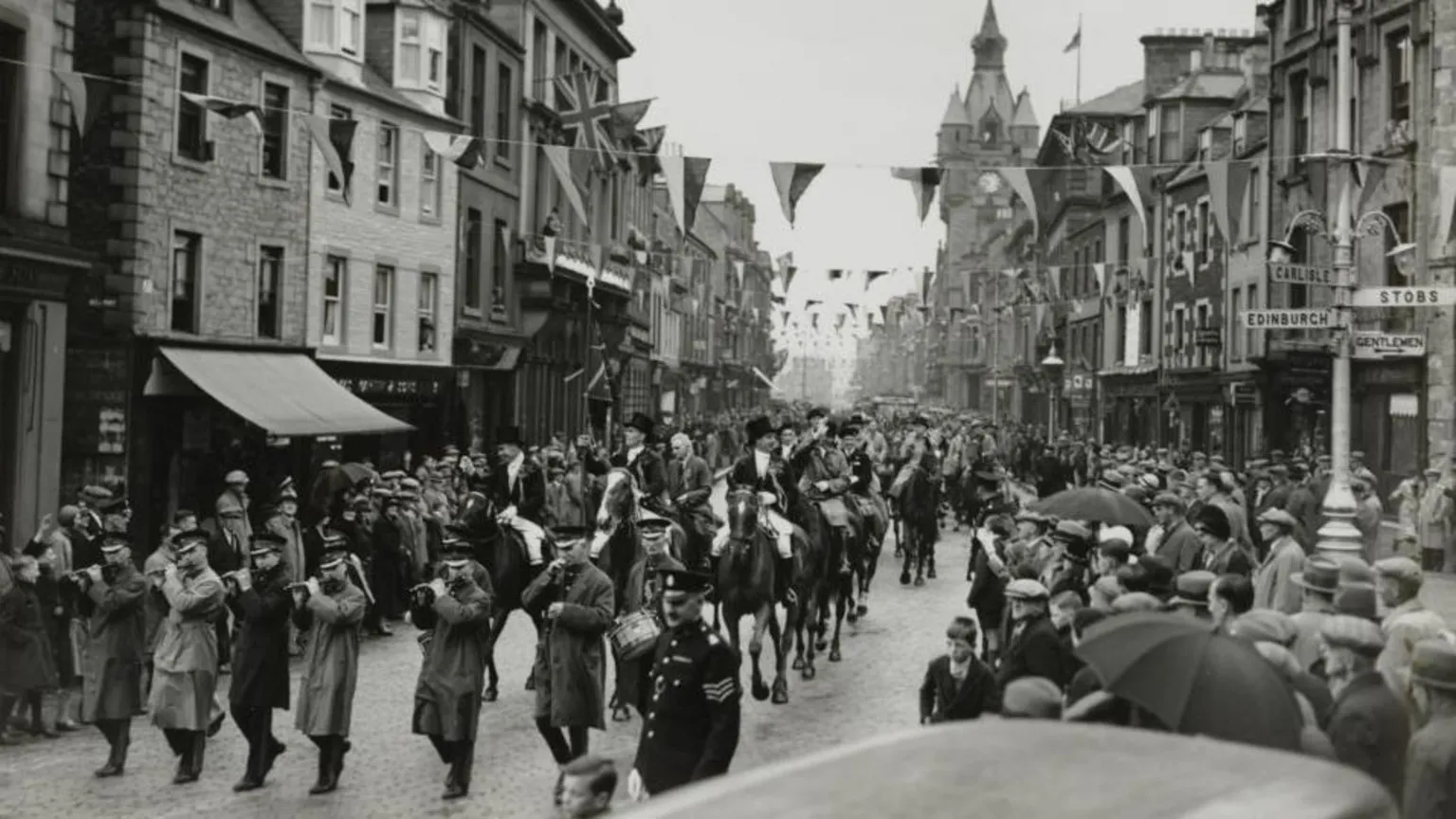
Historical Significance and Traditions
The history of each ride varies, with some claiming origins dating back to the 13th and 14th centuries.
Regardless of their beginnings, these ridings symbolize their town’s turbulent past when boundaries were defended against encroachment.
Today, the riding of the marches, or boundaries, is a symbolic event led by "principal" riders, followed by a cavalcade of supporters on horseback.
Principal roles differ but may include a cornet, cornet's lass, and the standard bearer, who carries the burgh standard or flag.
Each town takes great pride in its unique customs—whether it is the colour-bussing in Hawick or the nailing of a salted herring to a barley bannock in Langholm.
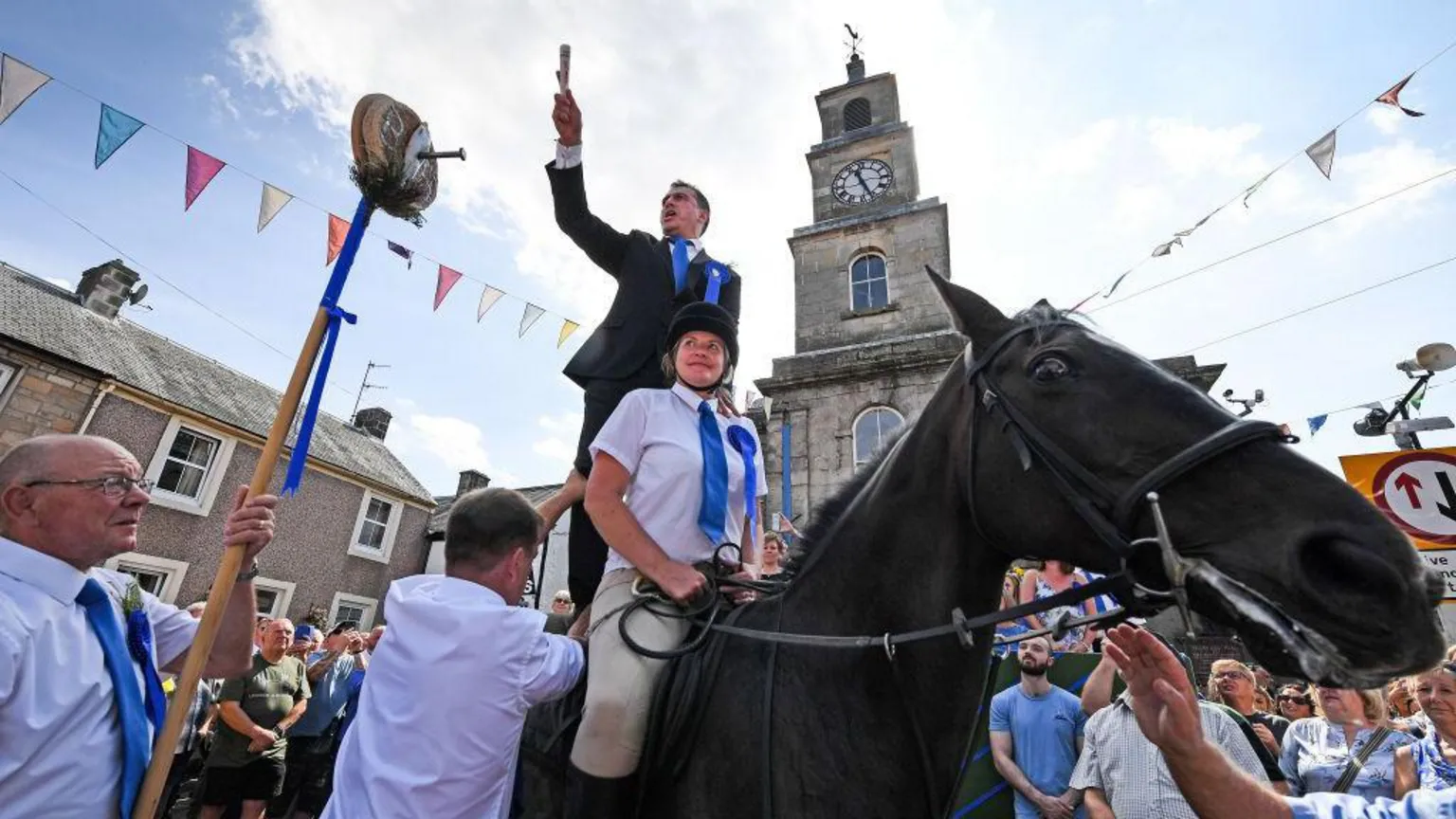
The ridings are the highlight of the social calendar for communities, often drawing expatriates back home.
In the Borders, there is a saying that the ridings are "better felt, than telt".
Booking a wedding during common riding week can make it challenging to find guests to witness the ceremony due to the event's prominence.
Rising Costs and Financial Challenges
However, organisers and participants face growing financial pressures as health and safety regulations become stricter and insurance costs increase.
The Borders ridings and festivals are larger than those in Dumfries and Galloway and incur significantly higher running costs.
In 2025, the total expenditure for Hawick Common Riding exceeded £125,000, with portaloo hire alone costing more than £7,500.
While the riding generated a £20,000 profit in 2007, this figure had decreased to just over £1,000 by last year.

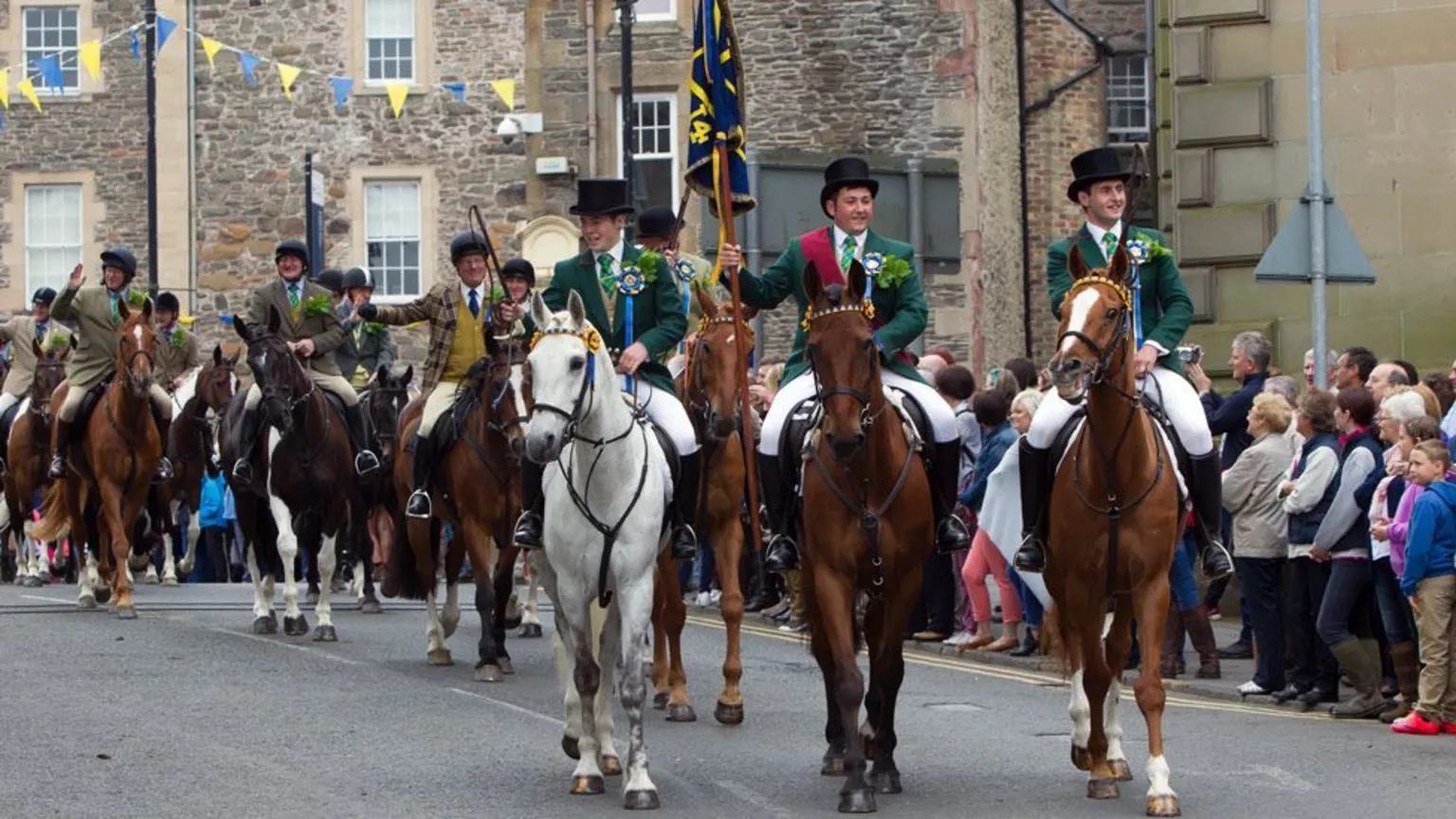
Frank Scott, chair of Hawick Common Riding (HCR), emphasises the need for increased funding.
"They're absolutely in jeopardy and we need to protect everybody, not just our own town," he said.
"They are the lifeblood of the Borders and are more important than Christmas for sure.
"I can't imagine Hawick without a common riding."
A working group now represents the 29 Borders common ridings and festivals.
Scottish Borders Council (SBC) currently provides grants ranging from £400 to over £9,000 and allocated an additional £30,000 to support festivals in 2024/25; however, communities have reported difficulties accessing these funds.
Scott acknowledges the local authority's financial constraints but believes more support is necessary.
"I know the local authority is strapped for cash but they could use more support," he said.
Besides financial aid, the council offers a variety of in-kind services for festivals and has committed to exploring opportunities to enhance the long-term sustainability of these events.
Challenges in Dumfries and Galloway
In Dumfries and Galloway, the expense of participation complicates filling principal roles.
Previously, the cornet, lass, and standard bearer often owned their own horses or could easily borrow one.
It was common to purchase a horse for around £1,000 and sell it after the season.
Currently, those without a horse or access to one face two costly options.
The first is purchasing an experienced and fit horse for at least £8,000 to manage the lengthy and demanding rideouts.
The second is hiring a horse from a company, which can still cost upwards of £3,000.
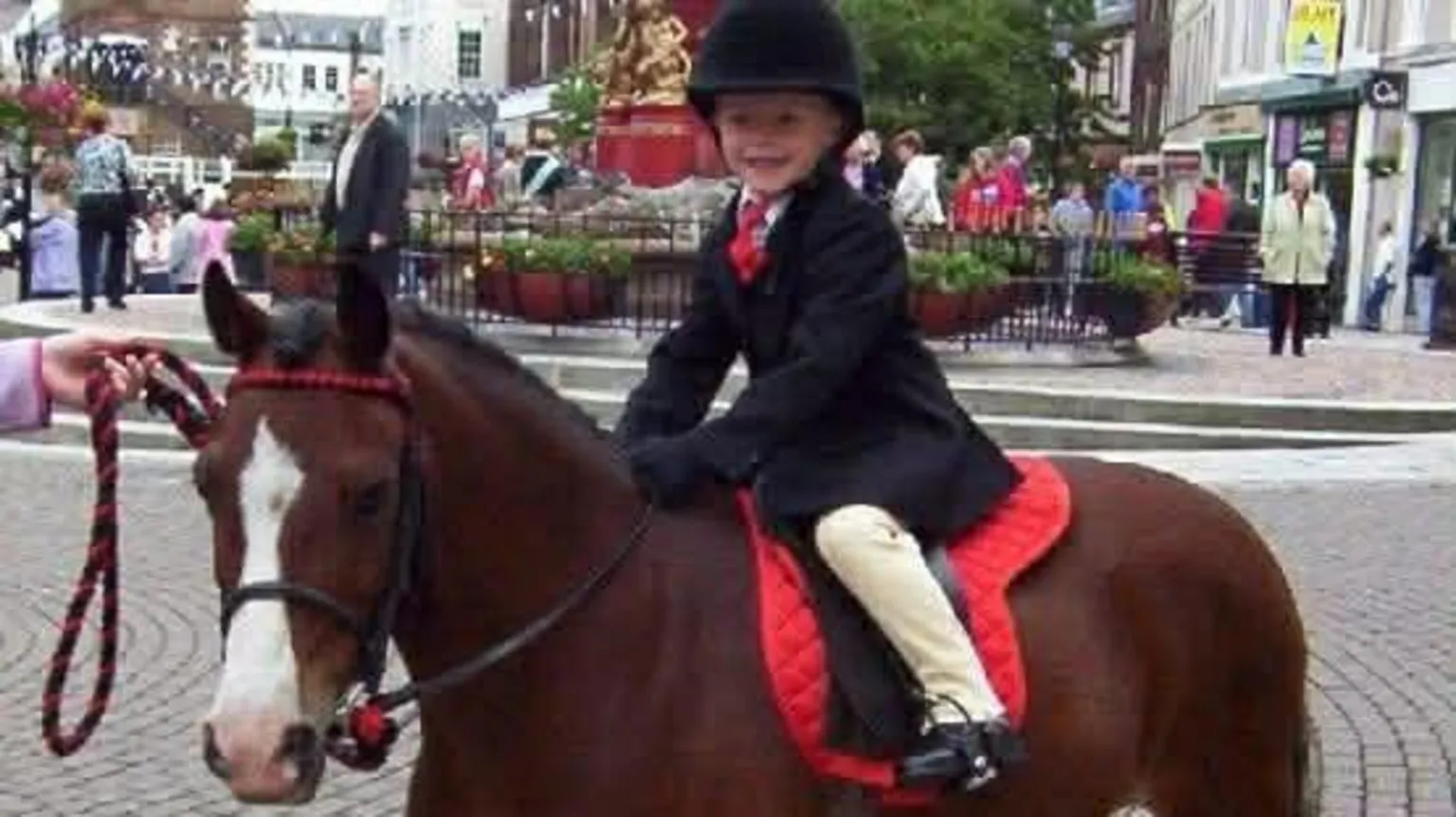
Ross Findlater’s family has a long-standing connection with the Dumfries Riding of the Marches and Guid Nychburris' Day.
In 2022, he became the third generation in his family to hold a key role when elected as cornet.
"I always looked up to the principals, especially when they came round the schools and I always wanted to be a cornet," he said.
"I was lucky I used my mum's horse.
"If I had to hire there's no way I could have afforded that with being an apprentice."
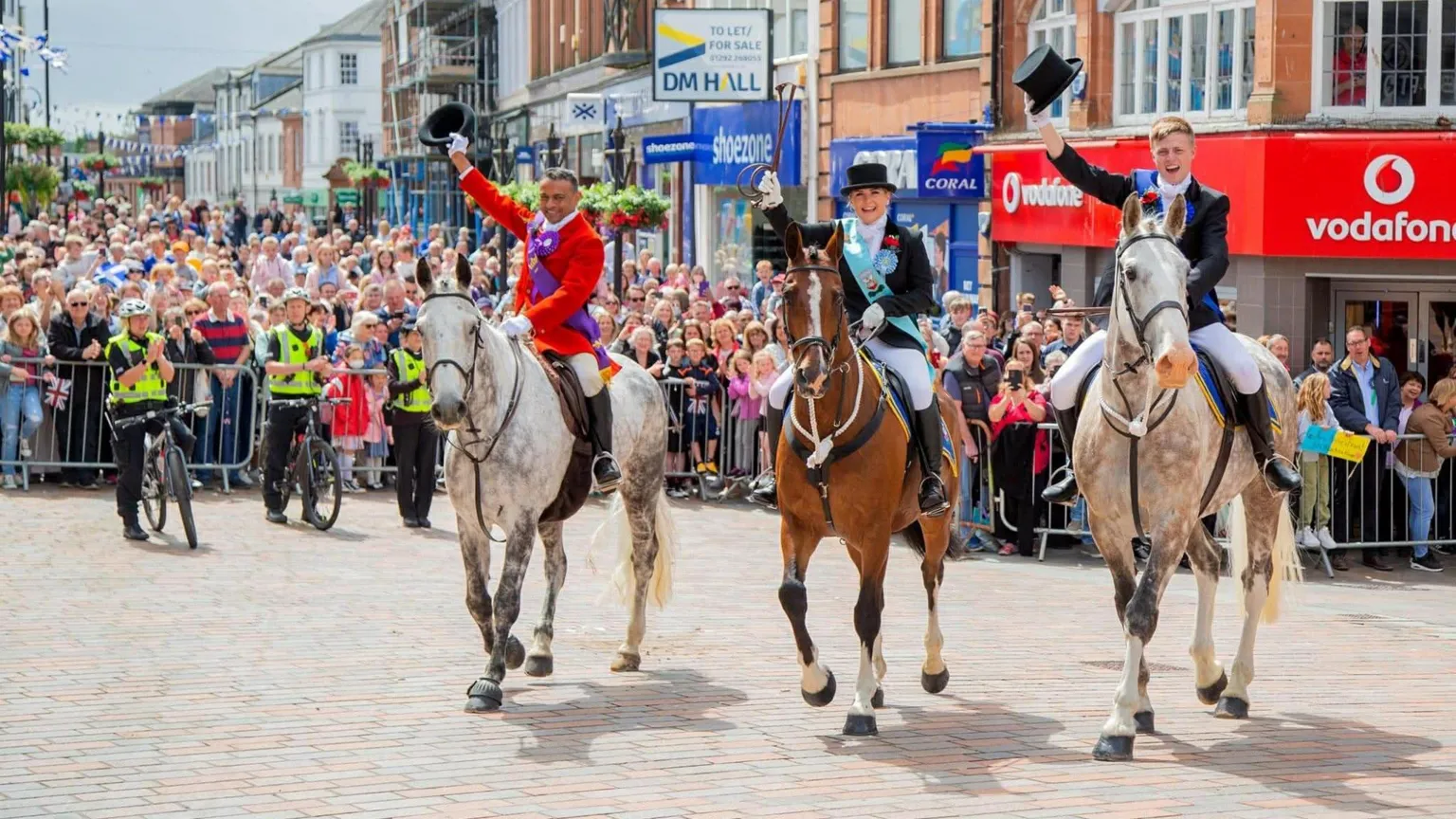
Mary-Ann Boulton, convenor of Lockerbie Riding of the Marches, notes a shift in enthusiasm for principal roles.
"In days gone by people had been 'begging' for key roles, but that has changed," she said.
"Over the last few years I've been phone bashing to try and get cornets and trying to find principals all across the region is getting very difficult," she added.
"It is a treasure and tradition and it will be a right loss if it goes down the tubes."
Community Impact and Future Concerns
For those who have grown up dreaming of becoming a cornet or cornet's lass, the prospect of declining roles due to financial barriers is disheartening.
For the hundreds of volunteers organising the ridings, the pressure to balance budgets remains relentless.
For the hundreds of thousands who value these ancient traditions, uncertainty about their future is a cause for concern.


