Gwrych Castle's Hidden History During WWII
While millions of viewers watched contestants face bushtucker trials and the harsh Welsh winter on I'm a Celebrity... Get Me Out of Here!, none witnessed the derelict dining room inside Gwrych Castle.
The room's bare walls and mismatched furniture contrast sharply with its past as a sanctuary for hundreds of young refugees during the Second World War.
Sonia Eberman, now 102 and residing in Australia, was among the children rescued through Operation Kindertransport. She recalls having to clean the castle before they could inhabit it.
Operation Kindertransport and the Castle's Role
The Grade I listed Gwrych Castle's lesser-known history is explored in a new Sky History programme, which documents restoration efforts on one of the UK's most vulnerable historic buildings.
The Kindertransport initiative saved over 10,000 predominantly Jewish children from Nazi-occupied Europe, bringing them to safety in the United Kingdom.
These children were placed in foster homes, hostels, and farms, each requiring a sponsor to provide accommodation before asylum was granted.
At this critical juncture, the 13th Earl of Dundonald, son of the castle's owner, offered his family home as a refuge.
Mark Baker, custodian of Gwrych Castle, explained:
"When they arrived the castle was virtually empty.
The family had put all of their private contents like portraits and furniture into several locked rooms so they had the run of you know the whole of the place basically."
Having been unoccupied for about 15 years, the castle presented challenges such as exploding toilet drains and inadequate heating, as reported by the new residents.
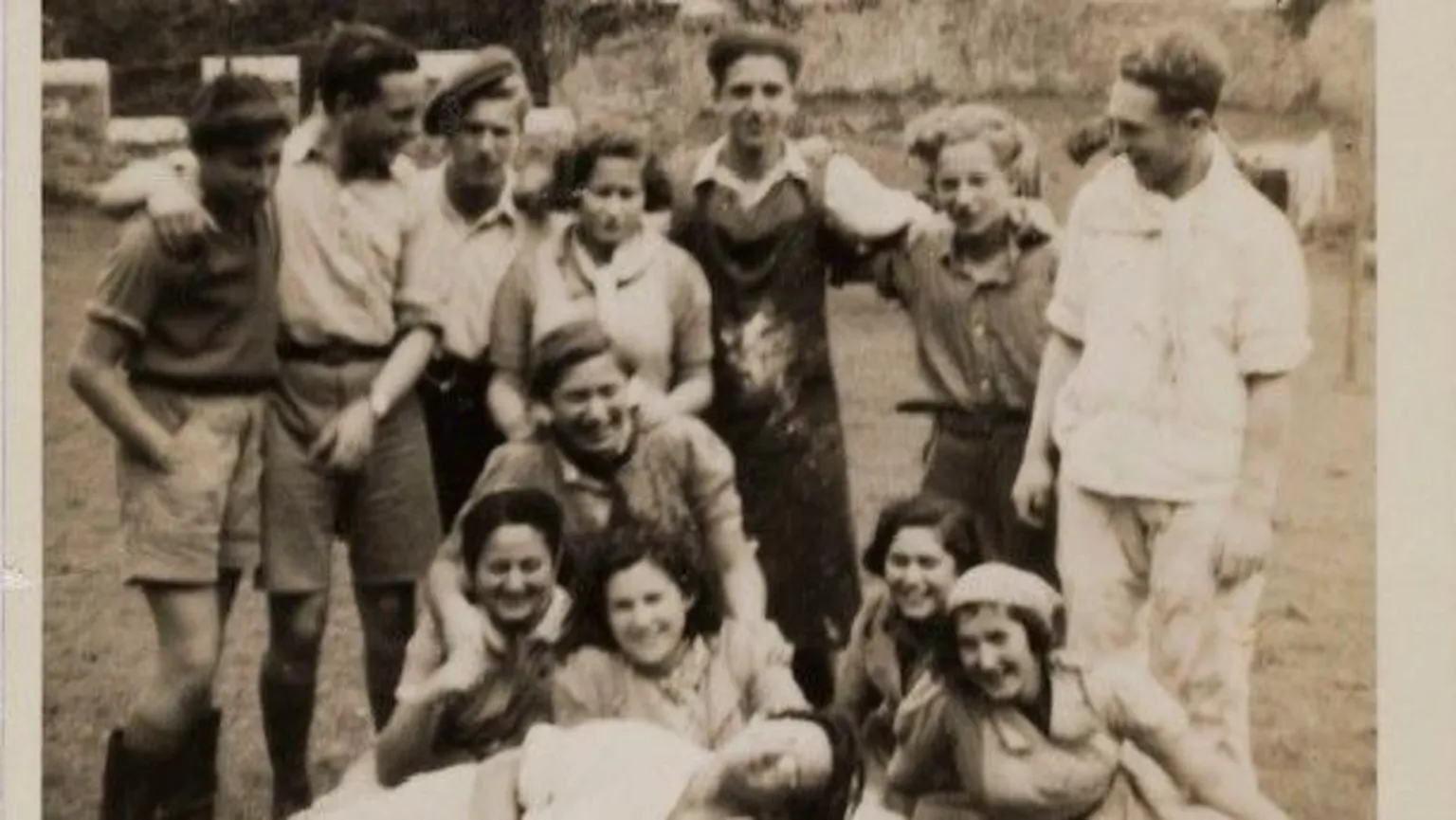
Life at the Castle for the Refugee Children
Most children were unaware of the reasons behind their relocation to the castle, as daily life continued with lessons, work, and even a wedding.
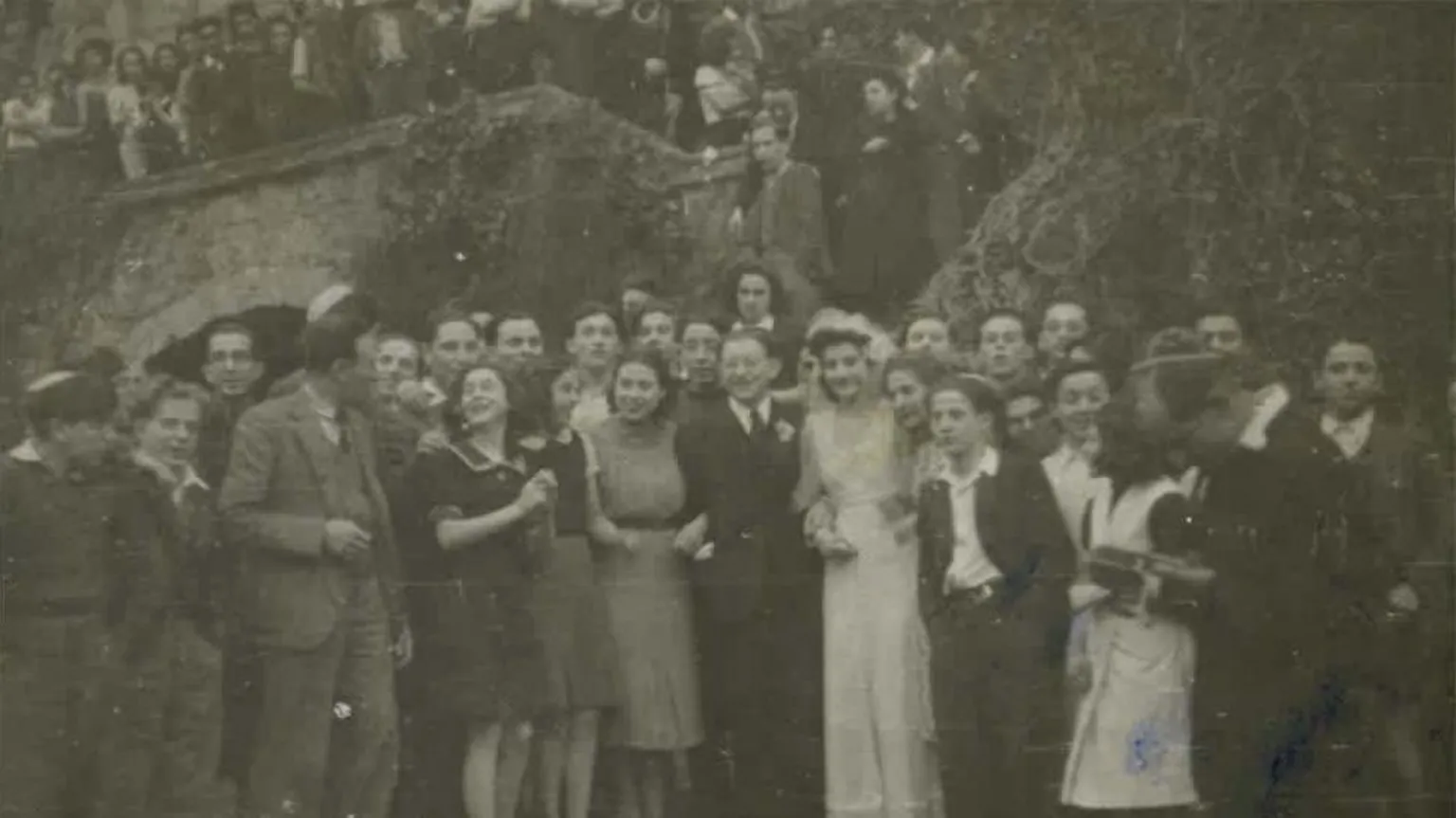
Baker elaborated on their activities:
"Lots of them got work in the wider castle estate, so things like on the farms.
Some of them worked in the forestry side with the woods people, cutting down trees, processing wood.
I think one of them helped with the local milk deliveries and they really kind of became quite integrated into the local area."
Family Connections and Discoveries
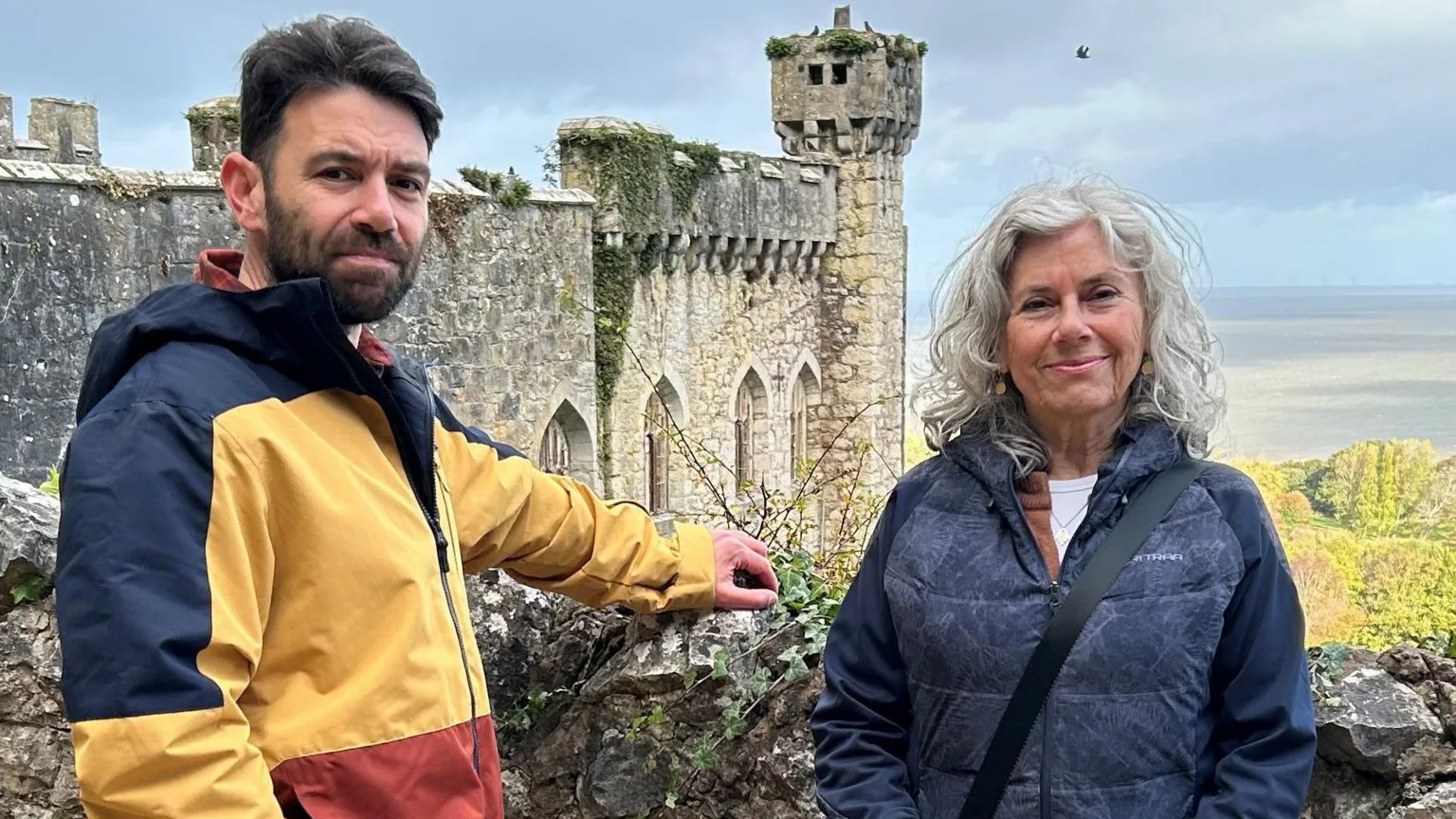
More than 10,500 miles away in Melbourne, Australia, Benjamin Preiss uncovered his grandmother's connection to north Wales through old letters.
Speaking on Sky History's Great British Castle Rescue, Preiss said:

"It started as a little bit of a journey to learn more and find out more."
This journey led Preiss and his mother Sandra to travel across the globe to explore their family history.
Benjamin shared:
"I wanted to walk on the same steps that my grandmother did."
Sandra added:
"Gwrych Castle is part of her survival story, and therefore mine, and therefore [Benjamin's].
Trying to understand how it would've been for a 16-year-old girl to land in a foreign country on her own, having left her mother and older sister behind."
Sonia Eberman's Memories
Eberman recalls her time at the castle:
"Working in the fields [and] working in the farms.
And of course, in the beginning [working on] the steps.
We had to clean the place up before we could live in there."
During their visit, she spoke to her family on the phone from Australia, expressing:
"It's amazing that you've been to the place I've been to."
The Blitz and the Castle's Evacuation
Despite hopes for a peaceful life amid the forests of Conwy, north Wales, the children’s safety was threatened when Gwrych Castle became an unexpected target during the Blitz.
German planes targeting nearby Liverpool passed over the castle, which was on the Luftwaffe's return route, and bombed it to lighten their load for the journey back to Europe.
Baker explained:
"Because the castle is such a big structure, it's white limestone so on a moonlit night it's quite visible.
So you can imagine being here, everything's pitch black then, suddenly, 'bang'."
As a result of these attacks, all 200 residents were relocated elsewhere by the end of 1941.
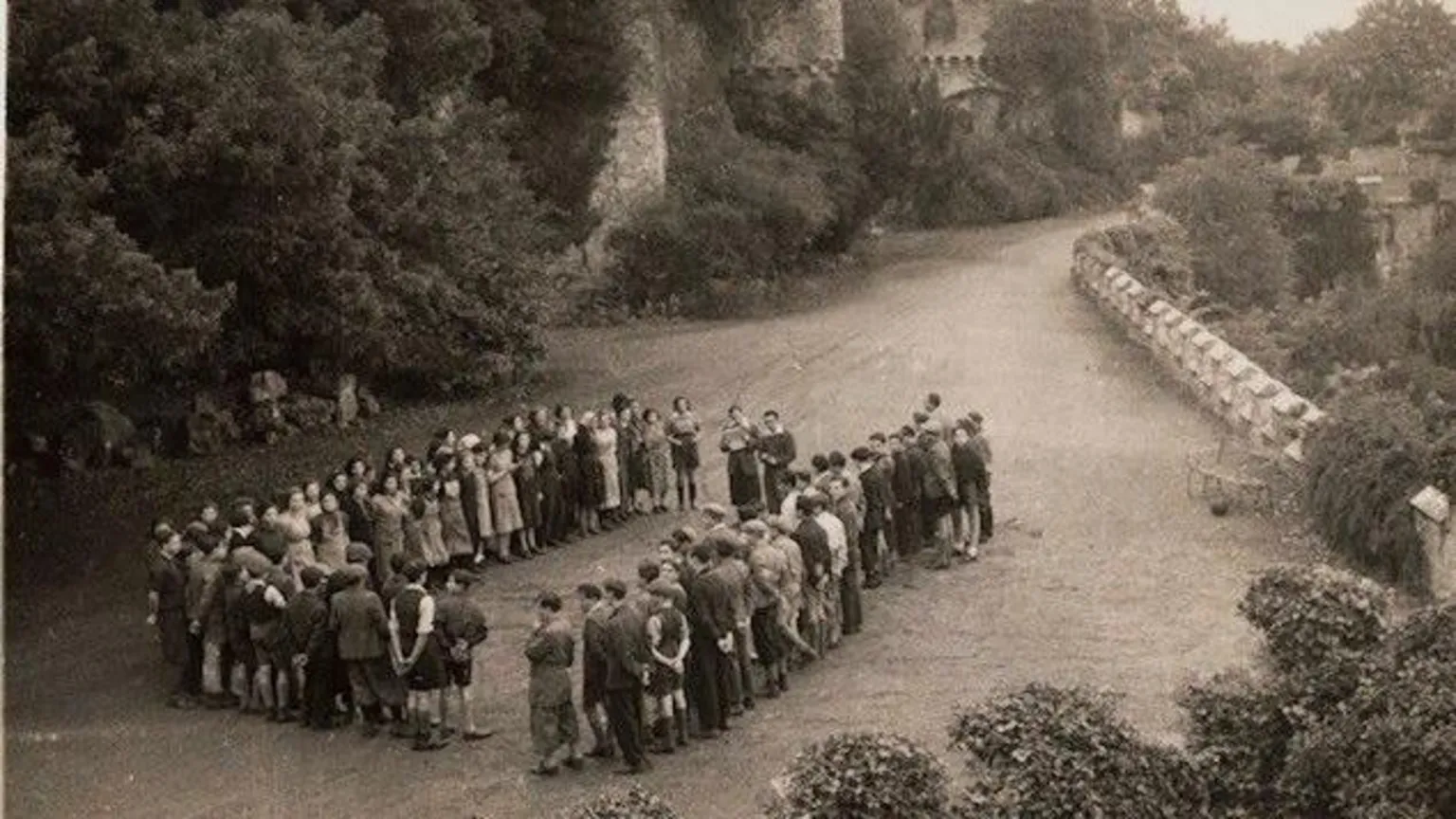
Post-War Decline and Restoration Efforts
Fifty years later, the castle fell into disrepair under an American absentee owner and is now considered one of the UK's most at-risk historic buildings.
Baker, who passed the castle nearly every day on his way to school, is dedicated to its restoration.
He shared on the programme:
"The castle, it was like an apocalypse.
So beautiful and really cherished by local people and I saw it disappearing into the hillside.
That really pushed me into wanting to do something, to try and save the place."
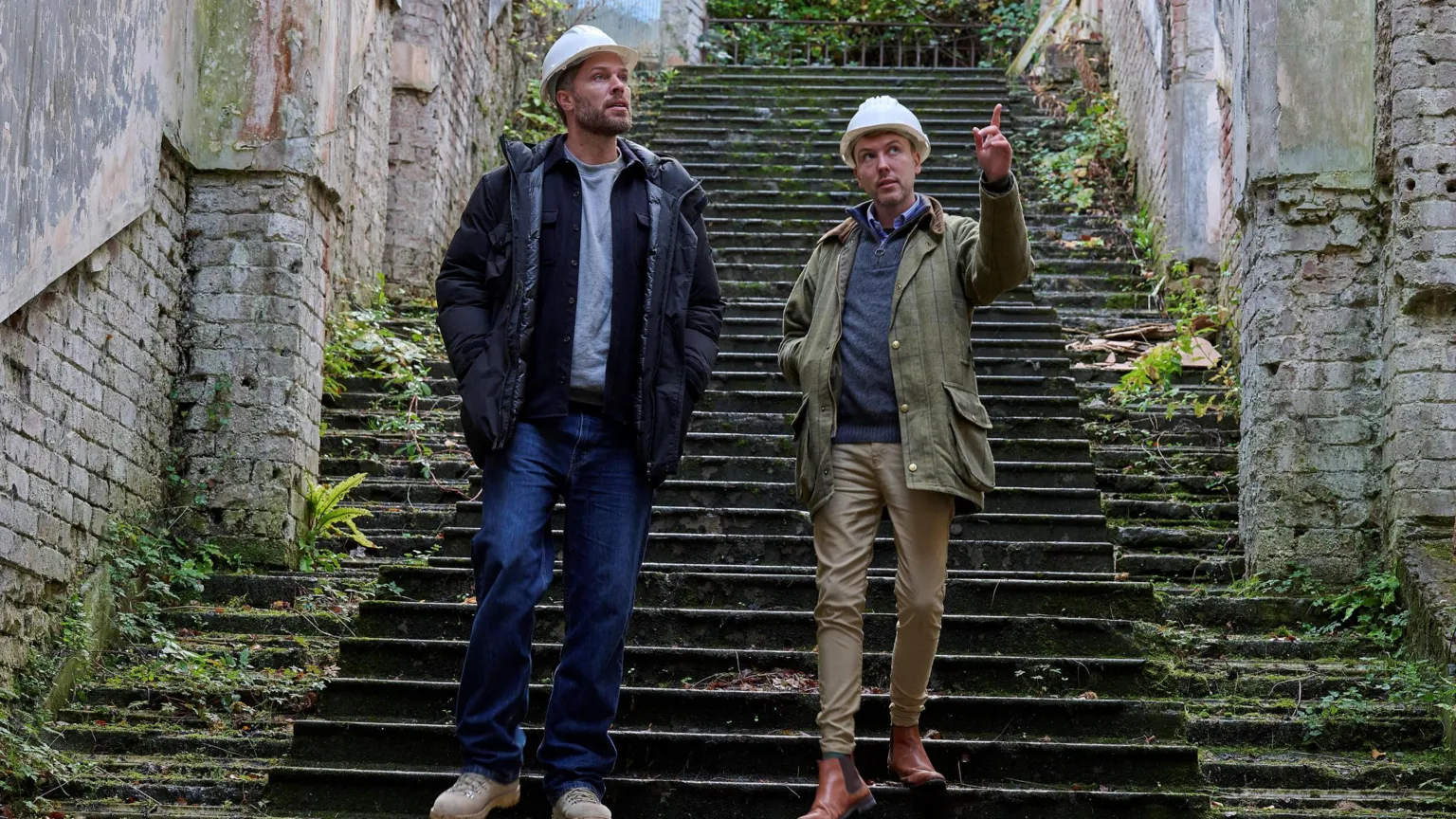
The gothic castle has received £200,000 in National Lottery funding to initiate restoration work on this building of national importance.
The beginning of Gwrych Castle's restoration is featured on Great British Castle Rescue on Sky History.