

Introduction to Meji Alabi and His New Documentary
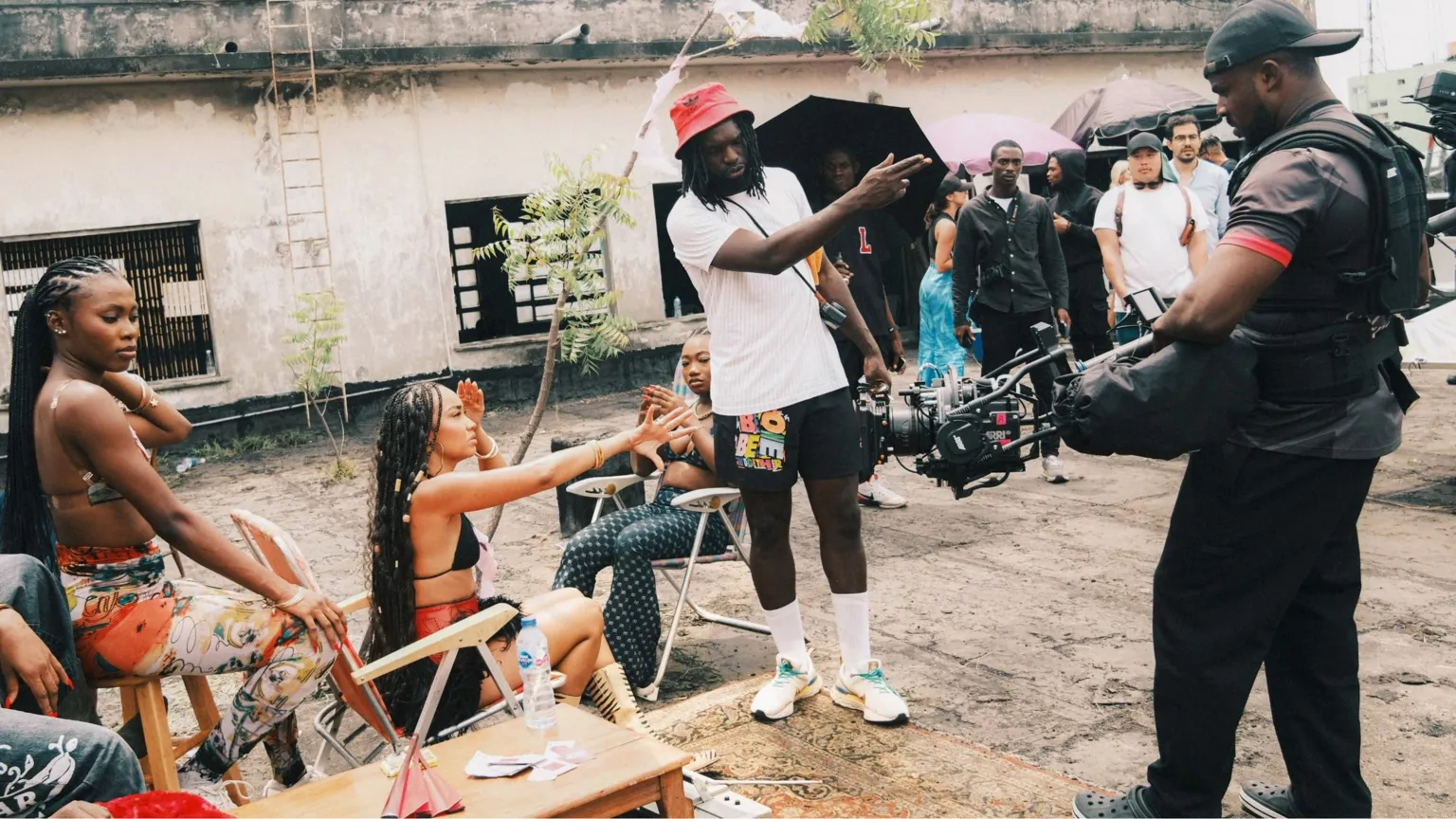
Meji Alabi has directed videos for some of the world's top music artists, including Beyoncé, Burna Boy, Davido, and Stormzy. Despite his success, including a Grammy Award, he found himself unprepared for the emotional journey of creating a documentary about Nigeria's civil war.
Warning: This article contains details some readers may find disturbing.
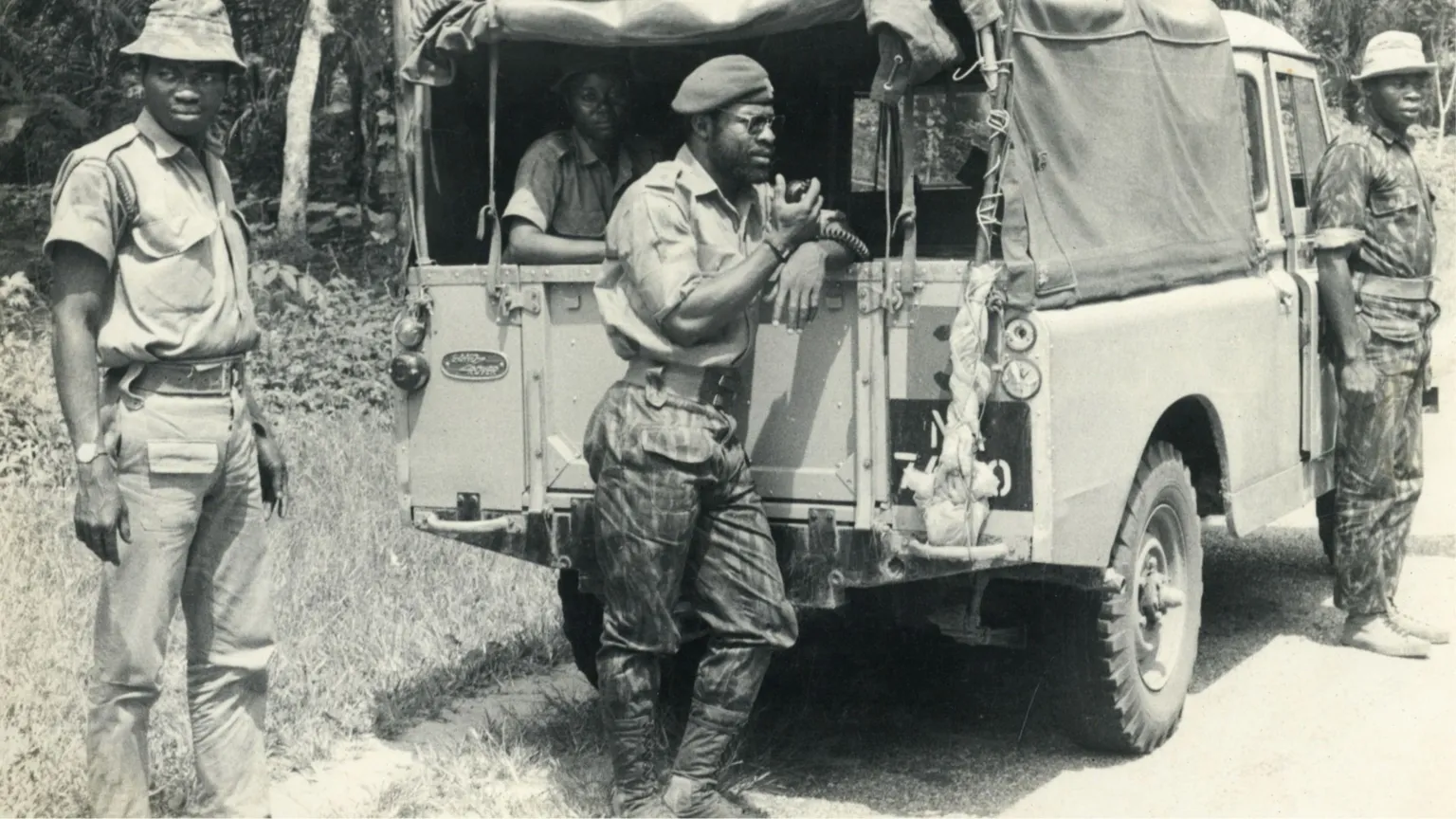
Surviving Biafra: Voices from the Nigerian Civil War, produced by BBC Africa Eye, features previously unseen frontline footage from the devastating conflict that lasted from 1967 to 1970, when ethnic tensions threatened to divide Nigeria.
"It was very much an eye opener for me. I just grew up not knowing much about the war at all, or who was fighting who,"
said Meji, 37, who was born in London to Nigerian parents and later moved to Texas for his education.
Collaboration with Family and Discovery of Nigeria’s Traumatic Past
A significant moment in Meji’s career was winning a Grammy five years ago for co-directing Beyoncé's "Brown Skin Girl" music video. However, it was only when he collaborated with his uncle, Leke Alabi-Isama, a fellow filmmaker and co-founder of their Lagos-based production company PriorGold Pictures, that they began to grasp the full extent of Nigeria’s painful history.
Much of their initial knowledge came from Leke’s father and Meji’s grandfather, Godwin Alabi-Isama, a former army commando who fought for the federal army against the Igbo separatists seeking to form the breakaway state of Biafra in southeastern Nigeria.
"I only just saw it from a Nigerian [federal army] perspective,"
"I never knew of the horrors. I never knew of the suffering and the pain of the other side."
Leke reflected on his limited understanding prior to the documentary.
Voices from Survivors and Historical Context
The Africa Eye documentary features survivors, now in their 70s and 80s, who recount their experiences during a conflict that shaped millions of lives and remains relevant today.
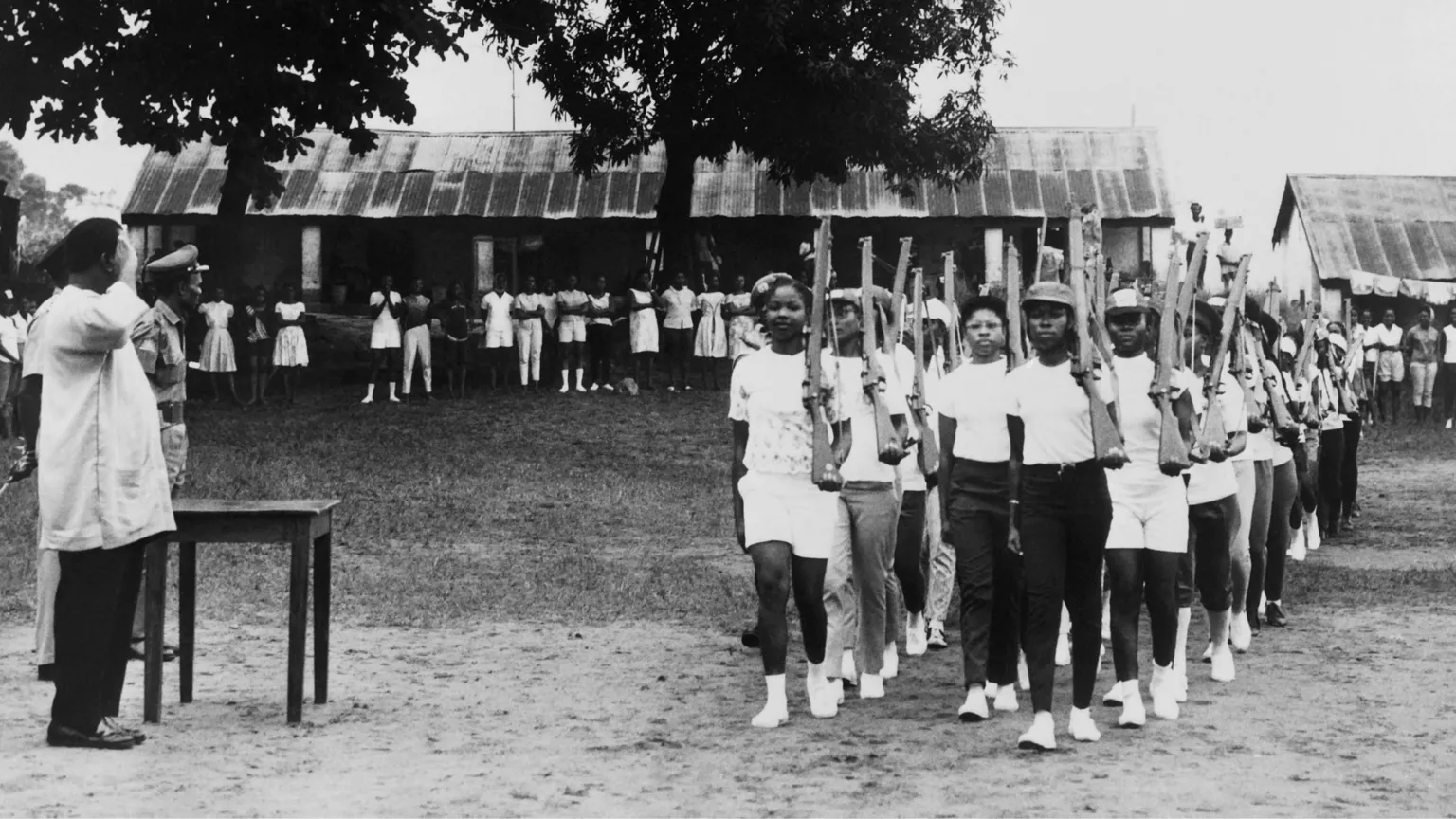
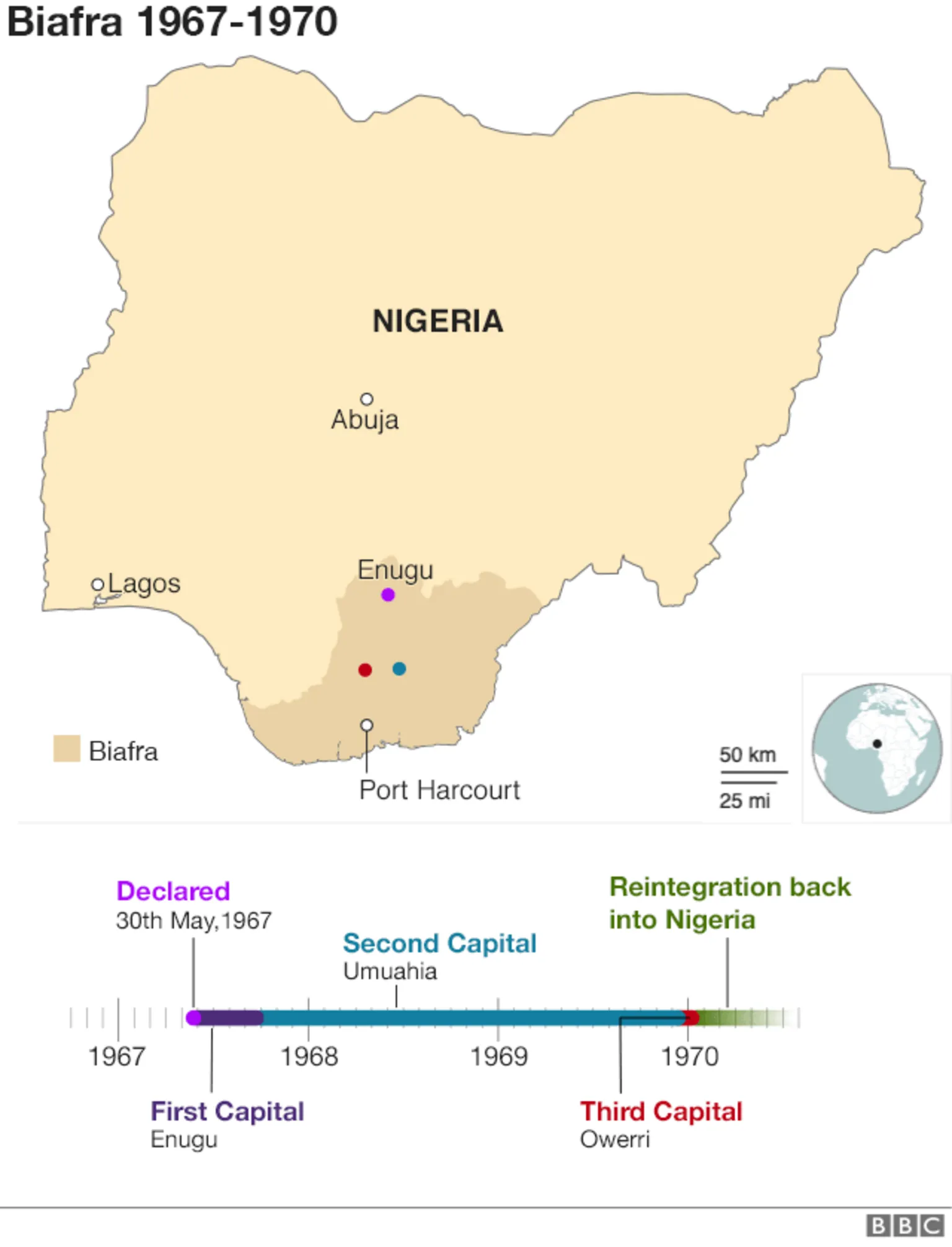
The Biafran war began after a series of military coups and massacres targeting Igbo people living in northern Nigeria. Approximately one million Igbos returned to their ancestral southeastern region, where three states declared independence as the Republic of Biafra.
The Nigerian government responded with war, resulting in one of Africa’s bloodiest and most divisive conflicts.
Estimates of the death toll range from 500,000 to three million, many of whom were children. The war became the world’s first televised humanitarian disaster, with graphic images of starving children broadcast globally. After 30 months, Biafra surrendered.
Education and Awareness of the War
Most Nigerians learn about the civil war through family stories, as history was excluded from the national school curriculum for over a decade before September 2025.
Leke, 44, born and raised in Abeokuta, Ogun state, described the war’s coverage in school as minimal.
"It's still not fully covered, you know, the extent of the suffering. And I think, for me, Nigeria is just scared to confront its own truth,"
He and his 23 siblings grew up hearing war stories from their father, Godwin Alabi-Isama, who served as chief of staff to Brigadier Benjamin Adekunle of the 3 Marine Commando during the conflict.
"It just felt like my dad was known for helping liberate this town and these villages. I saw him as a war hero,"
Leke said.
Revelations and Confronting Difficult Truths
In his early 30s, Leke began researching the war and discovered the mass starvation in Biafra, his father’s controversial role, and the full extent of the suffering.
The federal army, including the 3 Marine Commando, has faced allegations of war crimes such as executing civilians.
"The first time I saw those clips of people, children starved… it was horrific. And I think that was a moment of truth for me,"
"That was the moment for me where the horrors of the war then became facts. Like, OK, something really terrible happened and my dad was on the other side of it.
"When you find out that, you know, your truth is not the only truth, it was a humbling moment."
Challenges in Documenting the Civil War
Leke and Meji expressed surprise at the scarcity of Nigerian films about the civil war and the difficulty in finding an accurate account of the events.
This motivated them, despite their usual work with international music stars, to create the documentary.

"It's a topic that, you know, is whispered,"
said Meji, whose music videos have helped bring Nigeria’s music scene to global attention through complex choreography and vivid visuals.
"It hasn't been attacked head on and, you know, presented from an inquisitive younger generation like this before,"
he added.
Production and Contributions to the Documentary
The documentary features talent from across the region. Meji persuaded Ghanaian composer Ray Michael Djan Jr., known for his work on the soundtrack of Black Panther: Wakanda Forever, to compose the music.
It also benefited from the BBC’s Igbo service, Igbo historians, and first-hand survivor accounts, some of whom spoke publicly about their trauma for the first time.
"This generation is slowly fading, and if we do not preserve their testimonies now, we risk losing not only their memories, but the chance to fully document this history in a way that can contribute to understanding and healing,"
said Leke.
Two central figures are former female soldiers who fought on opposing sides. The documentary also includes interviews with an aid worker and former BBC correspondent Martin Bell, both critical of the international response to the crisis.
Interviewing Godwin Alabi-Isama and Addressing War Crime Allegations
Although Leke and Meji had heard many war stories from Godwin Alabi-Isama, they had not previously asked difficult questions.
The BBC editorial team led the interview to ensure the former commander was questioned about allegations of war crimes by the 3 Marine Commando.
During the war, the Nigerian government imposed a blockade on Biafra, cutting off food supplies by closing seaports, airfields, and foreign aid access.
The blockade caused widespread famine, believed to be the cause of hundreds of thousands of deaths.
Leke recalled showing his father black-and-white footage of emaciated children, noting that in his 43 years, he had never heard his father’s voice tremble until that moment.
"Even every time I watch it back, when it gets to that point, I get, goosebumps,"
he said.
During the interview, Godwin Alabi-Isama also revealed that, unknowingly at the time, he consumed human flesh when his unit was served food by villagers in occupied Biafran territory.
Government Response and Hopes for Reconciliation
In response to the documentary, Nigeria’s government expressed hope that it would remind citizens of the progress made over the past 59 years and emphasize the importance of dialogue, reconciliation, and shared purpose in building a stronger nation for future generations.
Both Leke and Meji hope.
"My hope is that this film encourages Nigerians to confront the darker parts of our shared history with honesty, reflection, and empathy,"
Leke said.
"We really hope this documentary encourages more survivors to tell their stories and document our history further. It's up to us to do it,"
Meji added.

Additional reporting by Charlie Northcott, Izzy Fleming, and Adline Okere.
For more news from the African continent, visit BBCAfrica.com.
on Twitter @BBCAfrica, Facebook at BBC Africa, or Instagram at bbcafrica.


