

Journey into Naples’ Buried Past
One by one, the visitors descend through a narrow tunnel carved into volcanic rock into the damp foundations of the Teatro Romano, buried beneath 2,000 years of city.
“This is a time machine,”the guide says,
“and we are going back.”It is pitch black as filmmaker Gianfranco Rosi’s camera captures torchlight reflecting off tourists’ transparent waterproof capes, making them appear ghostlike.
Released on the streaming platform Mubi in March, Rosi’s documentary Pompei: Below the Clouds weaves a narrative from classical antiquity to the present day. Presented in stark black and white, without narration or interviews, it immerses viewers in the region surrounding Naples, presenting each scene as a distinct place and moment in the area’s extensive history.
Naples Beyond the Tourist Trail
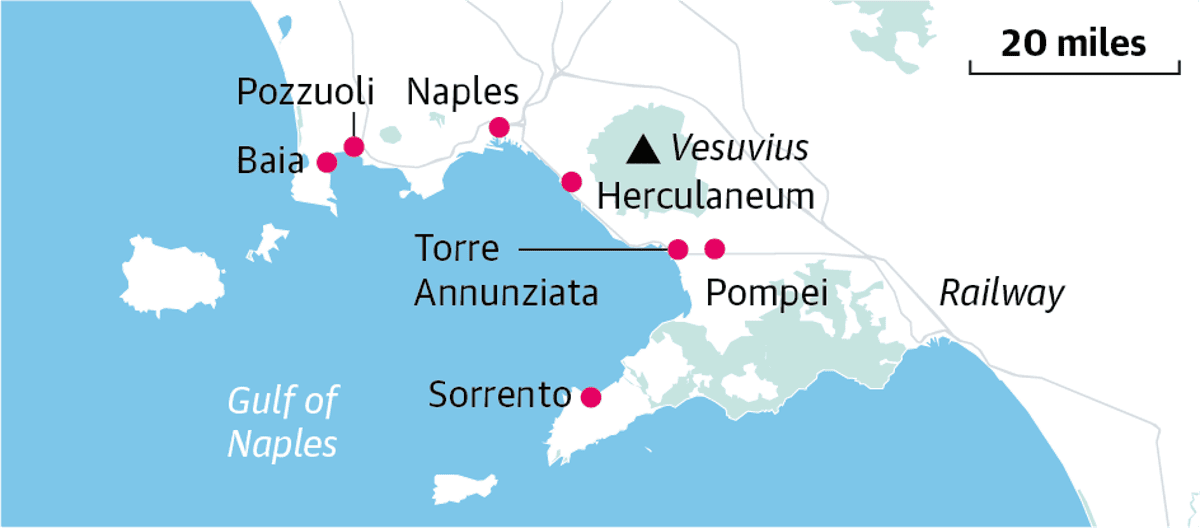
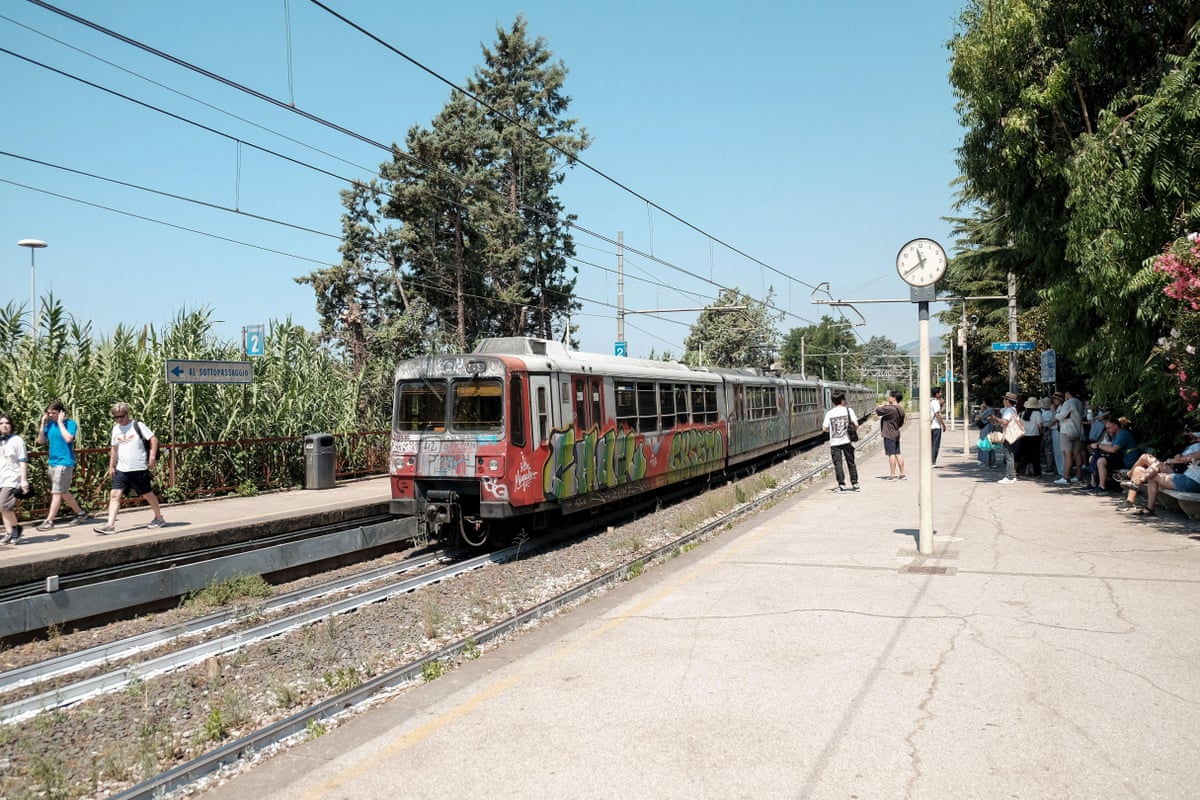
Naples is among the world’s oldest continuously inhabited cities, yet most visitors only glimpse a fraction before boarding the Circumvesuviana train at Porta Nolana, heading east to Pompei or Herculaneum. In Below the Clouds, Rosi remains onboard, camera in hand, traversing the seismic landscape from the Sorrentine peninsula, dominated by Vesuvius to the east, to the lesser-known craters of the Phlegraean Fields in the west. The train, Rosi explains, is
“my time machine.”His lens reveals the Naples that most visitors never see.
As a filmmaker who has lived and worked in Naples for 15 years, I was inspired by Below the Clouds to embark on my own pilgrimage, boarding the overcrowded, noisy trains I usually avoid.
Discovering Layers of History Along the Bay of Naples
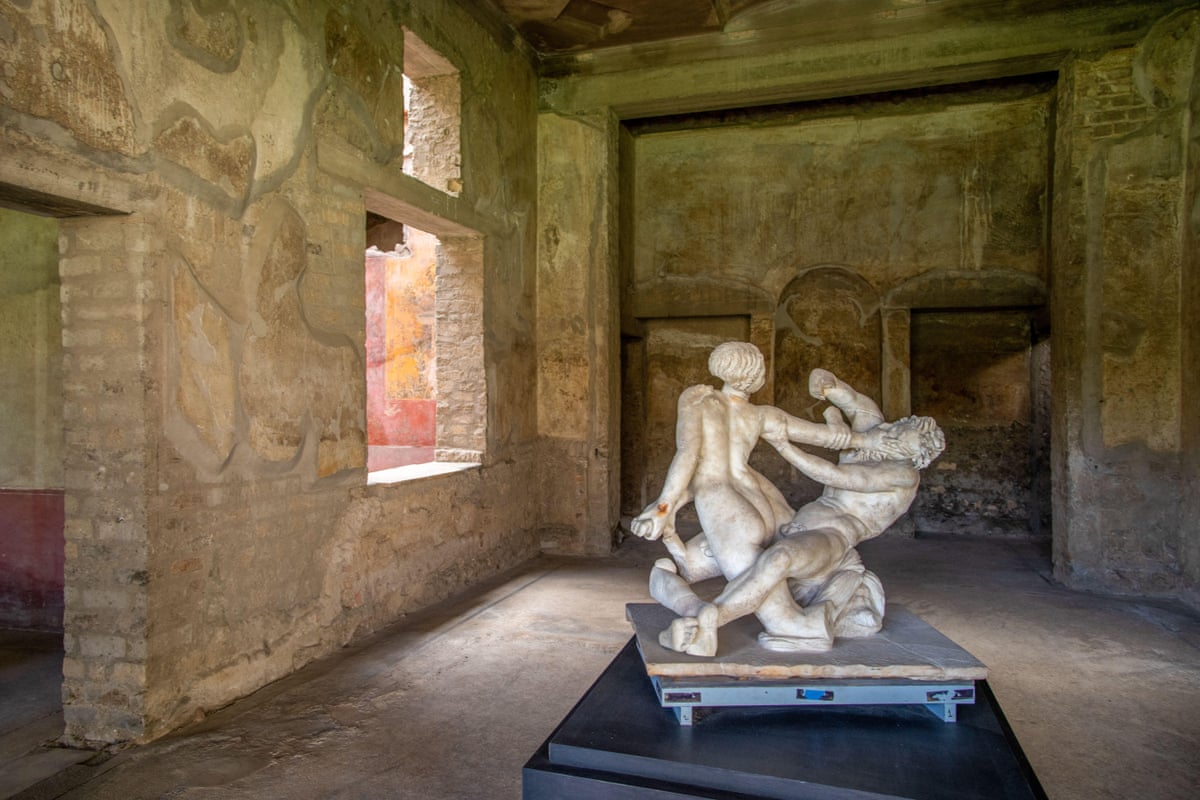
Before reaching Pompei, the Circumvesuviana skirts the Bay of Naples, passing through overlooked towns where history is visibly layered in architecture. Approaching Torre Annunziata station, Rosi’s camera focuses on the town’s historical strata: diamond-patterned Roman brickwork quarried from nearby volcanic stone, Doric columns from an excavated Roman villa, and mid-century residential blocks still inhabited above them. That Roman villa is a remarkable stop. Believed to have been built for Poppaea Sabina, Emperor Nero’s second wife, Villa Oplontis
“feels like a secret discovery.”Its frescoes remain nearly untouched, its colonnade pristine, and on this day, as always, scarcely another visitor was present.
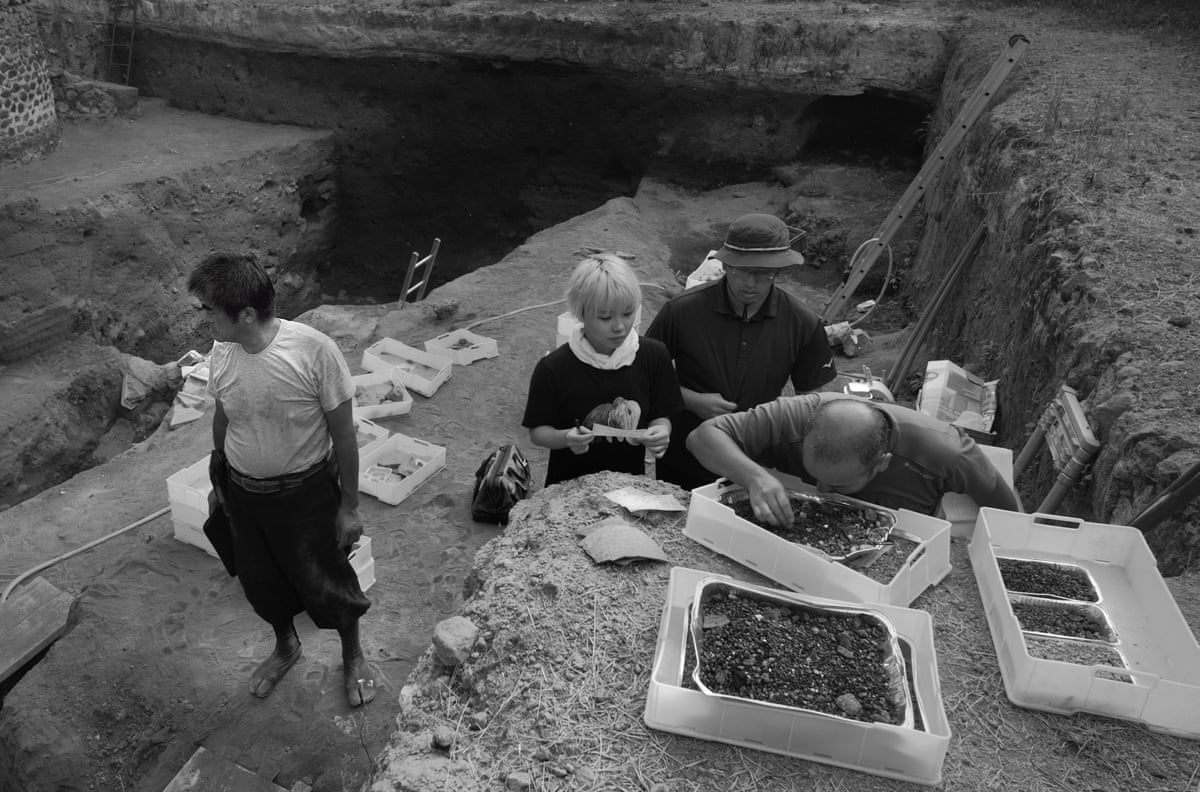
Continuing east on the Circumvesuviana, I traveled to Somma Vesuviana, where a University of Tokyo team has excavated for decades, gradually uncovering the imperial estate of Augustus, believed to be where the emperor died in AD 14. Unlike the great AD 79 eruption, this villa was buried by a later eruption in AD 472. The region’s archaeological treasures are so abundant that tomb raiders have long tunneled into the soft volcanic stone seeking artifacts to sell.
Exploring the Western Line to Pozzuoli and the Phlegraean Fields
A second train line, the Cumana, runs west from Montesanto station in central Naples to Pozzuoli in 25 minutes. Pozzuoli is a working port city of 75,000 residents situated in one of the world’s most geologically active calderas. While Vesuvius dominates popular lore, the Phlegraean Fields beneath Pozzuoli rumble daily, posing significant geological risks.

Stepping off the train at Pozzuoli, I was immediately struck by the pungent sulphuric smoke drifting over the port. I had timed my arrival for a simple lunch at a local favorite, a fish restaurant serving catches landed that morning, before visiting the Macellum, a 2nd-century Roman market near the harbor. Here, I observed the clearest evidence of bradyseism—the movement of magma and gas beneath the Earth’s surface that causes land to rise and fall, sometimes submerging or elevating entire towns over centuries. Halfway up the ancient columns, I noticed bands of small holes bored by molluscs when the columns stood meters below the bay.
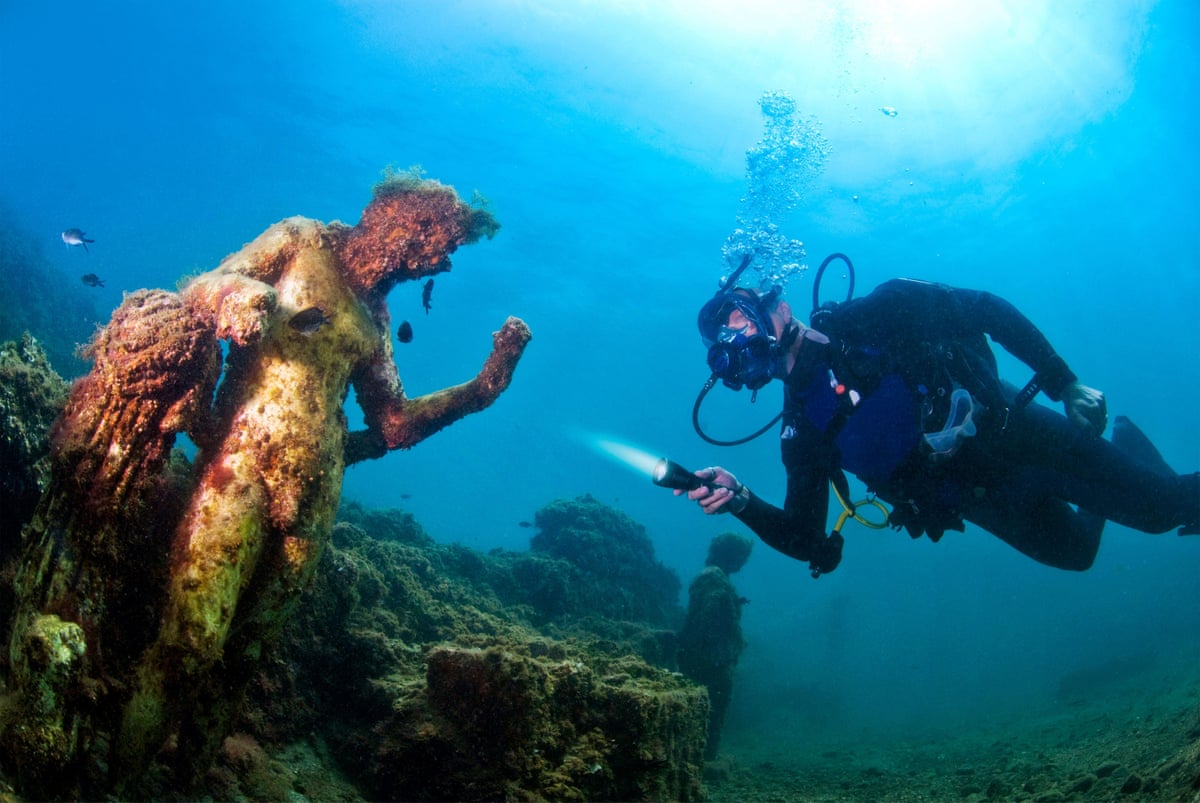
Rosi’s camera follows this phenomenon underwater, descending into the submerged ruins of Baia, where robed marble figures stand upright on the seabed as shoals of fish drift over mosaics and between their feet.
Naples: The Intersection of East and West
Between the east and west lines lies Naples itself, known to the Greco-Romans as Neapolis (meaning “new town”) because it was newer than Pompei and Baia. In the city center, at the Naples National Archaeological Museum, Rosi films Maria, an archaeologist, working deep in the storage vaults. This area, which Rosi calls the casaforte (the safe of memory), contains shelves upon shelves of fragmented marble torsos, legs, and busts—the overflow from 2,000 years of excavation. Maria explains these artifacts remain here until it is their turn to be displayed in the museum above. Rosi suggests this storage reflects societal hierarchies. Like Rosi, I am fascinated by these marble figures, survivors of catastrophe, displayed upstairs alongside frescoes and bronzes, all recovered from the volcanic earth that buried thousands under Vesuvius.
Rosi contrasts these marble torsos with shots of dismembered ex-voto—small metal plates shaped like body parts. These are offerings left in churches or street shrines alongside prayers to saints in exchange for bodily cures.
At the small church of Santa Maria della Neve in the Quartieri Spagnoli, one of my favorite city neighborhoods, hundreds of ex-votos shaped like pregnant women have been left for the saint of fertility. These enduring practices illustrate the Neapolitan tendency to blend the sacred and the profane.
Ending in Ruins and Reflections
Rosi’s film concludes in an abandoned cinema along the train line, its seats destroyed and screen partly intact. Into this ruin, Rosi projects clips from Roberto Rossellini’s Rome, Open City, a film about the past, shown in a ruin, in a city built on ruins, above a city once buried itself. Like a macchina del tempo (a mythical 1950s invention said to broadcast historical events), the cinema is where the present becomes the past even as you watch. Just like Naples. Just like Below the Clouds.
By the film’s nearly two-hour runtime end, viewers have made a journey akin to those descending into the Teatro Romano’s foundations in Herculaneum to witness and reflect on a civilization buried mid-sentence. Below the Clouds insists this encounter does not require a museum ticket.
“We are already living inside the catastrophe,”says Rosi.
Visiting Today
Pompei: Below the Clouds is available on Mubi. The Villa Oplontis, Macellum of Pozzuoli, and other sites remain open to visitors. The Circumvesuviana line runs from Napoli Porta Nolana east to Pompei and Herculaneum, while the Cumana line runs from Montesanto station west to Pozzuoli. Sophia Seymour offers bespoke city walks and itineraries through Naples, exploring these hidden wonders.


