

Return to the Spotlight
In an Indian city, a modest, slightly disheveled comedian steps into the spotlight for the first time in months. Tousle-haired and wearing a checked shirt, Samay Raina half-smiles on stage, as if a punchline is already ready to be delivered. The audience laughs even before he begins speaking.
Until a year ago, Raina was at the pinnacle of India's rapidly growing comedy scene, boasting millions of online views and sold-out shows across India and internationally. His flagship YouTube show, India's Got Latent—a rough, exuberant parody of talent competitions—had become an online sensation, blending absurd humour with sharp improvisation that resonated with a generation raised on streaming culture.
The Controversy
However, a joke made by someone else on the show brought his career to a sudden halt. The trouble began when one of the guests, podcaster Ranveer Allahbadia—better known as BeerBiceps to his millions of followers—asked a contestant an explicit and widely criticised question.
Police complaints were filed alleging obscenity, and a case was registered against the participants, including Raina. The situation escalated when Raina's editor was arrested, leading him to remove the entire series from online platforms.
The controversy nearly ended his career. For months, he remained largely off camera, avoiding public appearances.
Reclaiming His Voice Through Humour
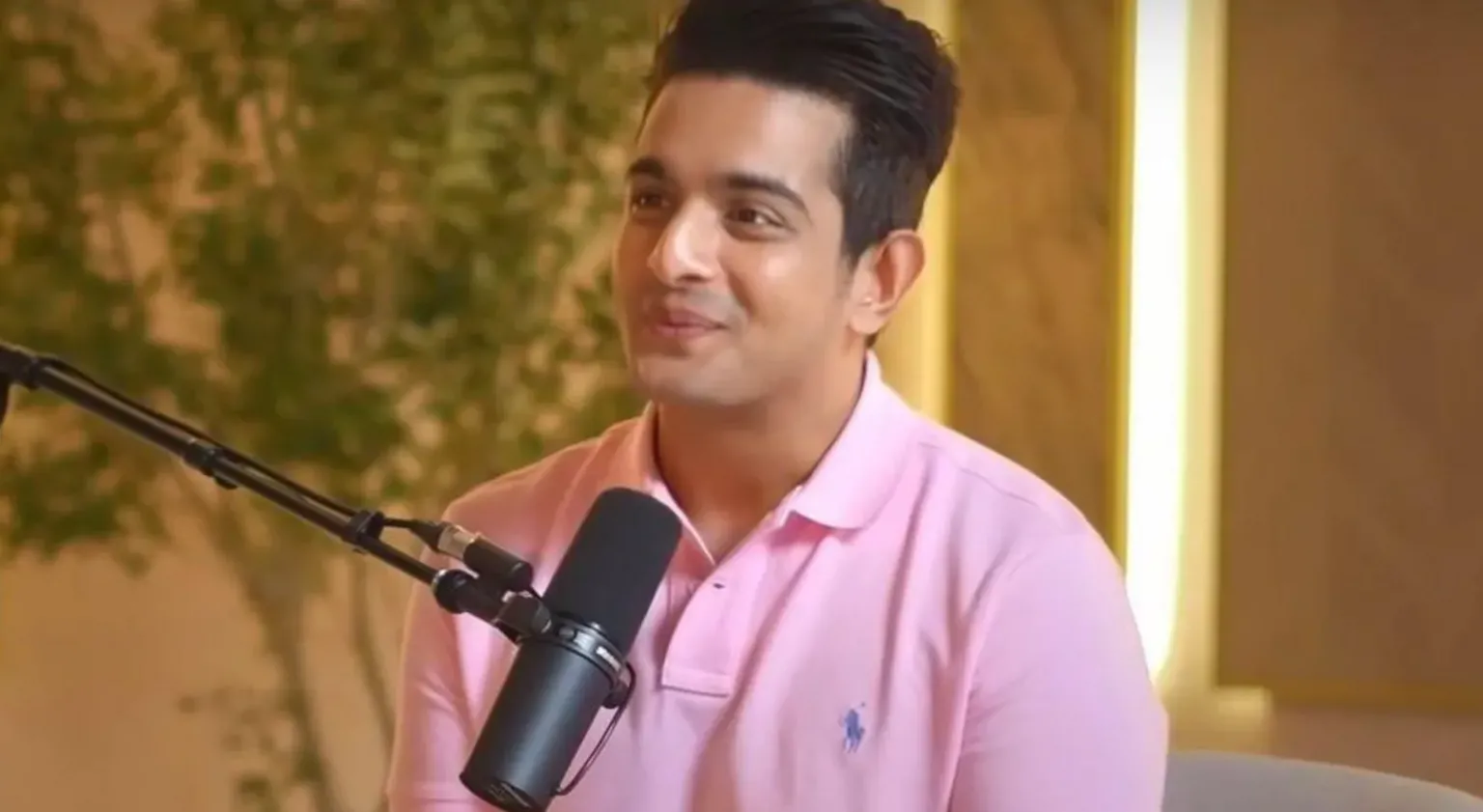
Now, at 29 years old, Raina has returned, using the very medium that challenged him—humour—to reclaim his place in the spotlight. Earlier this week, he released Still Alive, a YouTube stand-up special that critics have described as his boldest and most personal work to date.
The set combines humour and introspection, addressing his professional hiatus and the volatility of online fame: the complexities of building a public identity in today's internet culture; the particular anguish of losing it all; and the vulnerability he experienced throughout.
Once known for brash and unapologetic comedy, his humour now carries a quiet melancholy, yet it lands with the precise timing of someone who has learned how to endure.
"I always knew there'd be an FIR [police complaint] against me one day,"
he jokes ruefully.
"I just never thought it would be for saying nothing."
Unconventional Beginnings
Raina's path into comedy did not follow the traditional route. Unlike stand-up comedians who emerged from small clubs in cities like Mumbai and Bangalore, Raina was a product of the internet.
A competitive chess player, he began streaming games online during the pandemic. What followed was unexpected. Streams that started as focused chess sessions gradually evolved into more spontaneous content, with Raina interspersing gameplay with jokes and self-deprecating commentary, often engaging directly with live chat participants.
His jokes—fluidly switching between Hindi and English, rich with sarcasm and rooted in everyday observations—helped him rapidly build a large online following.
India's Got Latent: A New Comedy Format
India's Got Latent was Raina's next major step: an anti–talent show that mocked its own premise. Contestants performed for laughs while judges roasted them mercilessly. The production was scrappy, and the comedy style—expletive-laden, raw, and unhinged—upset some but was adored by millions of fans.
The guest list was as eclectic as the format itself: fellow stand-ups, YouTubers, chess players, and various internet personalities, all drawn into Raina's loose, improvisational orbit. For audiences accustomed to polished television comedy, the impact was electric: humour unbound by censors, messy, daring, and alive in real time.
That was both the show's charm and, eventually, its downfall.
Backlash and Silence
When the episode featuring Allahbadia sparked backlash, the response was swift. Raina's YouTube channel went silent. Collaborators distanced themselves, and even some loyal fans expressed disappointment.

In the months that followed, Raina largely withdrew from public view. Friends and fans speculated about his absence, and within India's comedy circles, his name became shorthand for the risks associated with online fame.
Addressing the Hiatus in Still Alive
In Still Alive, Raina confronts his hiatus with a blend of self-deprecation and defiance. He jokes about the defamation suit, friends who stopped calling, and the peculiar loneliness of being cancelled in the age of social media, where one's value is measured in real-time metrics.
In one of the special's more poignant moments, Raina discusses battling anxiety before performances, admitting that the pressure of returning to the stage often left him physically shaken. Moving clips of him describing feeling "broken" and struggling to answer his mother's calls have since gone viral.
Reflecting Broader Trends in Indian Comedy
Raina's experience reflects a broader shift in Indian comedy. What was once a small, urban, English-speaking circuit has expanded into a far larger, more diverse scene powered by platforms like YouTube and Instagram, enabling comedians to reach millions directly. Live shows have also surged, attracting large audiences across cities and smaller towns, with regional-language comedy playing a significant role in this growth.
However, this expansion has brought new pressures. Comedians today face greater visibility and scrutiny. In recent years, several have encountered police complaints, legal actions, and, in some cases, arrests over their material.
The Fragility of Online Comedy
In Still Alive, Raina highlights the delicate balance of comedy in the digital age: how jokes, once released online, can travel far beyond their original context, acquiring new meanings and sometimes serious consequences.
At one point, he riffs on George Orwell's famous line that "every joke is a tiny revolution." With his characteristic mix of irony and resignation, he adapts it to his own experience:
"If Orwell had lived in India,"
Raina adds, pausing for effect,
"he'd probably have said—every revolution is a tiny joke."
The line elicited one of the night's loudest laughs.
Adjusting Without Reinventing
Rather than reinventing himself, Raina appears to be refining his approach—testing how far his loose, spontaneous style can go without crossing boundaries.
This is a tightrope walk faced by many young Indian comedians: maintaining authenticity in a medium that rewards spontaneity, while performing for a vast, diverse audience that is quick to judge.
There is no clear resolution to this chapter in his career. The controversy has not entirely faded, and the risks of boundary-pushing comedy remain.
But if Still Alive is any indication, Raina is less focused on closure than on continuation. For fans, the special is not an apology but a reaffirmation—of his voice and his refusal to be silenced.
"I'm still here,"
he says near the end, with a shrug that balances defiance and a punchline,
"and I am going to do whatever I want."


