Introduction to a Unique Academic Encounter
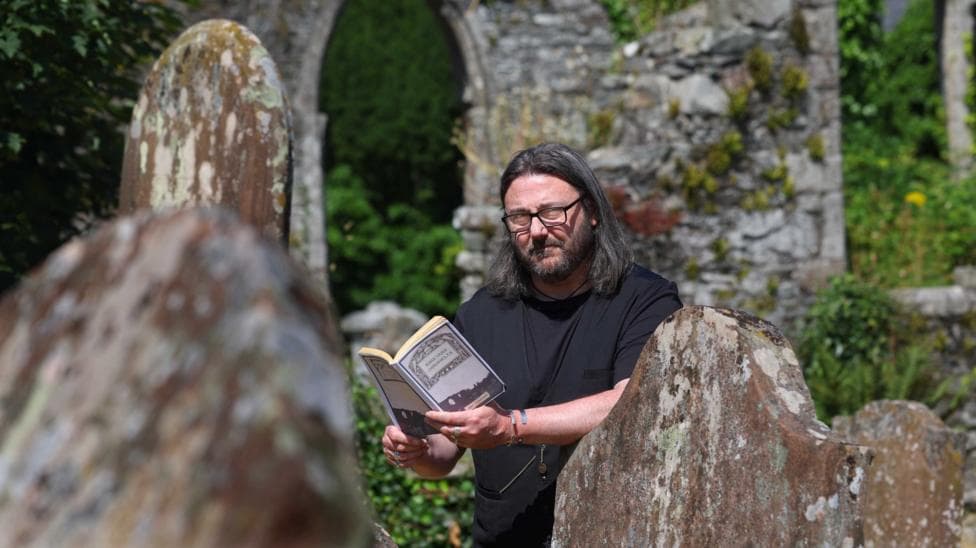
When Caroline Bicks first met Stephen King, she was apprehensive. As a teenager, his novels had terrified her—particularly Carrie and The Shining, which lingered in her mind long after reading. Yet, she found herself in the unusual role of Stephen E King professor at the University of Maine. King had endowed the chair at his alma mater in 2016 to promote literary studies, and Bicks, a Harvard-trained Shakespeare specialist, wondered what she and King could share beyond a name.
Initially, her employers instructed her not to initiate contact with King. However, four years into her tenure, she received a phone call from "Steve," who turned out to be unexpectedly warm and approachable. Bicks recalls,
"I couldn’t believe it. The man responsible for terrifying generations of readers – including me – was so … nice."While not a typical meet-cute, it marked the beginning of a promising relationship.
Exploring King’s Archive: A Year of Literary Investigation
This book is Bicks’s detailed account of the year she spent with King’s archives, after receiving his permission to study drafts of five of his most acclaimed novels, including Pet Sematary, The Shining, and Carrie. Her focus is on uncovering what she terms King’s "biblio‑magic"—the deliberate selection and placement of words designed to evoke physical reactions in readers. She aims to understand how King induces accelerated heartbeats, queasy stomachs, and sweaty palms. King himself described his craft in his 2000 classic On Writing as "telepathy in action," and Bicks seeks to capture this phenomenon in practice.
The Richness of King’s Manuscripts
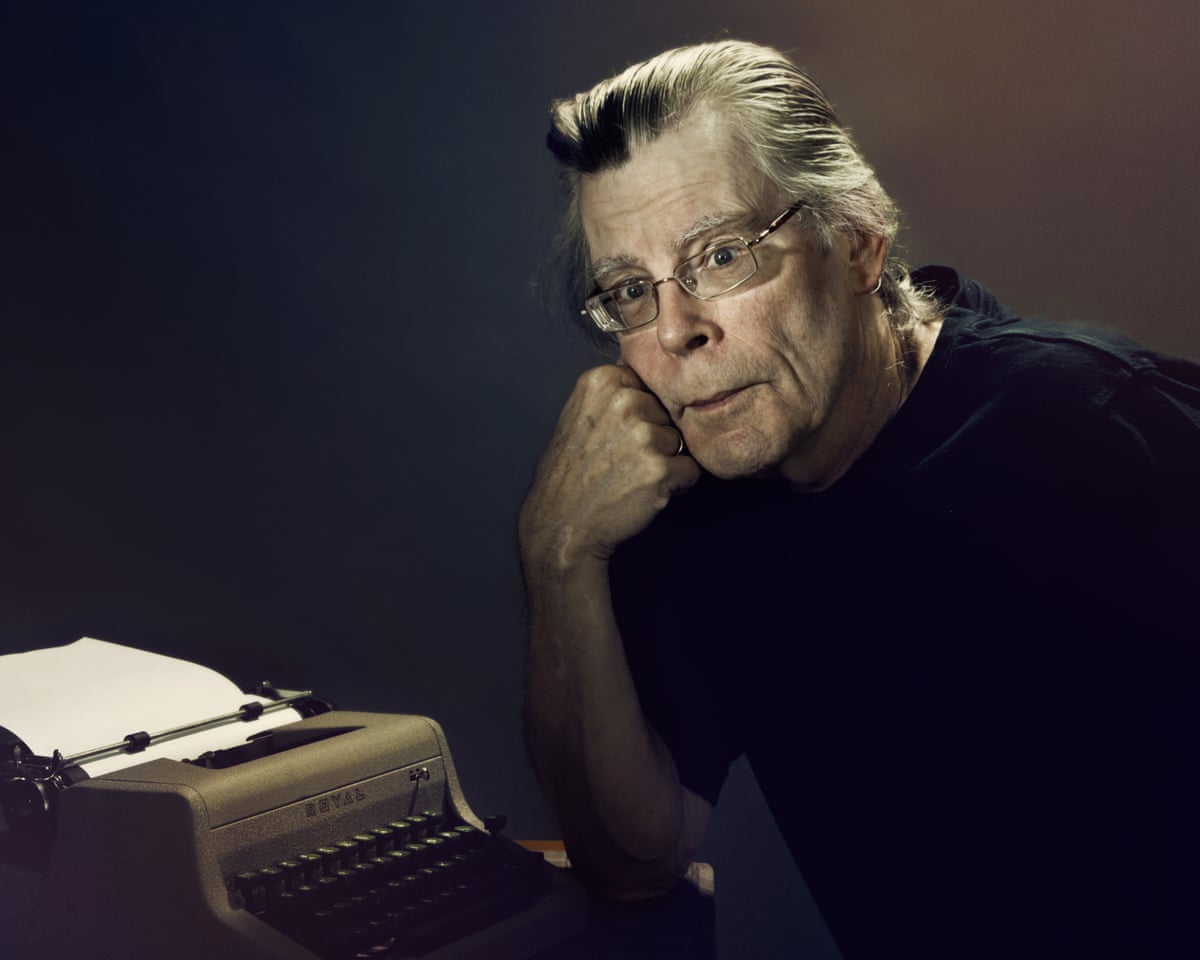
King’s archive is housed in his Bangor, Maine home, which he and his wife, Tabitha, purchased in 1980. Two professional archivists maintain his working papers, which are meticulously catalogued and preserved in a climate-controlled setting. Since King began writing before the era of digital editing, the archive primarily consists of multiple typewritten drafts created on Tabitha’s portable Olivetti typewriter. These early manuscripts are enriched by handwritten notes, in-text corrections, and exchanges with copy editors, culminating in final proofs. This layered documentation offers a treasure trove for literary scholars.
Close Reading: The Case of Pet Sematary
Bicks quickly identifies examples of King’s precise word choices in the editorial revisions of Pet Sematary, his 1983 novel often regarded as his bleakest and most terrifying work. Early in the book, a pile of fallen branches transforms into moving bones. In an early draft, King wrote "fingerbones clittered." The copy editor questioned the word, asking,
"Word OK?"King responded,
"Word OK. A clitter is a very soft, ghostly clatter."The subtlety of "clitter" conveys a more eerie and unsettling sound than a harsher noise might.
In the same manuscript, King defends his use of the word "rattly" to describe the labored breathing of the dying two-year-old protagonist, Gage Creed. The copy editor suggested "congested" as a replacement, but King insisted on "rattly," explaining its deeper connotations:
"Rattly contains within itself a whole ghastly set of subliminal associations including scavenging vermin and unquiet ghosts with their infernal chains. Congested is something a coroner would write."

Balancing Literary Analysis and Biography
Such detailed textual analysis is typically associated with academic literary criticism, making its presence in a book aimed at King’s fans somewhat unexpected. Yet Bicks skillfully combines these close readings with biographical insights gathered from her conversations with King, both in person and via email. For example, when she inquires why the margins on early drafts are so narrow, King explains it was a cost-saving measure. In the early 1970s, King and Tabitha were financially strained. He worked as a high school teacher and took extra shifts at a launderette, while Tabitha worked nights at Dunkin’ Donuts. Paper was a precious commodity, especially given King’s prolific output, much of which ended up discarded.
King’s Frugality and Early Career Challenges
King’s thriftiness persisted even after achieving success. He recounts to Bicks an incident involving the final draft of The Dead Zone (1979), which was accidentally taken by a woman at the airport who mistook his bag for hers. The manuscript was only recovered after a cross-country effort. This episode underscores the risks of not having backup copies, yet King’s frugality remained.
King’s breakthrough with Carrie in 1974 felt uncertain at first. Despite publishing short stories for eight years and completing three unsuccessful novels, the acceptance of Carrie was a turning point. The acceptance news arrived by telegram due to a disconnected phone line. The Kings were able to upgrade from their trailer to a flat. The paperback rights sold for $400,000, enabling King’s mother, Ruth, who had raised him alone, to leave her low-paying job. Tragically, Ruth King died of cancer within a year, even as Carrie sold a million copies.
Analyzing Carrie: Adolescent Brainwork and Transformation
Bicks’s academic background in Shakespearean studies informs her analysis of Carrie. One of her previous works, Cognition and Girlhood in Shakespeare’s World, examines the interior lives of adolescent female characters such as Juliet and Ophelia, highlighting their developing brains as catalysts for vital thematic explorations of body, soul, faith, and salvation. She applies this lens of "brainwork" to Carrie, a novel centered on a schoolgirl whose first menstruation triggers a violent expansion of telekinetic powers.
Of particular interest to Bicks is the contrast between King’s two main drafts of Carrie. In the earlier draft, Carrie’s body becomes monstrous: horns sprout from her forehead, and her skull elongates until she resembles a lizard. Her revenge culminates in widespread destruction, including downing a passenger plane. King told Bicks that this draft was inspired by the 1957 schlock film The Brain from Planet Arous. The second draft aligns more closely with the published novel, focusing on Carrie’s consciousness as the narrative’s "centre of gravity," engaging dynamically with other characters.
Conclusion: A Rewarding Study for Dedicated Readers
Some of King’s devoted readers may find themselves skimming the more academic sections to reach biographical anecdotes, such as his early struggles with alcoholism or his opinion that Jack Nicholson was miscast in Stanley Kubrick’s adaptation of The Shining. However, for those willing to engage with Bicks’s erudite exploration of King’s creative process and literary monstrosity, this book offers a rich and original perspective.