Discovery of Wogan Cavern Beneath Pembroke Castle
A cave concealed beneath the 11th Century Pembroke Castle in Pembrokeshire has been identified as a "truly remarkable site" by researchers, with the potential to significantly alter the understanding of Britain's prehistoric past.
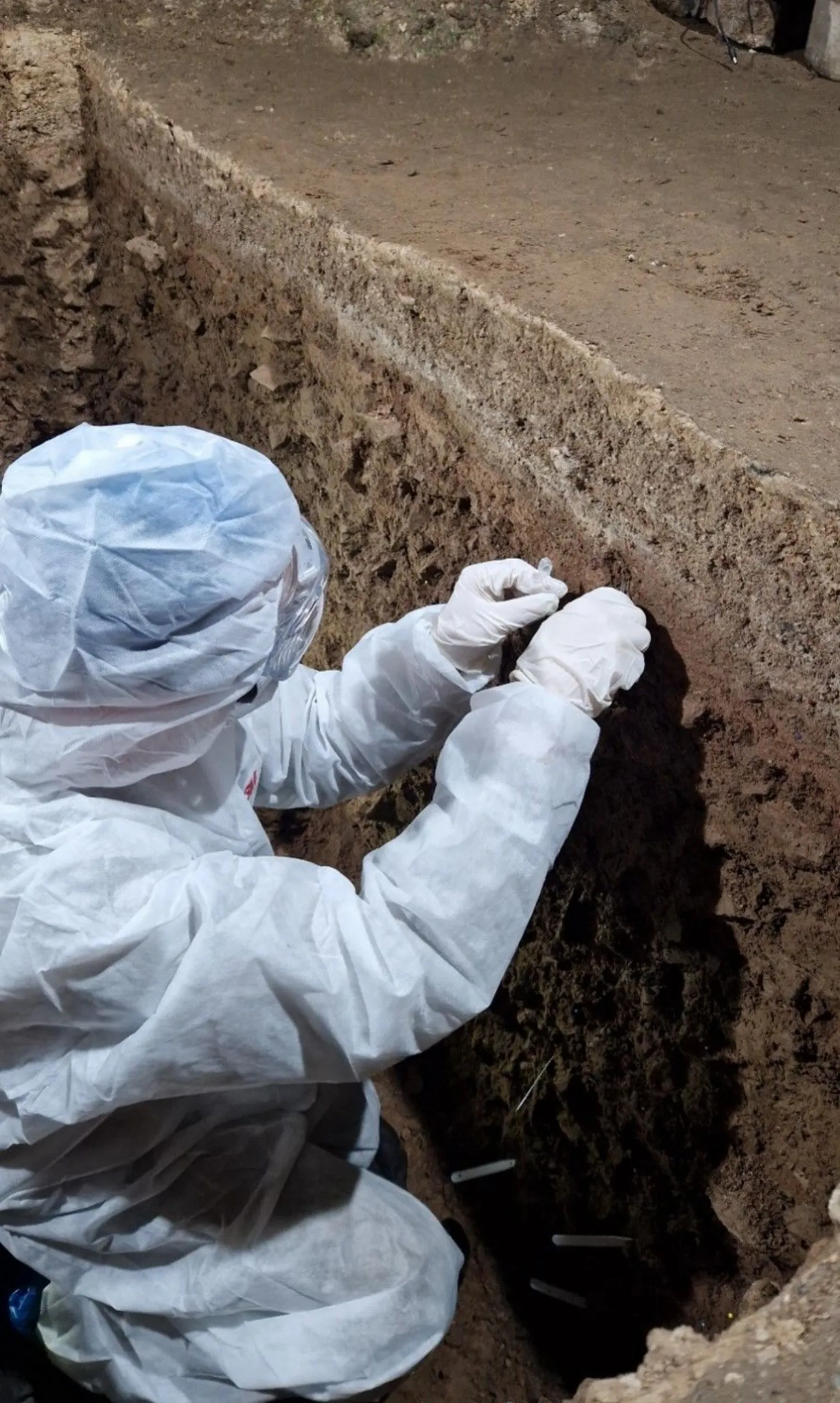
Initial small-scale excavations within the cave, known as Wogan Cavern, have revealed "extremely rare" evidence of early human and animal presence, including the remains of a hippopotamus that inhabited Wales approximately 120,000 years ago.

University of Aberdeen to Lead Extensive Exploration
The University of Aberdeen is set to spearhead a comprehensive five-year investigation of the site. Archaeologists anticipate that this extensive exploration will uncover substantial information about early prehistoric human ancestors.
"There is no other site like it in Britain – it is a once in a lifetime discovery," said Dr Rob Dinnis from the University of Aberdeen.
Wogan Cavern, accessed via a spiral staircase from Pembroke Castle and believed to have been excavated by Victorians, measures 23 meters (75 feet) in length and reaches heights of up to 10 meters (32 feet), leading to its description as "enormous."
Findings from Excavations Between 2021 and 2024
Previously, it was assumed that the site contained minimal archaeological material. However, excavations conducted between 2021 and 2024 uncovered evidence of human and animal activity spanning over 100,000 years. Discoveries include stone tools and well-preserved bones of mammoths, hippopotamuses, and woolly rhinoceroses.

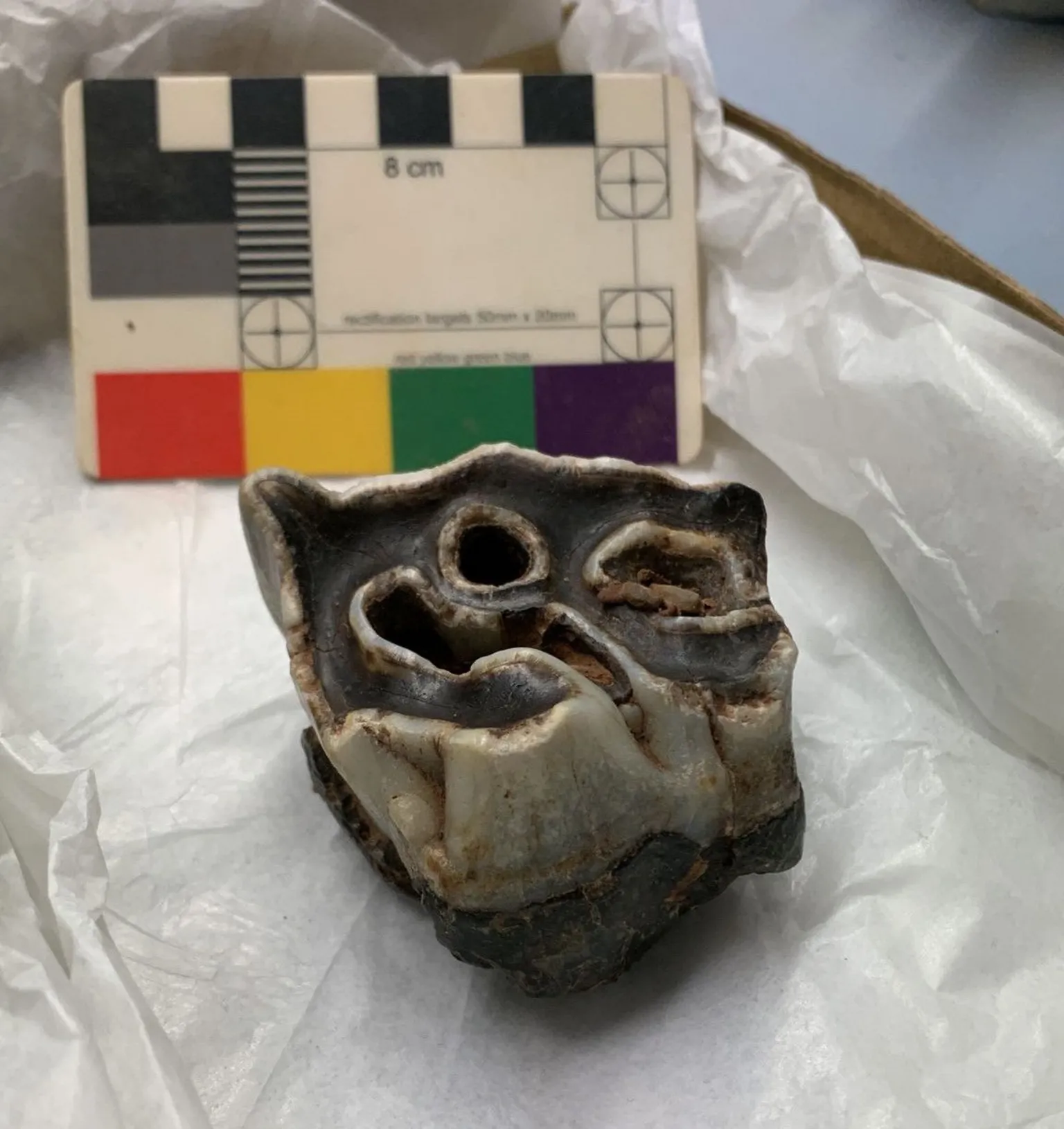
Researchers have identified the cave as emerging among the most significant prehistoric archives in Britain due to the quality and range of findings.
Insights from Dr Rob Dinnis
Dr Rob Dinnis, who directed the initial excavations and will lead the forthcoming project, expressed optimism regarding future discoveries.
"Despite the limited work done so far, we can already say that Wogan Cavern is a truly remarkable site," he said.
"Not only is there extremely rare evidence for early Homo sapiens, there are also hints at even earlier human occupation, probably by Neanderthals.
There is no other site like it in Britain – it is a once in a lifetime discovery. With this new project we can learn a great deal about our early prehistoric forebears, about how they lived and what their worlds looked like.
We are optimistic that the cave can chart a long sequence of human activity, from hunter-gatherers living there immediately after the last Ice Age around 11,500 years ago, back to Britain's earliest Homo sapiens between 45,000 and 35,000 years ago, and maybe also earlier traces likely left by Neanderthals.
We have also found hippo bones, which probably date to the last interglacial period, around 120,000 years ago. The site could therefore tell us about how multiple changes in climate and environment affected people living there over 100,000 years or more."
Collaboration and Preservation Efforts
The University of Aberdeen will lead the excavation with support from the Pembroke Castle Trust, which has committed to curating and preserving the discoveries made within Wogan Cavern locally in Pembroke.
Significance for Pembroke Castle
Pembroke Castle, known as the birthplace of Henry Tudor and a prominent tourist destination, views the project as a significant new chapter in its historical narrative.
Jon Williams, the castle manager, commented on the development:
"This is incredibly exciting news for everyone at the castle," he said.
"We have watched with great interest as Wogan Cavern has started to reveal its secrets – it's very different from the medieval history we usually deal with at the castle."
Upcoming Excavations
The new phase of excavations is scheduled to commence at the end of May.