

Exploring Magic in Ancient Cultures
Objects believed to possess magical properties are featured in an exhibition examining how ancient civilizations sought to influence their surroundings through magic.
From ancient amulets designed to protect newborns, to love spells intended to secure romantic bonds, potions available today at apothecaries, and even modern perfumes like Chanel used to enhance allure, humans have historically and continue to employ magic to fulfill their desires. The exhibition Cursed! at the Toledo Museum of Art delves into the use of magic in ancient Mesopotamia, Egypt, Greece, and Rome.

The Universal Desire for Control
“Magic is in all societies, it’s a very basic human desire, to want to have some control over your world,”
said show curator Dr Jeffrey Spier, a former senior curator with the J Paul Getty Museum.“There’s always been a desire to use some hidden power to get what you need.”
Dr. Spier explains that magic originated in ancient Mesopotamia and Egypt as these literate societies began documenting spells.
“The way it’s handed down and taught in Egypt and Mesopotamia is very literary,”he noted. Spells and magical objects were integrated into daily life and widely disseminated through items like figurines and amulets.
“This is practical magic,”Spier emphasized,
“these are things that people are actually using.”
Practical Uses of Magic
Magic in these ancient cultures served everyday purposes. One prevalent spell aimed to undermine an adversary in a lawsuit, reflecting the anxiety such disputes caused.
“The stress must have been terrible, so you’d go to a magician and say, ‘I need to survive this lawsuit,’”Spier said. Among the artifacts in Cursed! is a red jasper piece from Paris, historically used to protect against colic and other stomach ailments.
Spells to shield newborns from demons were also common, given the high child mortality rates of early societies.
“Lamashtu was this horrible demon who would harm babies or women in childbirth,”Spier explained,
“which of course was a huge concern. So you would invoke this other demon, Pazuzu, for protection.”
Love Spells and Their Coercive Nature
Love spells featured in the exhibition reveal a darker aspect of ancient magic.
“These spells were to force you,”Spier said,
“they’re not Valentines. They’re very coercive. A man would find a spirit of the dead who would force a woman to come to him. They’re horrifying when you read them.”
Accessing Magic in the Ancient World
Hiring a magician was straightforward; one could visit a local marketplace to find a practitioner and pay for their services. In Ancient Greece, magicians even went door-to-door offering various forms of sorcery to improve lives. Plato referred to them disparagingly as “beggar priests” in The Republic.

Magic as Fashion and Empowerment in Rome
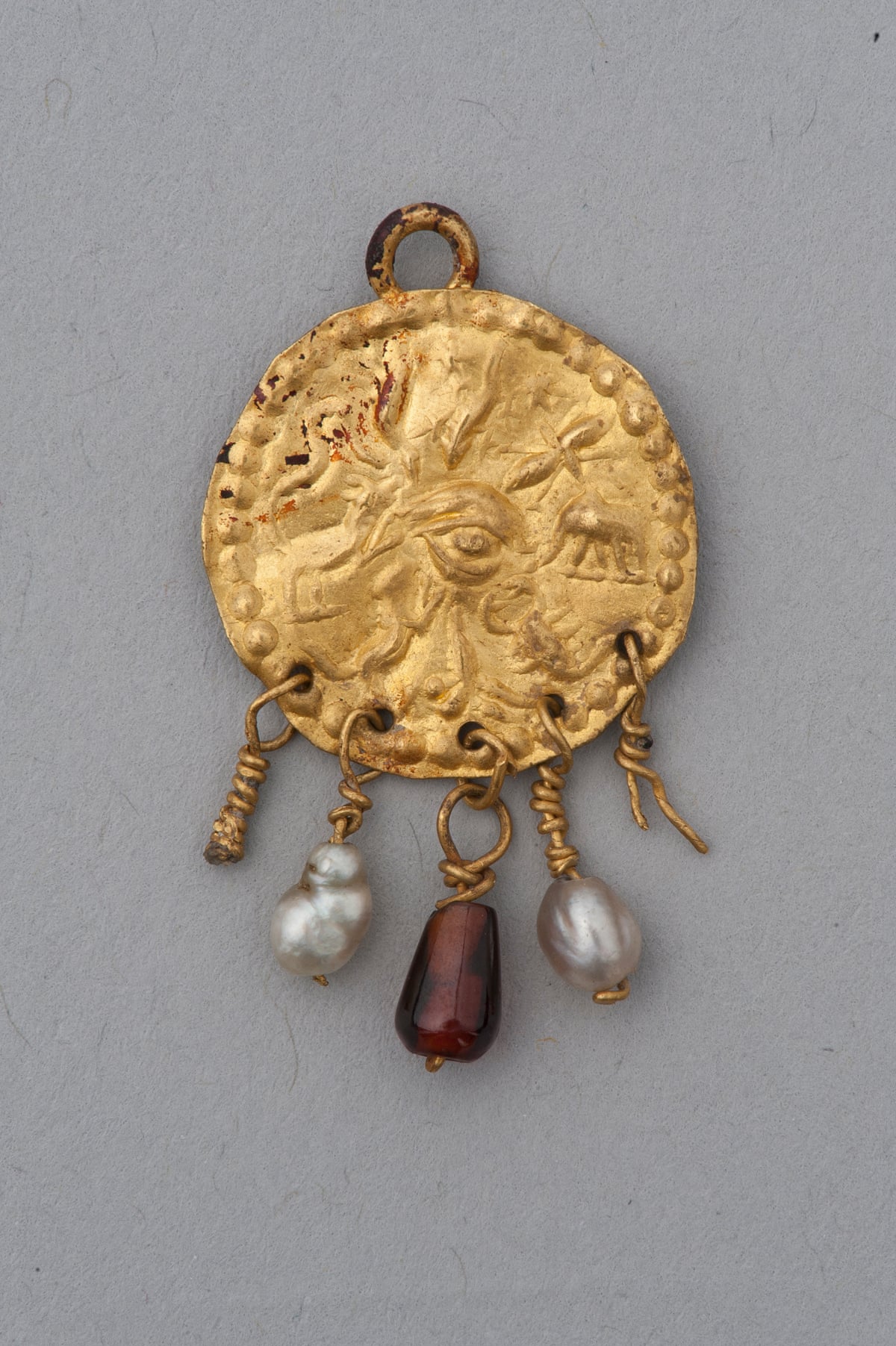
In Rome, magic became a widespread trend, particularly through special gemstones inscribed with enchantments.
“They took off across the whole Roman empire, they took off just everywhere,”Spier said.
“There was even a recent find in Bulgaria, in a Roman military camp on the far borders of the empire.”Young women especially wore such objects as necklaces, illustrating how magic intersected with fashion and served as a form of empowerment for socially marginalized groups striving for higher status.
Magic in Statecraft and Leadership
While often associated with marginalized groups, magic was also employed by rulers. In Mesopotamia and Egypt, where magic was embraced culturally, state priests created figurines of foreign enemies to be destroyed as a means of overcoming adversaries. Exorcists were summoned to expel demons believed to cause epidemics.
However, not all leaders welcomed magic. In Ancient Greece, where magic was stigmatized, the leader Pericles reportedly resorted to enchanted objects during the devastating plague of the Peloponnesian War.
“He shows off that some old woman is tying an amulet to his wrist,”Spier said.
“It’s like ‘look, this is the state that we’re in where I have to resort to this.’”Some accounts suggest Pericles died in the plague, underscoring the desperation of the times.
Cultural Exchange and the Spread of Magic
Although magic originated in Mesopotamia and Egypt, it spread to Greece and Rome through trade and Alexander the Great’s conquests. Spier noted that Alexander’s campaigns created a cultural melting pot, blending Egyptian, Babylonian, Greek, Syrian, and Jewish traditions.
“Everything changes after Alexander the Great, he takes over this whole area as far as Iran. We have a big mix of cultures – a mixing of Egyptian and Babylonian and Greek traditions – Syrians, Jews, they’re all interacting.”
Continuity of Magical Traditions
Despite the ancient origins, magical knowledge persisted throughout recorded history.
“What you’re seeing in Roman times will continue into Christian, medieval, and modern times. It’s only in the last hundred years that we’ve moved away and forgotten a lot of this.”
Modern Reflections of Ancient Magic
The exhibition Cursed! encourages visitors to reconsider contemporary practices through the lens of ancient magic.
“We’re still very much in this tradition, so you still see it permeating society, even these days,”Spier said.
“It’s in things like crystals or metals – like copper bracelets or magnets, those are very much ancient, too.”
Cursed! The Power of Magic in the Ancient World is on display at the Toledo Museum of Art in Ohio until 5 July.


