

Introduction to Arles 2026
Les Rencontres de la Photographie, widely regarded as the world’s most prestigious photography festival, continues to captivate audiences not through big names but through the extraordinary work of eccentrics, amateurs, and previously unknown photographers. The 57th edition of the festival offers a playful and quirky atmosphere, featuring a diverse range of exhibitions that challenge conventional photography hierarchies.
UFOs and Alien Encounters
One of the standout exhibitions this year explores UFO sightings and alien abductions, presenting a collection of visual “documents” drawn from private and public archives. These images, mostly dating from the 1960s to the 1980s, coincide with the peak period of UFO reports, particularly in the United States, which recorded the highest number of sightings in the last century.
Among the featured works is the story of Paul Villa, a mechanic from Albuquerque who, on 16 June 1963, claimed to have been invited via telepathic messages from an alien crew to photograph their spaceship. The resulting image depicts the flying object in the sky. This narrative parallels that of Swiss man Billy Meier, who reportedly saw his first flying saucer at age five and has since taken over 1,400 photographs of such phenomena. One of Meier’s photographs famously appears on the poster in Fox Mulder’s office in the television series The X-Files, accompanied by the phrase
I Want to Believe.
Despite the intriguing stories, most of these photographs have been revealed as the product of rudimentary tricks—such as dangling objects on strings—misidentifications, or accidental effects of analogue film. While amateur and often fabricated, the images engage viewers through their unique and idiosyncratic storytelling.
The exhibition also includes a film about the 1995 Ray Santilli pseudo-documentary Alien Autopsy, which features dubious black-and-white footage purportedly showing the dissection of the Roswell alien discovered in New Mexico in the 1940s. The film gained international media attention more than a decade after the release of ET. Notably, the journalist who broadcast the footage on French television appeared genuinely disturbed and stated at the time that he had not considered the possibility of it being fake. This exhibition underscores the powerful influence of belief, demonstrating how a strong desire to believe can make an image convincing regardless of its authenticity.
Celebrating Amateurs and Unknown Photographers
We Are Not Alone exemplifies how some of the most compelling shows at Arles come from amateurs and unknown photographers. This year’s festival features fewer large-scale exhibitions by major living artists, with more modest presentations by established figures such as [names omitted in original].
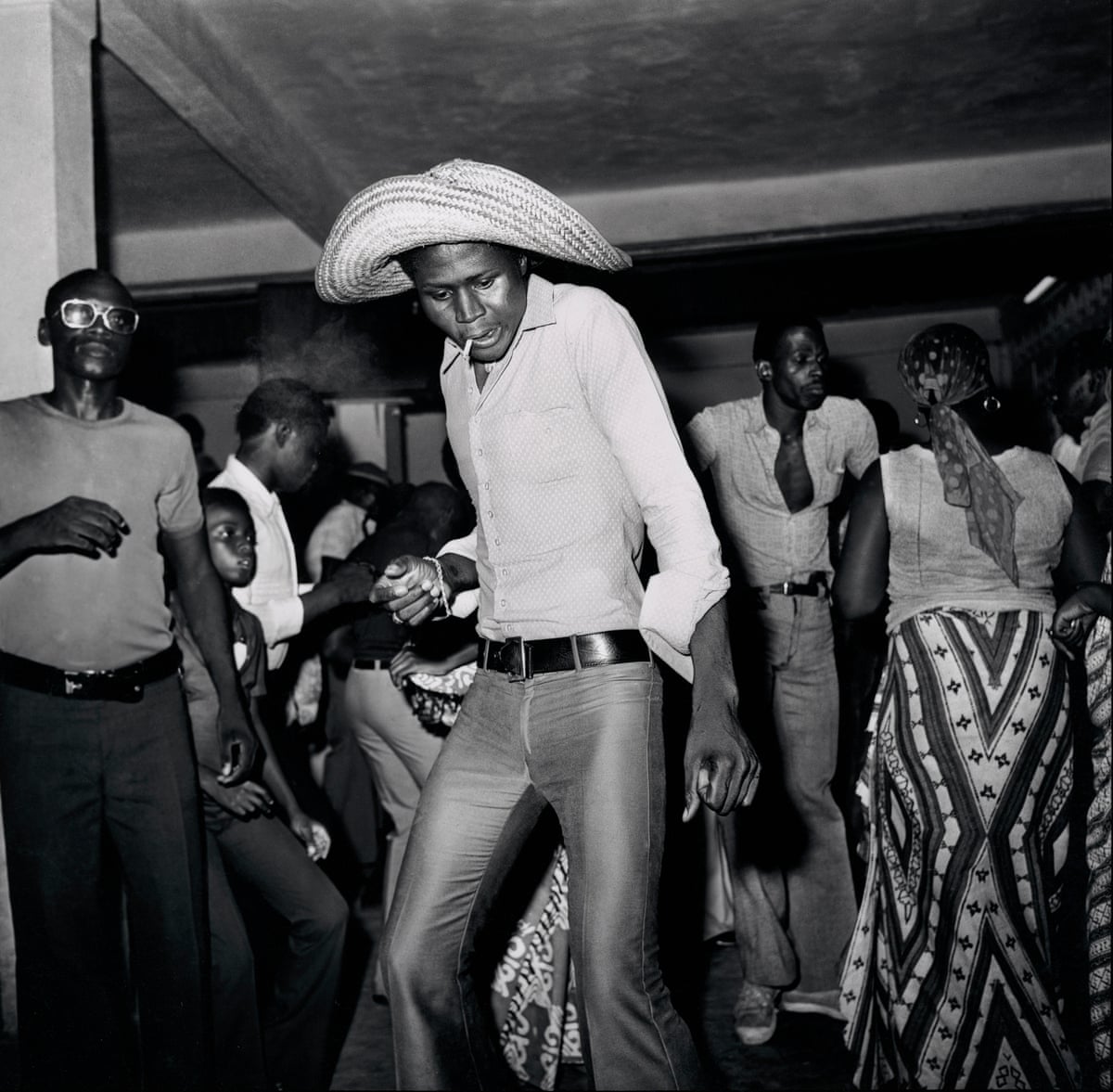
At La Croisière, the Ivorian photographer Paul Kodjo, who passed away in 2021, is honored with his first major solo exhibition in France. This show is the culmination of over 15 years of preservation efforts involving an archive of thousands of negatives.
Kodjo operated a studio in Abidjan, where he documented the city’s dance halls and fashion scenes. He was also among the first African photographers to produce “photo novels.” Central to this exhibition is a series of theatrically staged scenes depicting seduction, romance, and intrigue, created during the 1960s and 1970s for publication in a weekly Sunday paper. These photographic soap operas unfold in domestic settings, with titles such as Lost and Found. Their subtle sexual tensions, sharp stylistic choices, and hints of ambiguous behavior provide insight into the culture and social attitudes of Abidjan during a period of economic and cultural prosperity for the nation.
Animal Photography at Méchanique Generale
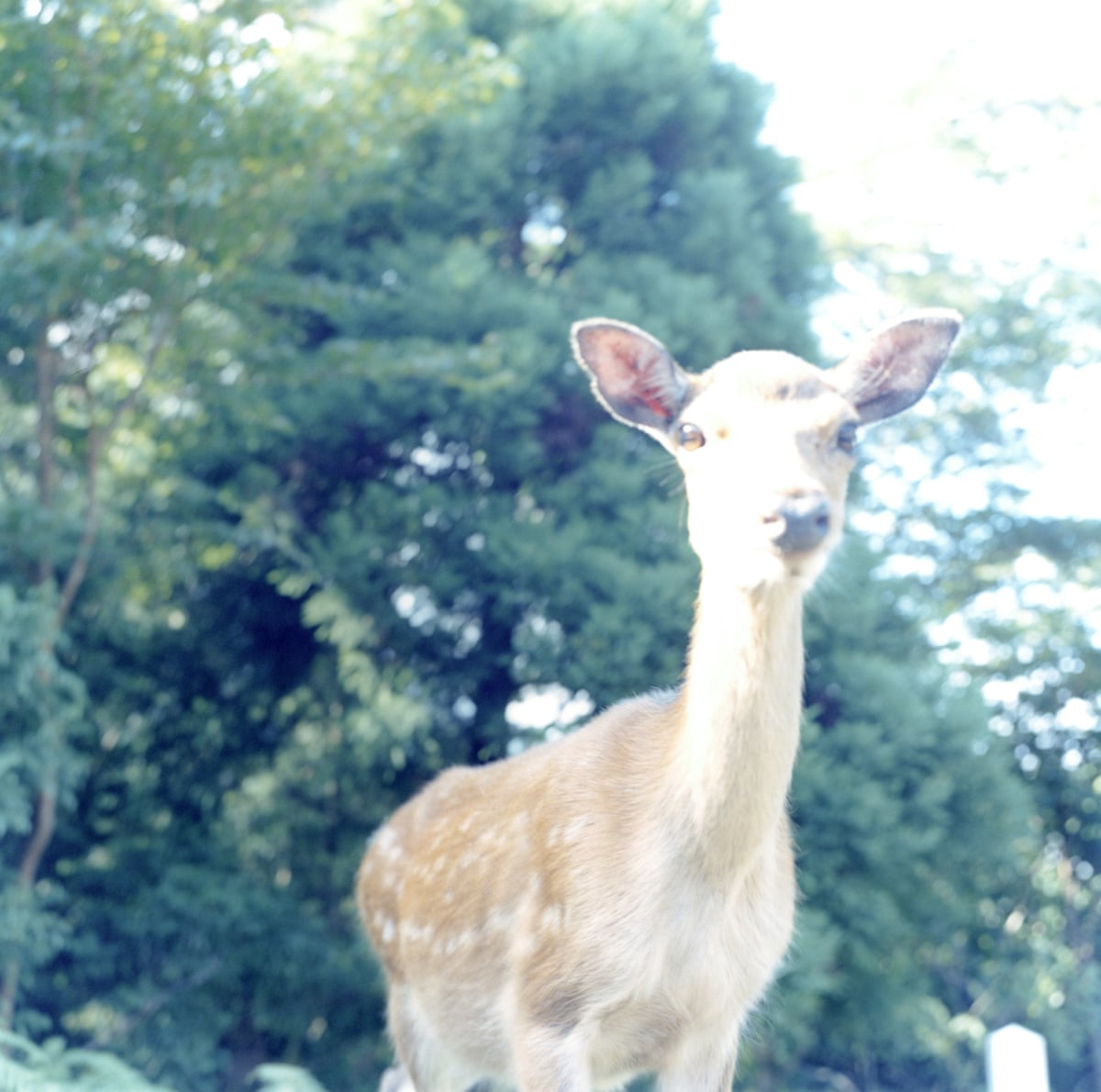
At Méchanique Generale, located within Luma Arles, the exhibition Animal Model surveys 200 years of animal photography. Although the subject might risk being clichéd, the curation is intelligent and engaging. The exhibition is divided into sections that explore themes ranging from 19th-century naturalism to contemporary TikTok videos featuring animals performing amusing and endearing acts.

This show offers fresh perspectives on serious artists such as Elliot Erwitt, Andreas Gursky, Roni Horn, and Hiroshi Sugimoto. The variety of styles, approaches, individual images, and series ensures a dynamic viewing experience.
Visitors can move from masterpieces like Rinko Kawauchi’s angsty and obsessive series about a symbolic bird and her personal struggles with mental illness, to photographs by Polish biologist Zbigniew Łój, who lived in a hut deep within the Białowieża Forest alongside a lynx and a wild boar for three decades. The exhibition encompasses moments of sadness, violence, and pure joy, and includes numerous photographs of cats. While some may consider this populist, the appeal is undeniable.
Nature, Sound, and Mysticism at Luma
The themes of coexistence and reimagining human relationships with nature resonate across several new exhibitions at Luma. Verena Paravel’s film Caniba challenges human perception by employing innovative camera and sound techniques that reveal usually inaudible natural sounds—such as crustacean clicks, underwater frog calls, and the friction of reeds—placing them on equal footing with human noise.
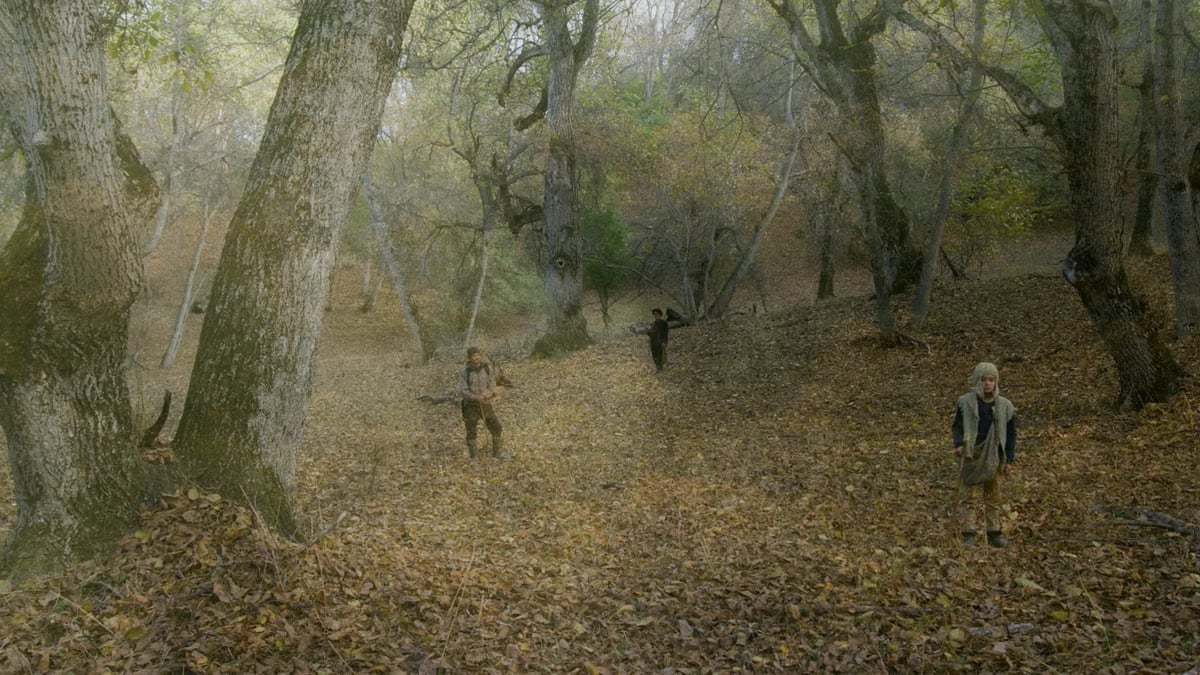
Simultaneously, Uzbek artist Saodat Ismailova presents Amanat, The Sacred Forest, a poetic and immersive exhibition combining films, sculptures, and photographs. Her work weaves ancient folklore with landscapes, with the 2017 film The Haunted serving as a tribute to the now-extinct Turan tiger, a Central Asian icon. Ismailova gathered memories, stories, and dreams to create a visual poem of profound beauty.
The exhibition focuses on three new films shot in Arslanbob, southern Kyrgyzstan, home to one of the world’s largest walnut forests. Known as the healing forest and named after a 12th-century mystic, locals believe the forest’s walnuts possess hallucinogenic properties. The area boasts a rich ecosystem steeped in folklore and spirituality, depicted through majestic footage of a waterfall filmed across different seasons. The films show people performing rituals and venerating the sacred water. Projected on a grand scale, the audience becomes part of the worshippers, dwarfed by the waterfall’s power and beauty. Though the landscape changes with the seasons, the persistent sound of water symbolizes nature’s enduring presence.
Ming Smith’s Impressionistic Photographs
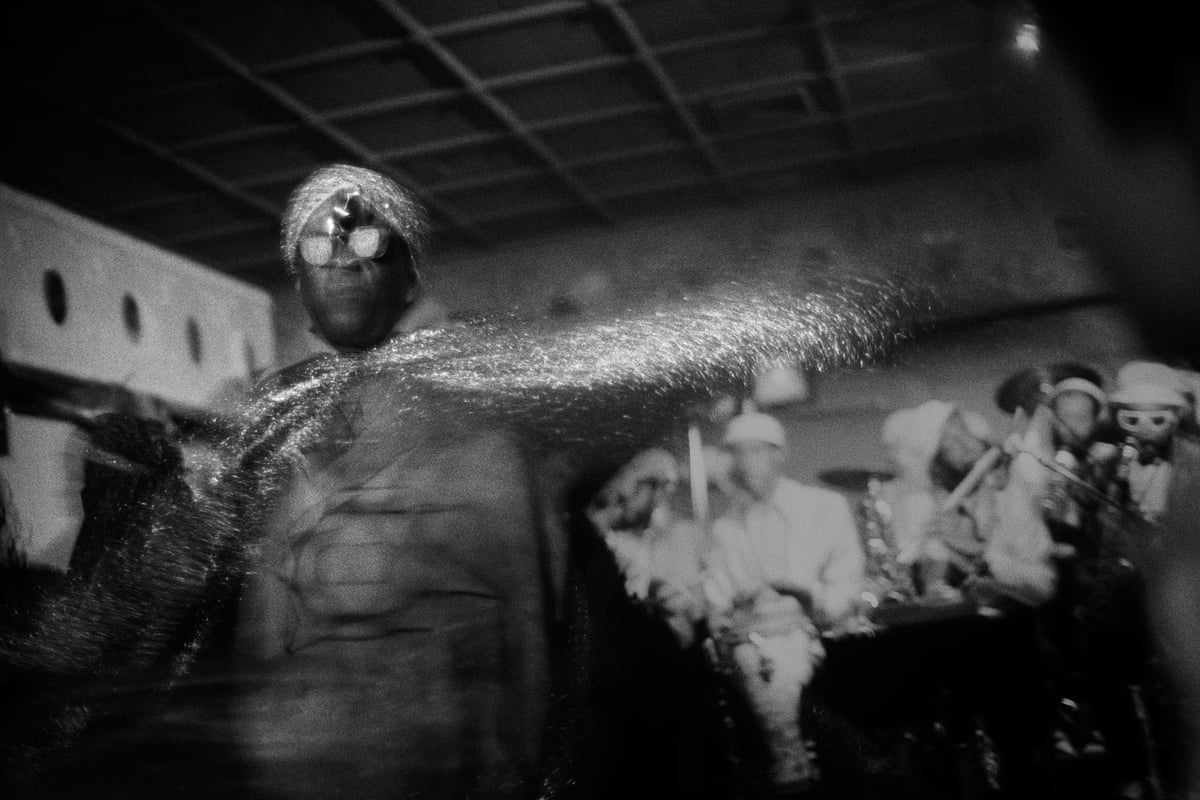
The historic Saint Anne church hosts the first solo exhibition in France of 80-year-old American artist Ming Smith, who has frequently worked in Paris. Her photographs reveal affinities with impressionist painting through their soft, blurred focus, although some prints could benefit from higher quality reproduction.
Smith’s work is influenced by jazz and the concept of capturing movement and energy rather than static forms. Her 1978 photograph of Sun Ra is considered a masterpiece. The figures in her smudgy, fluid black-and-white images appear to vibrate and scintillate, resisting reduction to fixed shapes. Each viewing reveals new details. Her use of black and white photography echoes Goethe’s idea that
Black belongs to the elements of things while they are undergoing a transformation of their nature.
Martine Barrat’s Intimate Portraits of the South Bronx
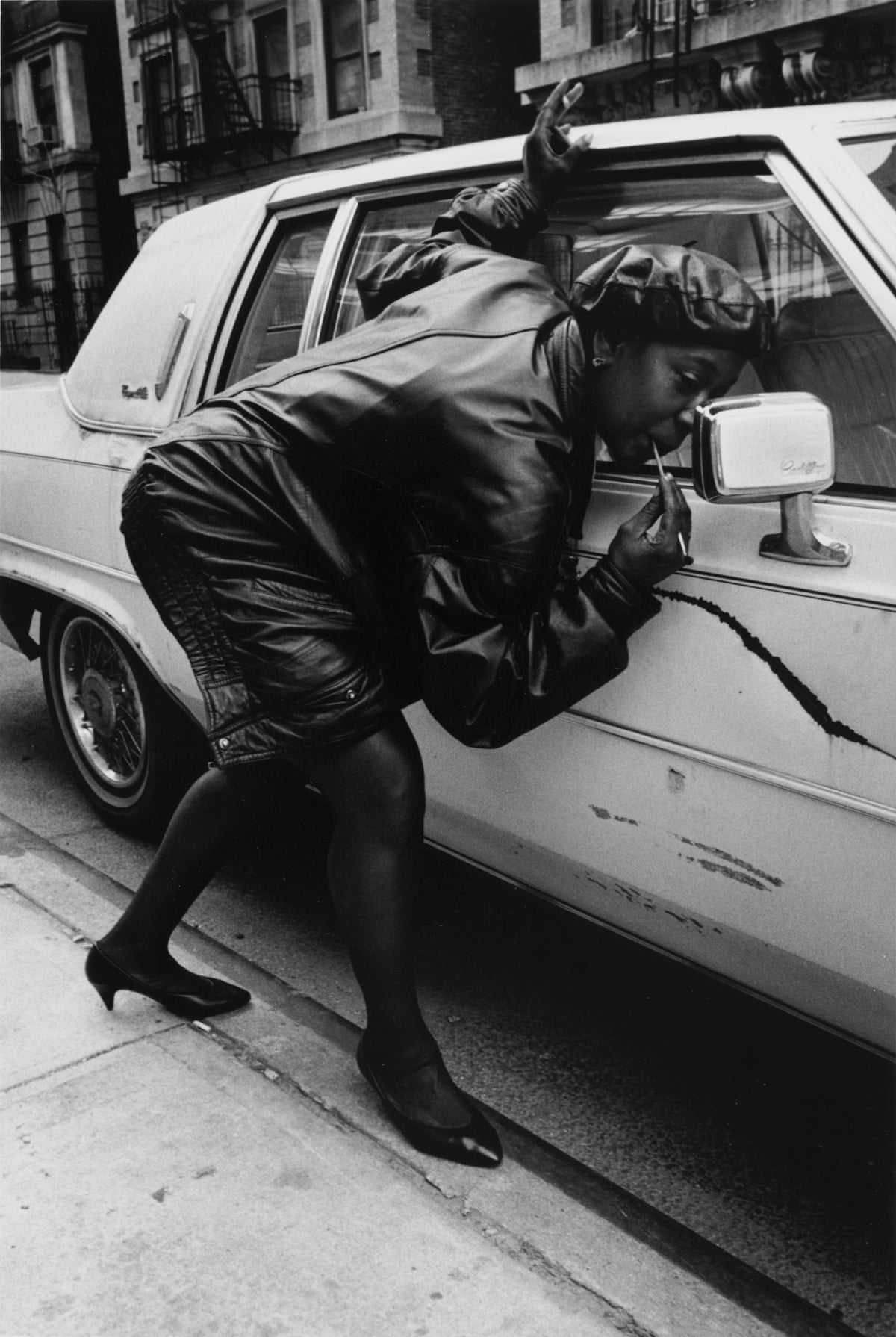
Martine Barrat’s exhibition Love, Peace and Soul is a striking and emotionally powerful show. Born in Algeria and raised in France, Barrat moved to New York in 1968 to pursue a career in dance. After an injury ended her dancing career, she turned to video and photography. In the 1970s, she worked closely with two South Bronx gangs—the Roman Kings and the Ghetto Brothers. Her film about them, Graffiti Rock, attracted thousands to the Whitney Museum in 1978, yet she remains relatively unknown in Europe.
Barrat’s films, including an intimate portrait of female gang leader Vickie, are exhibited alongside her photographs of people from the South Bronx, Brooklyn, and Harlem. Her minimalist compositions are crafted with great delicacy and empathy, whether depicting a six-year-old boxer preparing for training or a gang leader gazing over the Bronx’s rubble on the day of his prison release. Barrat’s profound ability to see and appreciate her subjects is evident. As she states,
It is in places of violence that I find love.Her portraits are as compelling as those of renowned photographers such as Gordon Parks, Roy DeCarava, or even Helen Levitt’s images of postwar Brooklyn. The exhibition leaves viewers deeply moved.
Festival Overview and Reflections
While the festival includes several uninspired group shows based on large photography collections and some disappointing celebrity exhibitions by [names omitted], the themes of UFOs, animals, mystical forests, and the interconnectedness of species create a harmonious and engaging experience. The juxtaposition of amateur alien prank photographs alongside works by Yves Klein, the rediscovery of neglected masters, and the inclusion of viral animal TikTok videos alongside the world’s most expensive photograph exemplify the festival’s ongoing challenge to traditional notions of photographic value in contemporary times.


