Economic Outlook and Personal Experiences
The Chancellor, Rachel Reeves, is scheduled to provide an update later today on the projected economic performance over the coming years. While the Spring Statement may seem removed from daily life, economic growth is generally associated with increased wages and expanded employment opportunities.
BBC Your Voice has engaged with individuals in their 20s and 30s to understand their current financial situations and perspectives on future prospects.
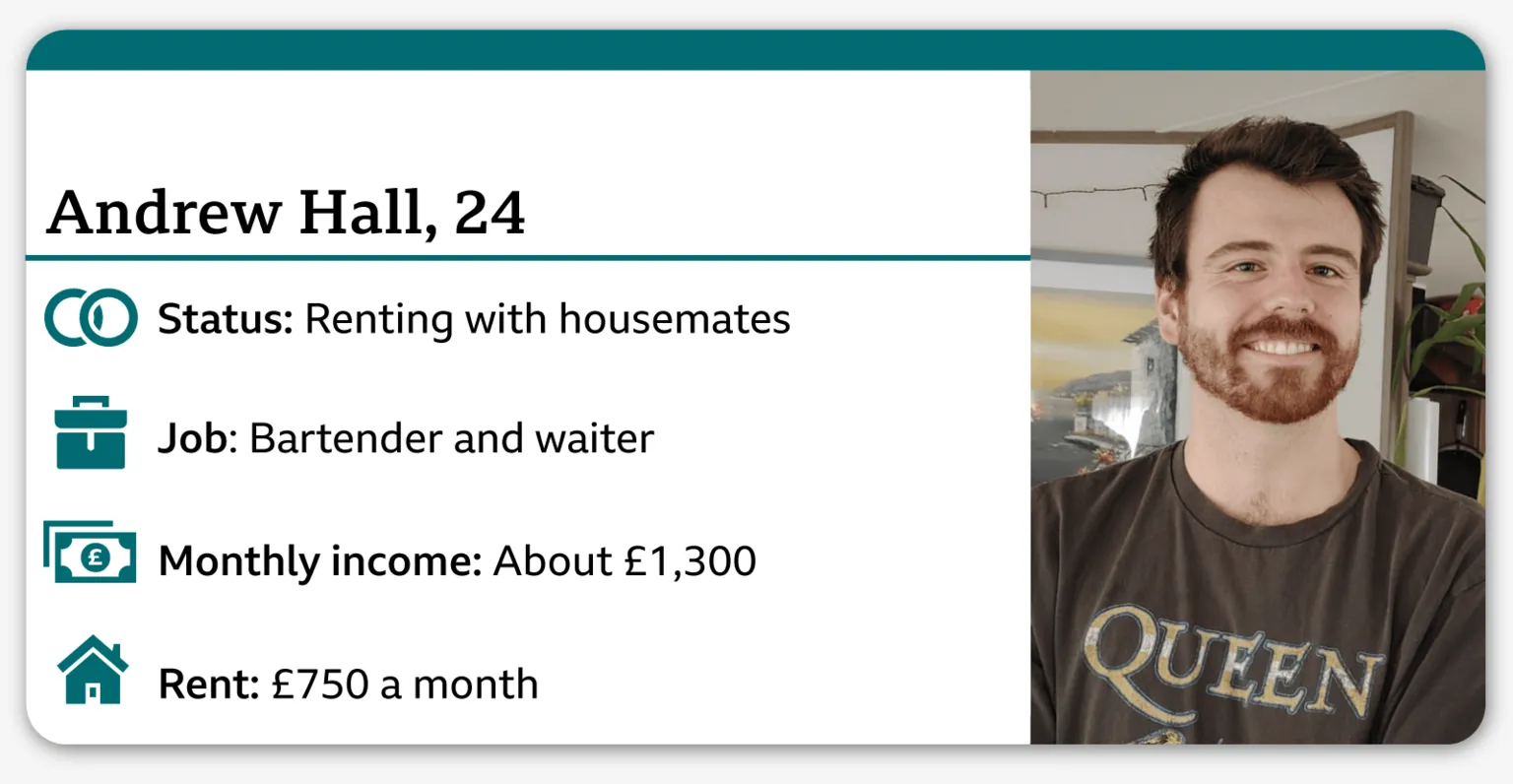
Andrew Hall: Challenges in Hospitality Work
Andrew Hall, 24, works as a bartender and waiter at a restaurant in Guildford, Surrey. He reports difficulties in managing monthly expenses.
Although contracted for eight hours weekly, Hall often works between 30 and 50 hours. However, his shifts are frequently delayed or cancelled with minimal notice.
"I once did a shift from 3pm to 2am and was due in at 10am for my next shift. At three minutes to 10am, I got a call asking me to start an hour later because it was quiet. I'd walked half an hour to get there and my six-hour shift was becoming a five-hour shift,"
Hall resides in a shared house where rent has increased from £600 to £750 monthly over three years. He has previously used payday apps to access wages early.
He managed to save approximately £2,000 last year but had to use half of it to compensate for reduced hours in January.
Initially aspiring to advance in hospitality, Hall has decided to leave the industry, citing stress and insufficient pay. He plans to apply to university to pursue further progression.
Jack Wood: Homeownership Amid Changing Interest Rates
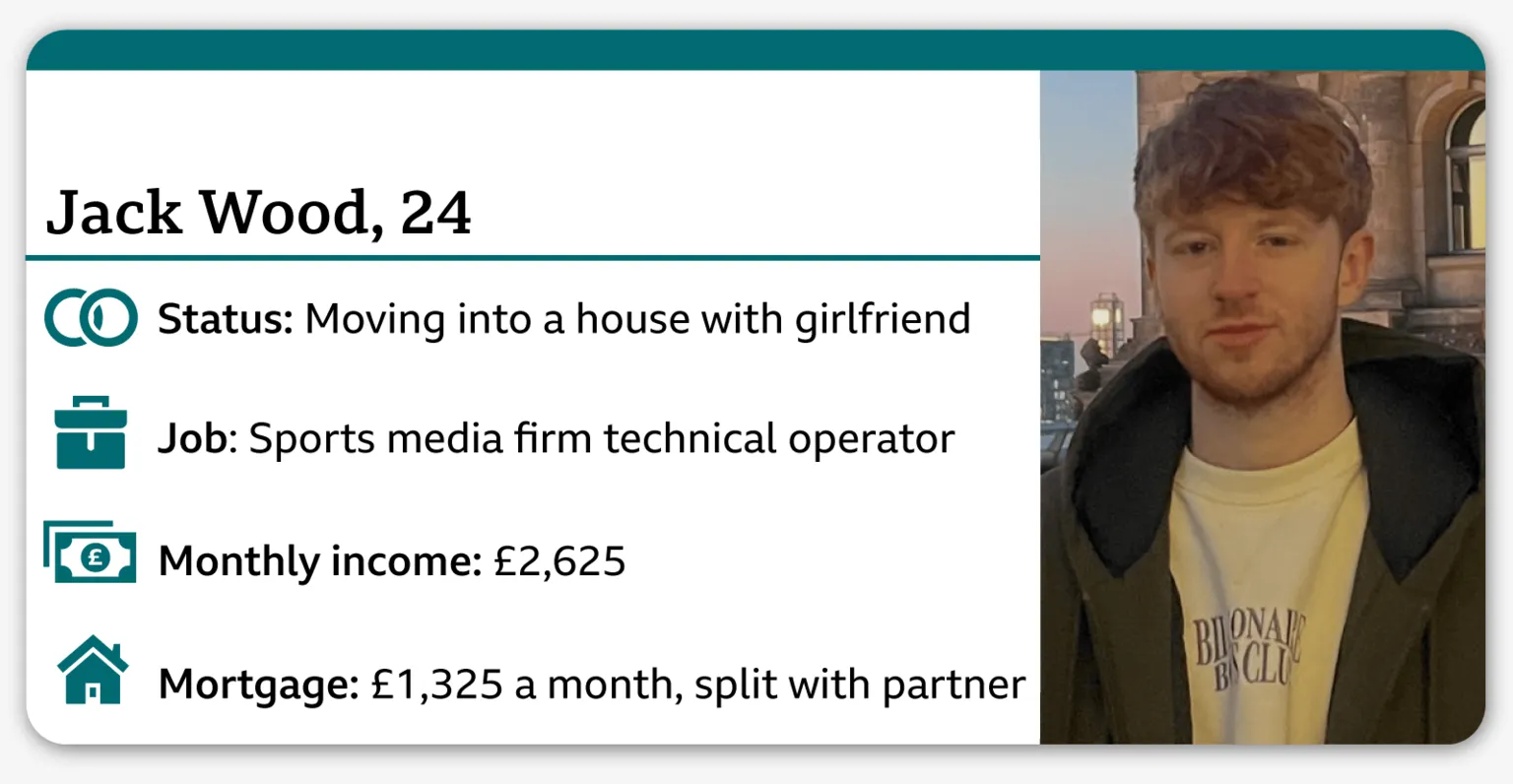
Jack Wood, 24, is a technical operator at a sports media company in Salford. He and his girlfriend have recently purchased their first home, aided by lower interest rates.
Since Labour assumed power, the Bank of England's interest rate, which influences borrowing costs such as mortgages, has decreased from 5.25% to 3.75%. Although the Bank operates independently, Reeves has attributed the rate reductions to Labour's role in "restoring stability."
"I feel like it has come a lot sooner than I expected to buy a house,"
Wood benefited from living at home, paying between £100 and £200 in rent on his £31,500 salary.
He maximized contributions to a Lifetime ISA but sometimes relied on inexpensive meals to avoid withdrawal penalties associated with the product, which has been subject to controversy.
Wood considers himself fortunate regarding the timing of his purchase, as Reeves announced plans last year to replace the Lifetime ISA with a "new, simpler" product for first-time buyers and to reduce annual cash ISA contribution limits.
Susan Nasser: Inconsistent Income on Zero-Hours Contracts
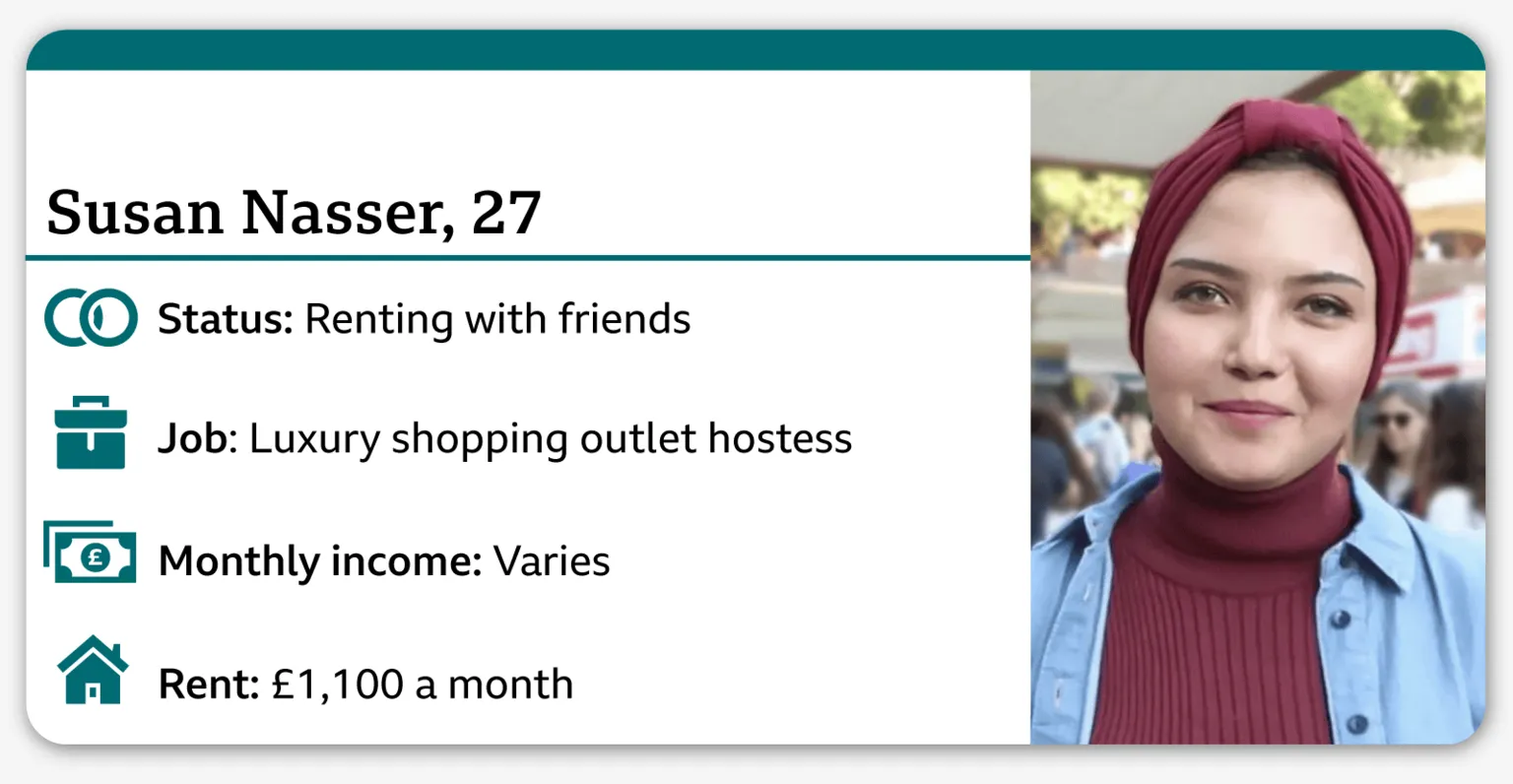
Susan Nasser, 27, works as a hostess at Bicester Village luxury outlet shopping centre and assists brands at pop-up shops. She is employed on zero-hours contracts, resulting in fluctuating income.

Her monthly earnings range from £800 to £2,000, while her rent for a flat shared with friends in Roehampton, south-west London, is £1,100.
"You get the money, [but] there's no sick pay, there's no holiday pay, there's no consistency,"
"Employers can cancel either some or all of my work at the drop of a hat,"
Nasser initially valued the flexibility of zero-hours work, which she combined with a full-time financial services job. However, she now feels "stuck in a cycle."
She hopes the government will implement the Employment Rights Act, which aims to guarantee workers fixed hours starting in 2027.
Ivy Morris: Benefits Dependency and Desire to Work
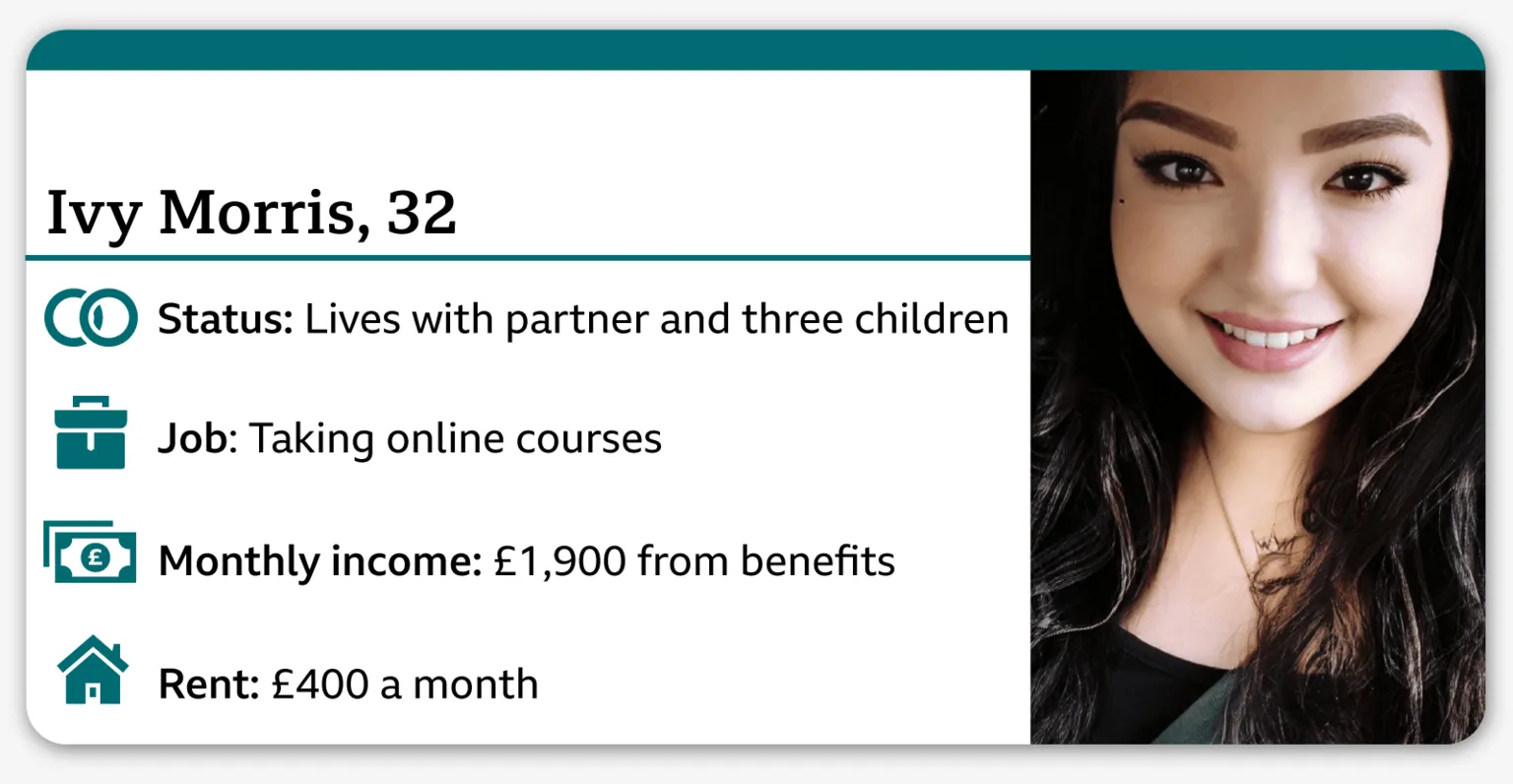
Ivy Morris, 32, a mother of three from Hinckley, Leicestershire, receives personal independence payment for mobility-related disabilities and universal credit. She lives with her partner, who is also her full-time carer.
After deducting £400 rent, her benefits total approximately £1,500 monthly. She anticipates an increase of about £70 following the government's planned removal of the two-child benefit cap, a change she supports.
Despite the increase, Morris expects to continue relying on her local food bank.
Having ceased waitressing due to mobility issues, she is currently engaged in online courses. She expresses a preference for employment but feels constrained by childcare costs.
"I'd absolutely rather be out there working, but it's not feasible with having to afford childcare,"
Qasim Shah: Apprenticeship Redundancy and Future Plans
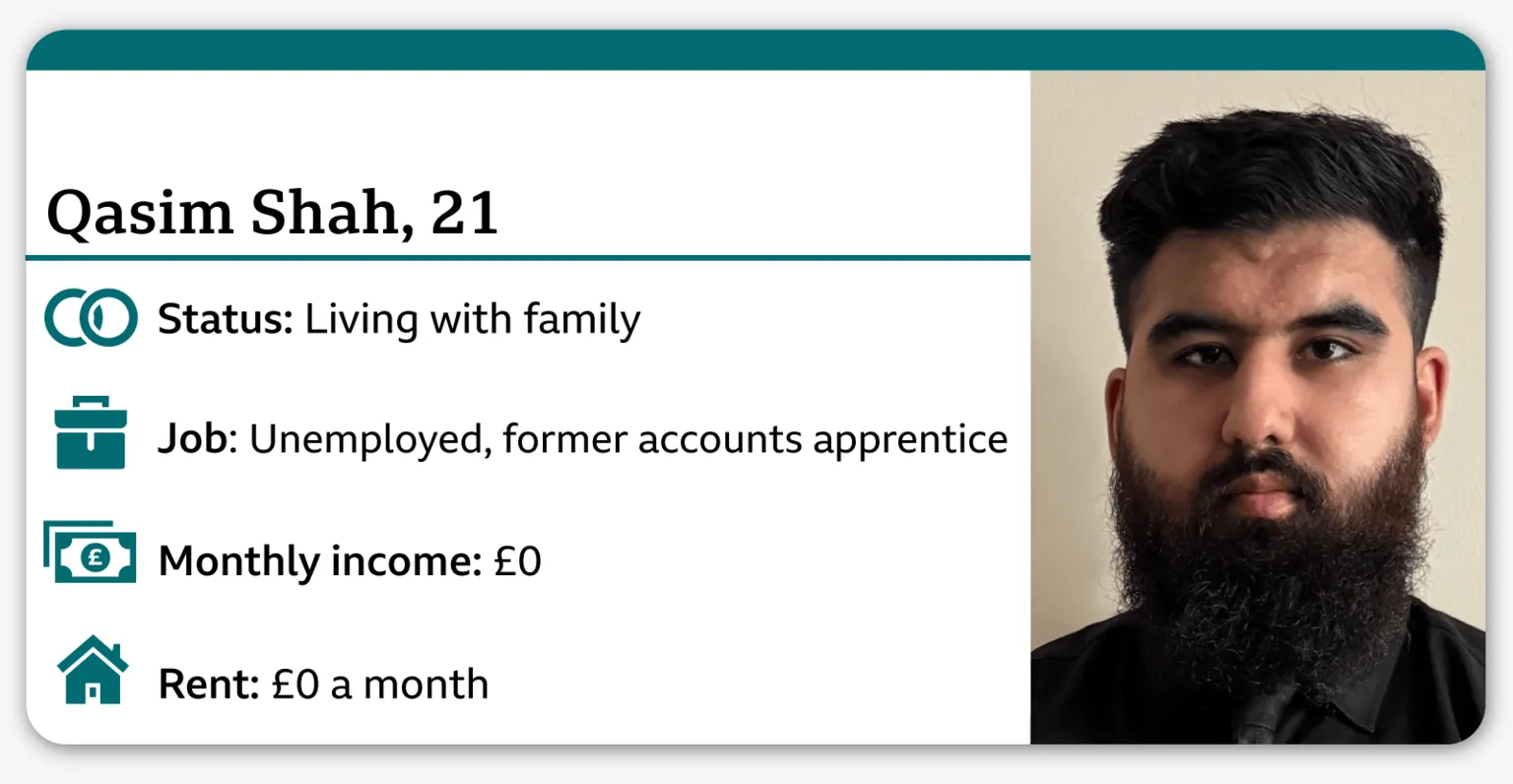
Qasim Shah, 21, from Birmingham, was recently made redundant during a Level 3 apprenticeship as an accounts assistant at a telecommunications firm. He continues to study for the qualification and will take exams later this year.
Shah lives with his parents and previously worked in his family's small supermarket before starting the apprenticeship.
He had ambitions to complete a Level 7 apprenticeship, equivalent to a master's degree, but government cuts to public funding for apprentices aged 22 and over have altered his plans.
Shah advocates for increased government support to encourage school leavers to pursue apprenticeships, aligning with the prime minister's priorities announced at last year's Labour conference, and calls for more apprenticeship opportunities.
Additional reporting by Emer Moreau