Impact of Middle East Conflict on Oil and Fuel Prices
The recent escalation in oil prices, triggered by the conflict in the Middle East, has raised concerns about potential increases in fuel costs for motorists.
Following attacks by the US and Israel on Iran, oil prices surged by 10%, accompanied by a rise in gas prices.
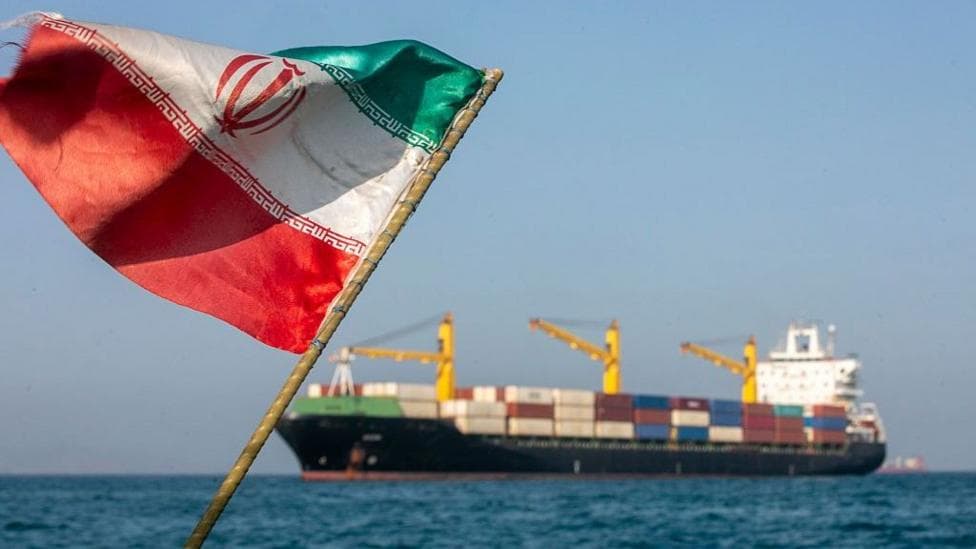
This increase is linked to Iran's warning to vessels against passing through the Strait of Hormuz, a vital waterway in southern Iran through which approximately 20% of the world's oil and gas shipments transit.
If these restrictions continue and oil prices remain elevated for an extended period, there is concern about subsequent effects on the prices of various goods.
However, significant uncertainty remains regarding whether the conflict will have a lasting impact on oil, gas, and broader energy prices.
How Quickly Will Rising Oil Prices Affect Fuel Prices?
Crude oil is a primary component in petrol and diesel production, meaning that increases in oil prices could eventually lead to higher prices at fuel pumps.
The AA motoring group has indicated that fuel costs could rise in the coming weeks to levels seen at the start of the year.
This would represent a reversal of the recent downward trend in fuel prices observed at UK forecourts over the past few weeks.
The AA noted that further price increases will depend on the scale and duration of the ongoing conflict.
Currently, average prices stand at 132.6p per litre for petrol and 142.3p per litre for diesel, according to AA data.
Simon Williams, from the RAC motoring group, commented:
"If oil were to climb to and stay at the $80 a barrel mark, then drivers could expect to pay an average of 136p for petrol.
At $90, we'd be looking at over 140p a litre and $100 would take us nearer to 150p, but it's all too soon to know."
Potential Impact on Food Prices
Beyond fuel prices, sustained higher fuel costs could have additional effects on the prices of consumer goods.

Increased petrol and diesel prices raise transportation costs for businesses distributing food and other products nationwide.
These elevated costs may be passed on to consumers by retailers and supermarkets, contributing to an increase in the cost of living.
There may also be a more direct impact on food prices. Benjamin Goodwin, partner at banking advisory firm PRISM Strategic Intelligence, explained to the BBC:
"Some elements of crude oil are used in fertiliser, and so there could be a cost implication in terms of food prices."
However, Goodwin noted that if the disruption is brief, it is unlikely to cause an immediate rise in food prices.
Will Energy Bills Increase?
In the short term, millions of UK households are protected from wholesale cost fluctuations in domestic gas and electricity bills.
Consumers on energy tariffs regulated by the price cap already know their unit prices for the three-month period starting in April, as these have been predetermined.
Nevertheless, the effects of the conflict could potentially influence domestic variable energy tariffs when the next price cap is set for the three months beginning in July.
Effects on UK Inflation and Interest Rates
UK inflation, which tracks the rate of price increases, has eased compared to the peaks experienced following Russia's full-scale invasion of Ukraine four years ago.
This easing has enabled the Bank of England to reduce interest rates six times since August 2024, bringing the rate down to 3.75%.
The Bank recently indicated that further rate cuts are likely this year, with another cut widely anticipated later this month. However, the recent rise in oil prices may affect this outlook.
Subitha Subramaniam, chief economist and head of investment strategy at Sarasin & Partners, stated that the duration of elevated crude prices is critical:
"It will start to cascade into other prices such as food, agriculture, industrial commodities and that's just going to really bleed into inflation."
The Bank of England's rate-setting committee is scheduled to meet in a few weeks, which may not provide sufficient time to fully assess the impact of higher oil prices on inflation.
In the short term, Subramaniam advised:
"I would say the prudent course for the Bank of England would be to remain on hold."