Shift in UK Food Industry: From Plant-Based Boom to Meat-Led Menus
In 2021, vegetarianism and veganism were experiencing significant growth, with restaurants and fast-food chains expanding their meat-free offerings rapidly to meet increasing consumer demand. McDonald’s was among the many operators embracing non-meat options at that time.
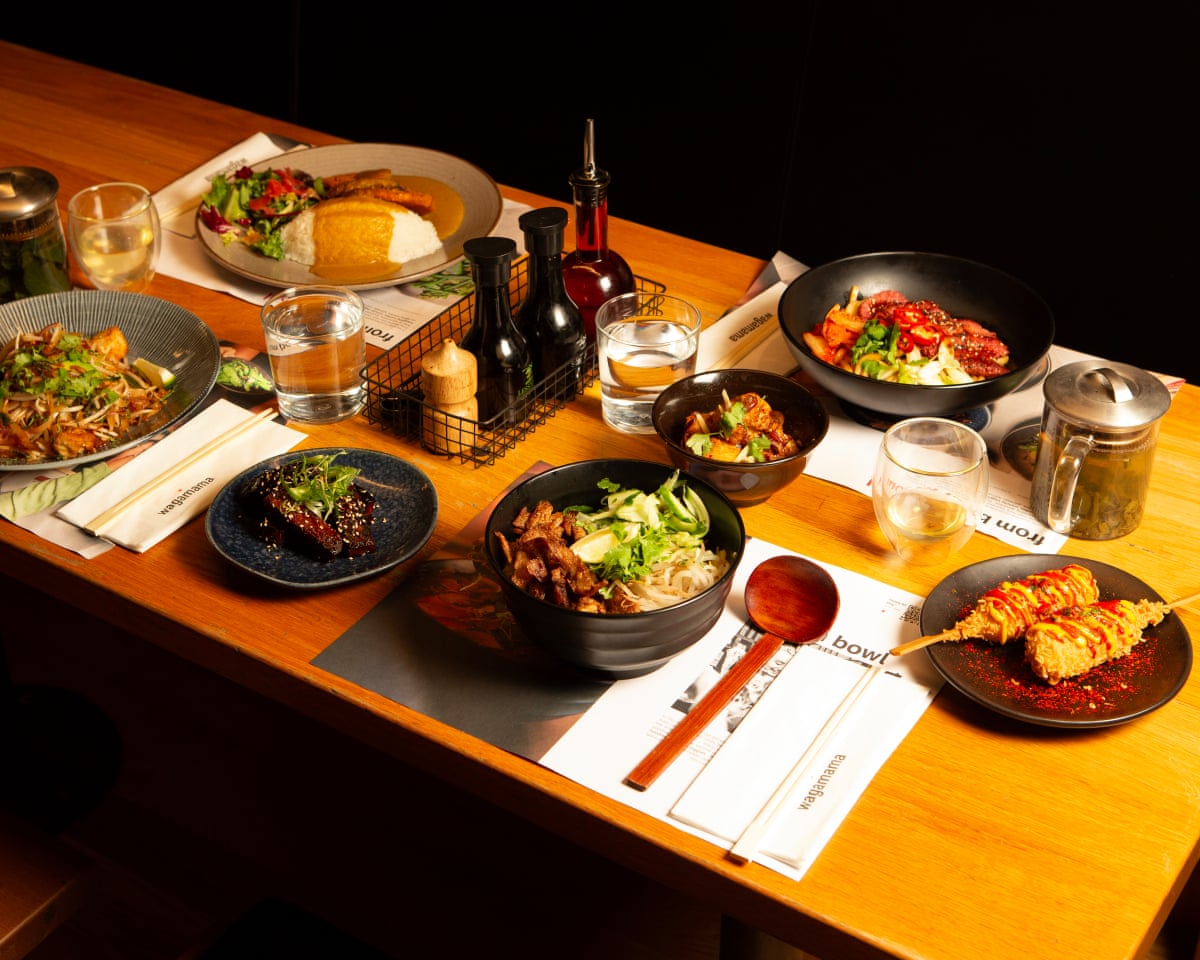
However, by 2026, the landscape has changed considerably. Last month, McDonald’s announced it would be removing most of its vegetarian range, retaining only its McPlant burger, citing weak sales as the reason. Similarly, Wagamama has reduced its plant-based menu options, and Domino’s has also scaled back its vegetarian offerings. Additionally, the final Veggie Pret, a standalone vegetarian concept launched by the high street sandwich chain in 2016, closed in February 2024.
Industry Perspectives on the Changing Trends
Some industry experts suggest this shift is partly due to growing consumer concerns about certain vegetarian meat alternatives being overly processed. Data indicates that whole sources of protein, especially chicken, are regaining popularity. Others view the change as a stabilization of the sector following a rapid expansion rather than a full retreat.
According to Lumina’s Menu Tracker data, in the first quarter of 2025, pubs and bars served two fewer dishes compared to the same period in the previous year. Vegetarian options were described as "explicitly shrinking," even though the average number of main course listings remained high at 54 items, with menus increasingly favoring meat-led dishes.
Liv Warren, insight manager at Lumina, explained that pubs were "stripping back lower-volume categories, with vegetarian dishes shrinking, while doubling down on high-margin core meat dishes."
A similar trend has been observed in restaurants, where traditional meat mains such as pizzas and burgers have seen increased prominence. Warren noted, "Vegetable dishes were present but declining marginally," with high-protein chicken dishes being a key driver, increasing by 4.2 percentage points of mains share during the analyzed period.
Menu Expansion Driven by Meat and Protein
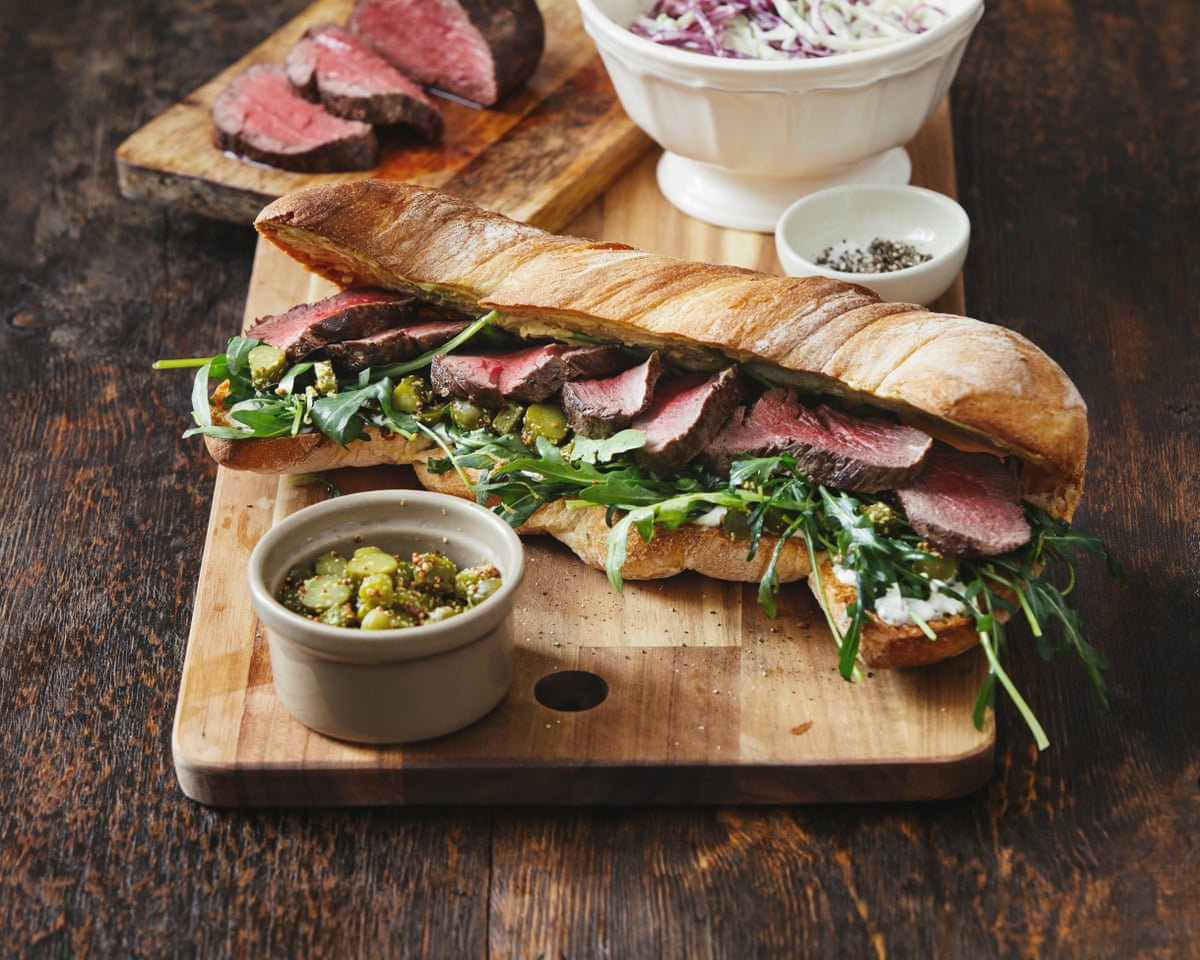
Reviewing the first half of 2025, Warren stated that while some channels saw menu expansion, growth was predominantly meat-led. "Pubs are explicitly reducing vegetarian dishes," she said, adding that expansion was driven by "chicken and protein." She further commented, "Vegetable dishes are present but not leading growth … indulgence and protein are outperforming plant-based innovation."
Operators are reallocating menu space toward higher-margin meat dishes, particularly chicken. This shift reflects ongoing cost pressures, evolving consumer preferences, and a change in health messaging from "meat-free" to "high-protein."

Influence of Trends and Economic Factors
Bia Bezamat, cultural insights director at market research firm Kantar, highlighted the role of algorithm-driven food trends, stating:
"A lot of people won’t realise how algorithm-driven food trends can be, too. TikTok is full of micro-trends like high protein, which often lean heavily towards meat, and gut health which is behind the rise of fermented foods like kefir and pickles.
"The rise of GLP-1 medicines also means there’s a trend towards smaller and more nutrient-dense meals. So, restaurants are ultimately responding to all of these different trends."
Kara Buffrey, founding partner of restaurant agency Chomp, views the changes as adjustments rather than reversals. She said:
"The scaling back of veggie options at McDonald’s and Domino’s, along with the closure of concepts like Veggie Pret and other fully vegan restaurants, feels more like a market correction than a cultural reversal.
"Veganism arguably went through a hype phase and brands were bold in responding to that momentum. But fast food operates on very tight margins and is entirely demand-led. If people aren’t ordering veggie takeaways in high enough numbers, those products won’t survive."
Buffrey also noted that rising menu prices might influence consumer choices:
"I don’t think vegetarianism itself is necessarily declining, rather, with eating out becoming more expensive, consumers may feel they get more value from meat options. This looks like brands responding pragmatically to purchasing behaviour rather than making a broader ideological shift."
Inflation, higher wages, increases to national insurance, and business rates are squeezing margins. Nearly 38% of diners now eat out less than before, citing rising costs and the need to save money, leading businesses to make difficult decisions about which dishes to retain or cut.
Plant-Based Interest Remains Strong Despite Menu Cuts
Laura Hellwig, managing director at the vegan charity Viva!, acknowledged the impact of economic factors on hospitality but emphasized ongoing consumer interest in plant-based lifestyles. She said:
"Hospitality is dealing with higher wages, inflation and rising costs … Across the sector, operators are cutting lower-performing items from menus."
Hellwig cited research from the Good Food Institute released in May last year, which found that 31% of people in the UK were actively reducing their meat intake while 9% followed meatless diets. Veganuary 2026 was record-breaking, with about 30 million participants worldwide, up from 25.8 million the previous year.
She rejected the notion of a plant-based collapse and highlighted that Wagamama still offers an extensive vegan range, suggesting the sector is entering a period of consolidation. Hellwig explained:
"It’s normal. That level of rapid growth wasn’t sustainable long term. Many brands jumped on the plant-based bandwagon and launched large numbers of products; it’s inevitable that some of those would fall away."
She stressed that strong performers remain in place:
"The McPlant remains very popular. The products that work are sticking."
Affordable high street options such as the McPlant and the Greggs vegan sausage roll continue to sell well.
Hellwig added that minimally processed, whole-food, and naturally high-protein options like tofu, tempeh, seitan, and falafel are growing in popularity, as are functional foods with additional health benefits.