

Introduction: Average UK mortgage rate hits 5.50% for the first time since August 2024
Good morning and welcome to our rolling coverage of business, the financial markets and the world economy.
The UK’s cost of living squeeze is intensifying daily as the conflict in Iran amplifies inflationary pressures across the global economy.
According to data from Moneyfacts, the average UK mortgage rate has reached 5.50%, marking the highest level since August 2024. Lenders have been adjusting mortgage product pricing as expectations for UK interest rate cuts this year have diminished.
This increase translates to an additional annual borrowing cost of over £1,075 for a typical mortgage of £250,000 over 25 years. Prospective buyers and those remortgaging should anticipate significantly higher expenses than previously forecasted.
“The Moneyfacts Average Mortgage Rate has hit 5.50% - heights last seen more than 18 months ago, marking another unwelcome milestone for borrowers this month. These rising costs are in direct response to the conflict in the Middle East which has dramatically shifted market expectations around inflation and future interest rates, with lenders scrambling to keep up with rising funding costs.”
“Moneyfacts’ analysis of more than 30 years of historic rates data shows mortgage rates have historically averaged around 1.5-1.75 percentage points above Base Rate. If a couple of rate rises materialise as markets are currently predicting, this could see the overall average mortgage rate stabilise at around 5.75%-6.00%. This would leave borrowers paying £1,500-£2,000 more per year on a typical mortgage compared to just a few weeks ago. However, given the volatility of events this is subject to change in either direction.”
Unusually, UK mortgage rates inverted yesterday, with the average rate on two-year fixed mortgages surpassing that of five-year fixed products, which are typically more expensive.
The average two-year fixed rate increased from 4.83% at the start of March to 5.56%, the highest since September 2024.
The average five-year fixed rate rose from 4.95% at the start of March to 5.54%, the highest since January 2024.
The agenda
7am GMT: GFK’s Consumer Confidence survey for Germany
9.30am GMT: ONS: housing affordability in England and Wales in 2025
10am GMT: OECD Interim Economic Outlook Report

1.30pm GMT: US weekly jobless data
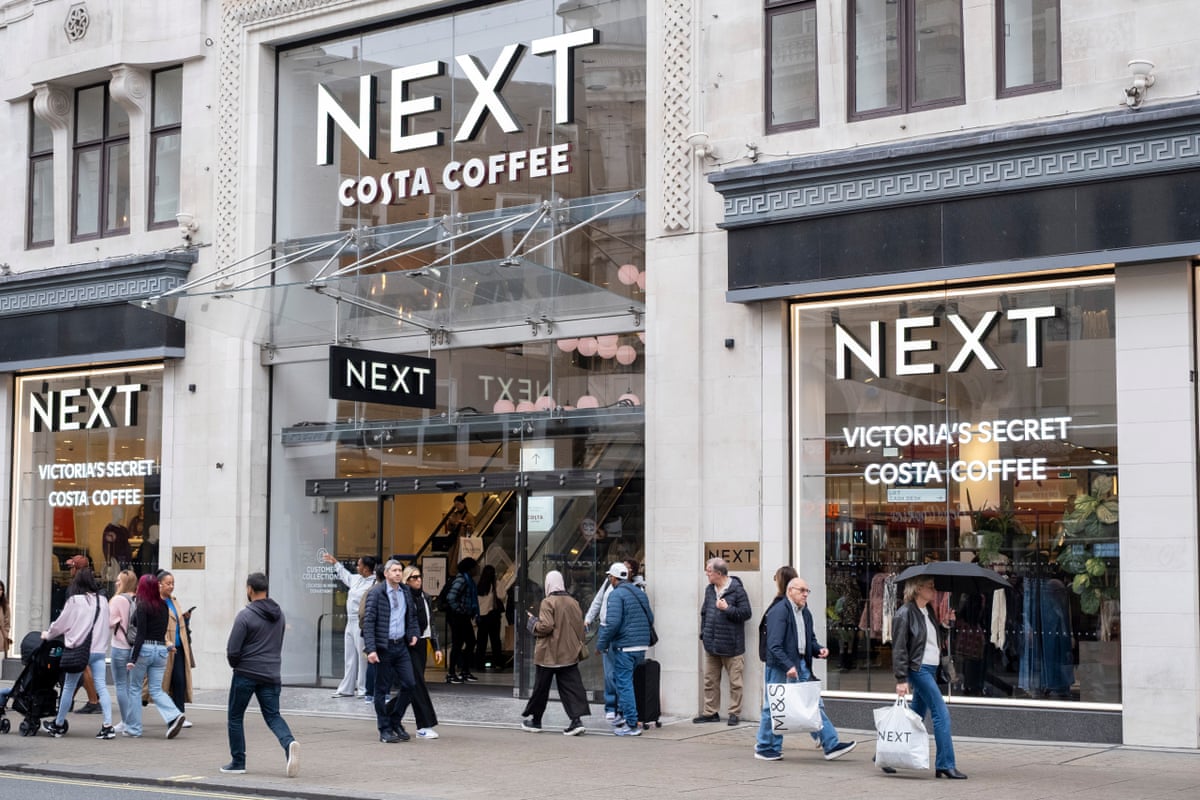
Next: Three-month Middle East conflict would cost us £15m
The ongoing Middle East crisis is projected to cost UK retail chain Next millions of pounds and may negatively impact its sales if the conflict continues.
Next informed the City this morning that it has factored in £15 million of additional costs attributable to the conflict, including increased fuel and air freight expenses, assuming the disruption lasts for three months.
The company also cautioned that if the conflict persists, these costs are likely to result in higher consumer prices and supply chain disruptions, both of which would adversely affect sales.
Next noted that the conflict could limit growth in the Middle East, which accounts for approximately 6% of its total turnover. It also highlighted potential "knock-on effects on costs, selling prices and consumer demand in the rest of the business." The company added:
“At this point, the longer term implications of the conflict are uncertain, and NEXT is not well placed to make predictions.
As yet, we have no feel for the medium-term effects on supply chain resilience, freight rates, factory gate prices and consumer demand. Much will depend on how long the conflict persists, and how much permanent damage is done to the world’s energy infrastructure.”
Money markets continue to anticipate at least two UK interest rate increases by the end of the year.
They currently price in a 64 basis point (0.64 percentage points) rise in Bank rate by December, implying two quarter-point hikes are fully accounted for.
UK consumer confidence has ‘collapsed’ during Iran war, retail industry says
Consumer confidence in the UK has "collapsed" since the onset of the Iran war, according to new research from the British Retail Consortium.
The sharp increase in energy prices, caused by the effective closure of the Strait of Hormuz and attacks on regional infrastructure, has raised concerns about higher inflation and slower growth in oil-importing countries.
When surveyed about the UK economy’s outlook over the next three months, 64% of respondents expected it to worsen, while only 11% believed it would improve. This resulted in a balance of -53%, a significant decline from the -20% reading recorded one month earlier.


