Creditors Pursue Thames Water Bid Amid Nationalisation Talks
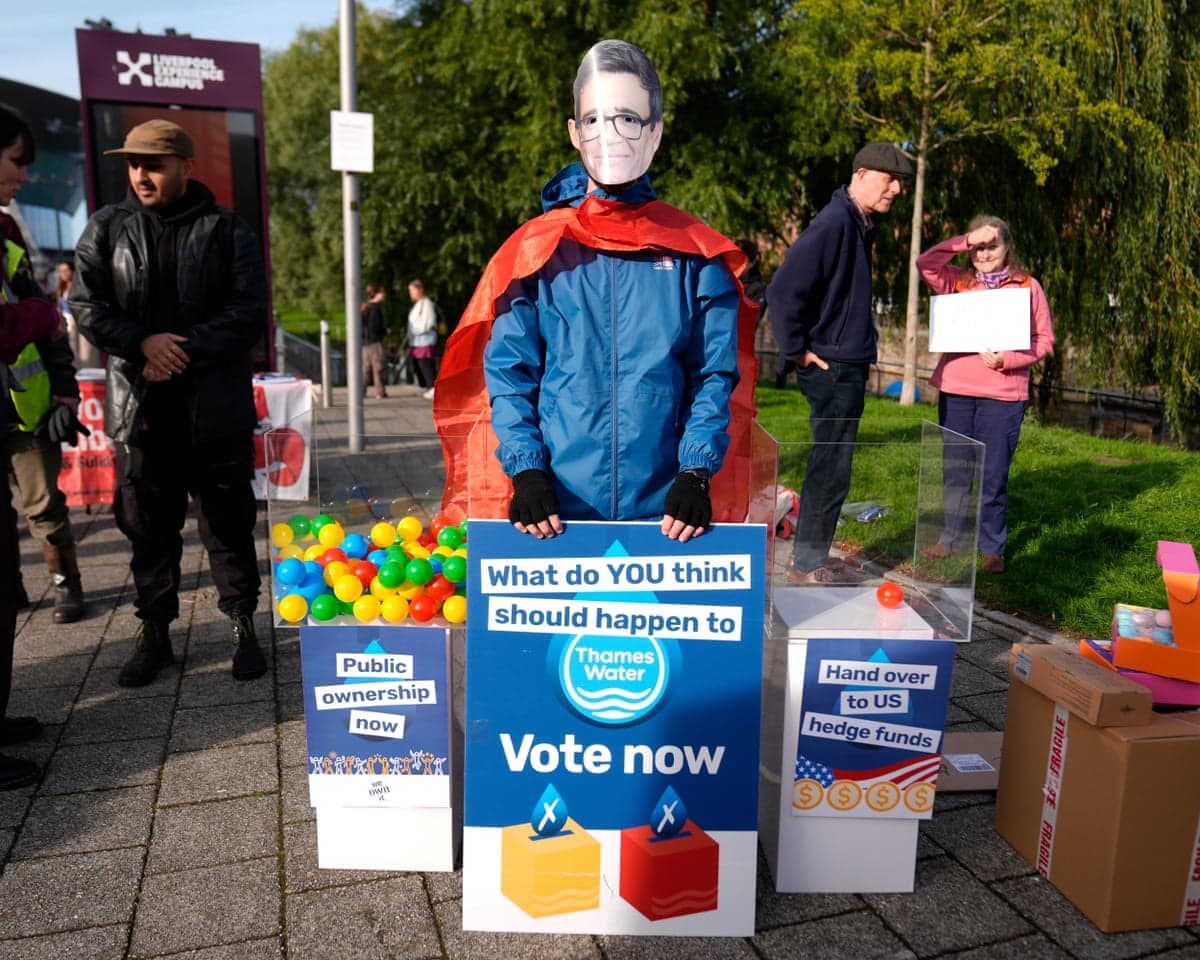
Thames Water’s creditors remain committed to their bid for the heavily indebted company even if the likely next prime minister, Andy Burnham, opts for temporary nationalisation.
A consortium of 100 institutional investors, holding approximately £14bn of Thames Water’s senior debt, continues to discuss a £10bn rescue plan with officials from the regulator Ofwat, having held recent meetings to that effect.
In mid-June, Environment Secretary Emma Reynolds opposed the proposal, citing concerns that it would impose an “undue burden” on consumers and push the UK’s largest water company closer to a temporary nationalisation model known as a special administration regime (SAR).
Sources revealed, in a report first published by the Financial Times, that creditors view SAR as a procedural step rather than a final solution and intend to acquire Thames Water out of such a regime.
Burnham has advocated for “greater public control” of Thames Water and expressed this stance in an interview with .
The future of Thames Water, which serves 16 million customers across London and the Thames Valley and is burdened by £17.6bn in debt accumulated since privatisation, will be a critical issue for Burnham upon entering Downing Street, expected within two weeks.
The creditor group includes prominent investors such as Elliott Investment Management, led by billionaire hedge funder and Trump donor Paul Singer, Apollo Global Management, Silver Point Capital, BlackRock, and M&G. They have sought to take ownership of Thames Water without resorting to an SAR following the company’s leadership changes last year.
Thames Water has been striving to avoid financial collapse and faces a potential cash shortfall by October.
London & Valley Water, representing the creditor group, argues that an SAR would require billions in taxpayer funds with an uncertain duration, creating further instability for the company’s 8,000 employees and supply chain.
The creditors’ rescue proposal involves injecting £3.35bn in new equity and providing £3.25bn in fresh debt. Additionally, Thames Water’s investors would pay an upfront penalty and redress package of £850m to secure investment grade status from credit rating agencies.
Other potential bidders have advocated for Thames Water’s entry into an SAR, including Hong Kong-based CK Infrastructure Holdings, majority owner of Northumbrian Water. Castle Water, which manages billing for Thames Water’s business customers, has also indicated interest in bidding.
Four years ago, the government recovered nearly all costs of temporarily nationalising energy provider Bulb by selling it to rival Octopus for £3bn.
Under an SAR, Thames Water would be managed by an independent insolvency expert on behalf of taxpayers to maintain service continuity while seeking a buyer. Debt and interest payments could be temporarily frozen, but the government would be obligated to maximize creditor value.
A Thames Water spokesperson stated:
“We continue to work with all parties to reach an agreement that supports Thames Water’s long-term financial stability and ensures the uninterrupted delivery of our biggest infrastructure upgrade in 150 years while continuing to meet the needs of our 16 million customers.”
A spokesperson for the Department for Environment, Food & Rural Affairs (Defra) said:
“Thames Water customers have been let down for far too long, with 15 years of underperformance, increasing serious pollution, and customers left to pick up the bill. The secretary of state has written to Ofwat to outline her early views that she is not convinced the current proposal is good enough for consumers or the environment. We are prepared for any eventuality.”
Both the creditor group and Ofwat declined to comment.
Contacting
values first-hand accounts from knowledgeable sources. If you have information related to this subject, you may contact the Business team confidentially through the following methods:
app includes a secure messaging tool to send tips about stories. Messages are end-to-end encrypted and concealed within routine app activity, preventing observers from detecting communication or content.
If you do not have app, download it for iOS or Android, access the menu, scroll down, and select Secure Messaging. When prompted, choose the ‘Business (UK & Global)’ team as the contact.
Additional secure contact methods and their advantages and disadvantages are detailed in the guide at the.com/tips.