Concerns Raised Over New Steel Taxes Affecting Northern Ireland Firms
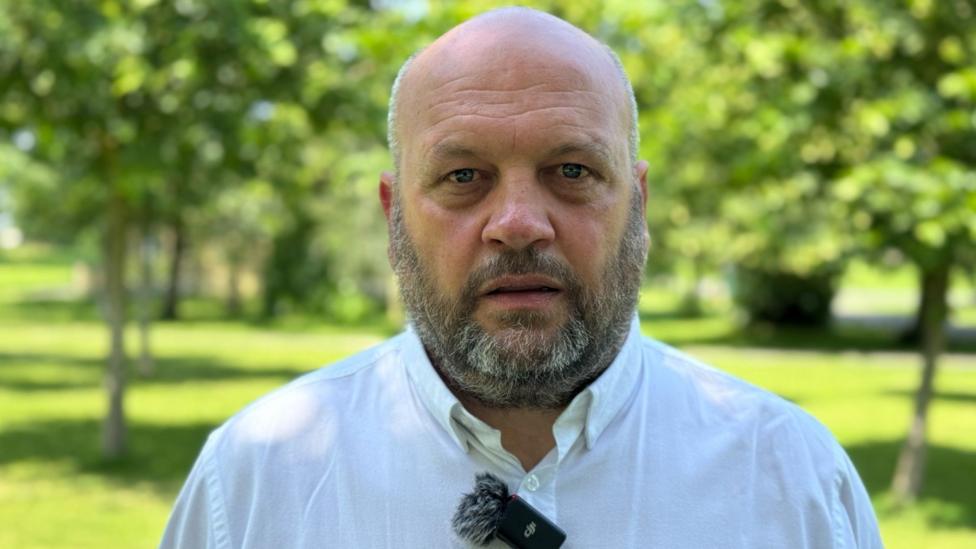
Darragh Cullen, managing director of EDGE Innovate, described recent steel tax changes as "a huge own goal" by the UK government.
Manufacturing and engineering companies in Northern Ireland are expressing serious concerns about the consequences of new steel taxes. These taxes, introduced by the UK government on Wednesday, impose higher tariffs on steel imported from overseas and reduce the quota for tariff-free steel imports by half.
Cullen, whose company depends heavily on steel, criticized the policy, stating it effectively benefits international competitors at the expense of local businesses.
"It is effectively assisting our international competitors," Cullen said.
In response, the UK business and trade secretary explained that the policy aims to protect UK steelmaking from global overcapacity while providing supply chain businesses with certainty. He also indicated that the measure would be reviewed after 12 months.
On the same day, the European Union implemented similar steel import controls.
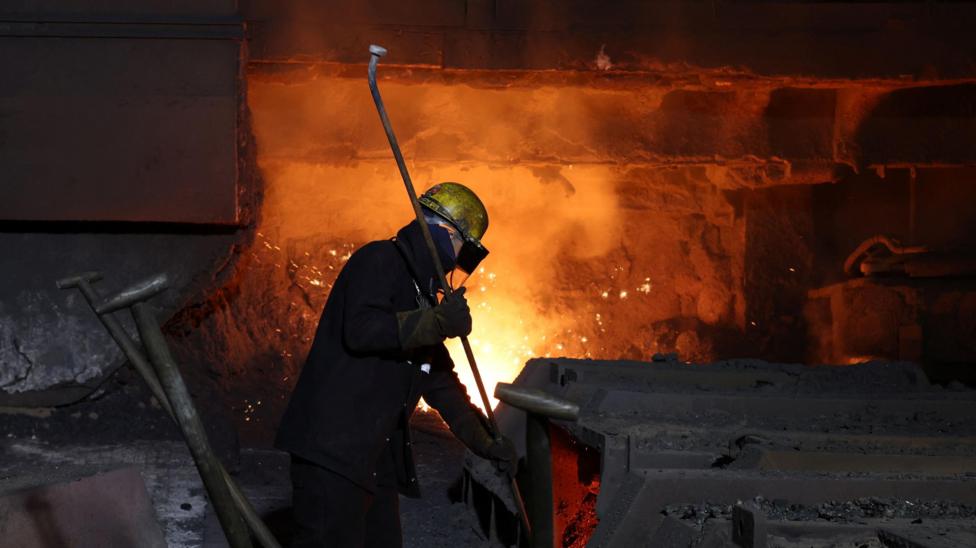
Manufacturing NI Reports Production Relocation
The Mid Ulster council area, regarded as Northern Ireland's manufacturing hub, accounts for 20% of the region's manufacturing employment.
EDGE Innovate, located near Dungannon, produces equipment for quarrying, mining, and recycling industries using steel.
Cullen acknowledged the government's intention to protect British steel manufacturing as "understandable" but questioned the approach.
"The price of steel is now more expensive for us, that will make us less competitive, meaning we'll export less, we will bring less money into this economy and it is a potential threat to jobs.
To me it's unbelievable that the UK government is effectively assisting our international competitors outside the UK who don't have to pay this tariff, it feels like a huge own goal."
Michael McGrath, director of Crushing Screen Parts based in Maghera, highlighted the competitive pressure from international firms.
More than 40% of the world's mobile crushing and screening equipment is manufactured in Mid Ulster.

"So if you keep adding costs on top of me that aren't being added to my global competitors, then we'll just continue to see our opportunities decline, it's another body blow to the local industry."
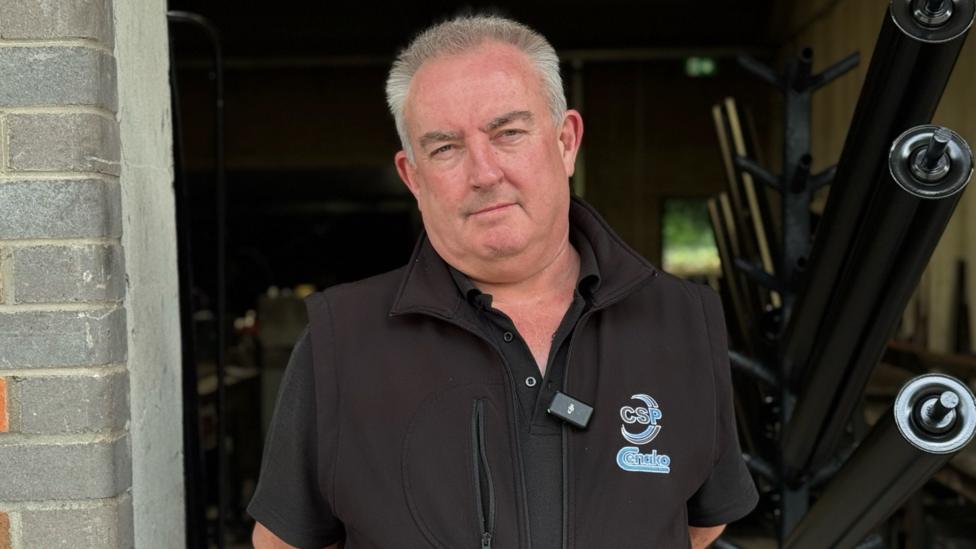
Manufacturing NI Warns of Profound Impact
Stephen Kelly from Manufacturing NI described the new steel tax policy as potentially "catastrophic" for companies reliant on steel.
"We have lobbied the UK government around this issue but it has fallen on deaf ears and we believe the impact will be profound."
Kelly noted that steel prices had already increased prior to the tariff's implementation, causing some Northern Ireland companies to struggle with competitiveness.
"I know of at least one company that has already shifted to making products internationally instead of Northern Ireland, so that's millions of pounds of turnover that has been lost to other parts of the world."
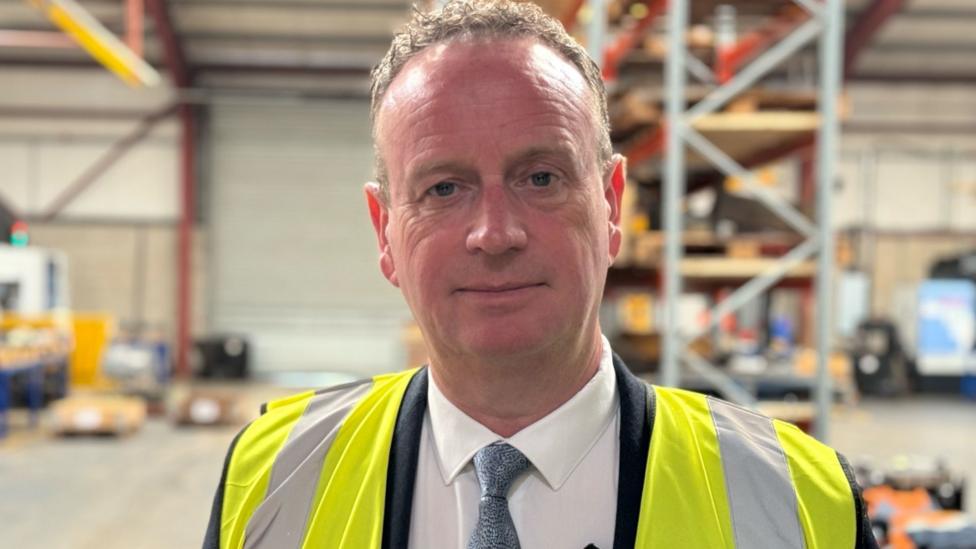
Details of the Steel Tariffs
From 1 July 2026, both the UK and European Union introduced new steel import controls.
The EU's regulations reduce tariff-free steel import volumes to 18.3 million tonnes annually, a 47% decrease compared to 2024, and impose a 50% customs duty on imports exceeding this quota or on steel goods not covered by it.
Similarly, the UK government has limited tariff-free steel imports, reducing overall quota volumes by 51%. Imports above this threshold will be subject to a 50% tariff.
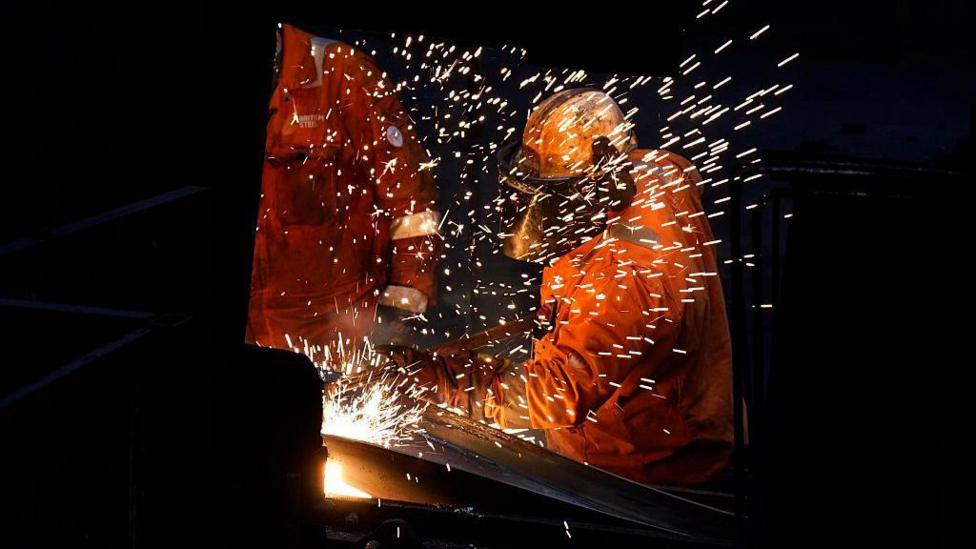
Initially, the UK proposed a 60% reduction in tariff-free steel imports but recently adjusted this to 51%.
To mitigate short-term impacts, the government introduced transitional arrangements exempting goods under contract before 14 March 2026, imported between 1 July and 30 September 2026, from the 50% tariff. Additionally, some steel products not produced domestically are exempt from tariffs.
Industry Network Highlights Awareness Issues
Barry Taylor, managing director of Manufacturing and Engineering Growth and Advancement (Mega), a Mid Ulster business network, stated that the changes had gone "under the radar" for some companies.
"That is a problem because while it seems like technical stuff, the implications are huge," Taylor said.
"Companies really do need to start thinking about where their steel has come from and how it got here, so they can make commercial decisions that are necessary, either within their supply chain or with their customers."
Economy Minister Voices Concern
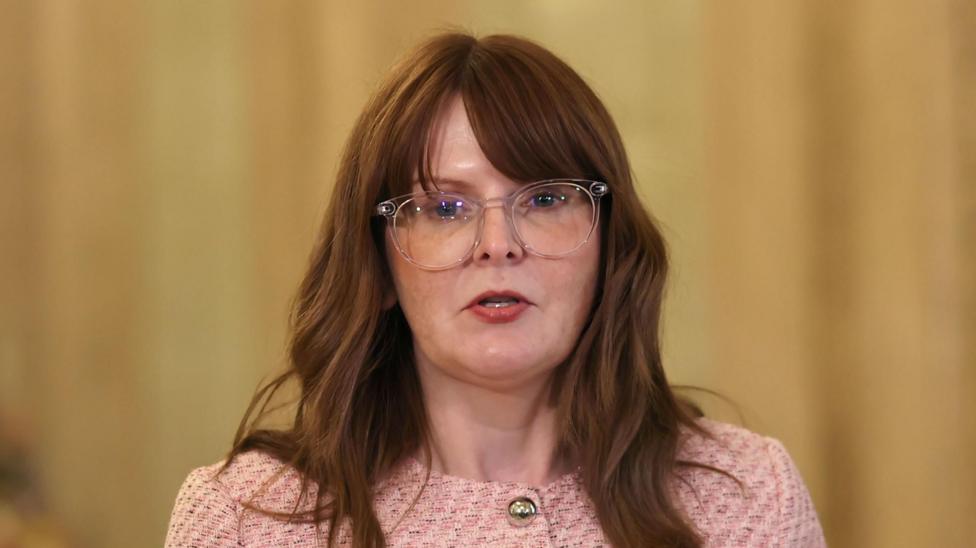
Stormont's Economy Minister, Caoimhe Archibald, expressed apprehension regarding the steel tariff's impact.
"The British government's current steel strategy is about promoting primary steel production in Britain and in my view there has been little thought about potential downstream impact on the companies here that use the steel.
There are issues around volumes, so the concern is there won't be anywhere near enough steel produced in Britain to meet demand."
Archibald criticized the government's commitment to a 12-month review as insufficient.
"I think it needs to be reviewed much sooner, so I will be raising it again with my British counterparts this week and I will once again put my concerns to them."
- EU steel tariff hike threatens 'biggest ever crisis' for UK industry
- Exhausts family firm 'may shut over steel imports'