Rising Meal Prices Impact Dining Out Habits
The grilled chicken burger has long been James Deegan's preferred dish at his favourite restaurant, but he is increasingly dissatisfied with it.
"It used to cost £12, it's now £18," he explains. "Plus a drink, obviously, it's quite a big jump."
This significant price increase over recent years frustrates James, making dining out a luxury he now enjoys only a few times per month.
James, 27, from Crewe, a basic rate taxpayer working as a carer for autistic people, must carefully manage his expenses to cover all his outgoings, limiting his social activities.
"You have to budget for the little things,' he says, "the things that you enjoyed [freely] before."

Cost of Living Crisis Reduces Disposable Income for Socialising
The UK's cost of living crisis has been widely reported in recent years. James once relied on a food bank when his finances were severely strained. One consequence has been a reduction in disposable income, leaving less money for social activities such as holidays, pub visits, or dining out.
Hospitality industry leaders report a dual challenge: customers have less money to spend, while business costs—including taxes, food, wages, and energy—are rising.
Many restaurants have increased prices to remain viable, yet some have still closed.
Data from Hospitality Market Monitor indicates that the number of UK restaurants fell by nearly 20% from 43,000 in December 2019, just before the Covid-19 pandemic, to 35,500 in December 2025.
A YouGov report published in October found that 38% of 2,000 British respondents were dining out less frequently than the previous year.
Among those dining out less, 63% cited price increases as the main reason, closely followed by 62% who mentioned the increased cost of living.
Challenges Faced by Restaurant Owners
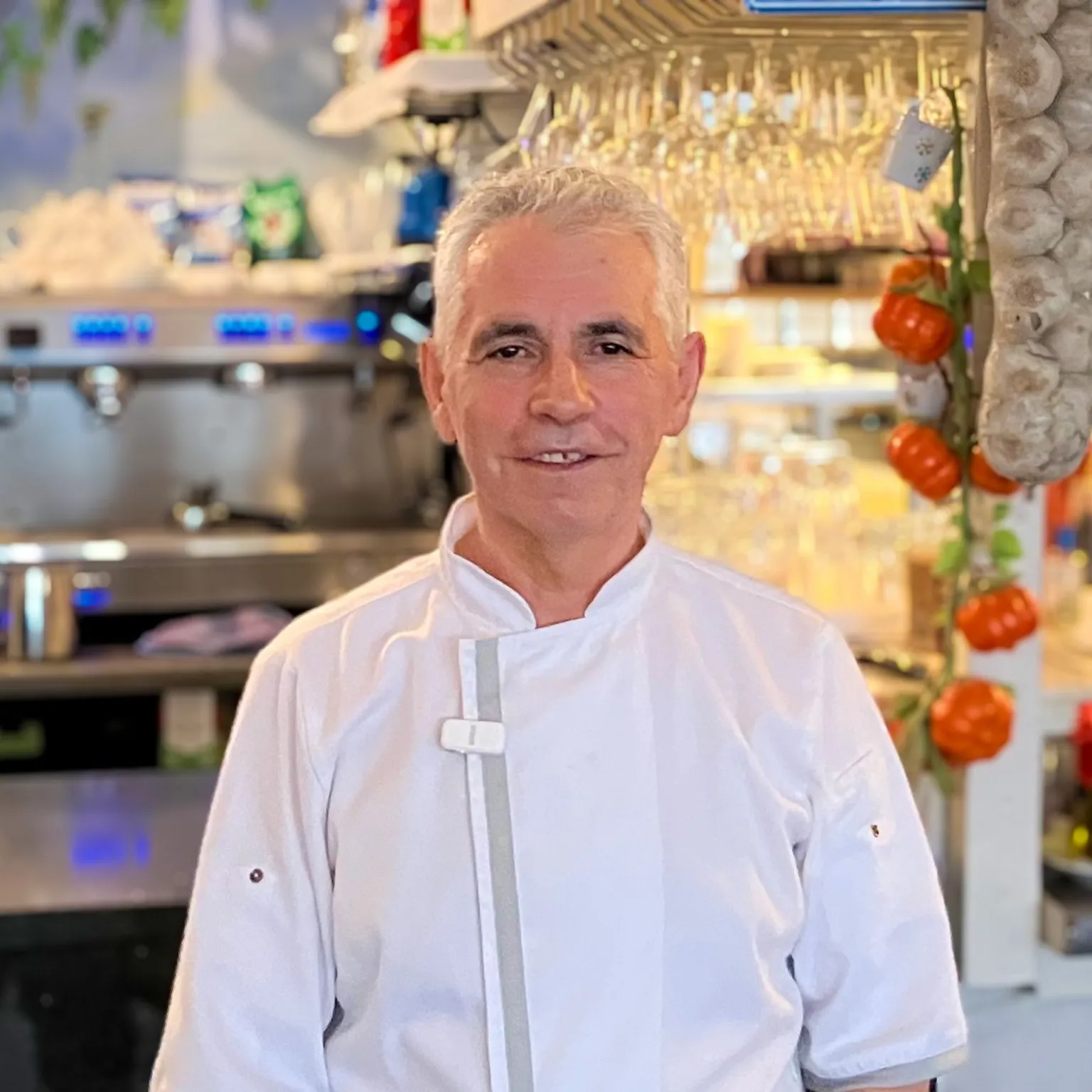
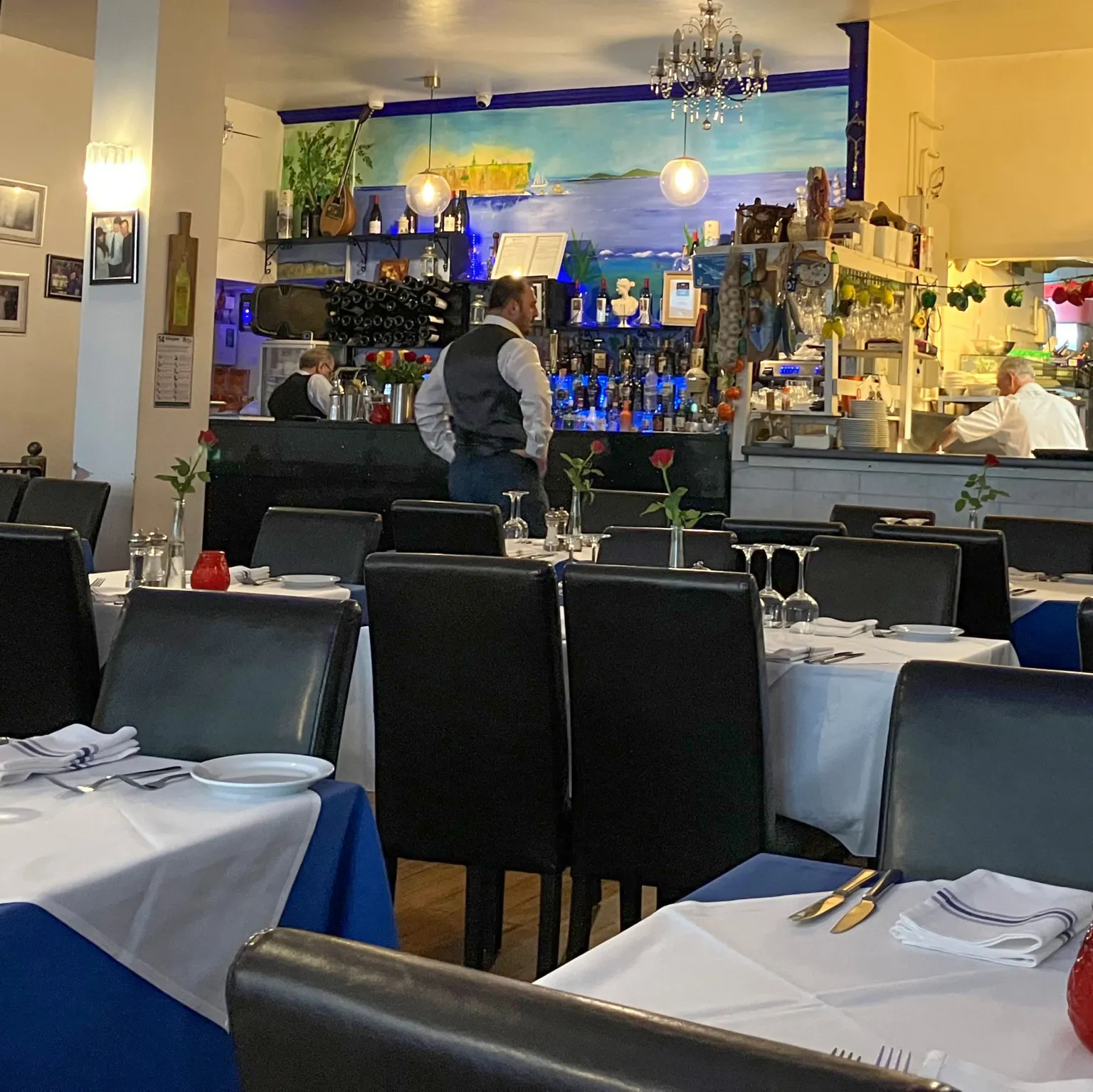
Petrit Velaj has worked in Greek restaurants for 30 years and opened his own near St Peter's Square in central Manchester in 2010.
Rozafa, his restaurant, is decorated with awards for outstanding cuisine and photographs of famous visitors including Priscilla Presley and Boris Johnson.
Petrit's family originates from Corfu, and besides serving Greek dishes, he enjoys hosting traditional Greek music and cultural events at Rozafa.
However, Petrit is uncertain about the restaurant's future.
"Honestly, I love my job," he says over a white-dressed table at Rozafa. "I love to cook good food and offer good service to people - to make them smile, make them happy."
He explains that for every £100 the restaurant earns, approximately £55 goes to various taxes.
"With the £45 left over, you have to pay for everything else - gas, electricity, water, rent, food, wages." He notes that all these costs have risen compared to a few years ago.
Petrit also owns a restaurant in nearby Stockport and employs 18 people, some of whom he has worked with for 20 years.
He is acutely aware that his staff have families to support, and some months are so financially tight that he does not pay himself a wage.
"Fortunately, my children are grown up and they have their own money now," he adds.
Petrit feels that all aspects of running a restaurant have become more difficult since he began in the industry.
He, like many chefs, criticizes increases in National Insurance and business rates and highlights local issues such as limited parking and unclean streets that deter diners.

Celebrity chef Gordon Ramsay has echoed concerns about tax rises, warning that restaurants face a "bloodbath" and urging more careful implementation of business rate increases.
Following Ramsay's comments, the government announced a support package for pubs but excluded restaurants.
Chancellor Rachel Reeves expressed particular concern about the impact of business rates on pubs compared to other high street businesses.
Petrit worries about Rozafa's potential closure, not only for himself and his staff but also for the local community.
Several well-known Manchester city centre eateries near Rozafa closed last year, including TNQ Restaurant & Bar after 22 years of operation.
"Restaurants are a good thing for society," Petrit says. "For people to come out, enjoy their nights and have a taste of other cultures. The Greeks, you know, are the oldest culture on the planet."
Restaurants’ Role in Local Economy and Culture
Kate Nicholls, chairwoman of the UK Hospitality trade body, agrees on the cultural and economic significance of restaurants in British towns and cities.
"If you want to have a well-invested high street, if you want to have jobs for your sons and daughters - as well as Saturday jobs or summer jobs - then it's the restaurant sector that is going to be delivering that," she says.
Nicholls emphasizes that restaurants contribute to the appeal of high streets, encouraging people to spend time there and supporting other local shops and businesses.
"They are valuable assets - use them or lose them."
Even diners with above-average disposable incomes have altered their restaurant habits due to the higher cost of living.
Changing Dining Habits of Families
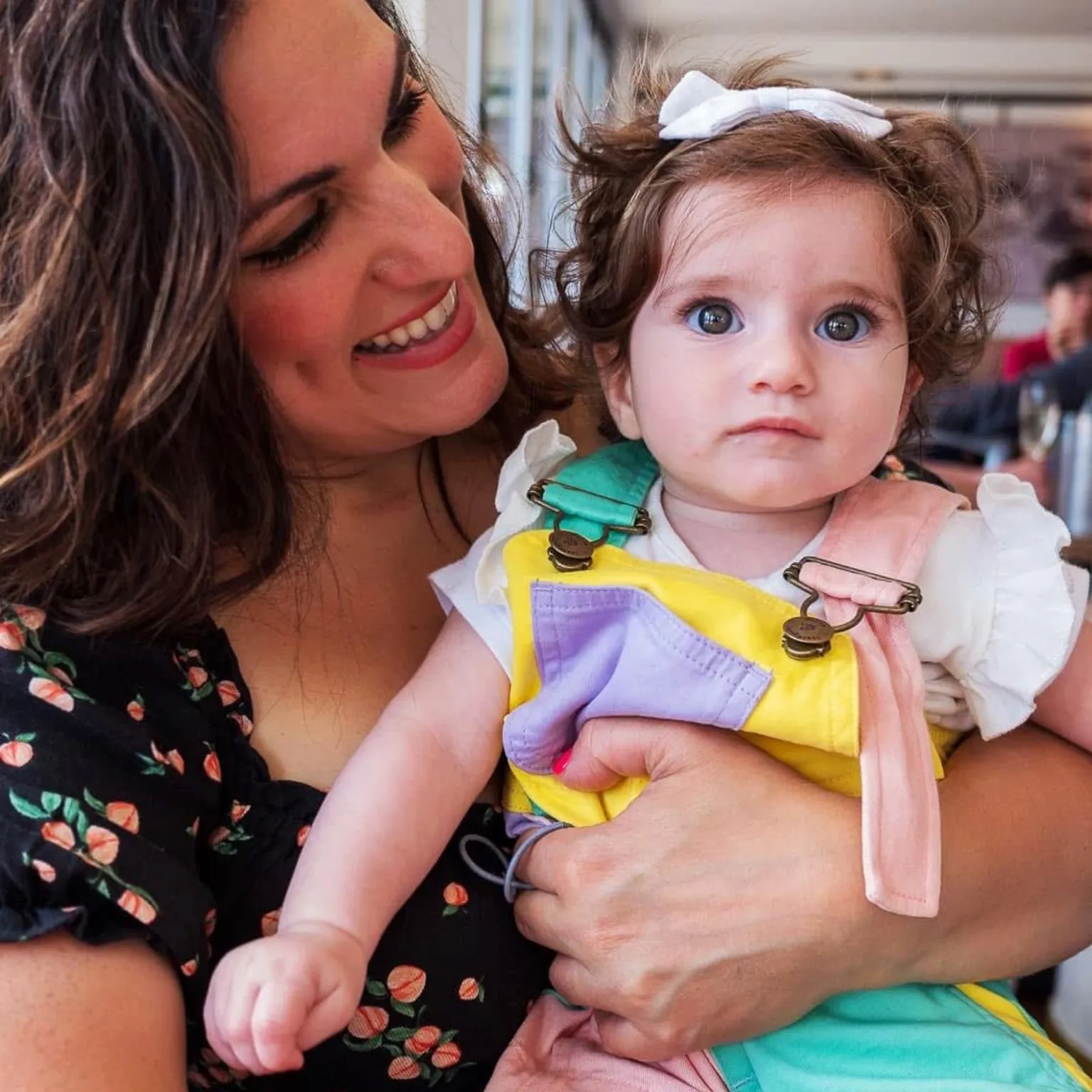
Vicki Broadbent, a children's author and parenting blogger, values restaurants highly, having grown up in a family that ran one.
She and her husband live in Harrogate with their three children and typically dine out about once a week.
Dining out is important to them not only for enjoying good food but also for spending quality time together amid busy work and study schedules.
"We don't tend to order starters anymore," Vicki says. "[They] are quite expensive and some dishes could be £7-9, which could go towards a bigger main course instead."
Her two teenage sons, who are growing rapidly—one is 6ft 2in tall—no longer find the children's menu portions sufficient.
To reduce their bill, Vicki and her husband often avoid alcoholic drinks unless celebrating special occasions, opting for soft drinks and water instead.
The family sometimes orders takeaways to save money, but Vicki notes that portion sizes have decreased, making value for money difficult to find.
"Inevitably, my teenagers are frying eggs and making food a couple of hours later," she says. "Then you think, 'Well, what was the point in that £100 takeaway?'"
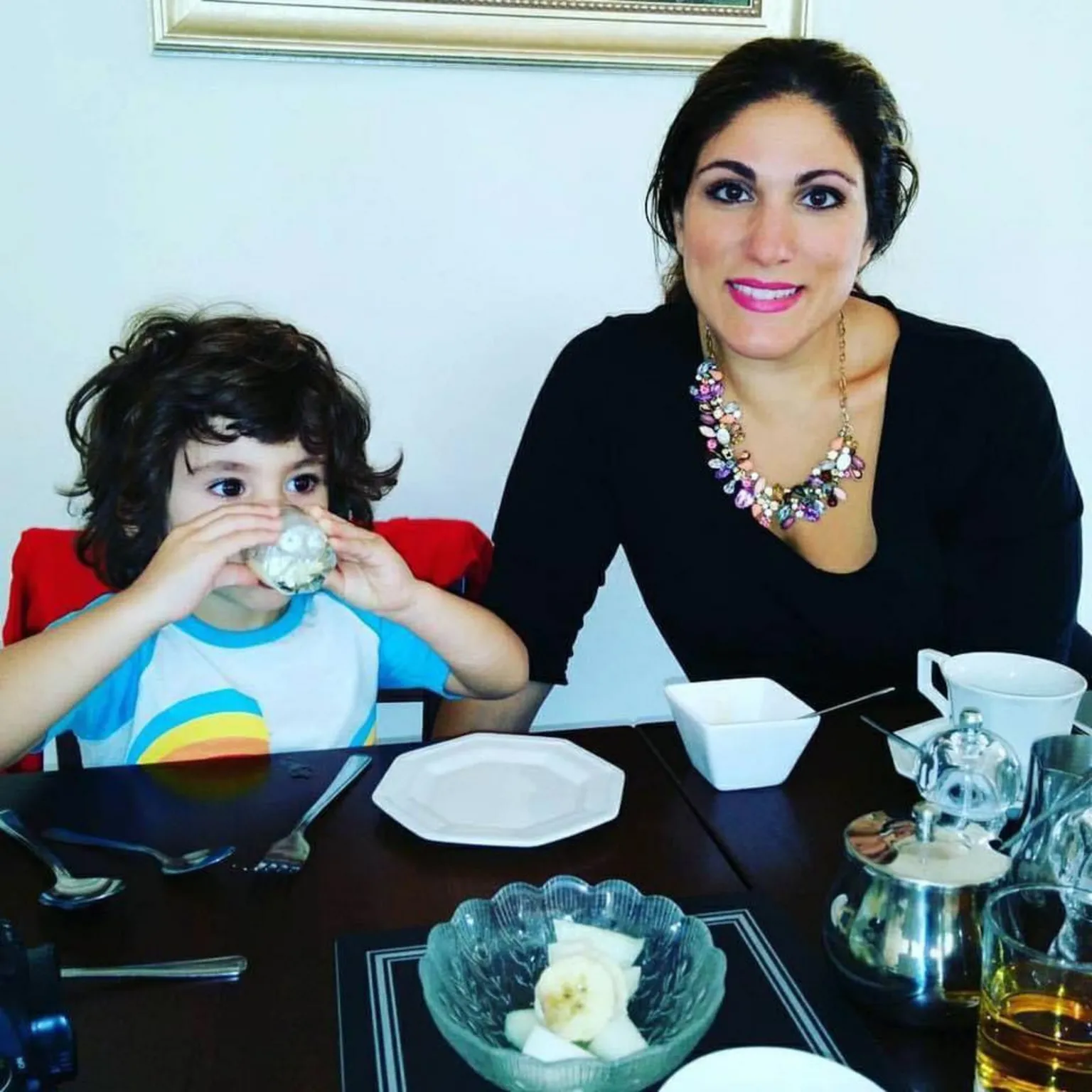
Vicki often chooses restaurants based on available discounts, a practice common among many diners.
Sarika Rana, head of consumer research at YouGov, notes that while people still value the experience of eating out, the cost of living heavily influences their choices.
"Half the diners we surveyed said they had made different choices to save money - including eating in cheaper restaurants and ordering fewer dishes. Forty-six percent of people told us they skip desserts," Rana adds.
Personal Impact and Future Outlook
Back in Crewe, James closely monitors his finances to afford occasional meals with friends or family.
Eating out is an experience he values as a mental recharge after demanding care work, but he wishes such small luxuries did not require such careful budgeting.
"It's crazy," James says. "It's ridiculous how hard it is."