

City Firms Launch ‘Savvy’ Campaign to Encourage UK Investing
Red squirrel characters have a notable history in UK public information campaigns. Older readers may remember Tufty, whose friend Willy Weasel often faced dangers like being hit by cars, while clever Tufty always advised looking both ways before crossing.
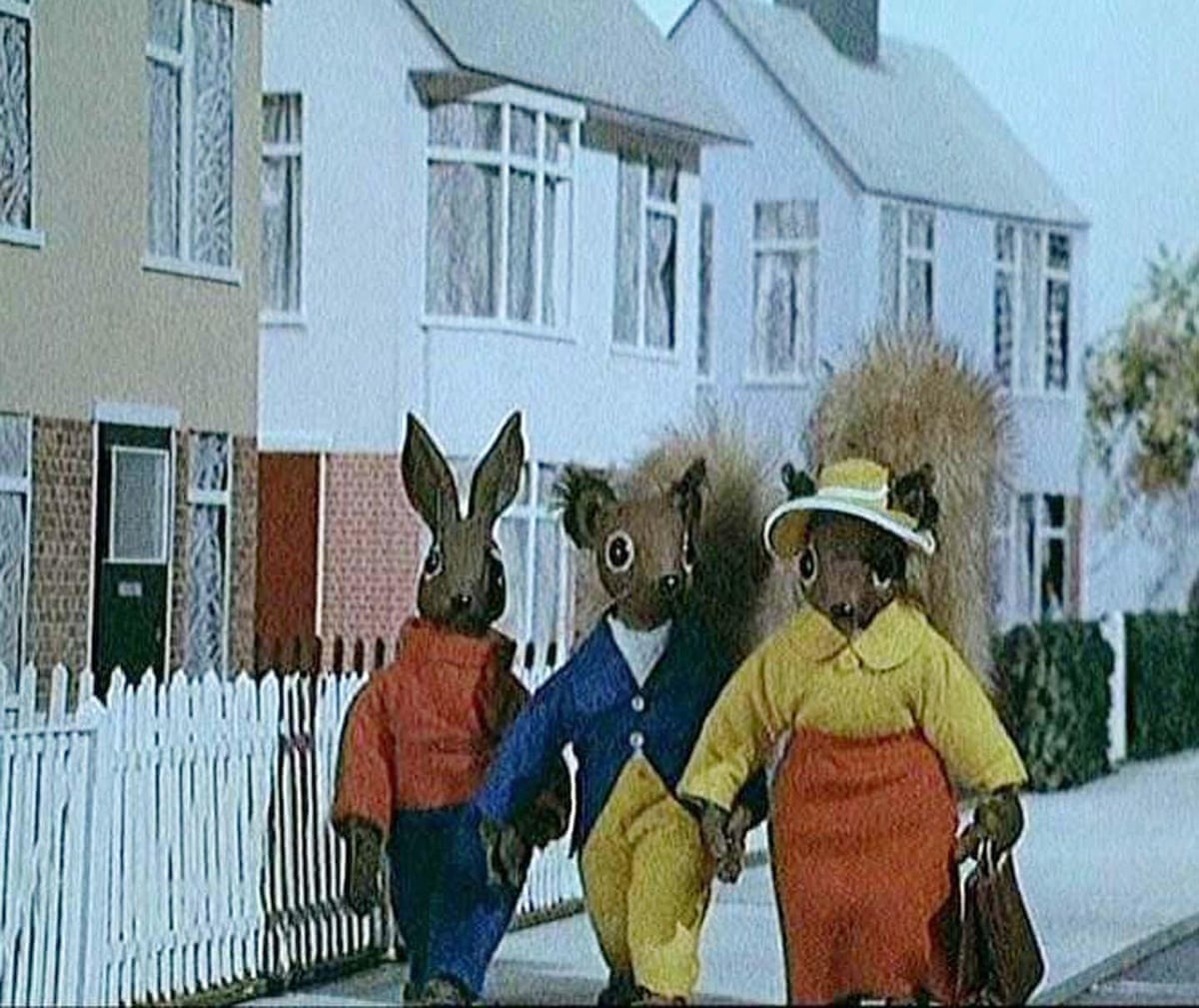
Now, the financial services industry, supported by the chancellor and backed by a multi-year advertising budget, introduces Savvy Squirrel. The campaign aims "to drive a step-change in how investing is understood, discussed and adopted," according to its description. In essence, it encourages people not to simply squirrel away money in a cash ISA but to consider taking some investment risks to protect their long-term financial wellbeing.
The Rationale Behind Promoting Investment
The campaign’s cause is commendable, much like road safety efforts. Numerous studies on long-term financial returns consistently highlight inflation as an investor’s adversary and emphasize the cost of holding cash over extended periods.
One authoritative source, the Equity Gilt Study by Barclays, illustrates this clearly. Between 2004 and 2024, cash investments yielded a real return of minus 40.5% (adjusted for inflation and including interest). In contrast, a diversified portfolio with 60% UK equities and 40% gilts achieved a 21.6% real return. This represents a missed opportunity of 62.1 percentage points, an enormous gap.
Government and Market Interests Align
Rachel Reeves’s support for promoting investment stems not only from a desire to assist savers but also to facilitate capital market activity. A robust economy requires a vibrant stock market that is accessible to retail investors. It is notable that an estimated £610 billion remains in UK cash savings; clearly, not all of this is emergency money or funds earmarked for house purchases.

While Americans are known for closely following stock markets and discussing their 401(k) pension plans, the UK’s retail investment culture lags behind even some European countries. Sweden, for example, has encouraged investment through tax incentives and other reforms. Even cautious Germany exhibits a more open approach. Thus, the campaign’s ambition is worthy of recognition.
Concerns Over Campaign’s Impact and Approach
However, there is skepticism about the campaign’s effectiveness, as it appears rather tame.
One might imagine a more impactful launch involving a cut in stamp duty on share purchases, a policy change that would attract attention and is supported by sound reasoning. Although regulations for banks and investment firms are being relaxed to permit more targeted advice alongside "capital at risk" warnings, recent news in ISA regulations focuses on HMRC’s strict interpretation of tax treatment for cash held within stocks and shares accounts, which may generate negative sentiment.
The campaign’s stated goals seem vague, focusing on "helping people build confidence over time." While this aligns with market research, the aim to "create more opportunities for everyday conversations" feels weak, especially when teenagers are actively trading cryptocurrencies on their phones and numerous sophisticated apps are available. The target audience likely can handle a more direct message.
Regarding the campaign mascot, the squirrel risks blending into a crowded field of CGI animals used by financial firms. For a campaign intending to stand out, choosing a character that initially appears generic may be a missed opportunity.
In contrast, the 1970s public information films featuring Tufty had a clear and memorable message about consequences, which resonated even with young children. While the Savvy Squirrel campaign is well-intentioned, there is concern that its message may struggle to gain traction.


