Impact of Iran War on Fuel Costs
The rise in oil prices caused by the ongoing conflict in Iran has resulted in an additional £64,000 added to the weekly fuel bill of a Welsh haulage company. This increase has raised concerns that consumers may eventually face higher prices for essential goods such as food and clothing.
Huw Owen, the founder of Wales' largest haulage company established in 1972, reported that diesel prices have increased by 30% and continue to rise.
The Road Haulage Association (RHA) has warned that these increased costs will "inevitably" be passed on to consumers. The association has urged the UK government to maintain the 5p cut in fuel duty, which is scheduled to end in September.
A spokesperson from the Treasury stated that ministers are committed to ensuring drivers receive "a fair deal" at the pump.
Operational Challenges for Owens Group
Owen's company has experienced changes in fuel procurement practices, with suppliers discontinuing the option to order a week's supply of fuel in advance. Consequently, the company must now negotiate the cost of daily fuel deliveries to its depots.
Following the surge in oil prices after the outbreak of war in Iran, Owen remarked that the company felt the impact immediately, with current fuel prices approximately 30% higher than before the conflict.
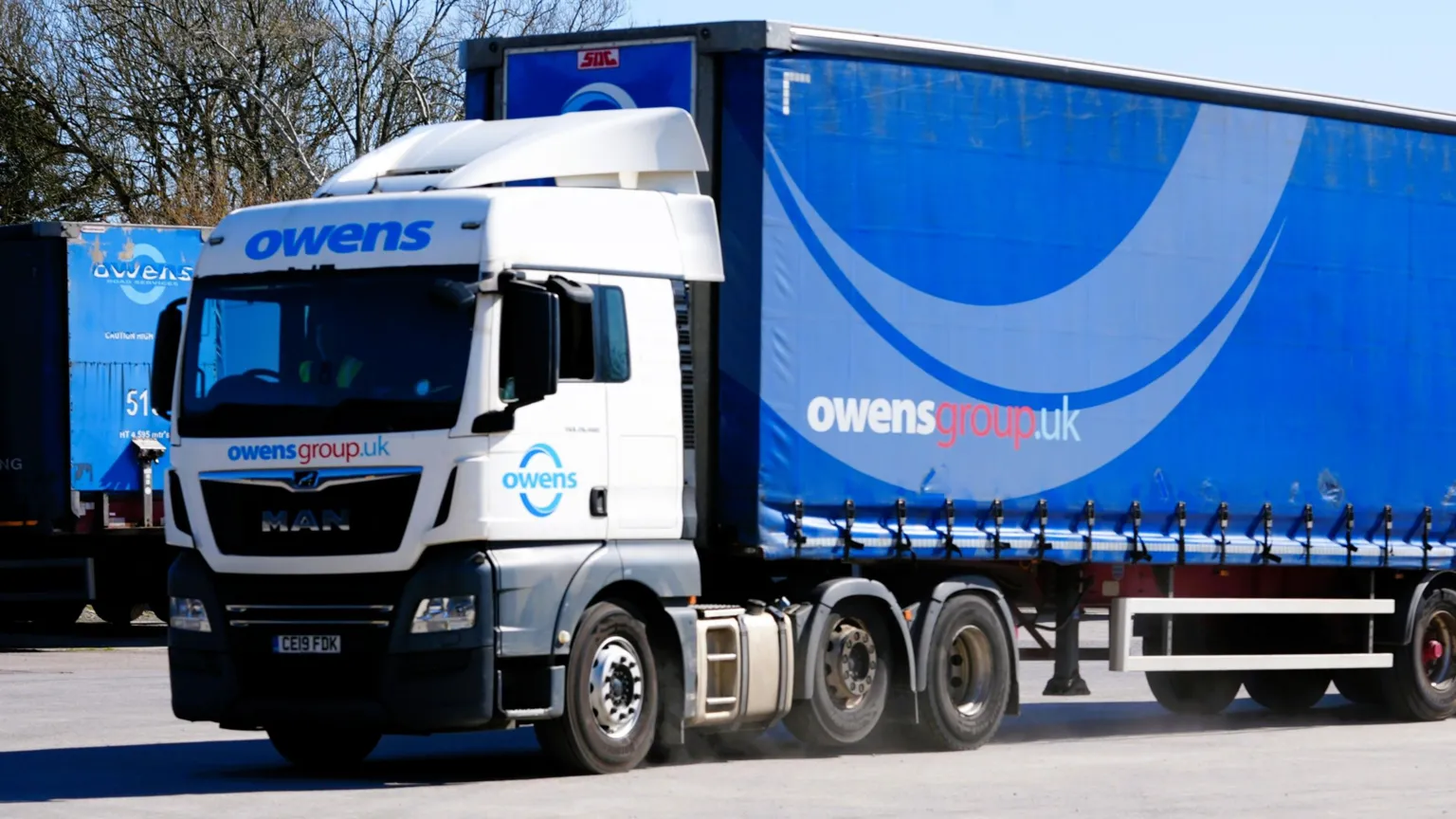
Owens Group operates a fleet of approximately 600 trucks and vans that traverse the United Kingdom, delivering goods on behalf of various businesses.
"With a fleet of that size, we burn a tanker [of fuel] a day. So before this, we were ordering fuel a week or a fortnight in advance.
But once this [war] came, there was an immediate cut [to that facility] and the prices went up overnight."

While some contracts include fuel escalators that allow prices paid by customers to fluctuate with diesel costs, many contracts do not permit the company to recover increased fuel expenses.
Global Oil Market and Supply Disruptions
Oil prices have exceeded $100 per barrel due to supply uncertainties following disruptions to shipping along the Strait of Hormuz, a critical route for oil tankers.
The Road Haulage Association has stated that the war in Iran is "having a profound impact already" on the costs associated with fueling lorries, vans, and coaches.
"We've seen this impact filter through very, very quickly in the fuel supply,"said Geraint Davies from the RHA.

Davies noted that absorbing price increases is challenging and that currently only "some operators are able to pass this on."
He cautioned that sustained high fuel prices "will have an inevitable inflationary effect" on consumers, as many products depend on road haulage for distribution to retail outlets and home deliveries.
The RHA criticized UK government proposals to end the 5p cut to fuel duty in September, warning this would "add fuel to the fire of inflation" and called for the decision to be reversed.
Government Response
The UK government acknowledged inheriting a "broken financial system" that included plans to raise fuel duty.
A spokesperson for HM Treasury emphasized that the government extended the 5p fuel duty cut to September to save drivers approximately £49 and introduced a new fuel finder tool to ensure drivers receive a fair deal at the pump.