

Buy Now Pay Later rules to bring refunds and rejections
Shoppers using Buy Now Pay Later (BNPL) services will gain stronger consumer protections, but some applicants will face loan refusals as new regulations take effect.
Starting Wednesday, BNPL lenders must obtain approval from the Financial Conduct Authority (FCA) to operate. This change provides consumers with greater access to refunds and independent rulings on unresolved complaints when issues arise.
Major providers like Klarna and Clearpay have grown significantly, enabling consumers to pay in interest-free instalments. However, campaigners have frequently described the broader BNPL sector as an unregulated "Wild West."
Concerns have emerged that new affordability assessments applied to every BNPL transaction could result in some consumers being blocked for the first time, potentially pushing them toward unregulated and predatory lenders.
"While regulation is clearly needed and welcomed, our recent research found that nearly half of those likely to be rejected have not missed a BNPL payment," said Kate Pender, chief executive of not-for-profit Fair4All Finance, which advocates for fair and accessible financial services.
"The need for credit doesn't just disappear when you can't access it and people are often pushed towards more expensive or unregulated alternatives."
What's changing under new rules
Only lenders authorised by the FCA will be permitted to offer BNPL services, aligning these providers more closely with credit card companies and banks that offer loans.
Consumers can now escalate unresolved BNPL complaints to the Financial Ombudsman Service (FOS) for independent adjudication. The FOS anticipates handling approximately 2,000 cases by the end of March.
Customers may claim refunds and compensation for faulty goods costing over £100 through the BNPL provider under Section 75 protections, similar to purchases made with credit cards.
Shoppers must pass an instant, automatic affordability test to confirm they can repay the loan; otherwise, the BNPL purchase will be declined.
Borrowers must receive clear upfront information about the loan terms, including consequences of missed payments, and be directed to free debt advice if they experience financial difficulties.
Regulators assert that stricter oversight will prevent consumers from impulsively purchasing unaffordable items, accumulating excessive debt, and incurring late payment fees.
However, Pender estimates that between 10% and 30% of BNPL users could fail these "conservative" affordability checks, which individual lenders design. This may leave many unable to purchase essential items.
Loan sharks would be "thrilled at the prospect," she told , noting that younger consumers and those with prior repayment issues are more likely to be rejected.
BNPL has been especially popular among 18 to 24-year-olds, though it is widely used across all age groups.
'It didn't feel like debt'
Many debt charities have welcomed the regulatory changes, which they say have been delayed for years. They continue to advise consumers to pause before making BNPL purchases and consider whether they would buy the item without credit availability.
They also highlight that some retailers' in-house BNPL products will not fall under the new regulations.

Advice service Money Wellness reports that consumers increasingly spread smaller purchases across multiple BNPL agreements instead of using BNPL for occasional high-value items.
"Our concern isn't Buy Now Pay Later itself. It's what can happen when people begin relying on multiple forms of credit simply to make ends meet," said Matthew Sheeran, its external relations manager.
Tim Riesner was among those who took out various loans, including BNPL, only to face financial difficulties after life changes.
"It didn't feel like debt. It felt like convenience. You're buying something online and it says 'split it, pay later'. You think you're being sensible. But you can have multiple plans running at once," he said.
"Before you know it, it's thousands. Add in loans, credit cards, bits of finance here and there, and suddenly I owed £24,000."
His financial situation deteriorated after he had to leave well-paid construction work due to eyesight problems.
"Nobody should have any sympathy for me at all. I'm an adult. I knew what I was doing. The responsibility lies with me. However, advertising is very seductive. It draws you in, because the society that we live in is the society that says you can have it, and you can have it right now," he told the BBC.
After a difficult period, Tim contacted the charity Business Debtline, where staff assisted him in reviewing his debts, arranging a Debt Relief Order, and he is now progressing toward being debt-free.
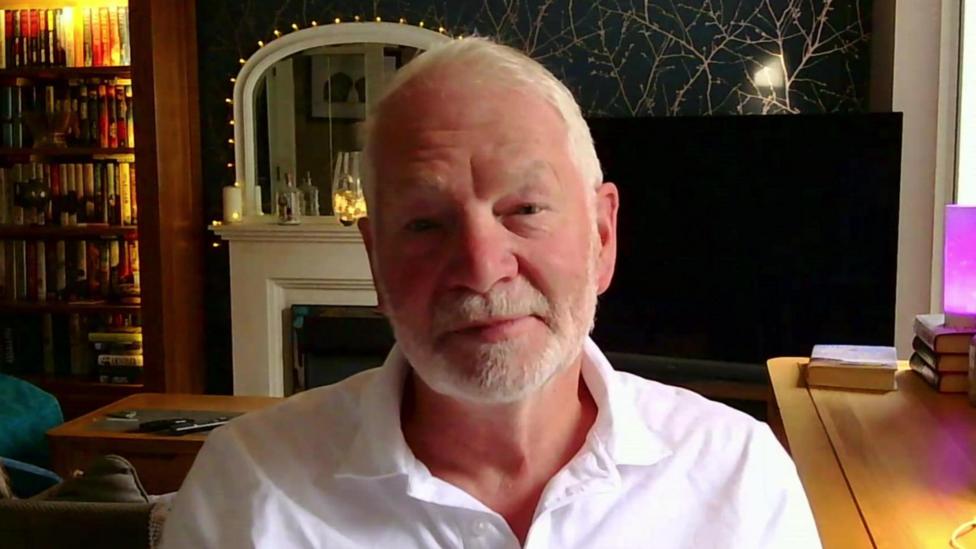
Jack Sporcic, a debt adviser at National Debtline, emphasized:
"We are urging consumers to treat Buy Now Pay Later in exactly the same way as any other form of borrowing.
We often see people using Buy Now Pay Later for everyday essentials such as food, energy bills and household basics."
Bill debt soars but many don't know help is available
One million more UK homeowners are expected to face higher mortgage costs.
Guides on how to change bank, energy, or broadband providers to save money are increasingly relevant.
Credit reference agency Experian, which already receives data voluntarily from some BNPL providers, estimated that more than 100 million BNPL transactions were made by 8.5 million customers in 2025, totaling over £7 billion in spending.
Of this spending, 98.5% of balances were repaid on time.
Leading BNPL providers have supported regulation of the sector, while calling for the ability to continue innovating.
"The FCA's rules largely formalise what we already do - we run affordability checks, show costs upfront and report to credit reference agencies," said a spokesman for Klarna, whose average customer age is 38.
"Interest-free buy now pay later is a simpler, fairer, lower-cost alternative to revolving credit. Robust regulation that gives consumers added confidence and strengthens their access to protections is a good thing."


