Oilfield Shutdowns Risk Driving Prices Beyond 2008 Record Amid Iran Conflict
The world’s largest offshore oilfield, the Safaniya field, extends over 40 miles from Saudi Arabia’s eastern province into the Persian Gulf. For nearly 70 years, it has produced millions of barrels of Arabian heavy crude, making it a cornerstone of Saudi Arabia’s oil exports. This week, the field was shut down.
The ongoing war involving Iran has effectively blocked Gulf states from exporting approximately one-fifth of the global oil supply to international markets. Iranian attacks on tankers navigating the critical trade route have removed an estimated 15 million barrels of oil from worldwide availability.
However, beyond the immediate conflict in the narrow waterway just south of Iran, a more silent threat looms that could exacerbate the supply shock and drive prices even higher.
The principal risk is that the largest oil producers in the Middle East may be compelled to halt production at numerous oilfields entirely, which would sustain elevated prices for both consumers and businesses over an extended period. Analysts warn that, in a worst-case scenario, oil prices could surpass the 2008 record of $147.50 per barrel.
Producers have urgently sought to redirect crude oil flows to pipelines and storage facilities, but as these reach capacity, the only remaining option may be to cease production. This threat to Middle Eastern oilfields is now considered the primary factor behind the recent upward trend in market prices.
The price of Brent crude, a global benchmark, fell from peaks of $119 per barrel this week as international leaders prepared to call for a coordinated release of 400 million barrels of oil from member states to stabilize the market. Nevertheless, prices have begun to rise again as oilfields in Saudi Arabia, Iraq, and Kuwait have been shut down.
These shut-ins—temporary closures of oil and gas wells—combined with damage to critical energy infrastructure in the region, are expected to reduce production by 10 million barrels per day, according to the International Energy Agency.
Gas Supply Disruptions Compound Energy Crisis
The conflict has also disrupted global gas supplies. Qatar, which supplies about 20% of the world’s seaborne gas cargoes, was forced to halt its liquefied natural gas (LNG) production following Iranian attacks on its facilities.

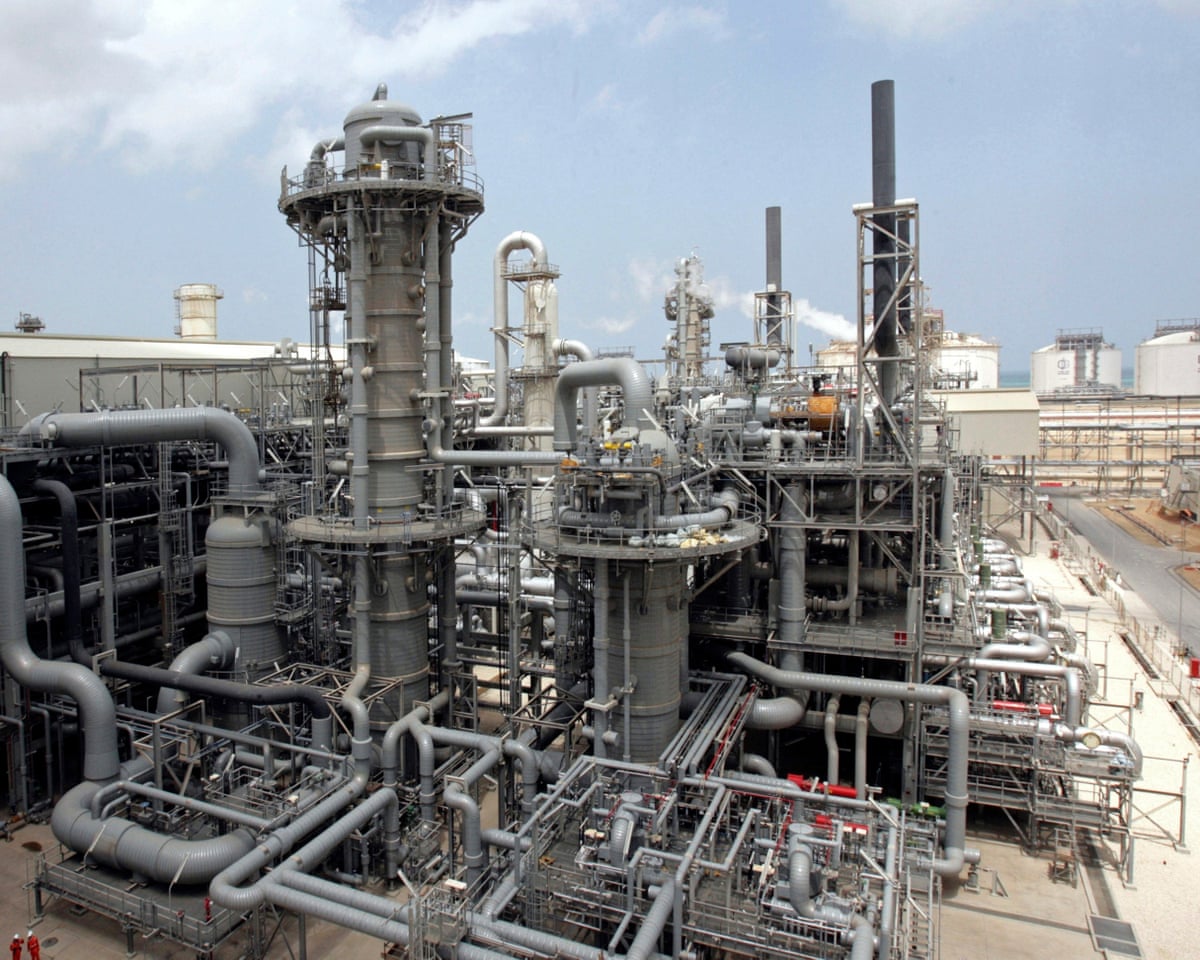
“It would take weeks to months to return to normal deliveries, even if the war ended today,” said Saad al-Kaabi, Qatar’s energy minister, in an interview with the Financial Times. He described the crisis as “the most significant in the world.”
With Gulf crude storage facilities nearing capacity and no resolution in sight for the Strait of Hormuz crisis, the region may face further shutdowns, warns Ajay Parmar, director at energy market specialists ICIS.
“The shut-ins will most certainly prolong higher oil prices – this is the main driver for higher prices that we see right now,” Parmar explained. He noted that the impact is twofold: it intensifies market fears about the ongoing supply crisis and increases the likelihood that production will remain constrained even if the strait reopens.
Challenges of Restarting Oilfields
Restarting a closed oilfield is a complex and time-consuming process. Depending on infrastructure conditions and geological factors, it can take weeks to restore full production, with some fields potentially never fully recovering.
“Restarting field production of this scale will be a massive technical exercise,” said Jim Burkhard, global head of crude oil research at S&P Global Energy. “Depending on the reservoir and how long it is [in] shut-in, it could take weeks, months or more to fully restore output.”
Saudi Arabia’s Response and Pipeline Diversions
Saudi Arabia’s state-owned oil company, Aramco, has reassured markets that it expects to export 70% of its usual output. The company is transporting crude extracted from the Gulf more than 750 miles westward across the kingdom via a pipeline to the Red Sea port of Yanbu.
Saudi oil exports through this route have doubled from approximately 1.5 million barrels per day to 3 million barrels per day, with Aramco projecting an increase to 5 million barrels per day within days.
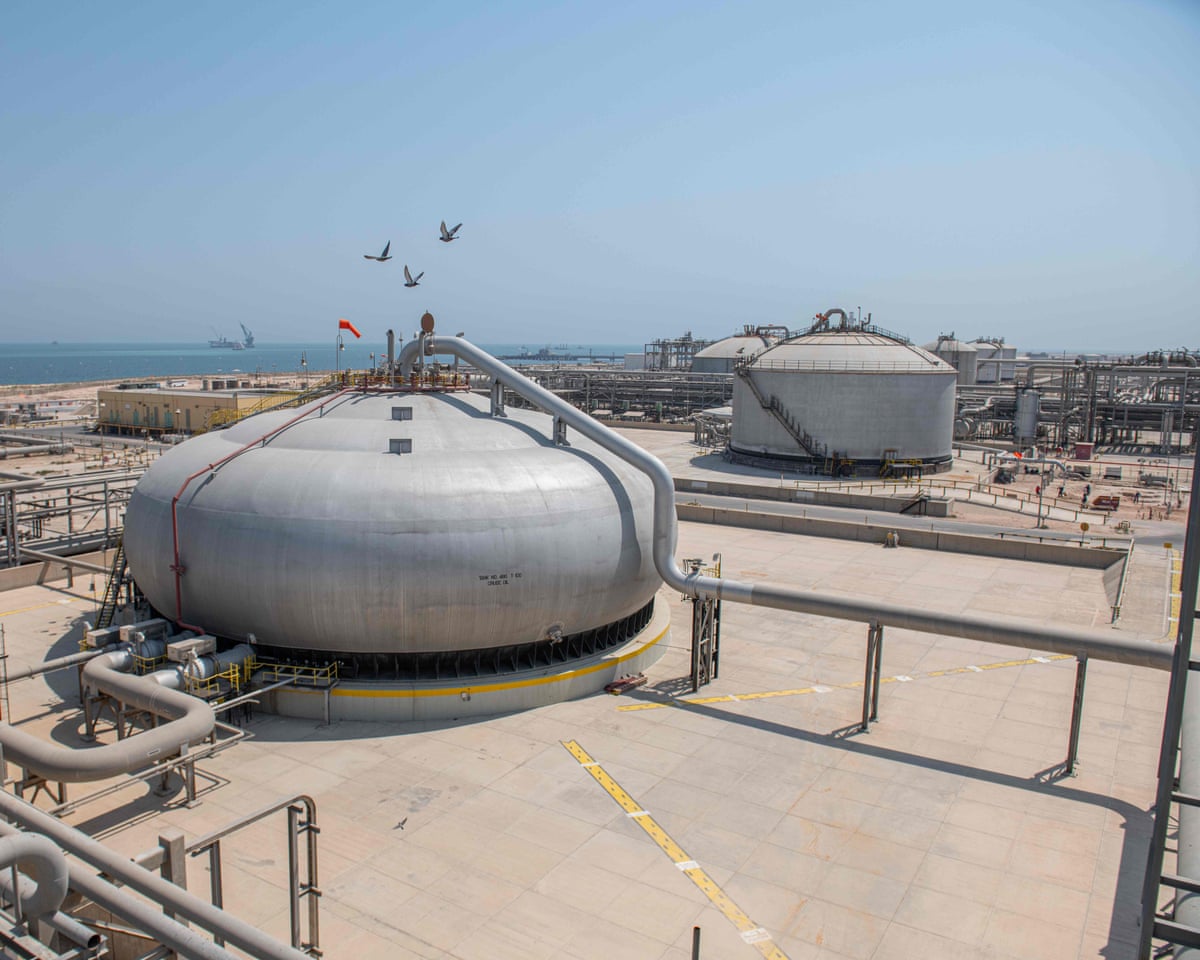
Currently, at least 25 large oil tankers are en route to Yanbu to facilitate shipping Saudi crude internationally, according to Aditya Saraswat, director at Rystad Energy. Near Fujairah, east of the Hormuz chokepoint, tankers are prepared to load crude piped from the United Arab Emirates’ Gulf oilfields. UAE pipeline crude shipments have increased from 1.1 million barrels per day to 1.6 million barrels per day this week as seaborne trade has declined.
Limits of Pipeline Capacity and Storage
Parmar notes that pipeline rerouting options have limitations for Saudi Arabia and the UAE. The UAE faces about 1 million barrels per day of crude that remains unsold via pipeline, with under 20 days of storage capacity left. Aramco has approximately 2 million barrels per day unable to leave Saudi Arabia without shutting down the Safaniya and Zuluf fields, with about seven days of storage available.
“Additionally, Iraq, Kuwait and Iran itself have no pipeline capacity to bypass the strait,” Parmar added. Iraq’s main southern oilfields have seen production fall nearly 75%, from 4.3 million barrels per day pre-crisis to 1.3 million barrels per day, with less than five days of storage remaining. Kuwait, which pumped about 2.6 million barrels per day earlier this year, has made unspecified production cuts and has less than 11 days of storage.
Concerns Over Long-Term Production Recovery
In Saudi Arabia, questions remain about whether the aging Safaniya field, which began production in 1957, will return to previous output levels. However, Parmar advises caution before dismissing this vital asset.
“Saudi oilfield and refining capabilities are extremely high-end and it would not surprise me if the company was indeed able to return the field back to previous capacity levels over time,” he said.