

Live Nation Settles US Antitrust Case
Live Nation, the concert conglomerate that owns Ticketmaster, has reached a tentative settlement with the US Department of Justice in an antitrust lawsuit concerning its dominant position in the live events market.
The lawsuit was initiated following the troubled ticket sale for Taylor Swift's Eras tour, which led the Justice Department to characterize Live Nation as a monopoly controlling nearly all live entertainment in the United States.
During testimony last week, witnesses claimed that Live Nation threatened concert venues with retaliation if they did not exclusively use Ticketmaster's ticketing services.
Under the proposed settlement, which awaits judicial approval, Live Nation will permit venues to contract with multiple ticket vendors to sell tickets to fans.
Furthermore, the company will allow touring artists to engage other promoters when performing at Live Nation-controlled venues.
Live Nation has also agreed to divest up to 13 concert venues and pay $280 million (£209 million) in damages to nearly 40 states that participated in the antitrust lawsuit against the California-based company.
If approved, this settlement would be significantly less severe than the Justice Department's initial proposal to dismantle the company.
The existence of the settlement was disclosed in court on Monday, following an earlier report by the Politico website.
The revelation reportedly frustrated Judge Arun Subramanian, who is presiding over the case, after learning that Live Nation and the Justice Department had finalized their agreement the previous Thursday.
Judge Subramanian expressed displeasure at being uninformed during a meeting with both parties on Friday morning.
"It shows absolute disrespect for the court, the jury and this entire process," said Judge Subramanian in court on Monday. "It is absolutely unacceptable."
An attorney representing the Department of Justice stated she was unaware of the settlement during Friday's court proceedings.
Request for Mistrial
Separately, attorneys representing some of the states involved in the case rejected the settlement and indicated they would continue pursuing legal action against Live Nation.
"For years, Live Nation has made enormous profits by exploiting its illegal monopoly and raising costs for shows," said New York Attorney General Letitia James in a statement.
"The settlement recently announced with the US Department of Justice fails to address the monopoly at the centre of this case, and would benefit Live Nation at the expense of consumers."
A lawyer representing Washington DC also filed a motion for a mistrial on behalf of the states. Judge Subramanian is currently considering this request.

Live Nation's Market Presence and Financials
Live Nation is a major player in live music and sports events. In 2025, it organized over 55,000 concerts worldwide, attracting 159 million attendees.
The company's financial report released last month showed revenue for 2025 increased to $25.2 billion (£18.7 billion), a 9% rise from the previous year, while operating profit surged by more than 50% to $1.3 billion.
Live Nation holds stakes in 460 venues and has controlled Ticketmaster, the world's leading ticket seller, since 2010.
Ticketmaster and Live Nation have faced ongoing criticism from fans, lawmakers, artists, and competitors who accuse the company of artificially inflating ticket prices through fees and service charges.
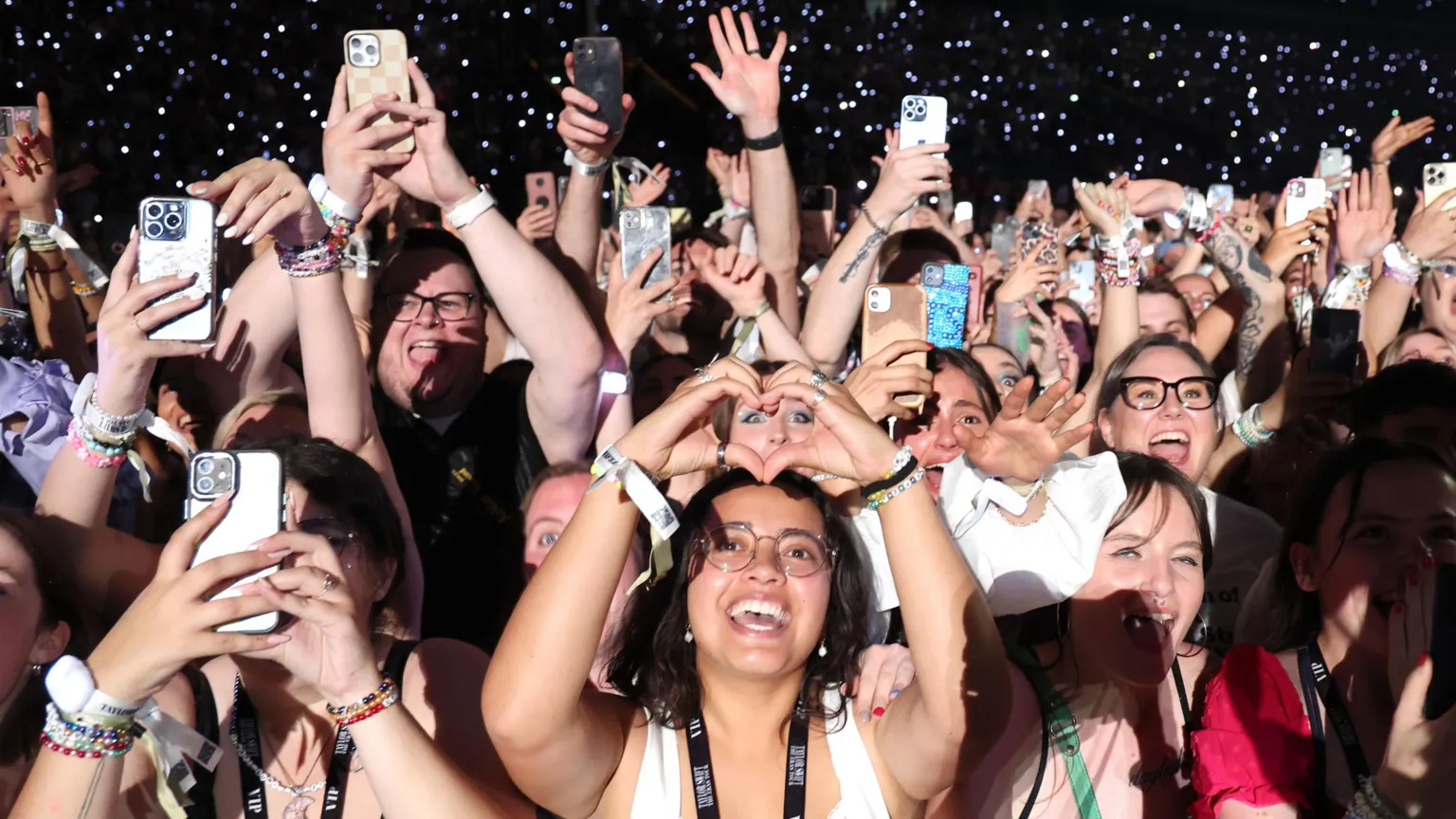
Calls for scrutiny of the company's dominance intensified following the problematic ticket sale for the first leg of Taylor Swift's Eras Tour in 2022, which left fans stuck in online queues for hours.
Ticketmaster later issued an apology to Swift and her fans during a US Senate hearing.
Trial Details and Allegations
The trial, which began last week, saw the Justice Department accuse Live Nation of abusing its dominant market position by pressuring artists and venues to sign exclusively with it, suppressing competition, and imposing excessive fees on fans.
The first witness, John Abbamondi, formerly of the Barclays Center arena in Brooklyn, testified that Live Nation CEO Michael Rapino threatened to divert concerts away from his venue after it chose to work with rival ticketing company SeatGeek.
During the trial, a recording of a phone call was played in which Rapino told Abbamondi it would "be a tough time to deliver tickets or concerts, with a new competitor in town." Abbamondi interpreted this as a threat, and testified that Live Nation subsequently moved shows away from the Barclays Center.
Live Nation denied that the call constituted a threat, attributing the venue's decline in popularity to the opening of a rival arena nearby.
The company has previously argued that the government's case misinterprets the complexities of the live event industry.
Live Nation maintains that artists and their management ultimately set ticket prices, and that venues—not Ticketmaster—receive the majority of fees added to ticket prices.
However, in many US shows, Live Nation owns the venue or acts as the artist's management.
Following news of the proposed settlement, shares in the California-based company rose approximately 6%.


