Government Takes Ownership of Permanent TSB in 2011
In April 2011, the Irish public learned that they had become the new owners of a small bank named Permanent TSB (PTSB).
This development was not met with celebration.
A government-commissioned report had revealed that the problems within the country's banking system were more severe than initially anticipated, and that PTSB required a €4bn (£3.49bn) capital injection merely to remain operational.
No commercial investor was willing to undertake such a deal, which meant that the bailout would have to be funded by taxpayers.
The €4bn represented only a portion of the public funds injected into Irish banks following their substantial losses on poor property loans.
Sale to BAWAG Marks End of Bailout Era
Now, 15 years later, this era is drawing to a close.
This week, the Austrian bank BAWAG agreed to purchase the government's majority stake in PTSB for €931m (£812m).
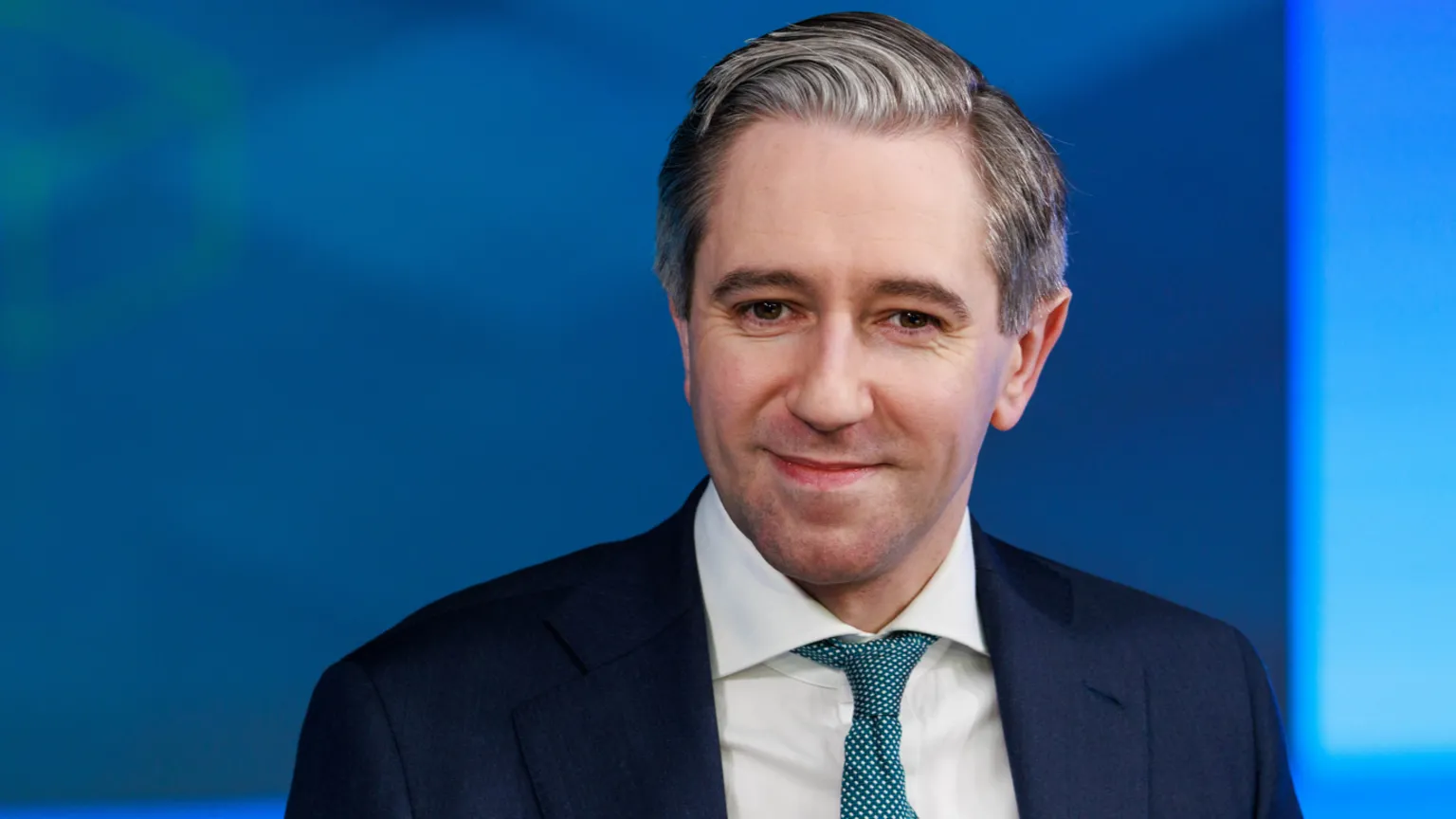
Tánaiste (Irish deputy prime minister) and Finance Minister Simon Harris described the transaction as
"the most significant development in the Irish retail banking market in over a decade."
He expressed hope that BAWAG's entry would increase competition in a market largely dominated by Bank of Ireland and AIB, the two principal survivors of the bailout period.
Harris also highlighted that the state had recovered most of its investment in PTSB.
In addition to the payment from BAWAG, prior asset sales and various fees have resulted in a total recovery from PTSB exceeding €3.7bn (£3.23bn).

Complex Debate on Bailout Effectiveness
Despite the state exiting its final major shareholding, the discussion regarding whether the bailouts were successful remains nuanced.
While Harris noted that taxpayers are approximately €1.3bn (£1.13bn) above break-even on their bailouts of PTSB, AIB, and Bank of Ireland, the overall picture is complicated by the disastrous collapse of more imprudent institutions.
Economic Expert Compares Recovery to Swedish Crisis
Dan O'Brien, chief economist at the Irish Institute of European Affairs (IIEA) and an expert who experienced the crisis firsthand, remarked that Ireland's recovery timeline closely resembles the Swedish banking crisis of the 1980s, which took nearly 20 years to restore stability.
However, the enormous losses incurred by the infamous Anglo Irish Bank, which cost taxpayers roughly €30bn (£26bn), prevent a straightforward narrative of success.
O'Brien suggested that
"if you take Anglo out of it... it would have been like the Swedish case from the 80s, and you could definitely say it was a success."
Controversy Over Protecting International Lenders
The conclusion of this era also revives debate over whether international lenders to Ireland's failing banks should have borne some losses, a concept known as "burning the bondholders."
O'Brien emphasized that the decision to shield these lenders was influenced by
"immense pressure" from the Eurozone.
He explained,
"There was absolute certainty in Frankfurt that if... bank bonds were burnt, then that would affect the borrowing cost of all banks across the Eurozone."
This led to the well-known ultimatum from Jean-Claude Trichet, then head of the European Central Bank, warning that
"a bomb would go off in Dublin" if bondholders were not protected.
Irish Public Remains Strongly Pro-EU
O'Brien noted it is remarkable that this experience did not increase Euroscepticism in Ireland.
He stated,
"If you look at opinion polling today about the European Union, Irish people are among the most pro-EU on all the metrics—in terms of pro-euro, pro-trust in the European Commission, trust in the European institutions, Ireland is right up at the top there."