

Household Energy Prices to Rise Sharply in July
Household energy prices in the UK are set to increase significantly in July as the impact of the Iran war causes wholesale costs to surge, affecting bills for the first time. On Wednesday, the energy regulator Ofgem will announce details of its new price cap, which will apply to millions of homes on variable tariffs across England, Scotland, and Wales.
Analysts forecast a 13% increase on the current price cap, meaning a typical household using average amounts of gas and electricity could face an annual bill rise of £209, reaching approximately £1,850 per year.
This announcement coincides with a record-breaking heatwave across much of the UK, although experts advise that consumers can take steps now to mitigate higher bills later in the year.
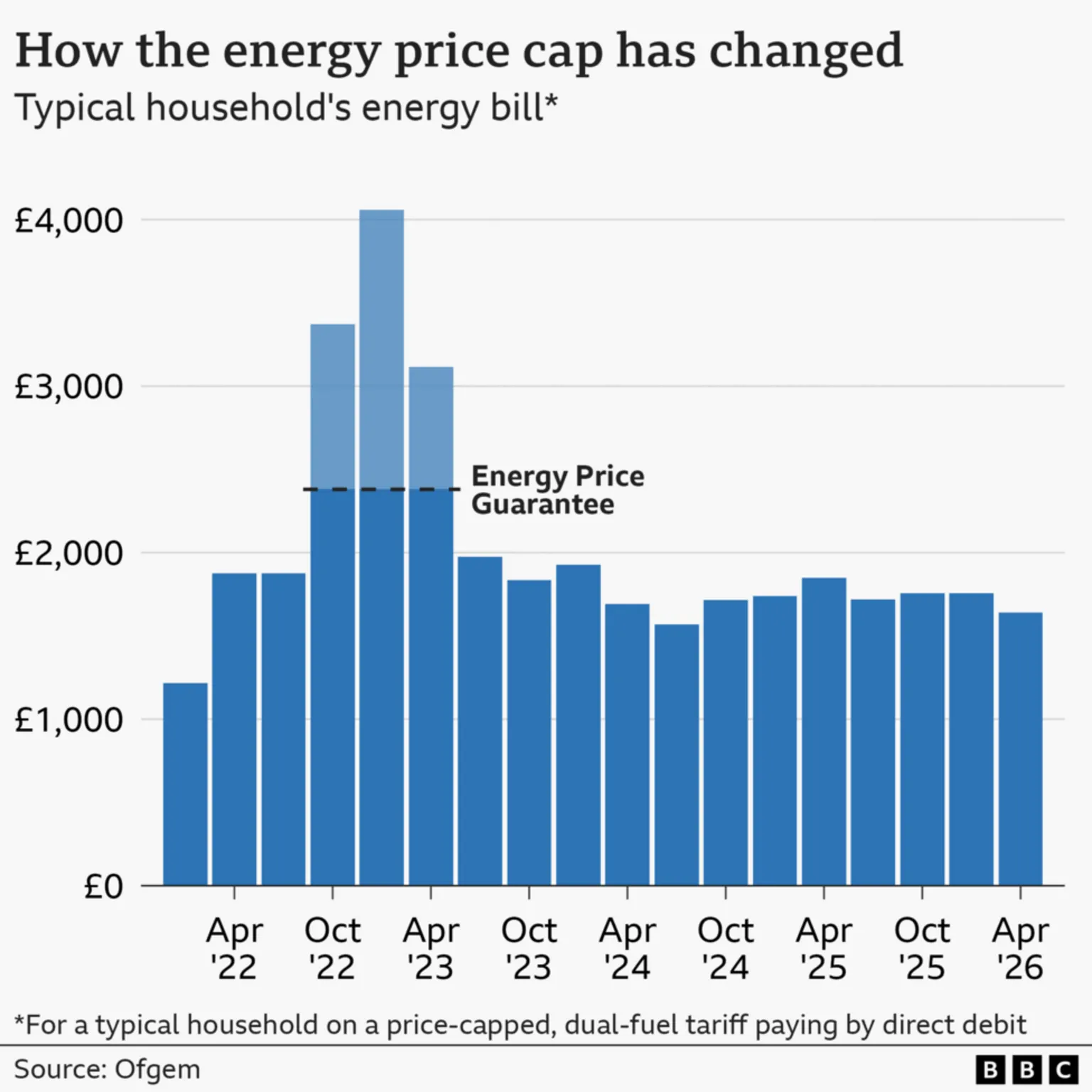
Price Cap Adjustments and Impact of the Iran Conflict
The energy price cap is reviewed every three months. Between April and July, domestic energy bills decreased by 7%, following government reforms to charges. These changes were introduced shortly before the outbreak of the conflict in Iran.
However, the upcoming price cap for the period from July to September will reflect a 25% rise in the global price of gas, largely due to the war and the effective closure of the Strait of Hormuz, a critical shipping route.
Wholesale prices, which suppliers pay, constitute roughly 40% of a household’s gas and electricity bill. Some energy suppliers have projected that prices could increase further during the autumn and winter months.
Government Support and Rising Costs
The government has indicated it is developing plans to offer targeted assistance to those most vulnerable before bills escalate further in winter, when energy consumption typically rises.
Currently, a typical household is paying about £600 more annually than before the 2022-23 price shock. There is also a significant amount of unpaid bills owed to suppliers, and many individuals with disabilities incur high energy costs year-round to operate essential equipment.

Scope and Mechanism of the Energy Price Cap
The energy price cap covers approximately 19 million households in England, Wales, and Scotland; Northern Ireland has different regulatory arrangements and billing structures.
The cap limits the maximum charges customers can incur per unit of gas and electricity under variable tariffs. Millions of consumers on fixed tariffs are unaffected until their contracts expire.
Ofgem illustrates the cap by calculating the annual bill for a "typical household" consuming 11,500 kWh of gas and 2,700 kWh of electricity annually, with a combined bill paid by direct debit.
Ofgem is currently considering whether to lower the assumed "typical" energy consumption level, as many households have reduced usage due to high prices in recent years and improvements in energy efficiency.
This adjustment could obscure the extent of price increases but will not change the fact that consumers will pay substantially more per unit of energy.
Forecasts and Industry Response
Using projections from energy consultancy Cornwall Insight, the price cap changes from July reflect recent market conditions. Ofgem previously adjusted typical domestic consumption values in 2019 and 2023.
Energy UK, representing suppliers, stated that energy bills remain unaffordable for many consumers. However, companies have offered repayment plans and payment breaks to customers facing difficulties as part of various support initiatives.
Consumer Behavior and Energy Efficiency
Experts note that millions of households have adopted measures such as lowering radiator temperatures, reducing thermostat settings, taking shorter showers, blocking draughts, and limiting heating to certain rooms to reduce bills.
Preparations made during the current hot summer to maintain these habits and improve energy efficiency could help households manage costs as prices rise again.
"Energy bills remained unaffordable for many people," said Energy UK, highlighting the ongoing challenges faced by consumers.
Experts advise that "preparations made during a hot summer to revisit these habits and improve energy efficiency at home could help as prices rise again."


