

Fuel Prices Begin to Fall After Excise Duty Reductions
Fuel prices at forecourts in Ireland have started to decline following a government decision to reduce taxes on petrol and diesel. The excise duty cuts took effect from midnight, meaning fuel dispatched from depots after this time is subject to the lower rates.
Specifically, the excise duty was reduced by 20 cents per litre on diesel and by 15 cents per litre on petrol, with these reductions set to remain in place until the end of May.
Last night, the Dáil Éireann (Irish parliament) approved these measures as part of a broader government support package designed to assist citizens facing rising costs due to the conflict in the Middle East.
Diesel prices had surged from approximately €1.80 (£1.56) per litre to a range between €2.20 (£1.90) and €2.30 (£1.99) over the weekend, while petrol prices increased to around €2 (£1.73) per litre.
On Wednesday morning, RTÉ reported that diesel prices at many forecourts had fallen to about €2.09 (£1.81) per litre, with petrol prices dropping to roughly €1.85 (£1.60) per litre.
However, some service stations may still be selling existing stock purchased before the excise duty cuts, meaning that lower prices may not be immediately available at all pumps until these supplies are depleted.
RTÉ also noted that certain forecourt retailers have proactively reduced their pump prices ahead of receiving new deliveries to avoid criticism and allegations of price gouging.
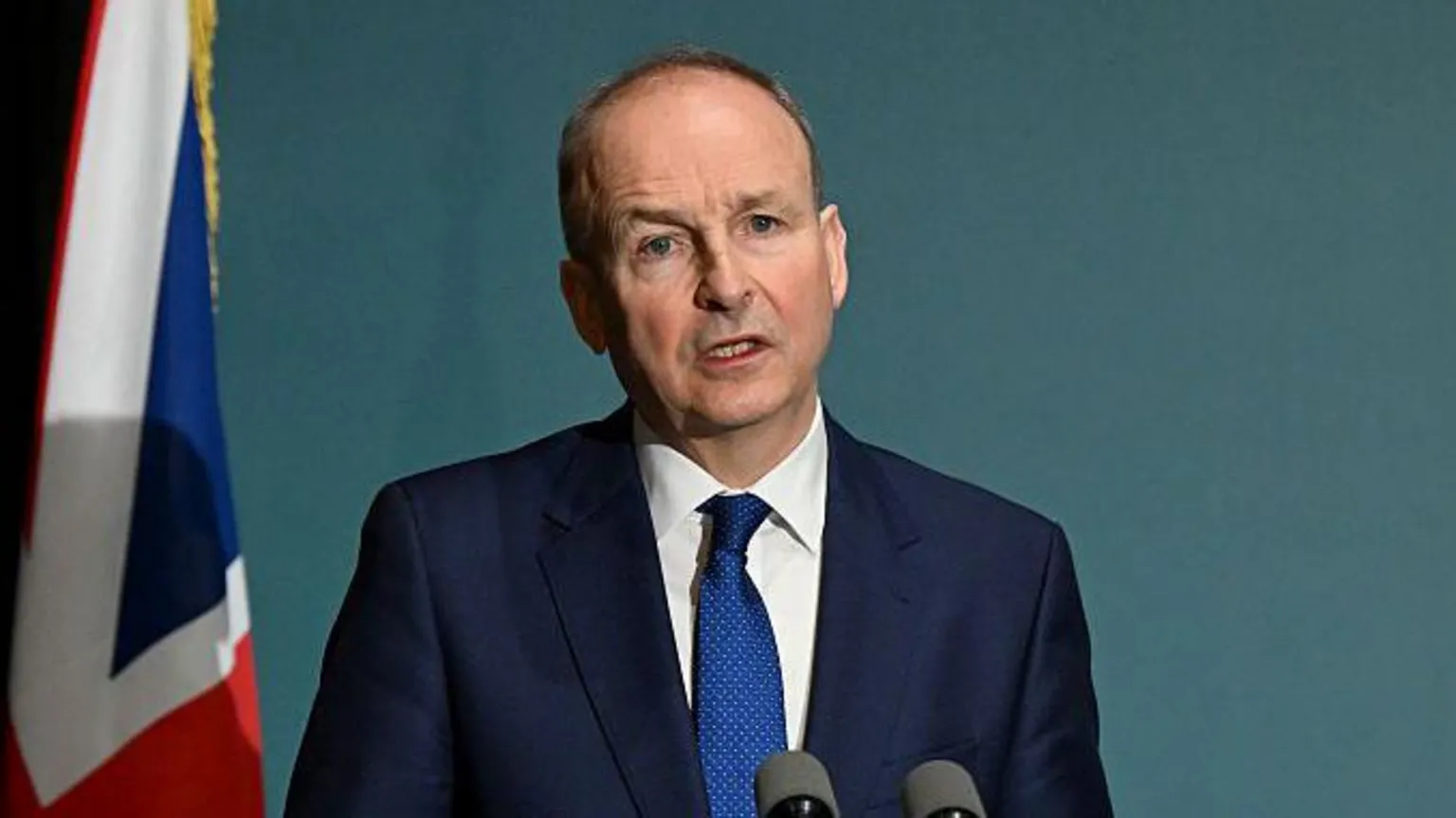
Taoiseach Micheál Martin described the measures as "targeted and temporary," emphasizing that they will be reviewed in response to market developments.

When questioned about the fact that motorists will still face relatively high fuel costs despite the excise cuts, Martin stated:
"There are limits to what governments can do in response to a crisis of this kind and we want to ensure what we do is sustainable."
He added that the duration of the war and the associated volatility in energy markets remain uncertain.
Industry Response: 'Would Like to Have Seen More'
Eugene Drennan, former President of the Irish Road Haulage Association and operator of a haulage company in County Clare, commented on the cuts during an appearance on Good Morning Ulster.
"The cuts make a welcome break but they are minimalist," Drennan said.
He further explained that the reductions are not substantial enough to provide significant benefits to customers.
"We will not reduce [prices] off the reduction yesterday. It's a help. We are at the table. But, if there's another glitch we have to get back to the table immediately to make any significant difference," he continued.
Additional Government Measures
Beyond petrol and diesel, the government has suspended the NORA levy applied to home-heating oil, which will reduce its price by two cents per litre.
The package also includes a VAT-inclusive excise duty cut of three cents per litre on green diesel.
Additionally, the maximum rebate under the Diesel Rebate Scheme will be temporarily increased from 7.5 cents to 12 cents per litre until 30 June.
Heating payments to social welfare recipients will be extended by four weeks, and enhancements will be made to a rebate programme for hauliers.
The overall support package, which also features targeted energy supports for pensioners, carers, and people with disabilities, is estimated to cost approximately €235 million (£203 million).


