

Farmers Seek Fuel Duty Reduction Due to Rising Costs
Farmers reporting that fuel bills have doubled since the onset of the Middle East conflict are urging the government to reduce fuel duty to alleviate financial pressures.
Ashley Jones, a farmer and chairman of the Cornwall National Farmers' Union (NFU), described colleagues as "stressed and worried," noting daily calls about their dependence on fuel for operating machinery.
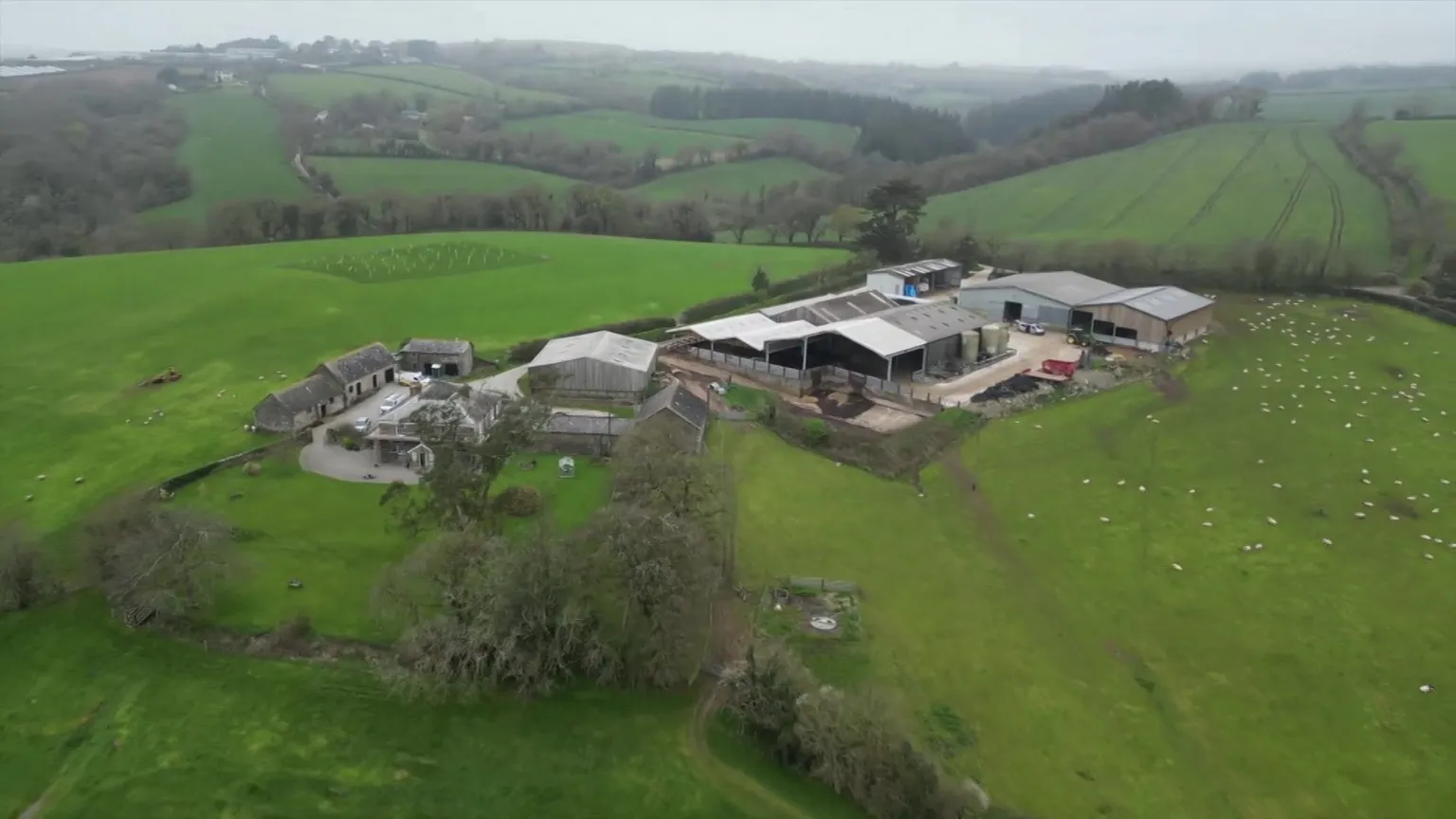
"We're so heavily reliant on fuel to do our day-to-day jobs, whether it's looking after animals or looking after the crops; we can't be without it," said Jones, who manages Smeaton Farm near Saltash.
Jones warned that sustained high fuel prices might lead some farmers to forgo planting crops this autumn due to cost uncertainties.
The government stated it is monitoring the situation in the Middle East and is prepared to respond "swiftly and appropriately" to support the farming sector and maintain food security. It also confirmed the extension of a 5p fuel duty reduction.
Following plans for a conditional ceasefire between the US and Iran, oil prices declined on Wednesday. However, Brent crude, the benchmark oil price, remains approximately 30% higher than before the conflict began on 28 February.
Jones explained the scale of fuel consumption on his farm, estimating a daily requirement of 250 to 300 litres (55 to 65 gallons) per tractor. Prior to the conflict, this cost around £200 per tractor daily, but it has nearly doubled to £400 now.
"So, we've got a very big fuel bill daily," he said. "Farmers who potentially have a cashflow problem are going to struggle to stomach a higher fuel bill."
He added, "A reduction in the duty charged on fuel would be a great way to go to begin with. I fully appreciate that diesel can't be subsidised back down to its original price, it just can't be done. But definitely a reduction in fuel duty would be nice to see."
Red diesel, a lower-taxed fuel used by farmers for off-road vehicles, machinery, and heating, remains subject to price fluctuations due to volatility in the global oil market.

Jones noted that although he purchased fertiliser stocks before the conflict, ongoing uncertainty continues to impact the agricultural sector.
Additional Industry Concerns and Calls for Support
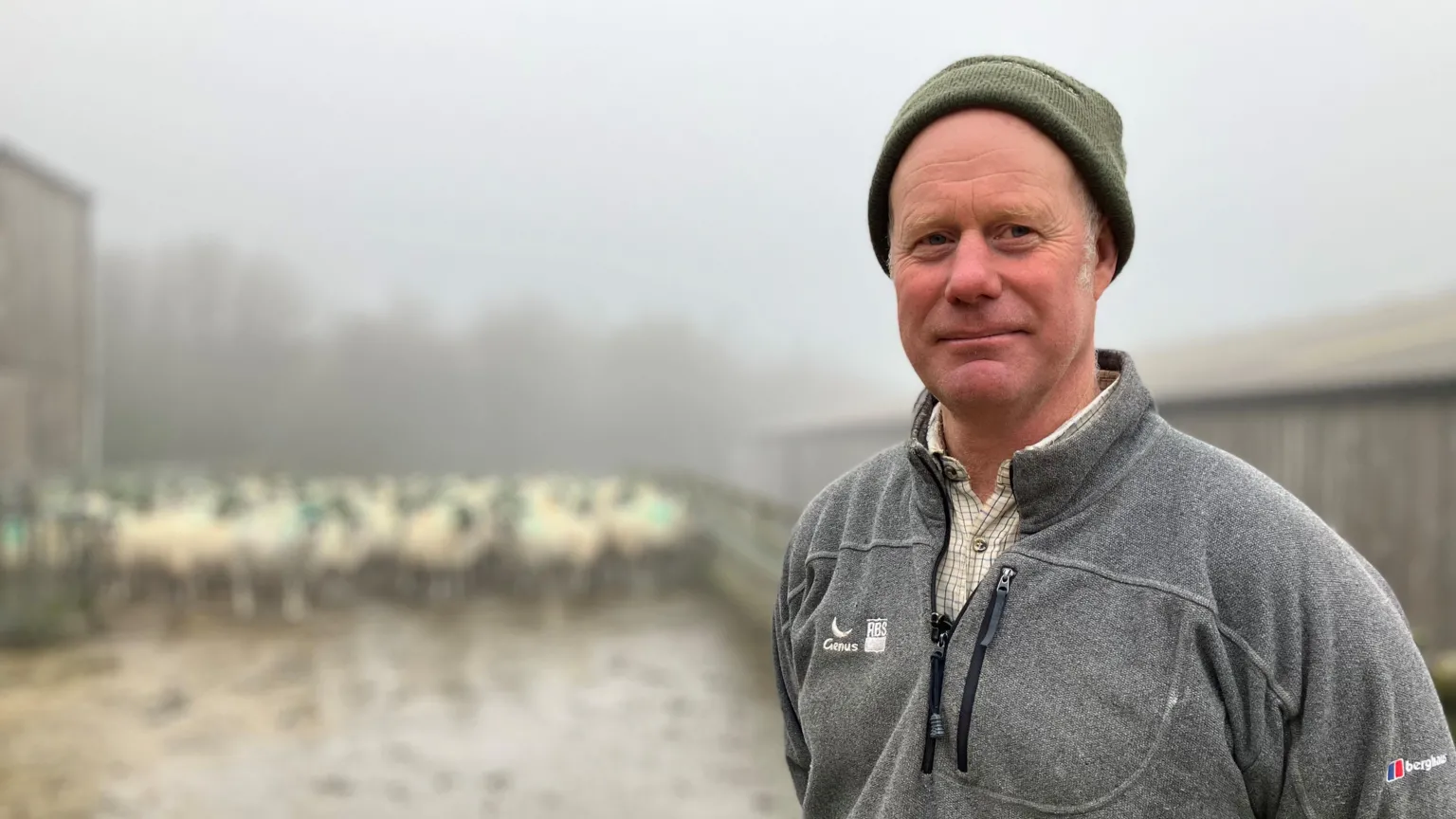
Neil Cole, a sheep farmer from Princetown on Dartmoor in Devon, echoed calls for reduced fuel duty, highlighting that fuel and fertiliser prices have doubled, compounding existing challenges in the industry.
"I don't know how many other industries could stand the volatility we are getting. Our beef and lamb doesn't double in price overnight, so you can imagine when we're dealing with such big figures with such small profits... it's causing real financial problems for us," Cole said.
"It just feels like one thing after another - we're having to work out what staff to lay off with our contractors. The whole system of food security in this country is a shambles," he added.
Cole expressed determination to continue farming but suggested that younger generations might be deterred by the ongoing volatility and uncertainty.
"It's just feels like one thing after another - we're having to work out what staff to lay off with our contractors. The whole system of food security in this country is a shambles."
"I would keep going, but younger generations might not want to tolerate the volatility and unknowingness," he said.
Government Response
A government spokesperson stated:
"The government is closely monitoring the developments in the Middle East. We have raised industry concerns about red diesel prices, including price transparency, with the Competition and Markets Authority and we are committed to ensuring that this market functions fairly.
We stand ready to act swiftly and appropriately to support our domestic farming industry and protect food security, and have already extended the 5p fuel duty cut from this month to September."
Follow BBC Cornwall on X, Facebook, and Instagram. Follow BBC Devon on X, Facebook, and Instagram. Send your story ideas to spotlight@bbc.co.uk.


