Elon Musk Loses Trillionaire Status Following SpaceX Market Decline
Elon Musk, the renowned tech entrepreneur, lost his trillionaire status on Tuesday, less than two weeks after becoming the first person to reach that milestone following the public debut of SpaceX, according to Bloomberg data.
The Bloomberg Billionaires Index, which updates daily at 17:30 New York time (22:30 BST), valued Musk's net worth at $957 billion (£727 billion) on Tuesday. This marks a decline from the $1.11 trillion valuation recorded less than 14 days earlier.
This decrease came amid a sharp retreat in shares of SpaceX and Tesla, as technology stocks broadly experienced a downturn. The sell-off was driven by increasing skepticism regarding the long-term profitability of artificial intelligence.
Despite this setback, Musk remains the world's richest individual, with a wealth significantly exceeding that of his closest competitors.
SpaceX's Public Market Debut Propelled Musk to Trillionaire Status
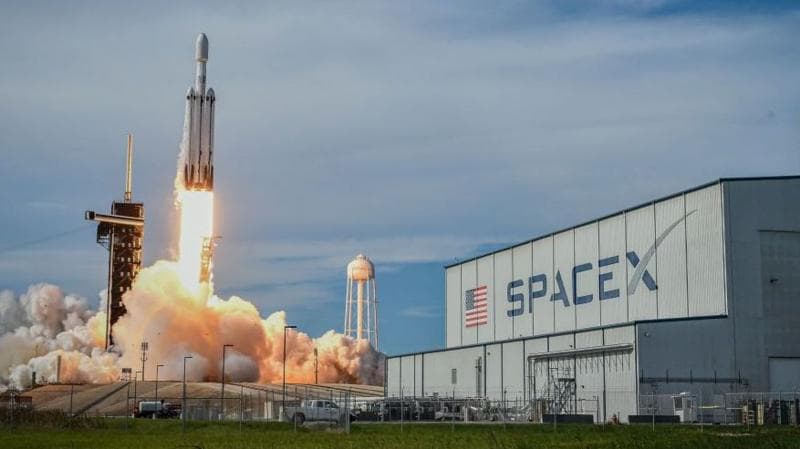
Musk initially made history on 12 June with the highly anticipated initial public offering (IPO) of his rocket company, SpaceX, on the Nasdaq exchange.
The IPO was priced at $135 per share and opened at $150 when trading commenced. This debut valued SpaceX, a leader in rocket and satellite technology, at over $1.77 trillion. Given that Musk owned approximately 42% of SpaceX, the listing immediately elevated his paper fortune beyond the $1 trillion threshold.
By 16 June, investor enthusiasm surged, driving SpaceX shares to a peak of $225.64. This increase pushed Musk's total net worth to a peak of $1.32 trillion.
Market Volatility Leads to Significant Wealth Decline
However, the market rally was short-lived.

Concerns regarding capital expenditures, the costs associated with artificial intelligence infrastructure, and persistent interest rates triggered a broad sell-off in technology stocks. High-profile technology companies such as Nvidia, Intel, and AMD were notably affected.
SpaceX shares experienced the most significant impact, plunging more than 30% from their mid-June peak to trade near $156.
On Monday, 22 June, a particularly volatile day, SpaceX shares fell 16%, erasing an estimated $240 billion from Musk's personal net worth in a single day.
The following day, shares of Tesla, Musk's electric vehicle company, declined nearly 6%, further compounding the financial losses. Musk holds approximately 12% of Tesla's outstanding shares.
Concentration of Wealth Heightens Vulnerability
Musk's trillionaire status is uniquely susceptible to market fluctuations due to the concentration of his wealth. Unlike traditional billionaires who maintain diversified portfolios, Musk's fortune is predominantly tied to equity in just two companies: SpaceX, which accounts for nearly 80% of his total net worth, and Tesla.
Market analysts observe that volatility following an IPO is common for highly valued growth companies, though the magnitude of the current movement reflects a tension between market optimism and realistic valuation.
"For a stock like SpaceX, a lot of decision making might have been emotional and based on the anticipation of huge leaps forward in space exploration and utilisation, but investing should be something treated with clear eyes and patience, even when such huge numbers are involved," said Danni Hewson, head of financial analysis at AJ Bell.
Future Outlook and Potential Recovery
Restrictions are set to lift in late July, allowing company insiders to sell their shares in stages, which may continue to exert market pressure.
Nonetheless, a modest 6% recovery in SpaceX stock would be sufficient to restore Musk's trillionaire status, potentially making him the world's first recurring trillionaire.