Introduction
Step into nearly any shopping mall in Singapore, and you will likely encounter long queues outside shops with vibrant branding and catchy names. Chinese brands such as Chagee, Molly Tea, and Mixue are attracting customers not only across Asia but increasingly in cities like Sydney, London, and Los Angeles.
Alongside fashion labels, toy stores, and sportswear giants, these tea chains are part of a new wave of Chinese firms transitioning from low-cost manufacturing to globally recognized consumer brands.
Originating from the world's second-largest consumer market, these companies already possess scale and operational strength. However, rising competition domestically has made overseas expansion a necessity. They are entering markets where the "Made in China" label is still often associated with inexpensive, low-quality products.
"China has moved beyond a replication economy," notes Tim Parkinson of consultancy Storytellers China. "Its products now meet the expectations of a new generation of demanding global consumers."
Factory of the world
China has long served as the world's manufacturing hub, producing goods for Western companies. Through this process, suppliers gained expertise not only in production but also in branding, distribution, and large-scale sales.
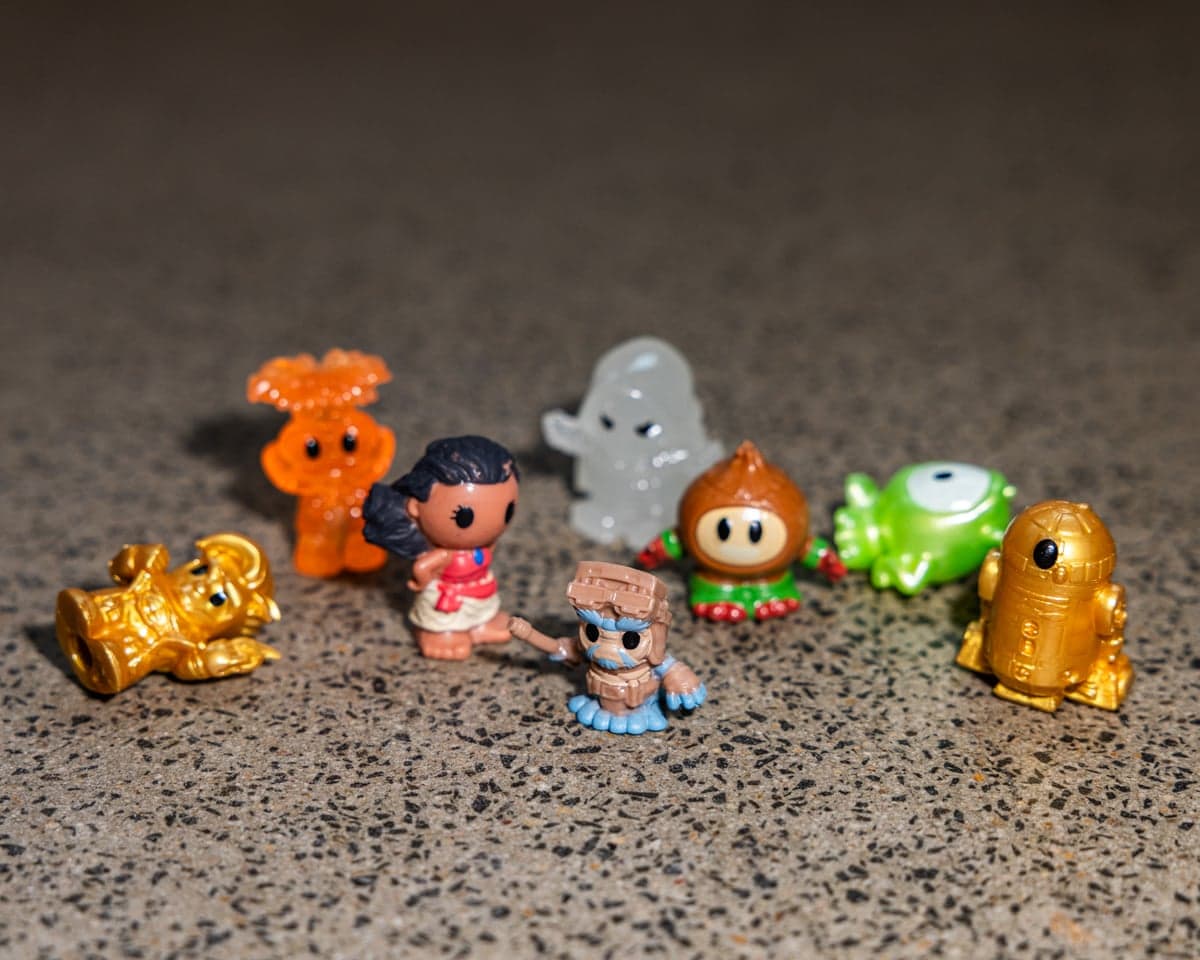
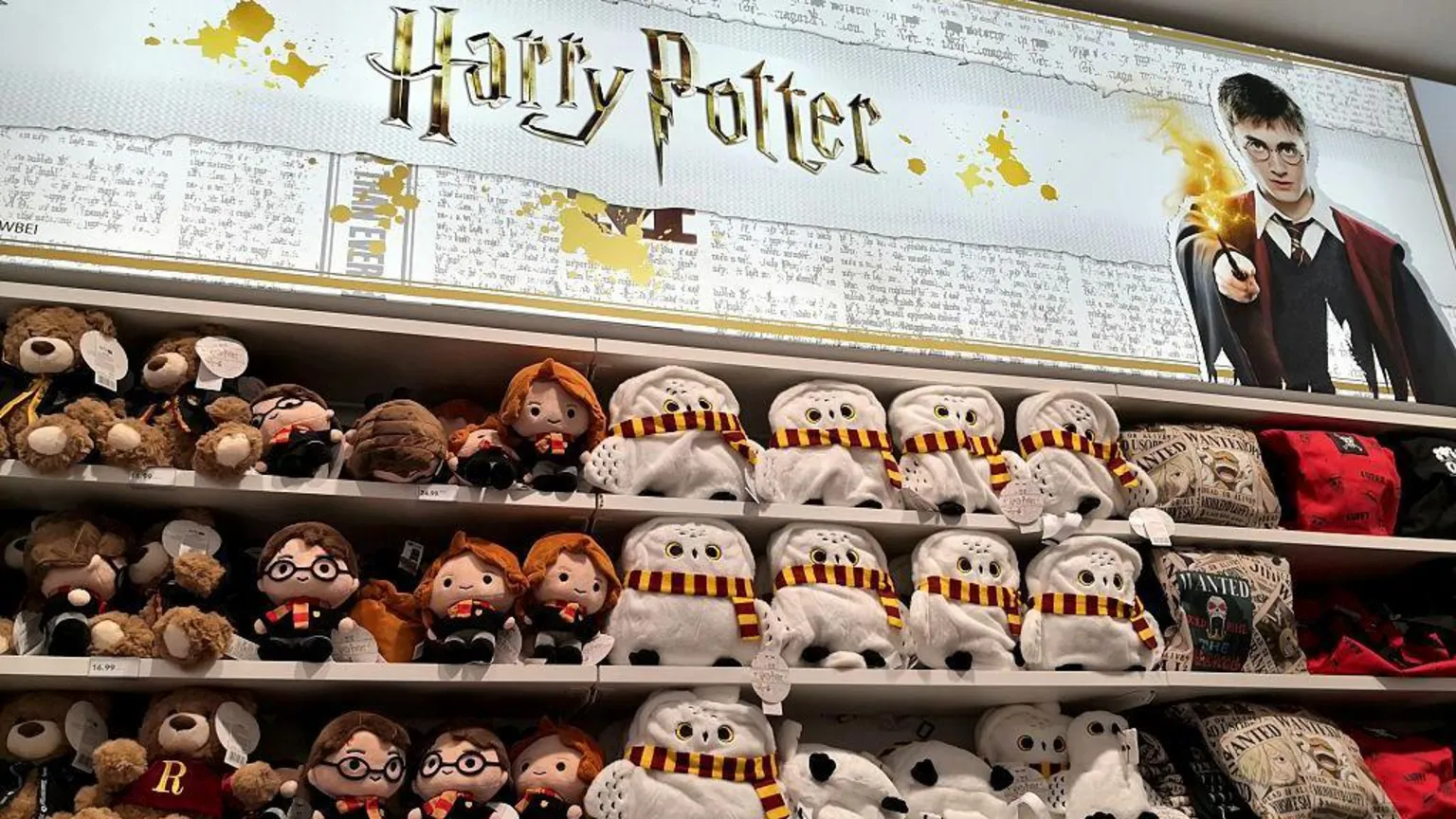
Companies like Miniso have leveraged this knowledge effectively. The retailer, which sells toys and movie merchandise licensed from Disney, Marvel, and Warner Bros, now operates stores in over half the countries worldwide.
"Consumers aren't particularly concerned about where the brand comes from," says Vincent Huang, general manager of overseas markets at Miniso. "They're more focused on the shopping experience - the designs, value for money, and enjoyment," he adds.
Licensing agreements and rapid product delivery from factory to shelf are central to Miniso's business model.
Beyond consumer goods, BYD has surpassed Tesla as the world's largest electric vehicle (EV) manufacturer. The company benefited from early investment in the right technology during the EV race and China's vast domestic market, which enabled scaling and cost efficiencies.
BYD is now expanding beyond vehicles by developing ultra-fast charging systems that add hundreds of kilometers of range within minutes, aiming to build an ecosystem around its products.
Government support has accelerated China's EV sector through subsidies and incentives that boosted demand. However, this support has drawn criticism from Europe and the US, with officials claiming it provides Chinese firms an unfair advantage. Beijing rejects these claims, asserting that the growth reflects China's innovation and industrial strength.
Anta is another example of China's global brand success. With nearly 13,000 stores worldwide, it has become the third-largest sportswear brand globally, behind Nike and Adidas.
Anta initially succeeded in China's vast domestic market and expanded internationally through acquisitions of established brands such as Salomon and Wilson, and more recently acquiring a 29% stake in Puma.
South East Asia as a launchpad
Before entering Western markets, many Chinese companies use Southeast Asia as a testing ground.
With over 650 million young and increasingly affluent consumers, the region offers scale and diversity, while competition from established Western brands maintains high standards.
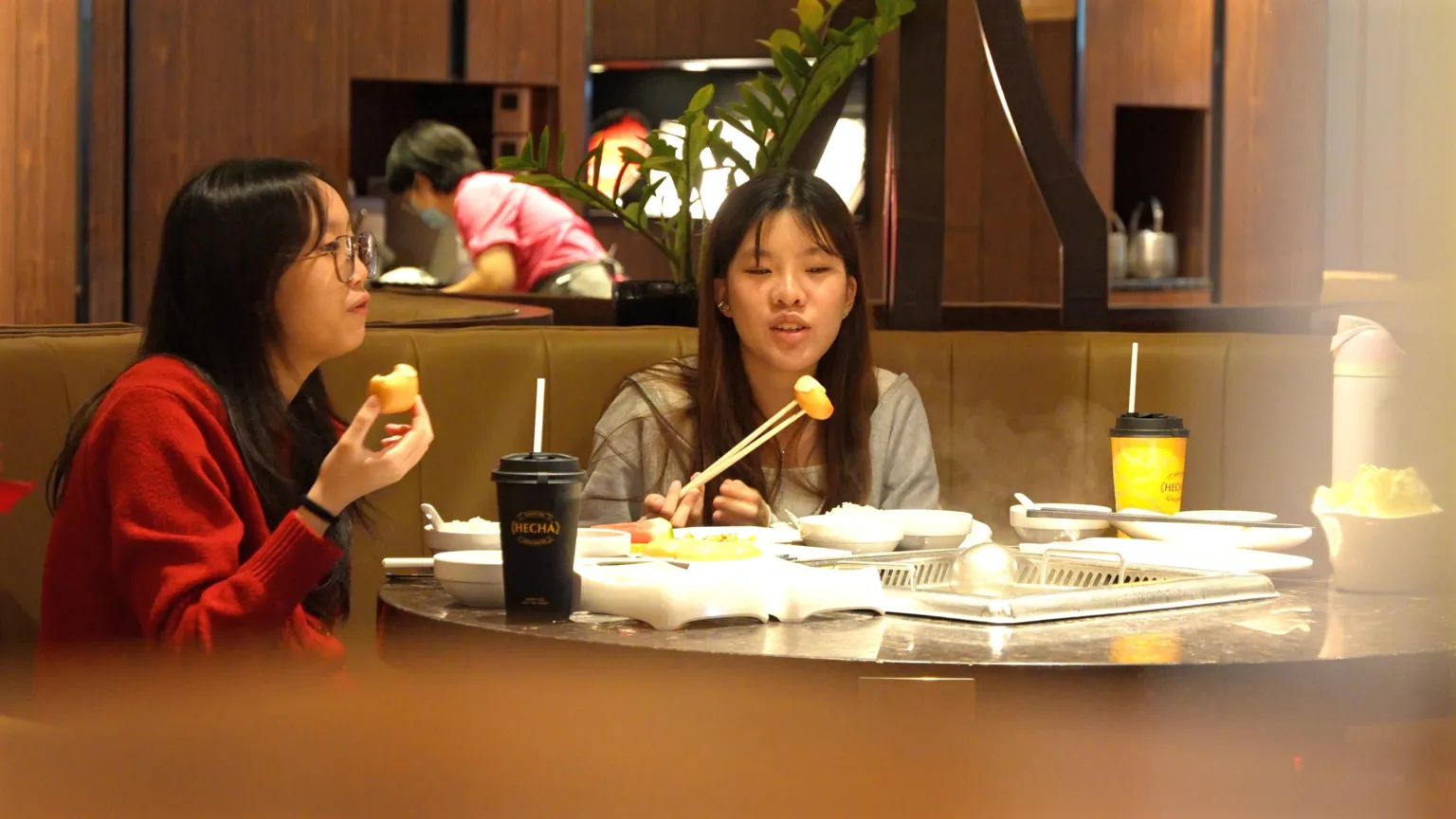
Restaurant chain Haidilao opened its first overseas outlet in Singapore in 2012. It is now the largest hotpot chain globally, with 1,300 restaurants across 14 countries.
"Haidilao's story is not just a restaurant success," says Zhou Zhaocheng, vice chairman of Haidilao International. "It reflects China's 30 years of economic transformation and internationalisation."
Zhou explains that the chain's global reach depends on a strong brand, a robust ecosystem, and a loyal customer base. He emphasizes that each overseas market is complex, shaped by distinct cultures, legal systems, and consumer habits, making localization of food, menus, and service essential.

Currently, Haidilao is pursuing halal certification in Indonesia and Malaysia, a strategy that could open access to Muslim-majority markets across the Middle East.
Other brands are also expanding rapidly. Ice cream and bubble tea chain Mixue operates more stores globally than McDonald's or Starbucks, while Molly Tea has achieved international expansion within just a few years of its founding.
According to market research firm Euromonitor International, over 70% of Chinese firms operating in Southeast Asia plan further expansion.
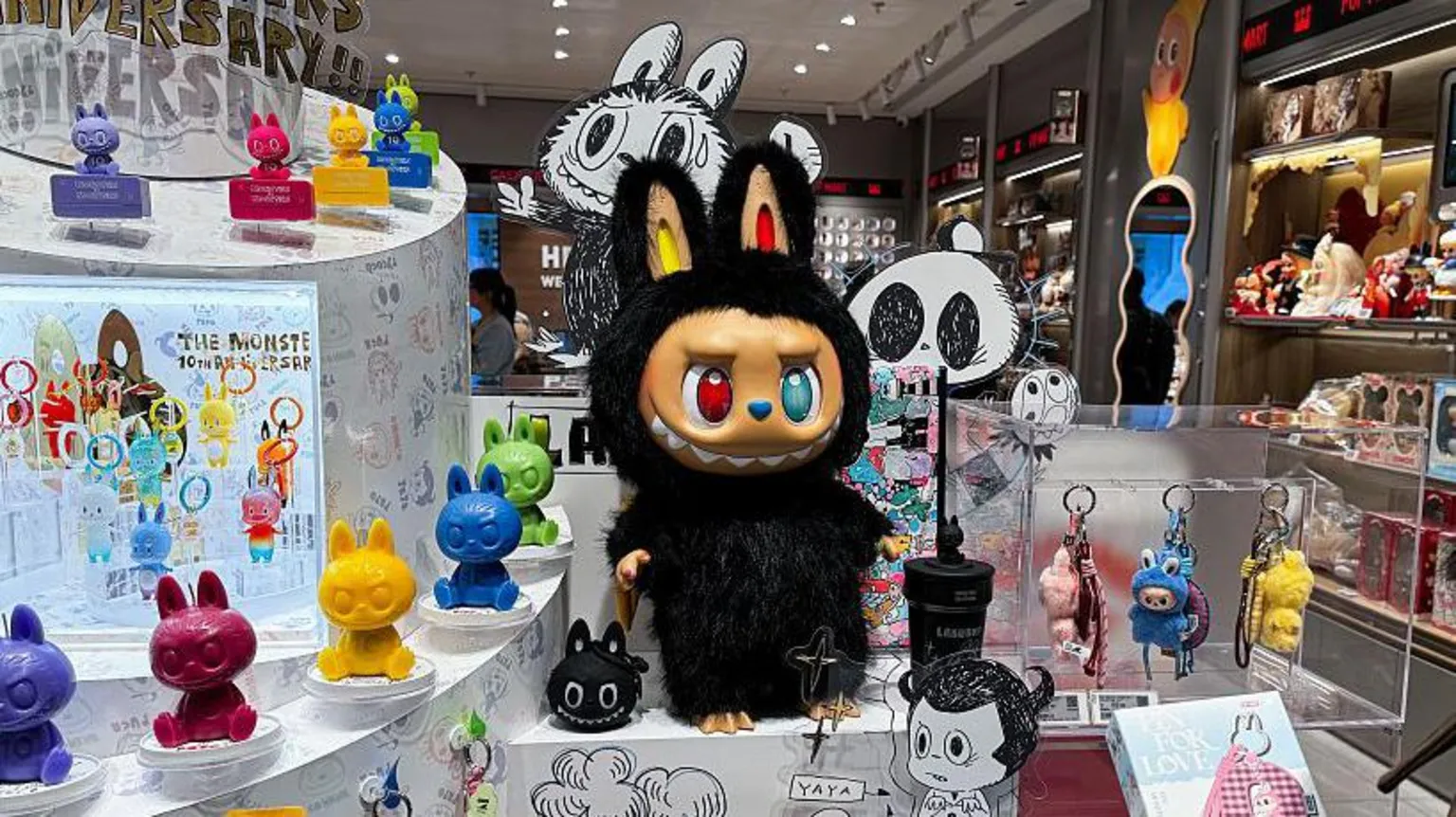
The region is also home to some of the fastest-growing smartphone markets, with social media significantly boosting product popularity. For example, Pop Mart's Labubu figurines became a global phenomenon with minimal traditional advertising.
In the US, Pop Mart's sales have increased by 900% since 2024. Despite a recent sharp decline in its share price due to concerns about sustaining growth, the company remains valued higher than the combined worth of US toy giants Hasbro and Mattel, and Japan's Sanrio, the creator of Hello Kitty.
Price wars
In China, this outward expansion, known as "chuhai" (roughly translating to "going out to sea"), is increasingly driven by domestic pressures. A sluggish economy, intense competition, and a declining birth rate have altered consumer spending habits and constrained growth, pushing companies to seek overseas markets.
Even foreign brands are affected by this shift. Starbucks' market share in China has more than halved since 2019. Meanwhile, local chain Luckin Coffee now operates almost four times as many stores in China as its US rival. Luckin's mobile-first approach keeps costs low and service efficient.
In November, Starbucks announced a deal to sell a controlling stake in its Chinese operations to Hong Kong-based Boyu Capital.
Despite a major accounting scandal in 2020 that led to its Nasdaq delisting, Luckin has continued expanding both domestically and internationally, including locations in Singapore, Malaysia, and New York. The company is reportedly planning a return to the US stock market.
The challenge for Chinese soft power
Analysts observe that perceptions of Chinese firms are evolving.
Where "Made in China" once implied inexpensive products, it is increasingly associated with innovation and design leadership.
"Brands like BYD combine superior quality with emotional storytelling and local adaptation," says marketing expert Foo Siew-Ting.
Nonetheless, challenges persist. Tariffs, political scrutiny, and concerns over data security continue to complicate expansion efforts, as seen in cases involving Huawei and TikTok.
Questions remain about whether fast-growing brands like Shein and Temu can sustain momentum in Western markets.
Despite these challenges, the trajectory is clear: Chinese companies are no longer defined by low prices alone. They are innovating, capitalizing on consumer trends, building brands, adapting to local markets, and competing directly with, and sometimes surpassing, established global players.
Additional reporting by Jaltson Akkanath Chummar