

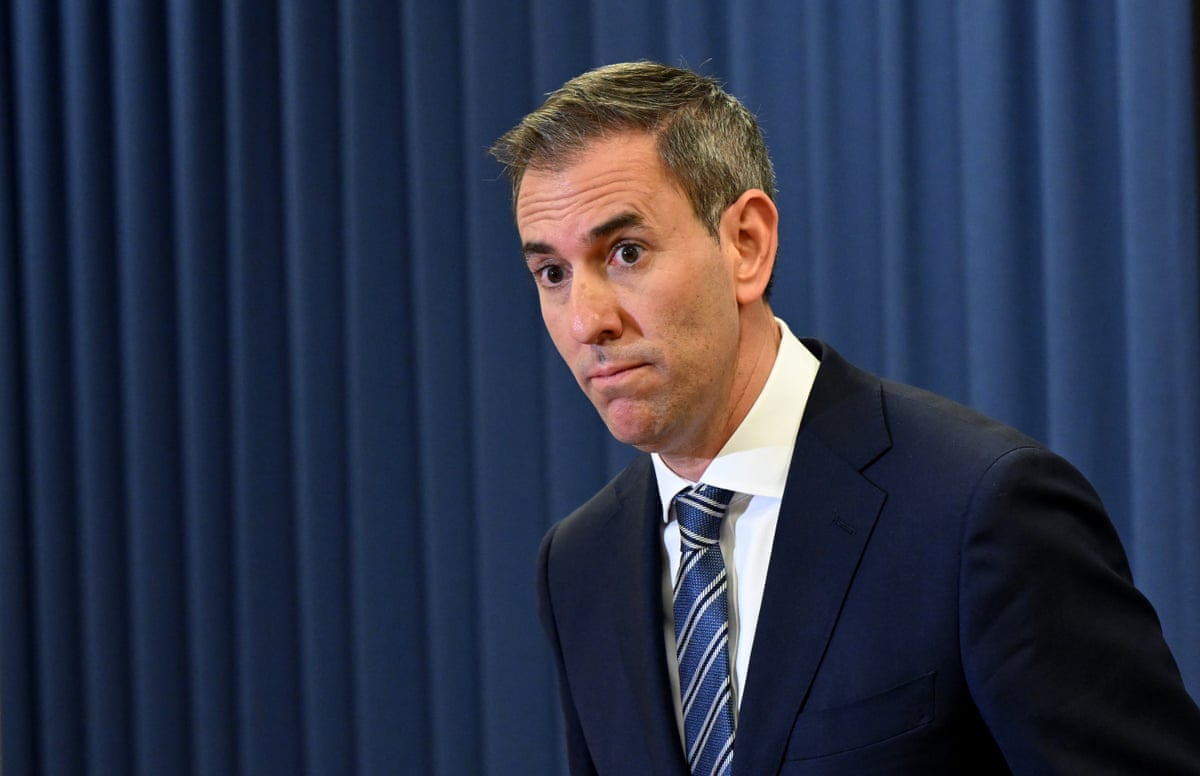
Jim Chalmers says fuel prices have risen over the past month, but remain “substantially lower” than when the excise relief began. Speaking to RN Breakfast on Monday, the treasurer said the cut was “never intended to be permanent” and had played an important role in easing cost of living pressures linked to the war in the Middle East.
“Prices have come up a bit, but they are substantially lower than when we first introduced this excise relief. The excise relief has played a really important role in taking some of the edge off these cost of living pressures that have been turbocharged by a war in the Middle East.
It was never intended to be permanent. … It’s done a really important job, but we can’t afford to continue it forever.”
He also said the government has not been considering bringing the measure back if petrol prices climb again.
Why is the fuel excise cut ending?
The temporary fuel excise cut was introduced after the outbreak of war in the Middle East. The government halved the excise, then increased it slightly last month, which saved about 16c per litre at the wholesale price for an extra month. The excise cut ended at midnight on Monday.
Chalmers said the ACCC will now closely monitor service stations and fuel suppliers to ensure consumers are not being overcharged. He said the regulator would watch them “like a hawk” and warned that unexplained price rises would face serious scrutiny.
The regulator will step up its monitoring of fuel price movements. Any price increase that can’t be explained will face serious scrutiny from the ACCC.
We’ve jacked up the penalties for petrol stations that rip off Australians. They face multimillion-dollar fines if they break the law.
Chalmers made the same warning when the fuel excise cut was reduced last month. It is expected to take a few days for the change to flow through to the bowser.
How has the news bargaining incentive changed?
The government has released new details of its news bargaining incentive legislation, and LinkedIn is no longer exempt from the agreement. The policy will require platforms to pay for news content, with Google, Meta, TikTok and now LinkedIn all covered by the rules.
Under the revised legislation, the platforms will have to make deals with at least six media organisations, up from four in the draft legislation, or pay 2.5% of their digital revenue made in Australia.

The government announced the changes after consultation with industry. It also increased the charge rate for companies that do not sign deals, from 2.25% to 2.5% of their digital advertising revenue, and changed the calculation so it applies only to digital advertising revenue rather than total revenue made in Australia.
That means revenue from products such as the phones Google sells will be exempt from the news bargaining incentive payments because it does not count as digital revenue. Bing still will not be liable to pay the incentive, because its digital advertising revenue in Australia is under the $250m threshold.
Australia revealed last month that Microsoft had lobbied the government in March 2025 to keep LinkedIn and Bing exempt from the new rules. LinkedIn has now been brought into the scheme, despite that lobbying from Microsoft.
In a statement, the minister for financial services, Daniel Mulino, said the changes “do not alter the intent of the legislation and remain true to the policy rationale”.
We want digital platforms to do deals with a diverse range of media organisations and have shown good faith with both the platforms and media companies during the consultation process.
What else is on the agenda today?
Good morning, and happy Monday. Nick Visser here to get the week’s news going. Here’s what’s on deck:
The high-profile trial of former broadcaster Alan Jones for indecent assault and sexual touching charges begins today in Sydney.
LinkedIn has been pulled into the government’s news bargaining incentive legislation and will no longer be exempt from the agreement. The announcement comes after consultation with the industry, with the government saying the changes “remain true to the policy rationale”.
Treasure Jim Chalmers has issued a warning to service stations amid ongoing tension in the Middle East, saying he will be watching them “like a hawk”. The fuel excise cut has now come off but it is expected to take a few days for the changes to flow through to the bowser.


