San Francisco’s Duboce Triangle Sees Surging Interest in Luxury Homes
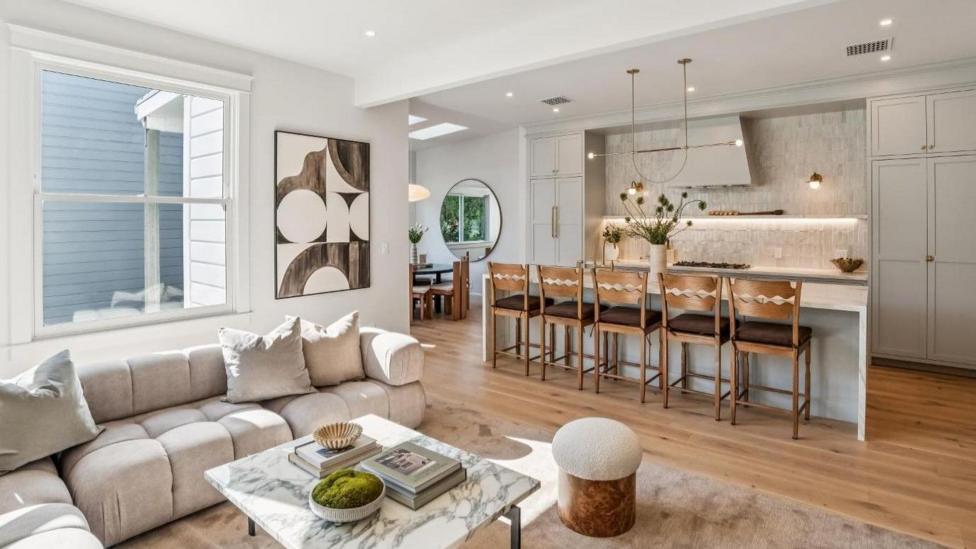
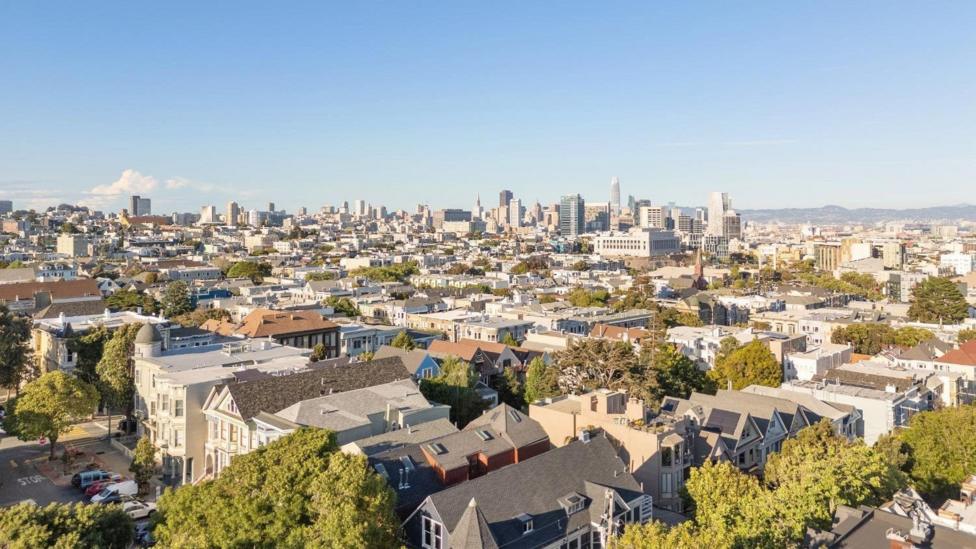
On a tree-lined street in the affluent Duboce Triangle neighbourhood of San Francisco, the upper half of a white, Edwardian-era detached house has been attracting significant attention from prospective buyers.
This opulently renovated three-bedroom apartment was listed for nearly $3 million (£2.3 million) and has drawn interest partly due to an unusual payment option: the seller is willing to accept shares in artificial intelligence companies OpenAI or Anthropic instead of cash.
"The value [of the property] is questionable, but I would like to buy,"said a young OpenAI employee who recently viewed the flat with his partner.
The employee, who relocated to San Francisco two years ago for a technical role at OpenAI, currently rents but intends to inquire with his employer about the possibility of transferring stock as payment.
AI Industry Fuels Real Estate Surge in San Francisco
San Francisco, home to AI giants OpenAI and Anthropic, is at the forefront of the AI revolution, and its housing market has experienced dramatic price increases this year.
"They are just astronomical,"said Daryl Fairweather, chief economist at Redfin, a real estate company monitoring US home prices.
"People are flush with cash and ready to buy."
In March 2026, San Francisco reclaimed its status as the most expensive US city for homebuyers, surpassing San Jose, located 50 miles south in Silicon Valley.
That month, the median house price in San Francisco rose 19% year-over-year, continuing with increases of 14.5% in April and 14.1% in May, according to Redfin data.
As of May 2026, the median sale price reached a record $1.76 million, compared to nearly $400,000 nationwide, where prices increased by just 1.4% in March and 2% in April and May.
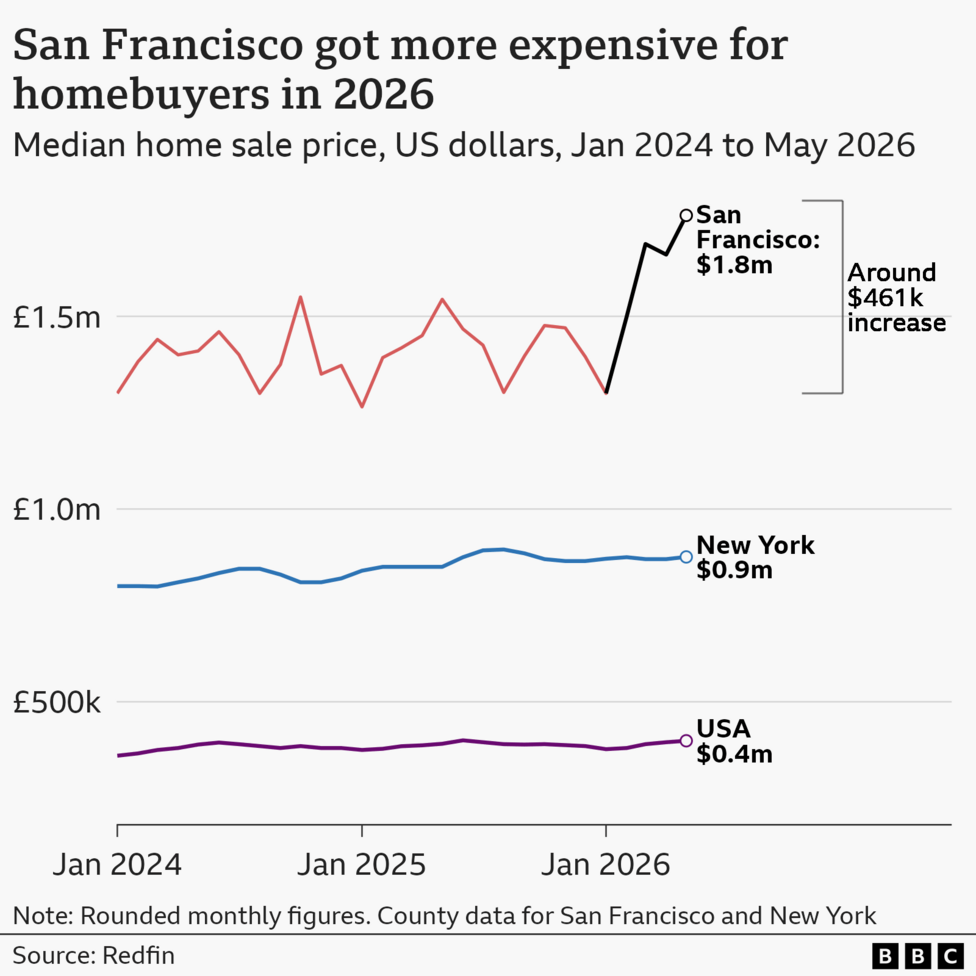
Experts widely attribute this surge to AI-related wealth.
"We have come to that conclusion based on what we're seeing in the data, and what we've heard from our agents,"Fairweather explained.
She noted the sharp price increases in luxury zip codes throughout the San Francisco Bay Area, including Duboce Triangle, since OpenAI launched ChatGPT in late 2022—a trend not observed in cities with less AI industry presence.
This growth reversed the downward trend San Francisco experienced during the COVID-19 pandemic, when population decline and softened house prices were prevalent.
High Salaries and Stock Options Boost Buying Power
Top AI employees in San Francisco receive exceptionally high salaries and signing bonuses, even by Silicon Valley standards. More notably, many have been able to partially liquidate stock options through limited share sales.
In October 2025, over 600 current and former OpenAI employees sold shares totaling $6.6 billion, averaging $11 million per participant, according to recent reports.
Similarly, Anthropic employees, whose main product is Claude, were recently permitted to sell shares amounting to approximately $6 billion.
With both companies planning full stock market listings later this year or next, which will create additional multi-millionaire employees, many anticipate continued increases in San Francisco real estate prices.
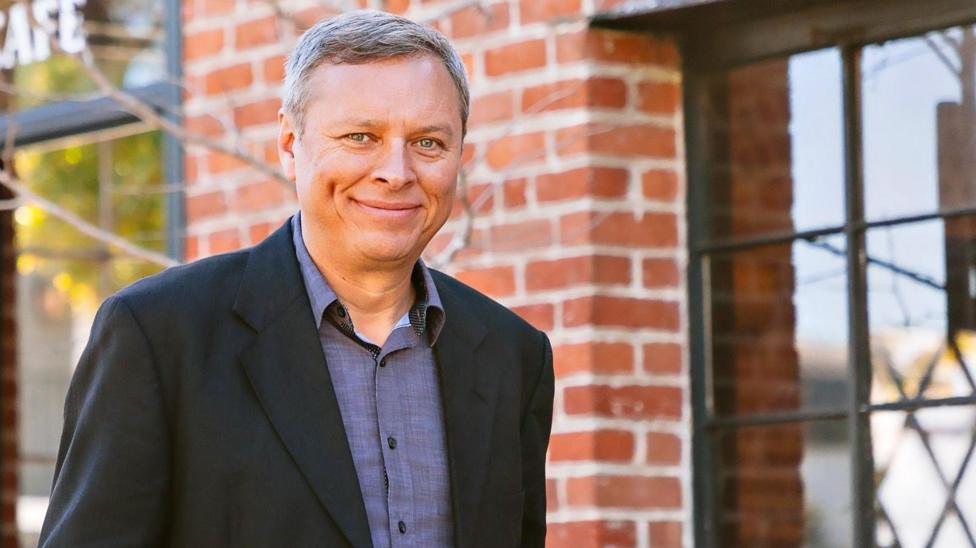
"Today's bidding wars are going to be seen as bargains, and they already are,"said Rachel Swann, the listing agent for the Duboce Triangle property.
Economic Perspectives on the AI Boom’s Impact
Enrico Moretti, an economics professor at the University of California, Berkeley and San Francisco resident, stated that the AI boom is still in its early stages. He noted that while the city’s population and employment are increasing, they remain below pre-pandemic levels.
Moretti also highlighted countervailing factors that may temper growth, such as recent large layoffs at major tech firms like Meta.

He suggested that as the AI industry transitions from rapid innovation to established companies, demand for highly specialized workers may decline, reducing the ability to command high salaries.
Additionally, Moretti pointed out that the majority of wealth generated from OpenAI and Anthropic’s upcoming stock market listings will benefit investors globally rather than local employees.
Housing Market Frenzy and Its Broader Effects
San Francisco remains a desirable place to live, but many families are being priced out.
Matthew Goulden, a San Francisco estate agent with over 20 years of experience, described the current market as "crazy."
He observed an increase in prospective buyers, many from the AI sector, starting late last year.
This upward trend is not limited to luxury properties but extends across the market, including single-family homes and one-bedroom flats. While most pronounced in sought-after neighborhoods, it is evident throughout the city.
Bidding wars have become common, sometimes driving sale prices millions above asking prices.
Homes are selling faster than ever, and all-cash purchases appear to be rising, especially at the high end of the market.
Danielle Lazier, another seasoned San Francisco realtor, noted that homes have often been listed below market value to stimulate bidding wars.
She emphasized that San Francisco faces chronic housing supply limitations due to its small size, a high renter population, and challenges in constructing new housing, although the city’s new pro-growth mayor aims to address these issues.
"All of a sudden AI money can have an outsized effect,"Lazier said.
Impact on Local Families and Community
The AI boom is influencing who can remain in San Francisco. Two local families with school-aged children, who requested anonymity, recently purchased move-in-ready single-family homes to accommodate their need for more space.
One family, long-term renters in a desirable, family-friendly neighborhood, successfully bought a home after one parent, employed at OpenAI, sold company shares last October, enabling an all-cash offer.
"We're not ostentatious people,"the couple said.
"We've just done what we can with the opportunity."They also expressed feeling
"conflicted and self-conscious"that AI wealth made their purchase possible.
In contrast, the other family, without AI or tech industry income, had to relocate to a more suburban Bay Area town north of the city.
Their new home, purchased partly with a mortgage, features a pool and additional land.
The mother noted the lifestyle change and adaptation required, including a lengthy commute for her husband, who holds a senior government position in San Francisco. She reflected on the difficulty of leaving, saying,
"We wouldn't have left if we could have afforded to stay. It kind of sucks and I do get a little salty seeing all this extra AI money squeeze everyone else out."
Final Sale Details and Market Outlook
The Duboce Triangle apartment ultimately sold for $3.2 million, $200,000 above the asking price. Whether AI stock was part of the transaction remains confidential, according to the listing agent.